
When analyzing a spec sheet, focus on the core numbers that reveal a product’s true performance. Look for sections labeled “performance,” “ratings,” or “specifications,” and identify key figures like load capacity, voltage, current, and thermal limits. These numbers tell you if the product can meet your needs. Avoid distractions from less critical details, and trust those core metrics to make smarter choices. Keep going to discover more tips on deciphering specs like a detective.
Key Takeaways
- Focus on sections labeled “performance,” “ratings,” or “specifications” for essential numbers.
- Prioritize core metrics like load capacity, voltage, current, and thermal limits that define product capability.
- Interpret technical terms into practical performance data to understand real-world functionality.
- Cross-reference core numbers with project requirements to ensure suitability.
- Filter out extraneous details, concentrating on numbers that directly influence product performance.

Have you ever struggled to make sense of a technical spec sheet? It can feel like deciphering a foreign language, especially when manufacturer details flood the page, and technical jargon stacks up. But understanding what’s truly important doesn’t mean you have to become a tech expert overnight. Instead, approach it like a detective—looking for clues that reveal the core performance numbers you need. The first step is to identify the manufacturer details, which often appear at the top or bottom of the sheet. These details tell you who made the product, the model number, and sometimes the manufacturing date. While these don’t directly impact performance, knowing the manufacturer helps you verify credibility and track record, especially if you’re comparing multiple options. Once you’ve noted the manufacturer, the next challenge is to sift through the technical jargon. Terms like “max load,” “voltage,” or “power consumption” are the real clues to understanding the product’s core capabilities. Often, these terms are buried in dense paragraphs or tables filled with abbreviations, but your goal is to locate the numbers that define performance thresholds. For example, if you’re evaluating an electronic component, look for specs like “rated voltage,” “current capacity,” or “thermal limits.” These are your core numbers—they directly influence how the product might perform in your application. It’s tempting to get distracted by extraneous details, but stay focused on these critical metrics. When reviewing the spec sheet, pay particular attention to sections labeled “performance,” “ratings,” or “specifications.” These sections usually highlight the key figures that matter most. Cross-reference these numbers with your project requirements to see if they meet your needs. Remember, manufacturers often include additional data to provide context or show compliance with standards, but these are secondary. Your primary concern is the core numbers—those that tell you whether the product can handle the load, voltage, or environment you require. If something isn’t clear, don’t hesitate to dig deeper or consult the manufacturer’s website for explanations. Your goal as a spec sheet detective is to cut through the noise, identify the essential data, and understand what those numbers mean in real-world terms. By focusing on manufacturer details and decoding the technical jargon into core performance metrics, you’ll be able to make smarter, more informed decisions. It’s not just about reading numbers; it’s about interpreting their significance and trusting what they reveal about the product’s true capabilities. Recognizing content priorities can help streamline your analysis and focus on what truly matters.

USANOOKS Microfiber Cleaning Cloth Grey - 12 Pcs (12.5"x12.5") - High Performance - 1200 Washes, Ultra Absorbent Microfiber Towel Weave Grime & Liquid for Streak-Free Mirror Shine - Car Washing Cloth
- High Absorbency Microfiber: Locks in 8-10x its weight in liquids
- Durable 2.5mm Thickness: Resists lint, scratches, and shedding
- Long-Lasting Reusability: Over 1200 washes for extended use
As an affiliate, we earn on qualifying purchases.
Frequently Asked Questions
How Do I Determine Which Specs Are Most Important for My Needs?
To determine which specs matter most for your needs, focus on performance benchmarks that match your usage, like gaming or video editing. Also, consider compatibility considerations—ensure the hardware fits with your existing setup. Prioritize the specs that directly impact your tasks, such as processor speed or RAM, and don’t get distracted by less relevant numbers. This way, you’ll pick components that truly enhance your experience.
Are There Industry Standards for What Qualifies as a “Core” Number?
Industry benchmarks help define what qualifies as a “core” number, but there aren’t strict standards across all sectors. You should look for specification consistency within the industry to determine significance. Focus on key metrics that align with your needs, such as performance, durability, or efficiency. By comparing these core numbers against established benchmarks, you can better assess whether a product meets your essential requirements.
Can Spec Sheets Be Intentionally Misleading or Contain Errors?
Yes, spec sheets can be intentionally misleading or contain errors due to manufacturer biases or data inaccuracies. You need to stay vigilant, cross-check figures with independent sources, and question any numbers that seem inconsistent. Manufacturers might highlight certain specs to make their products look better, so always verify critical data points. Being critical helps you avoid relying on potentially skewed information and makes your decision-making more accurate.
How Do I Compare Specs Across Different Brands Effectively?
Comparing specs across brands can feel like steering through a maze, but focus on the essentials. Check each brand’s reputation to gauge reliability, and don’t overlook warranty coverage, which protects your investment long-term. Look for consistent core numbers like performance, durability, and features that match your needs. Don’t get dazzled by flashy claims—stick to the facts, compare apples to apples, and trust your instincts to find the best fit.
What Are the Common Pitfalls When Interpreting Technical Specifications?
When interpreting technical specifications, watch out for common pitfalls like falling for technical jargon that’s confusing or misleading. You might misinterpret data or assume specs are directly comparable without considering context or testing conditions. Always verify what each number truly represents, avoid focusing solely on peak or maximum figures, and cross-reference multiple sources. This helps prevent data misinterpretation and ensures you make informed, accurate comparisons.

HOMEXCEL Microfiber Cleaning Cloth 12 Pack, 12.5 x 12.5 inch Microfiber Towels for Cars, Ultra Absorbent Washing Cloth, Lint Free Streak Free Cleaning Rags for Car, Kitchen, and Window (Grey)
- High Water Absorption: Exceptional absorption for dirt and liquids
- Gentle on Surfaces: Soft fabric prevents scratches and damage
- Quick Drying: Rapidly absorbs water for streak-free drying
As an affiliate, we earn on qualifying purchases.
Conclusion
So, stay sharp and scrutinize those specs with a sleuth’s sense. Spot the significant stats, sift through the superfluous, and stay savvy about what’s truly essential. By breaking down the basics and boldly balancing the benchmarks, you’ll become a smarter, savvier spec sheet sleuth. Remember, focusing on the fundamentals fuels your finesse—fuel your familiarity, find your focus, and confidently choose the core data that counts. Happy hunting!

Hi-Spec Metric Auto Mechanic Tool Set Motorcycle & Car Tool Kit Trucks
- All-in-One Automotive Tool Kit: Covers car, motorcycle, and RV repairs
- Efficient Socket Work: Includes 3/8" ratcheting wrench and metric sockets
- Durable Cr-V Steel Construction: Ensures long-lasting performance
As an affiliate, we earn on qualifying purchases.
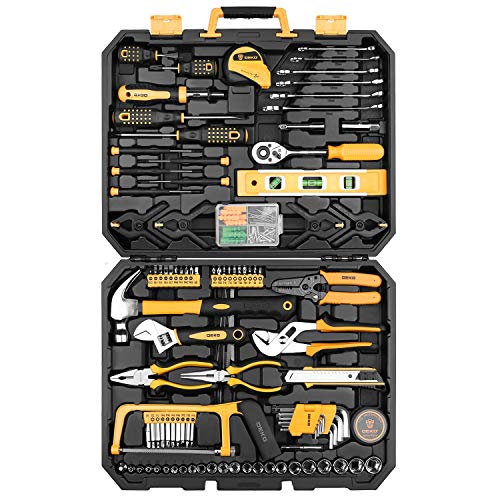
DEKOPRO 228 Piece Socket Wrench Auto Repair Tool Combination Package Mixed Tool Set Hand Tool Kit with Plastic Toolbox Storage Case
- High-Quality Steel Construction: Forged, chrome-finished, corrosion-resistant tools
- Complete DIY Tool Set: Includes tools for repairs and projects
- Versatile Tool Collection: Wrenches, ratchets, sockets, screwdrivers, and more
As an affiliate, we earn on qualifying purchases.