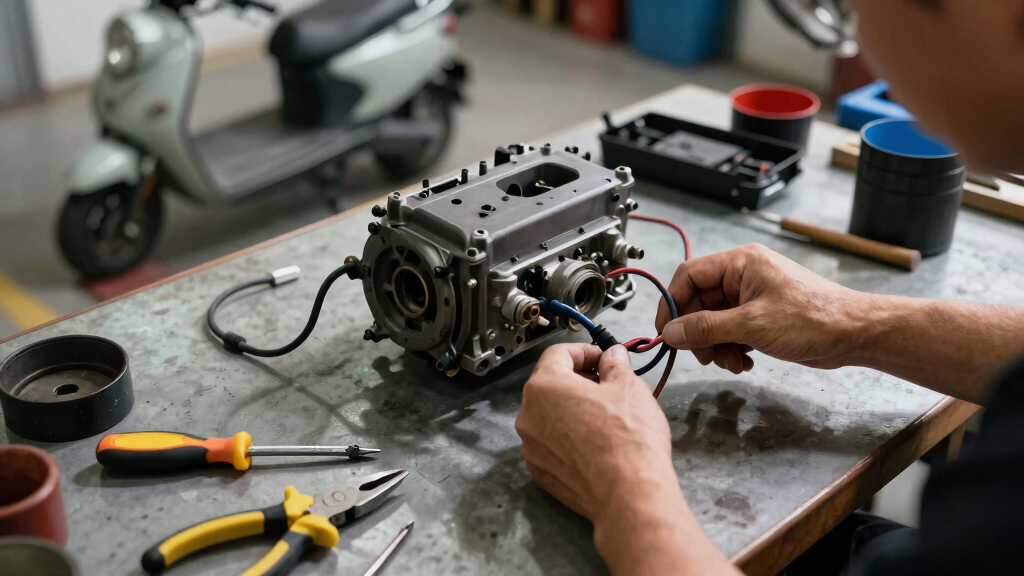
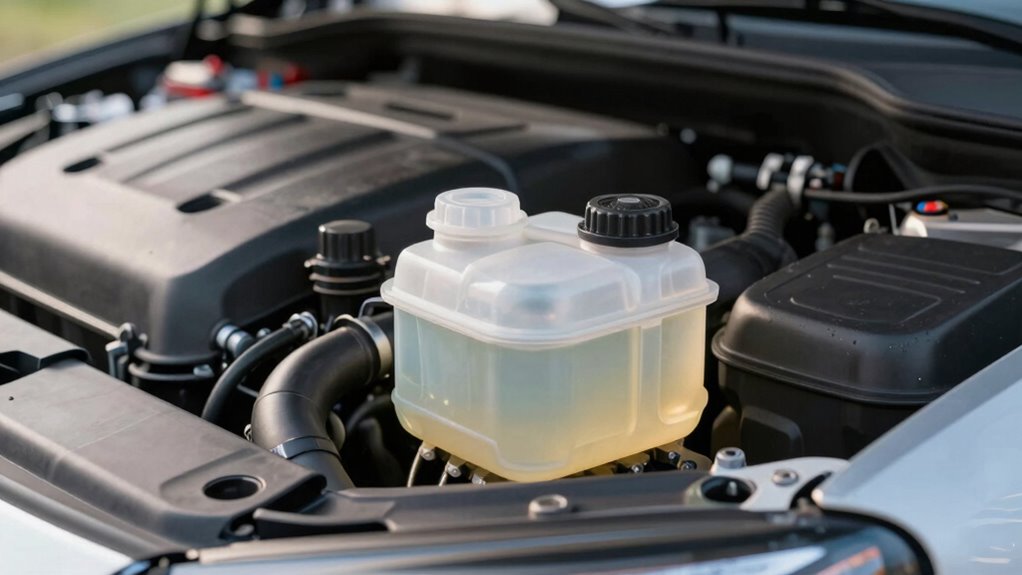
Just wondering if resetting adaptations after a fluid change is necessary? Continue reading to find out how it impacts your vehicle’s performance and longevity.
Browsing Category
Compatibility & Mixing
32 posts
Compatible With All Seals’ Claims: What That Usually Means
A claim of being “compatible with all seals” suggests broad testing and versatility, but understanding its true implications requires further exploration.
Seal Swell and Shrink: Why Some Fluids ‘Change’ Old Leaks
Meta description: “Many fluids can cause seal swell or shrink, leading to old leaks reappearing—discover how fluid interactions influence seal performance and what you can do.
When Mixing Is Safer Than Running Low: A Practical Risk Ranking
Imagine risking dangerous reactions by improvising when supplies run low; discover how proper risk ranking can keep you safe.
Mixing 2-Stroke Oils: What Changes (Smoke, Deposits, and More)
Just mixing 2-stroke oil and gas improperly can cause significant engine issues; discover how correct ratios can improve performance and reduce problems.
Can You Use Heavy-Duty Diesel Oil in Motorcycles? The Wet Clutch Catch
Diving into whether heavy-duty diesel oil suits motorcycle wet clutches reveals surprising risks you need to consider.
Switching Oil After Sludge: Why ‘High Detergent’ Isn’t a Free Win
Properly switching oil after sludge buildup requires caution, as high-detergent oils may do more harm than good without proper assessment—discover why.
Flushing ATF vs Drain-and-Fill: The Compatibility Risk People Miss
Just understanding the hidden risks of flushing ATF versus drain-and-fill can make all the difference in protecting your transmission’s health.
Break-In Additives: When They Interfere With Modern Oils
An often-overlooked issue is how traditional break-in additives can interfere with modern oils, potentially impacting engine performance and longevity; discover why caution is essential.
Oil Thickening Additives: Why They Hide Problems Better Than They Solve Them
An in-depth look at how oil thickening additives may mask engine issues rather than resolve them, revealing why understanding their true effects is essential.