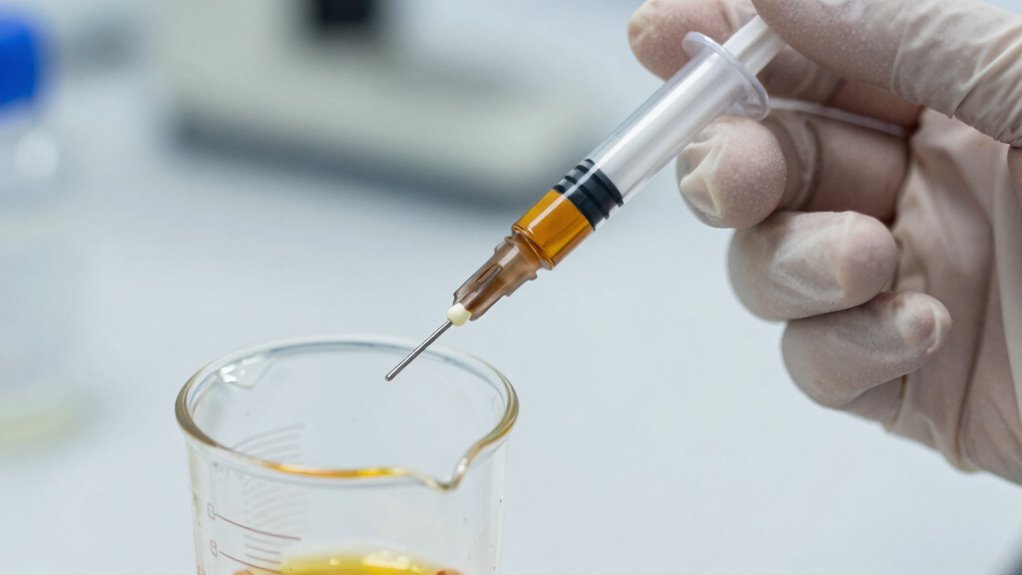
Discover how to sample oil correctly to ensure accurate lab results and avoid costly mistakes that could compromise your report’s quality.
Browsing Category
Oil Analysis & Diagnostics
9 posts
Particle Counts vs Spectrometry: Why Two ‘Clean’ Reports Can Disagree
Particle counts and spectrometry offer different insights into air quality; understanding their differences can explain why two reports may both claim areas are clean but tell different stories.
TBN Trend Watching: Why One Test Result Doesn’t Mean Much
Many single test results can be misleading; discover why tracking multiple results is essential for accurate insights.
Oxidation and Nitration Numbers: What They Suggest (and What They Don’t)
Gaining insight into oxidation and nitration numbers reveals their clues about electron transfer, but understanding their full implications requires delving deeper into chemical reactivity.
Viscosity Out of Grade: The 3 Root Causes That Show Up in Reports
Viscosity out of grade often points to three main issues you might…
Fuel Dilution in Lab Reports: When It’s ‘Normal’ vs a Red Flag
Just understanding when fuel dilution is normal versus a red flag can save your engine from costly damage; learn the key signs to watch for.
Silicon in Oil Reports: Dirt Ingestion vs Sealers (How to Tell)
Analyzing silicon in oil reports can reveal whether dirt ingestion or seal deterioration is causing contamination; understanding these signs is crucial for effective maintenance.
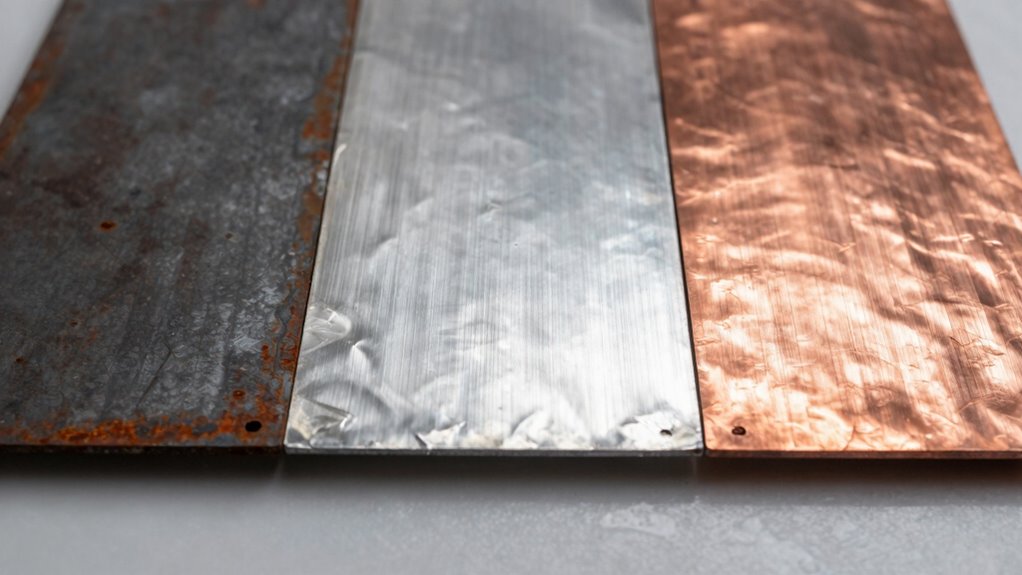
Wear Metals Cheat Sheet: Iron vs Aluminum vs Copper Explained
By understanding the differences between iron, aluminum, and copper in wear analysis, you can better identify early equipment issues—continue reading to learn more.
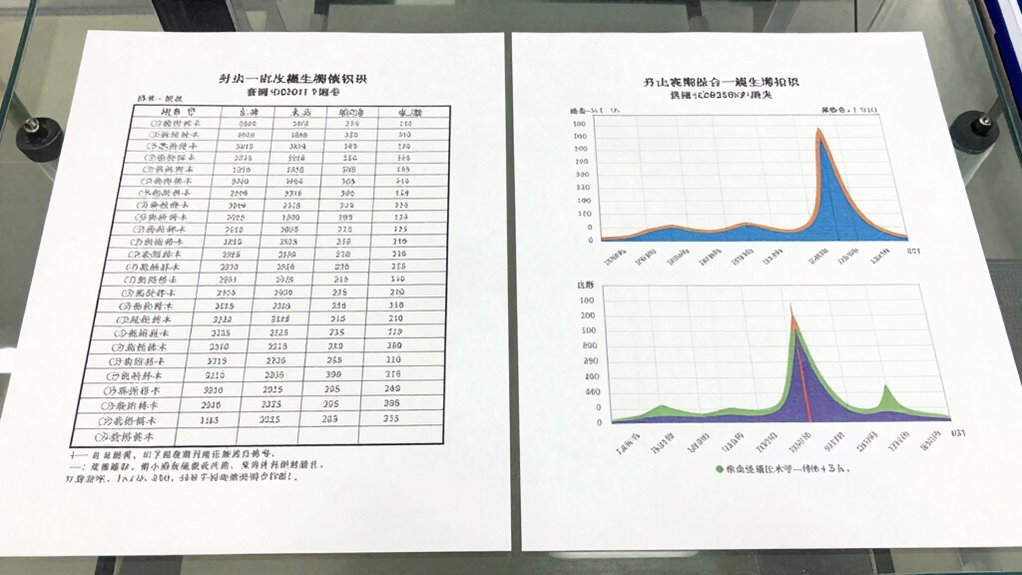
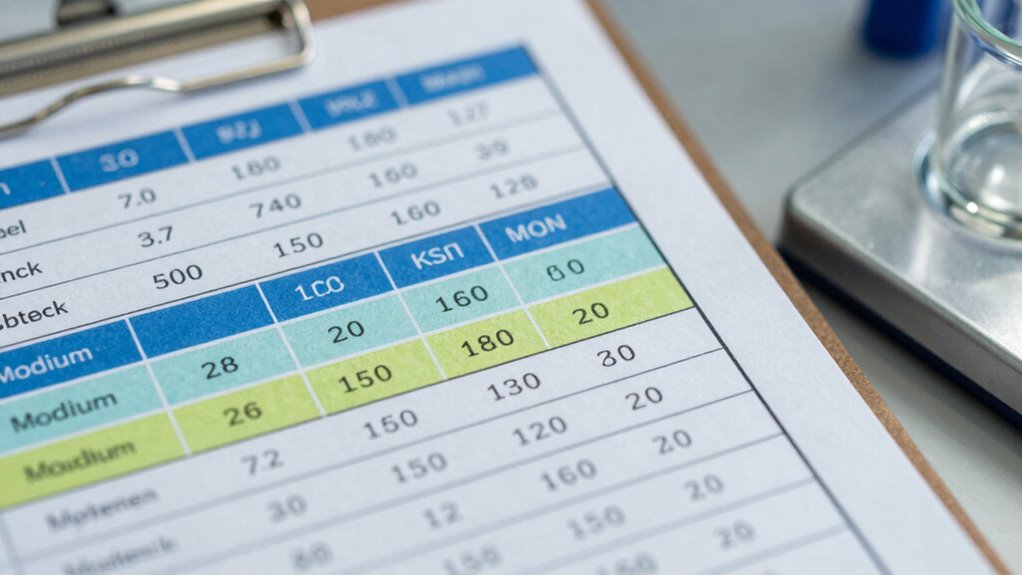
Used Oil Analysis 101: The One Page That Makes Reports Make Sense
Keen to decode used oil reports effortlessly? Discover how this one page simplifies understanding critical insights for optimal equipment maintenance.