
Fuel dilution in lab reports is normal during cold starts or short trips when fuel hasn’t fully vaporized, but if you see persistent high levels, it signals potential issues like faulty injectors or fuel system problems. Excessive fuel can lower oil viscosity, harm lubrication, and accelerate engine wear. Recognizing these patterns can help you take early action to prevent costly repairs—continue exploring to understand the signs and steps to address fuel dilution concerns.

Get business pricing on garage and car supplies
- Business-only prices and quantity discounts
- Tax-exempt purchasing
- Multiple users, one account, clear invoices
Key Takeaways
- Slight fuel presence during cold starts or short trips is typical; persistent high levels indicate a problem.
- Regular oil analysis helps distinguish normal minor fuel dilution from concerning contamination levels.
- Comparing fuel levels to engine-specific thresholds determines if readings are acceptable or alarming.
- Recurring high fuel dilution suggests issues like faulty injectors or fuel system leaks requiring attention.
- Isolated spikes may be benign, but consistent elevated fuel levels are red flags for potential engine damage.
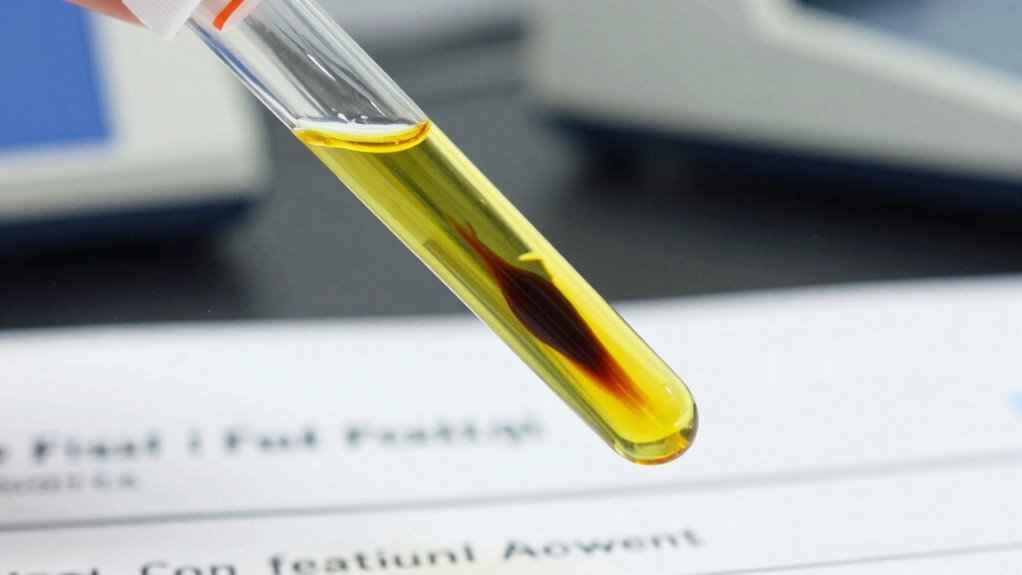
Fuel dilution in lab reports can substantially impact the accuracy of oil analysis results, yet it’s a common issue that many technicians overlook. When fuel mixes with your engine oil, it creates oil contamination that can mask the true condition of your engine. Detecting this early is vital because fuel in the oil not only skews wear metal readings and additive levels but also directly affects engine performance. If left unchecked, the presence of fuel can lead to misdiagnosis, unnecessary repairs, or overlooked problems that could worsen over time.
Understanding when fuel dilution is “normal” versus a red flag requires careful interpretation. Some level of fuel in the oil can occur during cold starts or short trips, especially in gasoline engines, because the fuel doesn’t fully vaporize or burn off. In these cases, a slight increase in fuel content might be temporary and expected. However, if lab reports consistently show elevated fuel levels beyond typical thresholds, it indicates more serious issues, such as faulty fuel injectors, problems with the fuel system, or improper engine tuning. Persistent fuel contamination reduces the oil’s lubricating properties, causing increased wear and tear on engine components, which can ultimately compromise engine performance.
Normal fuel in oil during cold starts is temporary; persistent high levels indicate serious engine issues.
You should pay close attention to the context of the fuel dilution level reported. A one-time spike might not be alarming, but recurring high readings suggest a problem that needs addressing. Excess fuel in the oil can dilute the oil’s viscosity, making it less effective at lubricating engine parts. This leads to increased metal wear, overheating, and potential engine damage over time. Recognizing this pattern early allows you to take corrective action—whether that’s fixing a leaking injector, adjusting fuel delivery, or performing a thorough engine inspection. Ignoring signs of persistent fuel contamination can result in costly repairs and reduced engine lifespan.
Regular oil analysis is your best tool for catching fuel dilution issues before they turn into major problems. When reviewing lab reports, look for abnormal fuel levels and compare them against baseline data for your specific engine type. It’s also important to understand the typical thresholds for your engine to determine what constitutes a concerning level. Remember, even small amounts of fuel contamination can have an outsized impact on engine performance if they go unnoticed. Ultimately, understanding the difference between normal fuel presence and red flags in oil analysis helps you maintain ideal engine health, prevent damage, and keep your vehicle running smoothly. By staying vigilant and interpreting lab results accurately, you can address oil contamination issues early and preserve the longevity of your engine.
As an affiliate, we earn on qualifying purchases.
Frequently Asked Questions
What Specific Symptoms Indicate Harmful Fuel Dilution in a Vehicle?
You’ll notice harmful fuel dilution if your engine starts knocking or experiences rough idling. You might also see increased fuel consumption, a decline in overall engine performance, or difficulty starting your vehicle. These symptoms indicate that fuel is mixing with the oil more than it should, leading to lubrication issues. If you observe these signs, it’s vital to have your vehicle inspected promptly to prevent further engine damage.
How Often Should Fuel Dilution Levels Be Monitored in Engines?
You should monitor fuel dilution levels regularly through engine oil analysis, ideally every 3,000 to 5,000 miles or during routine maintenance. Consistent checks help catch early signs of fuel system issues, prevent engine damage, and guarantee peak performance. By staying vigilant with fuel system maintenance and tracking fuel dilution trends, you can address problems promptly, saving money and extending your engine’s lifespan.
Can Fuel Dilution Cause Long-Term Engine Damage?
Fuel dilution can lead to long-term engine damage because it accelerates engine component wear and causes fuel system corrosion. When fuel mixes with oil, it reduces lubrication efficiency, increasing friction and wear on moving parts. Over time, this damage can result in costly repairs and decreased engine lifespan. Regularly monitoring fuel levels and addressing any dilution early helps prevent these issues and keeps your engine running smoothly.
What Are the Costs Associated With Diagnosing Fuel Dilution Issues?
Diagnosing fuel dilution issues involves costs related to fuel testing, which requires specialized lab analysis to determine contamination levels. You’ll also face maintenance costs if repairs or parts replacement are needed due to engine damage. These expenses can add up, especially if the problem persists over time. Regular testing helps catch issues early, potentially saving you money by preventing costly repairs and ensuring your engine runs efficiently.
Are There Any Preventive Maintenance Tips to Avoid Fuel Dilution?
To prevent fuel dilution, regularly inspect your fuel system for leaks or worn components. Follow a consistent maintenance schedule and guarantee proper fuel system operation. Conduct oil analysis periodically to detect early signs of fuel contamination. Keeping your fuel system in top shape helps avoid fuel mixing with oil, reducing engine wear and costly repairs. Staying proactive with maintenance can save you time and money in the long run.
As an affiliate, we earn on qualifying purchases.
Conclusion
Think of fuel dilution in lab reports like a warning light on your dashboard. When it’s ‘normal,’ it’s just a flicker that doesn’t threaten your engine’s health. But when it turns red, it’s a sign to stop and check things out before serious damage occurs. Stay vigilant, interpret the signals correctly, and don’t ignore the signs—your engine’s health depends on catching those red flags early, like a driver noticing a warning before a breakdown.
As an affiliate, we earn on qualifying purchases.
As an affiliate, we earn on qualifying purchases.
Fall Picks
fall essentials
As an affiliate, we earn on qualifying purchases.