The importance of proper used oil disposal cannot be overstated, as skipping key steps can have serious environmental and legal consequences—find out why it matters.
Browsing Category
Label & Documentation
29 posts
Why ‘Made In’ Doesn’t Tell You Who Formulated the Oil
Here’s why ‘Made In’ doesn’t tell you who formulated the oil and what you need to consider next.
When Two Bottles Share the Same Specs: How to Compare Without Brand Bias
Guided by material and design nuances, learn how to compare bottles beyond brands to choose the best fit for your lifestyle and values.
How to Save Your Manual Specs Digitally (So You Stop Re-Googling)
Meta description: Managing manual specs digitally can save you time and frustration—discover how to organize and access your documents effortlessly.
The Most Common Spec Typos on Labels (and How to Verify Them)
Spot the most common spec typos on labels and learn how to verify them to prevent costly errors before they reach consumers.
Why ‘Exceeds Requirements’ Is Rarely Specific Enough
Because vague claims like “exceeds requirements” lack precise metrics, understanding why detailed specifics are essential can improve clarity and credibility.
Understanding ‘Suitable For’ Language: Why It’s Not Proof
Understanding ‘Suitable For’ language is crucial because it often masks important details that can impact your decisions and legal safety.
Do ‘Racing’ Labels Mean Anything for Street Cars? Here’s How to Tell
Lurking behind racing badges on street cars may be misleading; discover how to tell if true performance upgrades back up the labels.
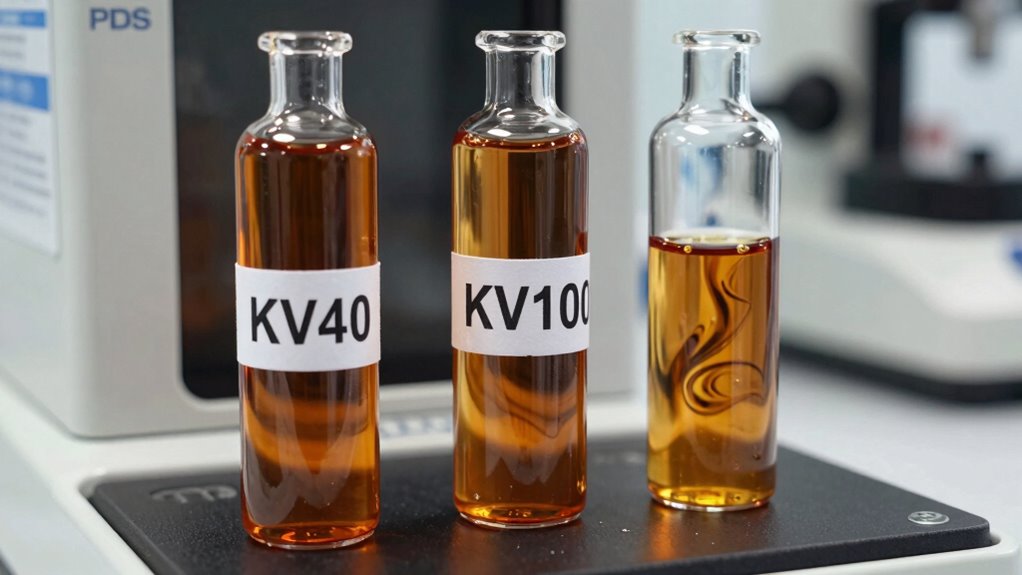
Reading Viscosity on a PDS: KV40, KV100, and What to Ignore
Optimizing viscosity readings on a PDS involves understanding KV40 and KV100 while ignoring minor fluctuations; discover how to ensure accurate measurements.
Certificates and ‘Letters’: What a Real Approval Document Usually Looks Like
Secure your understanding of authentic approval documents and discover what makes certificates and letters truly legitimate.