

Viscosity out of grade often points to three main issues you might see in reports: oil aging, contamination, or improper handling. Over time, oil breaks down and becomes thinner, indicating aging. Water or dirt entering the system can cause sudden viscosity changes, while contaminants like metal particles can thicken the oil or signal wear. Recognizing these root causes helps you pinpoint maintenance needs; exploring further reveals how to address these challenges effectively.

Get business pricing on garage and car supplies
- Business-only prices and quantity discounts
- Tax-exempt purchasing
- Multiple users, one account, clear invoices
Key Takeaways
- Oil aging causes molecular breakdown, leading to decreased viscosity and out-of-grade readings.
- Contamination from water, dirt, or debris alters oil composition, impacting viscosity levels.
- Water ingress creates emulsions that significantly reduce oil viscosity unexpectedly.
- Metal wear debris and dirt particles can thicken the oil or cause viscosity fluctuations.
- Viscosity out of grade indicates underlying issues like oil degradation or contamination needing prompt attention.
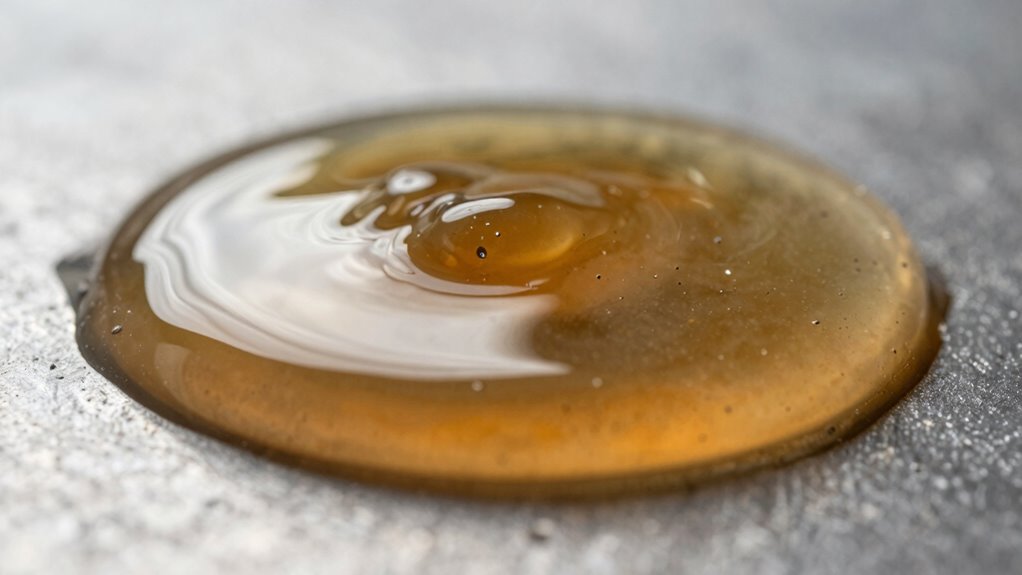
When the viscosity of a lubricant falls below its specified grade, it can lead to inadequate lubrication and increased wear on machinery. This drop often signals underlying issues that need immediate attention. One common cause is oil aging, which occurs over time as the lubricant is exposed to high temperatures, oxygen, and other environmental factors. As oil ages, its molecular structure breaks down, reducing its ability to maintain the proper film thickness needed to protect moving parts. This degradation leads to a thinner, less effective lubricant, causing the viscosity to fall out of grade and risking metal-to-metal contact.
Contamination sources also play a significant role in altering viscosity. Dirt, water, metal particles, and other debris can mix with the oil, changing its composition and flow characteristics. Water contamination, for instance, can cause a sudden decrease in viscosity, especially if it forms emulsions within the oil. Dirt and metal particles not only thicken the lubricant but can also accelerate wear by acting as abrasives. These contaminants often enter the system through poorly sealed fittings, leaks, or during oil top-offs with unfiltered supplies. Once inside, they compromise the oil’s integrity, making it less capable of providing effective lubrication.
You might notice viscosity out of grade reports during routine oil analysis, which serve as a vital diagnostic tool. These reports often highlight signs of oil aging, such as increased oxidation levels, or reveal the presence of contamination sources. For example, elevated water levels in the oil report could indicate a leak or inadequate sealing, while increased particulate counts might point to wear debris or dirt ingress. Recognizing these signs early helps you pinpoint the root cause before severe damage occurs. Regular monitoring and understanding oil properties can further aid in diagnosing issues related to viscosity changes.
Maintaining proper oil quality involves regular monitoring and timely changes. Using high-quality, properly filtered oil and ensuring seals are intact helps minimize contamination. Additionally, adhering to recommended oil change intervals prevents excessive oil aging, especially in high-temperature environments or machinery with extended operating hours. When oil analysis reports show viscosity out of grade, it’s a clear sign to review your maintenance practices and consider whether contamination sources are being adequately managed. Addressing these issues promptly prevents costly repairs, extends equipment life, and ensures machinery operates smoothly.
As an affiliate, we earn on qualifying purchases.
Frequently Asked Questions
How Can Viscosity Deviations Affect Machinery Performance?
Viscosity deviations can substantially impact your machinery’s performance by reducing lubrication efficiency, which leads to increased friction and heat. This causes accelerated equipment wear and potential failure. When viscosity is too low, lubricants don’t form a proper film, risking metal-to-metal contact. If it’s too high, it hampers flow, increasing strain on components. Maintaining proper viscosity guarantees ideal lubrication, minimizes wear, and keeps your equipment running smoothly.
What Are Common Testing Errors When Measuring Viscosity?
Imagine trying to hit a moving target; testing errors can be just as tricky. When measuring viscosity, you might misread due to faulty testing equipment or improper calibration. Operator training plays a crucial role—if you’re not familiar with the equipment’s nuances, errors creep in. Always guarantee your tools are calibrated correctly, and invest time in training to avoid these common pitfalls that skew your results.
Can Storage Conditions Impact Viscosity Stability?
Yes, your storage environment and container material can impact viscosity stability. If you store the fluid in a temperature-sensitive environment, it may cause viscosity fluctuations. Additionally, using incompatible container materials can lead to chemical interactions, altering the fluid’s viscosity over time. To maintain stability, keep storage conditions consistent, control temperature and humidity, and choose suitable, inert containers to prevent contamination or chemical reactions.
How Often Should Viscosity Be Re-Evaluated in Reports?
You should re-evaluate viscosity every 3 to 6 months, depending on your operation’s stability. Regular frequency assessment ensures early detection of viscosity changes, helping you prevent equipment issues. Adjust your reporting intervals based on oil usage, environmental factors, and manufacturer recommendations. Staying consistent with these checks allows you to maintain ideal lubrication, reduce downtime, and extend equipment life, making your maintenance proactive rather than reactive.
Are There Specific Additives That Influence Viscosity Readings?
Yes, certain additives can influence viscosity readings through additive impact and interactions. For example, viscosity modifiers or dispersants may increase or decrease viscosity depending on their concentration and compatibility with the base oil. It is crucial to monitor how these additives interact with each other and the oil, as additive interactions can lead to misinterpretations of viscosity reports, potentially masking underlying issues or causing inaccurate assessments.
As an affiliate, we earn on qualifying purchases.
Conclusion
Remember, a chain is only as strong as its weakest link. When your oil’s viscosity is out of grade, it signals underlying issues—be it contamination, incorrect grade, or temperature problems—that you can’t ignore. Address these root causes promptly to prevent costly equipment damage and downtime. Stay vigilant, because as the saying goes, “A stitch in time saves nine.” Keep a close eye on your reports, and you’ll keep your machinery running smoothly and efficiently.
As an affiliate, we earn on qualifying purchases.
oil filter and seal replacement kit
As an affiliate, we earn on qualifying purchases.
As an affiliate, we earn on qualifying purchases.
Fall Picks
fall essentials
As an affiliate, we earn on qualifying purchases.