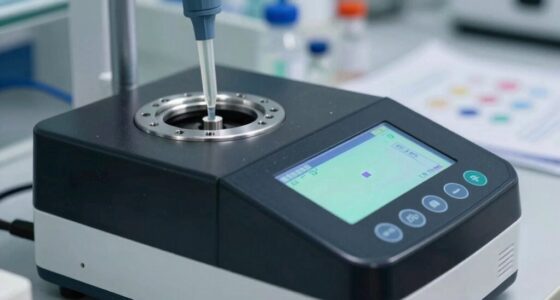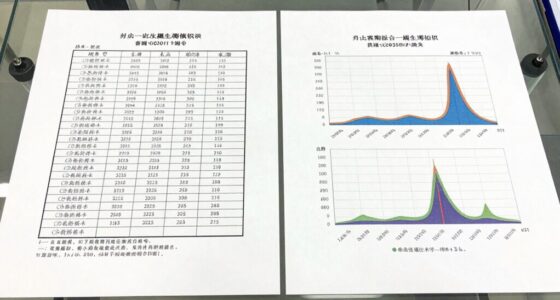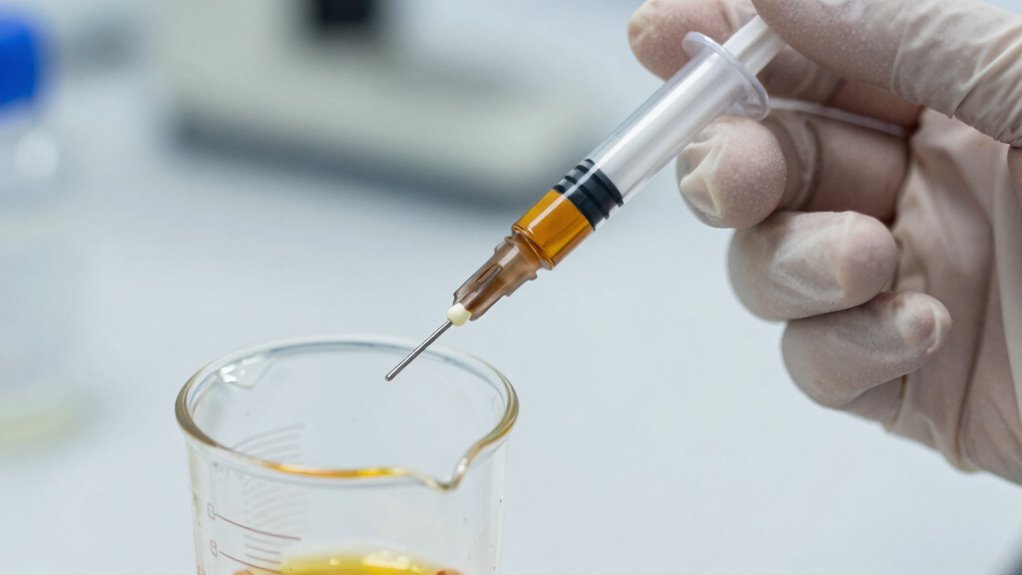

To guarantee your lab report is accurate, use clean, oil-specific containers and avoid residues. Collect samples from a spot that best represents the oil’s condition, steering clear of sediment-heavy areas. Use proper techniques with sterile tools, seal containers tightly, and label everything clearly. Transport samples promptly and store them correctly to prevent changes. Following these steps will help you get reliable results, and if you continue, you’ll discover even more tips for perfect sampling.

Get business pricing on garage and car supplies
- Business-only prices and quantity discounts
- Tax-exempt purchasing
- Multiple users, one account, clear invoices
Key Takeaways
- Use clean, oil-specific containers and thoroughly prepare them before sampling to prevent contamination.
- Collect samples from representative locations that reflect the overall oil condition, avoiding sediment buildup.
- Follow standardized sampling procedures with proper tools, sealing containers immediately after collection.
- Label samples accurately with date, time, location, and system details to ensure proper tracking.
- Transport samples promptly under controlled conditions to the lab to maintain sample integrity.
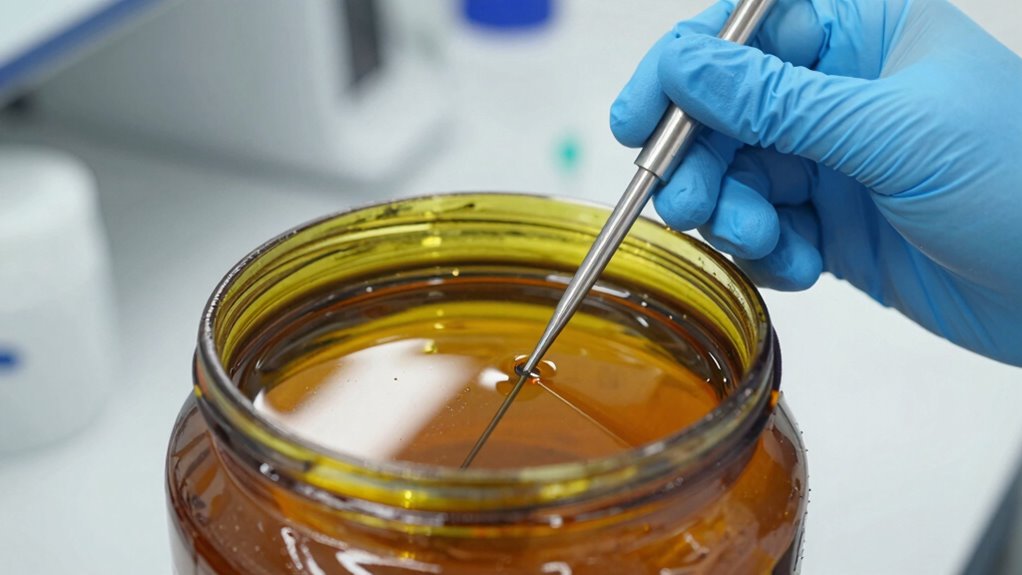
Have you ever wondered if you’re sampling oil correctly? Proper sampling is crucial to guarantee your lab report accurately reflects the oil’s true condition. One of the key reasons this matters is quality control; a proper sample gives you reliable data, helping you make informed decisions about the oil’s performance, cleanliness, and lifespan. Additionally, following correct procedures helps prevent contamination, which can skew results and lead to faulty conclusions. Contamination prevention is critical because even tiny impurities or residues can distort test outcomes and undermine your confidence in the data.
Proper sampling ensures accurate lab results, reliable data, and prevents contamination for optimal oil analysis.
To start, always use clean, appropriate containers designed specifically for oil sampling. Avoid reusing containers that have held other substances, as residual contaminants can interfere with your analysis. Before sampling, thoroughly clean and dry the container to eliminate any particles or residues. When collecting the sample, ensure you’re taking it from a representative part of the oil reservoir or system. This means sampling from a location that accurately reflects the overall oil condition, avoiding areas where sediments or debris might settle. If your system has multiple points, consider taking samples from different spots to get a thorough understanding. Using proper sampling techniques ensures consistency and accuracy in your results.
Make sure you follow a standardized sampling technique; deviations can introduce errors. Use clean tools, such as syringes or sampling valves, to draw the oil. Insert the tool gently to avoid disturbing sediments at the bottom of the tank, which could contaminate your sample. When filling the container, leave some headspace to prevent overfilling and spillage. Seal the container immediately once filled to prevent exposure to air, moisture, or airborne contaminants. Proper sealing is essential in contamination prevention, maintaining sample integrity until it reaches the lab.
Label your sample clearly with relevant information—date, time, location, and system details—to track its origin and ensure proper documentation. Transport the sample to the lab promptly, ideally under controlled conditions like refrigeration if required, to prevent any changes in oil composition during transit. Remember, delays or improper storage can alter your sample, affecting the accuracy of your analysis.
As an affiliate, we earn on qualifying purchases.
Frequently Asked Questions
How Often Should I Calibrate My Sampling Equipment?
You should calibrate your sampling equipment regularly—at least once a month or more often if you notice inconsistencies. Consistent calibration guarantees sampling accuracy and reliable results. Keep up with equipment maintenance by checking calibration standards and performing routine tests. Proper calibration minimizes errors, improves data quality, and maintains confidence in your lab reports. Don’t wait until problems arise; proactive calibration is key to accurate, dependable sampling.
What Temperature Should the Oil Be During Sampling?
You should sample the oil at a temperature around 15 to 25°C (59 to 77°F) to guarantee temperature control and sampling accuracy. Consistently maintaining this temperature range prevents oil viscosity issues that could skew your results. Use a thermometer to verify the temperature before sampling, and make sure the oil is well-mixed. Proper temperature control helps produce reliable lab reports and accurate analysis of your oil sample.
Can I Reuse Sample Containers for Oil Testing?
You can reuse sample containers for oil testing, but only if you thoroughly clean them to prevent contamination. Think of it as killing two birds with one stone—saving money and reducing waste. Always sterilize containers properly between uses, as contamination prevention is key to accurate results. If in doubt, use fresh containers to ensure your sample’s integrity, because a clean start paves the way for reliable lab reports.
How Do I Prevent Contamination During Sampling?
To prevent contamination during sampling, you should carefully follow proper sampling techniques, such as using clean, sterile containers and wearing gloves. Avoid contamination sources like dirt, dust, or residual chemicals by ensuring containers are thoroughly cleaned and sealed immediately after collecting the sample. Always handle samples carefully, minimizing exposure to environmental factors, and transport them promptly to the lab to maintain integrity and accuracy in your results.
What Are the Best Storage Conditions for Oil Samples?
You should store oil samples in airtight, dark containers at consistent, cool temperatures, ideally between 0°C and 4°C. This helps maintain oil stability and prevents oxidation or degradation. Keep samples away from direct sunlight and heat sources to guarantee proper sample preservation. Proper storage conditions are essential, as they preserve the integrity of your oil, leading to accurate analysis and reliable lab results.
As an affiliate, we earn on qualifying purchases.
Conclusion
By mastering proper sampling techniques, you’re guiding your lab report through a clear, untainted stream of data—like steering a steady boat through calm waters. When you handle your samples carefully, you’re shielding your results from the chaos of contamination and inconsistency. Think of it as planting a seed in fertile soil; what you put in determines what grows. Do it right, and your report will flourish with accuracy, shining like a beacon of trust in your work.
laboratory sample sealing containers
As an affiliate, we earn on qualifying purchases.
As an affiliate, we earn on qualifying purchases.
oil analysis sample transport kit
As an affiliate, we earn on qualifying purchases.
As an affiliate, we earn on qualifying purchases.
Fall Picks
fall essentials
As an affiliate, we earn on qualifying purchases.