
When analyzing silicon in oil reports, look for patterns to distinguish the source. A sudden spike with visible dirt or increased particulates typically indicates external dirt ingestion, often due to poor filtration. Conversely, a slow, steady increase without dirt particles suggests seal deterioration, allowing internal contaminants to seep in. Monitoring these trends and their context helps pinpoint the cause. Keep exploring to uncover more tips for accurate diagnosis and effective maintenance.

Get business pricing on garage and car supplies
- Business-only prices and quantity discounts
- Tax-exempt purchasing
- Multiple users, one account, clear invoices
Key Takeaways
- A sudden silicon spike accompanied by visible dirt suggests external contamination from dirt ingestion.
- Gradual silicon increases without dirt particles often indicate internal contamination from seal deterioration.
- The presence of silicon with increased particulate counts and debris points to external ingress.
- Silicon levels rising alongside seal wear indicators and additive depletion suggest seal failure as the source.
- Monitoring silicon patterns over time helps differentiate between external dirt ingress and internal seal-related contamination.
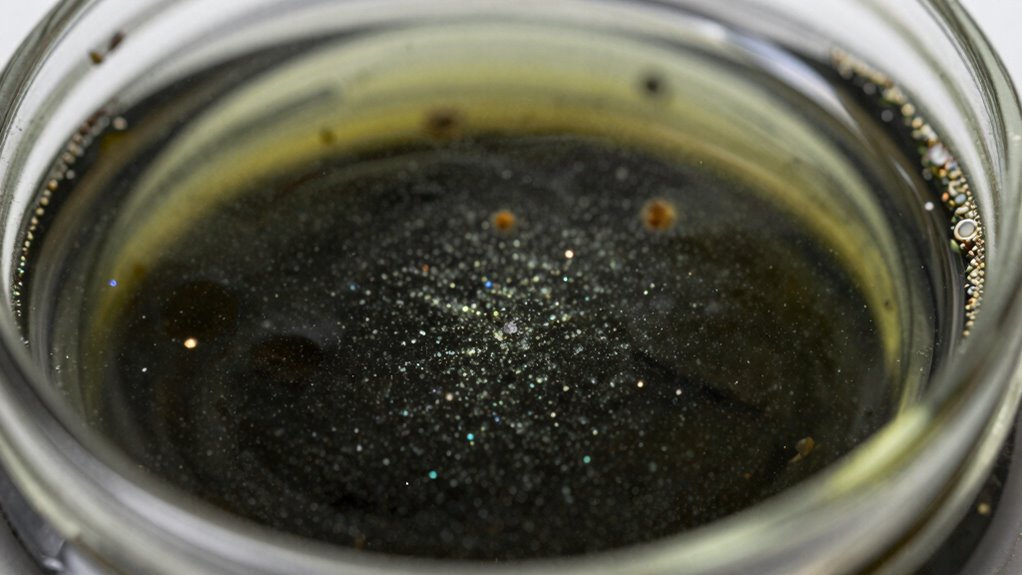
Silicon in oil reports provide essential insights into the presence and levels of silicon contaminants in lubricants and hydraulic fluids. When you review these reports, you’ll notice silicon levels fluctuate depending on the contamination sources. Understanding whether dirt ingestion or seal deterioration causes the silicon presence can help you accurately diagnose issues and implement effective maintenance strategies. During oil analysis, you’ll often see silicon as a marker of external contamination, but distinguishing between dirt ingestion and seal leaks requires careful interpretation.
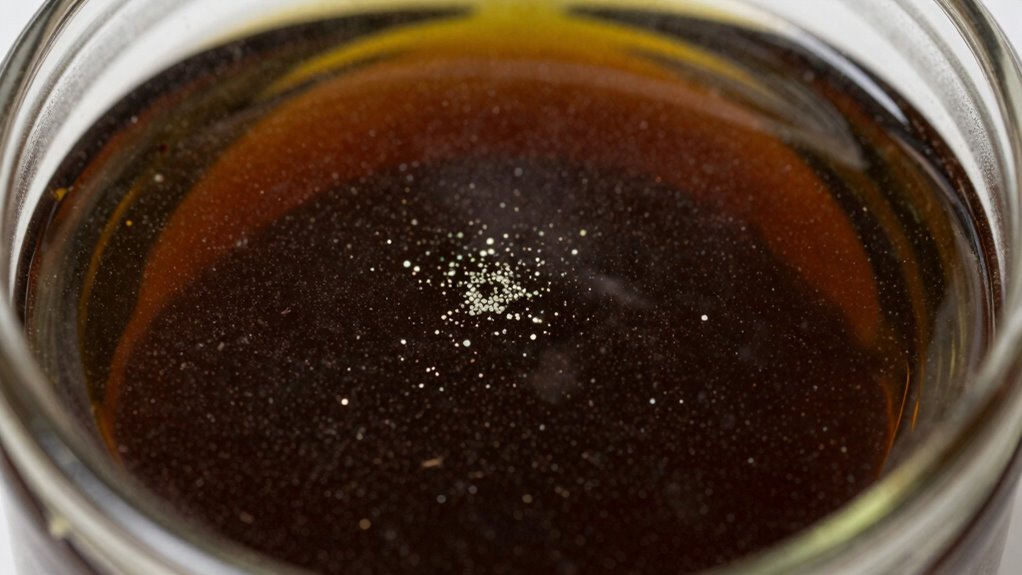
If you observe a sudden spike in silicon levels along with dirt particles in the oil analysis, it usually indicates contamination from external sources, such as airborne dust or dirt entering the system. This scenario is common in environments with poor filtration, frequent open-door operations, or during maintenance activities that expose equipment to debris. In such cases, the contamination source is external, and sealing systems are likely intact. The key is to look for other signs of dirt ingestion, like increased particulate counts or visual inspection revealing debris around seals.
On the other hand, if silicon levels gradually increase over time without a corresponding rise in dirt particles, it points toward internal contamination, often from seal failures. When seals deteriorate, they allow dirt, dust, and other contaminants to seep inside, but the silicon content may originate from the seal materials themselves. Silicone-based sealants or elastomers can shed particles that show up in oil analysis as elevated silicon levels. In this scenario, the contamination source is internal, and the problem lies with the sealing system’s degradation rather than external ingress.
A vital aspect of oil analysis is paying attention to the pattern and context of silicon readings. If the silicon level climbs in tandem with other signs of seal wear—such as increased moisture or additive depletion—it suggests seal deterioration. Conversely, if silicon spikes are accompanied by increased particulate counts and external debris, dirt ingestion is likely the culprit. Regular monitoring and comparing trends over time help you pinpoint the contamination source with greater confidence.
Additionally, understanding contamination sources can enhance your diagnostic accuracy by correlating silicon levels with environmental and operational factors. Ultimately, identifying whether silicon in oil reports stems from dirt ingestion or seal failure hinges on a combination of oil analysis data, visual inspections, and understanding your operating environment. Recognizing these distinctions allows you to target corrective actions more precisely—whether that’s improving filtration, sealing system maintenance, or addressing environmental exposure. By interpreting silicon levels accurately, you can prevent costly downtime and extend your equipment’s lifespan.
As an affiliate, we earn on qualifying purchases.
Frequently Asked Questions
Can Silicon Levels Indicate Imminent Equipment Failure?
Silicon detection can indicate potential equipment issues, but it doesn’t necessarily signal imminent failure. Elevated silicon levels often result from contamination sources like dirt ingestion or sealers breaking down. If you notice rising silicon levels, it’s a sign to investigate contamination sources and monitor trends closely. Addressing contamination early helps prevent larger problems, but silicon alone isn’t a definitive predictor of imminent failure; look for consistent upward trends and other symptoms.
How Does Silicon Impact Oil Filter Performance?
Silicon can reduce your oil filter’s efficiency by clogging the filter media with fine particles, making it harder to trap dirt effectively. This buildup may lead to decreased additive compatibility, potentially causing chemical reactions that degrade oil quality. To maintain peak filter performance, monitor silicon levels regularly, and consider using filters designed to handle higher silicon content, ensuring your system stays clean and protected longer.
Are There Specific Oils More Prone to Silicon Contamination?
Think of oil like a sponge soaking up everything around it. Some oils, especially those with complex additive packages or certain base stocks, are more prone to silicon contamination due to their composition. Contamination sources like dirt ingress or sealers can introduce silicon, but oils with high levels of certain antioxidants or viscosity modifiers might attract more silicon particles. Always check the oil’s formulation and handling to minimize contamination risks.
What Maintenance Practices Reduce Silicon Ingress?
You can reduce silicon ingress by regularly replacing or upgrading filters to prevent filter contamination. Guarantee proper sealing of components to minimize dirt entry and maintain cleanliness during maintenance. Use high-quality oils with additives that resist contamination and don’t accelerate filter clogging. Additionally, implementing a strict maintenance schedule and monitoring oil condition helps catch issues early, preventing silicon buildup and safeguarding your equipment’s performance.
Can Silicon in Oil Affect Other Engine Components?
Ever wondered if silicon contamination can impact your engine? It definitely can, especially if it builds up over time. Silicon in oil can cause wear and clogging in critical components, and it may interfere with oil additive compatibility, reducing lubrication effectiveness. This contamination can accelerate engine wear, damage seals, and affect overall performance. Regular oil analysis helps catch silicon early, preventing costly repairs and ensuring your engine runs smoothly longer.
As an affiliate, we earn on qualifying purchases.
Conclusion
Think of your engine oil like a clear pond. Silicon particles are like tiny leaves drifting on the surface, sometimes from dirt ingestion or sealers. When you see them in the report, it’s like spotting leaves—knowing whether they came from a gust of wind or a branch falling nearby helps you decide your next steps. By understanding the source, you can protect your engine’s pond, keeping it clean and healthy for the long swim ahead.
As an affiliate, we earn on qualifying purchases.
hydraulic fluid contamination tester
As an affiliate, we earn on qualifying purchases.
As an affiliate, we earn on qualifying purchases.
Fall Picks
fall essentials
As an affiliate, we earn on qualifying purchases.