
When fluids interact with seals, they can cause them to swell or shrink, changing their size and shape. Swelling often happens when the seal material absorbs chemicals or reacts with the fluid, which can lead to excess tightness or deformation. Shrinkage occurs if the seal dries out or loses moisture, creating gaps and leaks. Understanding these changes helps explain why old leaks sometimes reappear, and exploring further reveals how to better select and maintain seals for your system.

Get business pricing on garage and car supplies
- Business-only prices and quantity discounts
- Tax-exempt purchasing
- Multiple users, one account, clear invoices
Key Takeaways
- Certain fluids cause seal materials to absorb or react, leading to swelling or shrinking.
- Swelling can increase seal size and pressure, potentially worsening leaks or causing deformation.
- Shrinkage creates gaps and voids, resulting in leaks and reduced sealing effectiveness.
- Compatibility issues between seal materials and fluids accelerate deterioration, affecting leak integrity.
- Proper material selection and regular inspection help prevent leaks caused by fluid-induced seal changes.
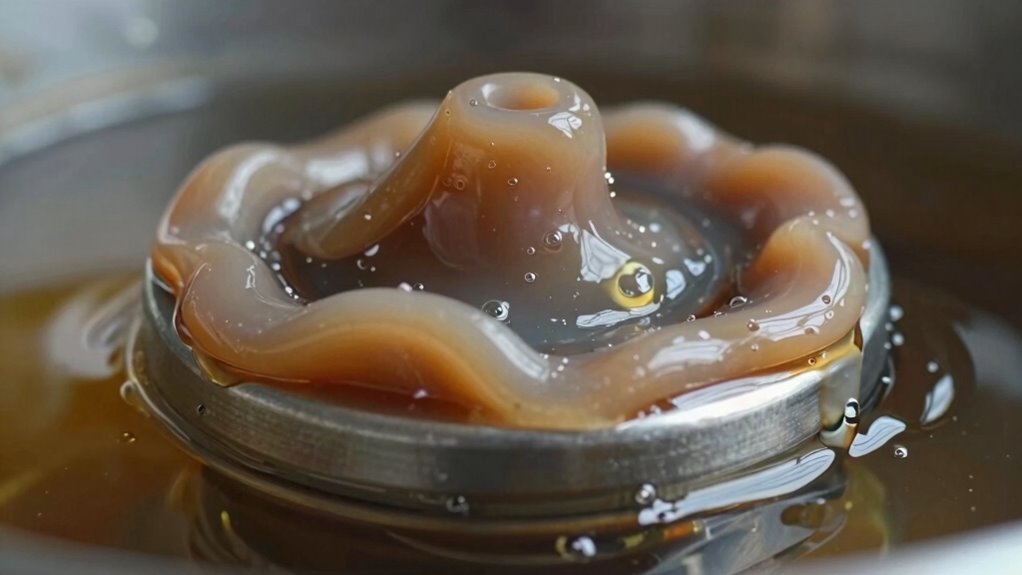
Have you ever wondered why seals swell or shrink? It’s a common question for anyone dealing with machinery or plumbing systems. The answer often lies in the interaction between the seal material and the fluid it contacts. Seals are made from various materials, each with its own properties, and their performance heavily depends on fluid compatibility. When a seal encounters a fluid that it’s compatible with, it usually maintains its shape and size. But if the fluid isn’t compatible, it can cause the seal to swell or shrink, impacting its sealing ability.
Seals are designed to provide a tight barrier to prevent leaks, but their effectiveness depends on the right seal material for the specific environment. For example, rubber seals made from nitrile or Viton are chosen for their resistance to oils and fuels, while others like silicone are better suited for high-temperature applications. When a seal material is compatible with the fluid it contacts, it resists swelling and degradation. But if the fluid is incompatible, the seal can absorb the fluid or react chemically, leading to swelling. This swelling increases the seal’s size, which might cause it to become too tight, leading to excessive pressure, or it could cause distortion and leaks.
Choosing the right seal material prevents swelling, degradation, and leaks caused by fluid incompatibility.
Conversely, some fluids cause seals to shrink. When a seal material isn’t compatible, it can lose its flexibility or shrink as it reacts or dries out. Shrinkage creates gaps or voids, which compromise the seal’s effectiveness. You might notice leaks or reduced system pressure. The key to avoiding these issues is selecting a seal material that’s compatible with the fluids it will contact. Manufacturers often specify fluid compatibility charts, helping you choose the right seal material for your application. This guarantees the seal will perform reliably over time, resisting swelling or shrinking caused by chemical reactions or absorption.
Understanding fluid compatibility is vital because it directly affects the longevity and reliability of your seals. If you use the wrong material, you risk premature failure, leaks, and costly repairs. Regular inspections can help catch signs of swelling or shrinkage early, allowing you to take action before a small problem becomes a major failure. Ultimately, choosing the right seal material based on fluid compatibility keeps your system running smoothly, saving you time, money, and frustration. So, next time you’re replacing a seal, consider not just its size and shape but also whether it’s made from a material suited for the fluids it will encounter. That small step can make a big difference in maintaining an efficient and leak-free system. Additionally, understanding the properties of hydrotherapy can help in designing systems for therapeutic purposes that use water’s natural benefits to promote healing and relaxation.
seal material compatibility chart
As an affiliate, we earn on qualifying purchases.
As an affiliate, we earn on qualifying purchases.
Frequently Asked Questions
Do All Fluids Cause Seal Swell or Shrink?
Not all fluids cause seal swell or shrink. Synthetic oils, for instance, often promote better seal compatibility and less shrinkage over time. Some fluids, like certain petroleum-based oils, can cause seals to swell, while others might lead to shrinkage and leaks. You should choose the right fluid for your seals to avoid damage. Always check manufacturer recommendations to confirm compatibility, preventing unnecessary wear or leaks.
How Quickly Can Seal Swelling or Shrinking Occur?
Imagine a whisper of fluid meeting a seal, then swelling or shrinking in seconds or minutes. It all depends on material compatibility and seal design. Some seals respond quickly to fluid changes, while others take longer. If you use compatible materials, swelling can happen almost instantly, sealing leaks tight. Conversely, incompatible fluids may cause slower shrinkage or no change at all, risking long-term seal failure.
Are Seal Swell and Shrink Permanent Changes?
Seal swell and shrink aren’t necessarily permanent changes. They depend on seal compatibility and chemical stability with the fluid involved. If the fluid causes the seal to swell, it might revert once exposure stops, but persistent chemical reactions can cause lasting damage. Regularly check for signs of deterioration, and choose seals specifically designed for your fluid to prevent long-term issues. Proper maintenance guarantees your seals stay effective over time.
Can Seal Swelling Be Prevented?
Yes, you can prevent seal swelling by ensuring seal material compatibility with the fluid you’re using. Choose seals made from materials resistant to the specific fluid to avoid swelling issues. Additionally, implementing seal design improvements, like better fit and proper lubrication, helps reduce swelling risks. Regular maintenance and monitoring can also catch early signs of swelling, allowing you to address problems before they cause leaks or damage.
Does Temperature Affect Seal Swell and Shrink?
Yes, temperature affects seal swell and shrink, acting like a puppeteer pulling on a string. As temperatures rise, thermal expansion causes the fluid to expand, sometimes making seals swell or shrink if the material isn’t compatible. You need to take into account material compatibility to prevent unwanted changes; otherwise, fluctuating temperatures can turn your sealed system into a rollercoaster ride of leaks and failures.
As an affiliate, we earn on qualifying purchases.
Conclusion
So, next time you see a leak, remember it’s like a dance of fluids—some swell up like a balloon, sealing gaps tight and proud, while others shrink away, leaving cracks exposed. Understanding this tug-of-war helps you keep your systems in harmony, preventing minor drips from becoming floods. It’s a delicate ballet of molecules, constantly shifting and adapting, reminding you that even the smallest changes can have a big impact on what’s sealed and what’s spilled.
As an affiliate, we earn on qualifying purchases.
As an affiliate, we earn on qualifying purchases.
Fall Picks
fall essentials
As an affiliate, we earn on qualifying purchases.