
Mixing gear oils can be safe if the oils are compatible, such as same type, brand, or meet the same specifications. However, don’t mix incompatible oils or different types, like synthetic with mineral, as it can cause damage, sludge, and decreased lubrication. If you’re unsure, it’s best to do a complete drain and refill. To avoid costly issues, find out more about when mixing is okay and when it’s best to avoid.
Key Takeaways
- Mixing identical synthetic gear oils of the same specification may be acceptable temporarily, but full drain is recommended for safety.
- Combining different brands or types of incompatible gear oils can cause chemical reactions, sludge formation, and component damage.
- Always verify compatibility by checking labels or manufacturer guidelines before mixing or topping off gear oils.
- Mixing oils with different viscosities or additive packages can reduce lubrication effectiveness and accelerate wear.
- Conduct a complete drain and refill if there’s any doubt about oil compatibility or if signs of contamination or breakdown appear.
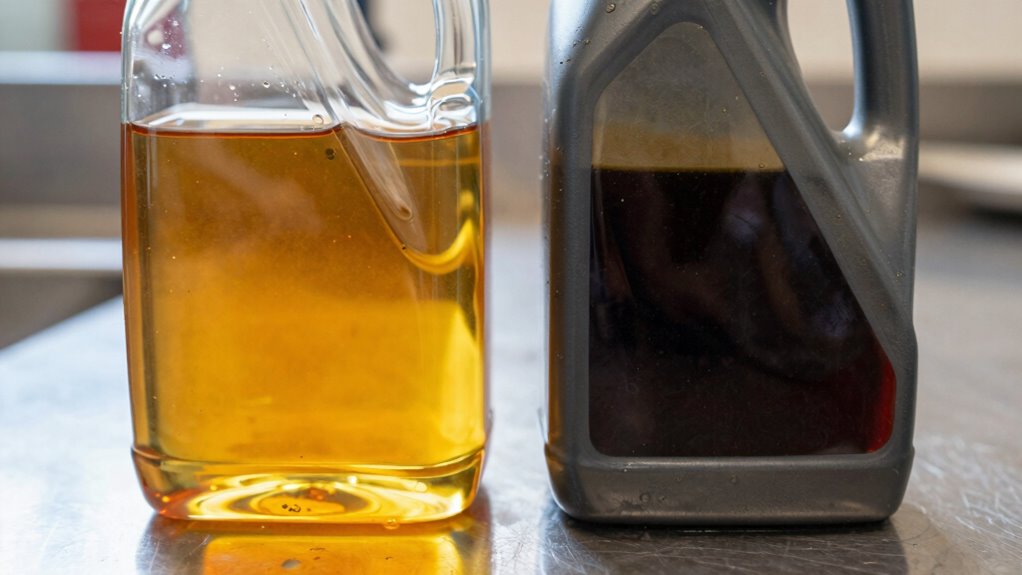
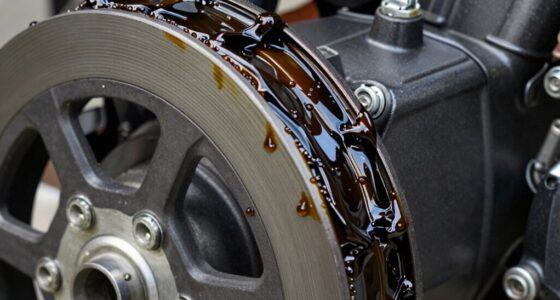
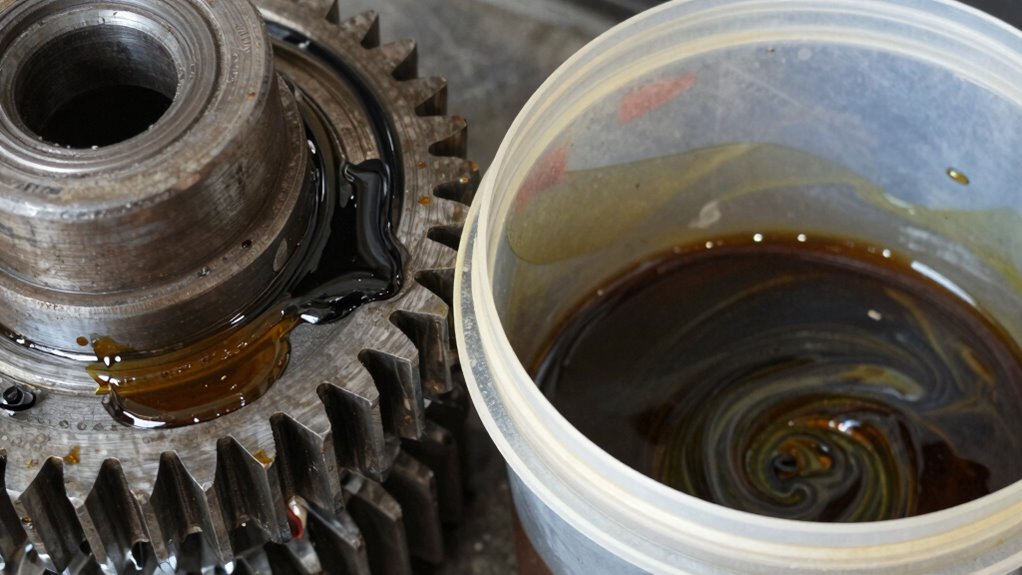
Mixing gear oils might seem simple, but it can cause serious issues with your vehicle’s transmission or differential. The main concern is lubrication compatibility: not all gear oils are formulated the same way, and combining different types can lead to unexpected reactions. Some oils contain additives that are incompatible with others, which can compromise the oil’s ability to lubricate effectively. When mixed, these incompatible additives might settle out or react chemically, creating sludge or varnish that clogs gears and bearings. This contamination risk can accelerate wear and even cause component failure, leading to costly repairs down the line.
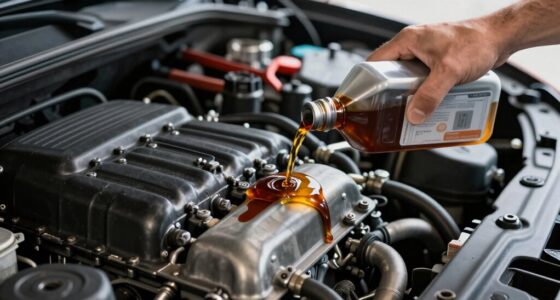
You might think that topping off your gear oil with whatever is available is no big deal, but that’s a misconception. Even small amounts of incompatible oils can dilute the additive package designed for your vehicle, reducing its effectiveness. For example, mixing synthetic gear oil with mineral oil can alter viscosity and lubrication properties, potentially leading to increased friction and heat. Over time, this can cause the oil to break down faster, losing its protective qualities. Always check the labels or consult your vehicle’s manual before adding oil. Using the correct type is vital to maintaining ideal lubrication and avoiding contamination risks.
Mixing incompatible gear oils can reduce lubrication effectiveness and cause damage over time. Always check labels first.
In some cases, mixing gear oils can be acceptable, but only if they are of the same family or meet the same specifications. For instance, blending different brands of the same synthetic gear oil grade might not cause immediate problems, but it’s still best to stick with a single product. If you’re unsure, it’s safer to drain the old oil completely and refill with a fresh, compatible product. This ensures that you’re not introducing potential contaminants or incompatible additives into your system. Remember, the goal is to maintain a clean, stable environment within your transmission or differential to guarantee smooth operation and longevity.
Additionally, understanding the importance of lubrication compatibility can help prevent costly mistakes. Ultimately, avoiding mixing gear oils unless you’re certain they’re compatible is the best practice. Regularly checking your oil level and quality helps catch issues early before contamination or lubrication failures develop. If you notice metal shavings or a burnt smell, it’s a sign you may have mixed incompatible oils or that the oil has broken down. In these cases, a complete drain and refill with the recommended gear oil is the safest route. Proper lubrication and avoiding contamination risks will keep your vehicle’s transmission running smoothly and extend its lifespan.

Cyclemax Three Pack Compatible with Kawasaki KPO Gear Oil with Limited Slip K6103G-103-01Q Contains Three Quarts and a Funnel
K63G-104-01Q – Supersedes K6103G-103-01Q
As an affiliate, we earn on qualifying purchases.
As an affiliate, we earn on qualifying purchases.
Frequently Asked Questions
Can Mixing Different Brands of Gear Oil Cause Damage?
Mixing different brands of gear oil can cause damage if their brand compatibility isn’t clear, especially due to additive effects. These additives might react negatively, reducing lubrication or causing corrosion. To avoid risks, stick to the same brand and type whenever possible. If mixing is unavoidable, verify the oils are compatible by checking their specifications and additives. Better safe than sorry, so always follow your vehicle or equipment manufacturer’s recommendations.
How Long Does Mixed Gear Oil Last Before Degrading?
Think of mixed gear oil like a delicate symphony—its oil stability depends on how well the ingredients harmonize. Typically, it lasts a few months before contamination risks and breakdowns start to appear. The exact time varies based on usage, temperature, and initial oil quality. To keep your gear system running smoothly, avoid long-term mixing, and always check for signs of degradation before topping off or replacing.
Is There a Safe Way to Blend Gear Oils at Home?
You shouldn’t try blending gear oils at home because DIY safety risks and mixing hazards can lead to equipment damage or health issues. If you must, wear protective gear, measure carefully, and verify compatibility of oils. Always consult your vehicle’s manual or a professional first. Mixing gear oils without proper knowledge can cause degradation or poor lubrication, so it’s safest to buy the right type or seek expert advice rather than risking DIY mistakes.
What Are the Signs of Incompatible Gear Oil Mixing?
Imagine a vintage jukebox stuttering—mixing incompatible gear oils can cause similar issues. Signs include oil separation, where layers don’t blend smoothly, and additive interference, leading to decreased lubrication. You might notice increased noise, overheating, or gear wear. If these symptoms appear after mixing oils, it’s a clear sign they’re incompatible. Always check compatibility before blending, as improper mixing can jeopardize your equipment’s performance and longevity.
Can Mixing Gear Oils Void the Manufacturer’s Warranty?
Mixing gear oils can indeed void your manufacturer’s warranty because it may violate warranty implications and manufacturer restrictions. If the manufacturer specifies specific gear oil types or brands, using a different or mixed oil could lead to coverage denial if issues arise. Always check your vehicle’s warranty guidelines, and when in doubt, consult your manufacturer or a professional mechanic before mixing or changing gear oils.

Valvoline SynPower SAE 75W-90 Full Synthetic Gear Oil 1 GA
Helps provide outstanding thermal stability for cleanliness and longer service life
As an affiliate, we earn on qualifying purchases.
As an affiliate, we earn on qualifying purchases.
Conclusion
Mixing gear oils might seem harmless, but it’s not always a good idea. Some experts say it’s okay if you’re using similar viscosities and brands, but others warn it can cause inconsistent lubrication and damage over time. The truth is, mixing oils can sometimes be safe, but it’s best to stick to manufacturer recommendations. When in doubt, consult your vehicle’s manual or a professional to keep your gears running smoothly and avoid costly repairs.
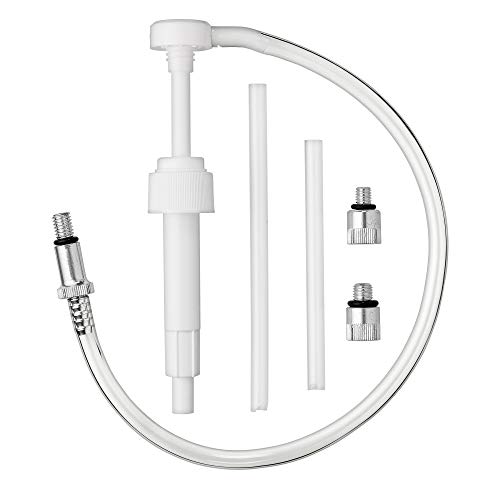
Slippery Pete – Lower Unit Gear Oil Pump for Standard Quart Bottles, Includes 3/8 inch Metal Swivel, 8mm and 10mm Adapters Fit Most Marine Boat Outboard Motors (NOT COMPATIBLE WITH VOLVO PENTA)
🚤 PUMPS 8CC PER PUMP STROKE (Includes Metal 3/8" Adapter Connected To Clear Plastic Tubing)
As an affiliate, we earn on qualifying purchases.
As an affiliate, we earn on qualifying purchases.
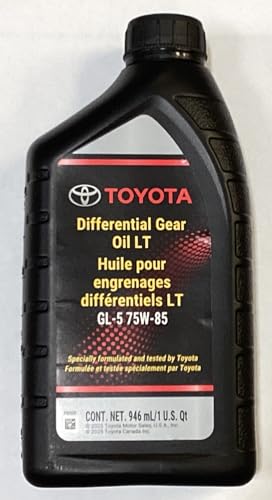
Toyota Genuine Differential Gear Oil LT, GL-5 75W-85, 1 Quart (946ml), Specially Formulated and Tested
GENUINE OEM: Toyota factory-approved differential gear oil designed specifically for Toyota vehicles, ensuring optimal performance and protection
As an affiliate, we earn on qualifying purchases.
As an affiliate, we earn on qualifying purchases.