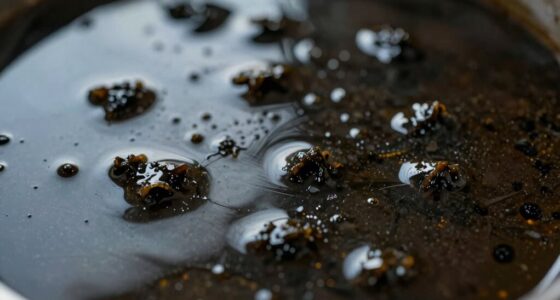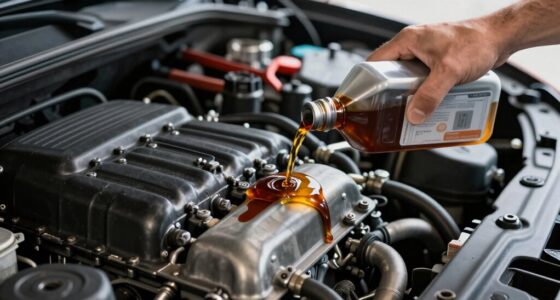
When you rely on ‘stop-leak’ products, you’re masking the real issue instead of fixing it. These additives may provide temporary seals but can cause long-term damage, like seal degradation or system failure. They often interact poorly with seal materials, weakening them over time. By focusing on proper seal selection and compatibility, you can prevent leaks — and if you keep exploring, you’ll discover how a holistic approach offers better long-term solutions.

Get business pricing on garage and car supplies
- Business-only prices and quantity discounts
- Tax-exempt purchasing
- Multiple users, one account, clear invoices
Key Takeaways
- Quick fix leak products mask underlying issues, delaying proper diagnosis and long-term solutions.
- Additive formulations can degrade seal materials, leading to increased leaks over time.
- Selecting compatible seal materials and additives ensures lasting seals and reduces reliance on temporary fixes.
- A holistic approach focuses on preventative measures, addressing root causes instead of masking symptoms.
- Prioritizing compatibility and quality in seals and additives improves system durability and minimizes future repairs.
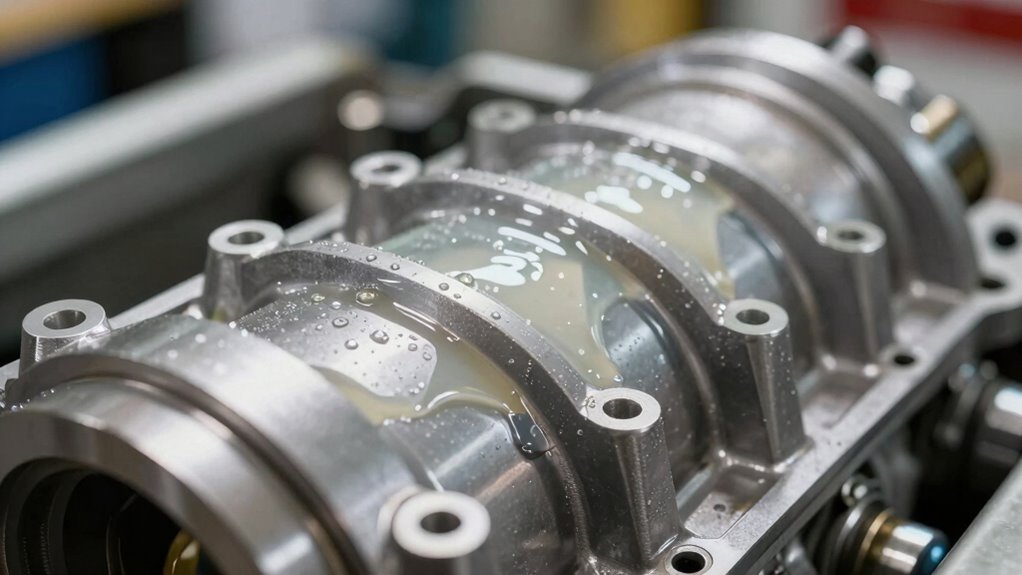
If you’re constantly chasing quick fixes for leaks, it’s time to change your approach. Many rely on temporary solutions like adding stop-leak products or using sealant additives, but these often mask the problem rather than address its root cause. Instead of patching leaks with quick fixes, focus on understanding how additive formulations influence your lubrication system and how the choice of seal material plays a critical role in preventing leaks altogether.
Additive formulations are designed to enhance lubricant performance, but they can also impact the integrity of seals and the overall sealing system. Some stop-leak products contain specific polymers or compounds that swell or soften seal material, temporarily closing leaks. While this might seem effective initially, it often leads to long-term problems. These additives can cause seal material to degrade or harden over time, reducing their ability to create a reliable seal. As a result, what starts as a quick fix can become a catalyst for more significant issues, such as complete seal failure or contamination ingress.
Additive formulations can weaken seals, leading to long-term leaks and potential system failures.
To genuinely improve your lubrication system, you need to consider how the seal material interacts with both the lubricant and any additive formulations present. High-quality seal materials are designed to withstand the chemical properties of modern lubricants and additives. When selecting seals, look for materials that are compatible with the specific additive formulations used in your system. Properly chosen seal material maintains elasticity and resists chemical breakdown, providing a long-lasting barrier that prevents leaks without relying on temporary fixes.
Changing your perspective from patching leaks to preventing them relies on understanding the relationship between additive formulations and seal material. For instance, some additive formulations contain anti-wear or anti-corrosion agents that are compatible with certain seal materials but harmful to others. Knowing this, you should select seal materials that are compatible with your lubricant’s additive package. This proactive approach reduces the likelihood of leaks forming in the first place, saving you time and money on ongoing repairs.
Additionally, understanding the importance of high-quality seal materials can significantly impact the longevity of your lubrication system. In essence, stopping leaks isn’t about quick fixes or additives alone. It’s about choosing the right seal material that complements your lubricant’s formulation and ensures long-term integrity. By prioritizing the compatibility of additive formulations and seal material, you create a more sustainable, leak-resistant lubrication system. This strategy not only improves efficiency but also extends the lifespan of your equipment, reducing downtime and maintenance costs. So, ditch the band-aid solutions and invest in a holistic approach that addresses the root cause of leaks at its core.
high-quality seal materials for lubrication systems
As an affiliate, we earn on qualifying purchases.
As an affiliate, we earn on qualifying purchases.
Frequently Asked Questions
How Do Stop-Leak Products Affect Long-Term Engine Health?
Stop-leak products can impact your engine’s long-term health if they’re incompatible with your engine’s materials. They contain chemicals that may clog or damage seals over time, especially if not suited for your engine’s specific design. Always check the product’s chemical composition and verify it’s compatible with your engine. Using the right product reduces risks, but improper use can lead to costly repairs and degraded engine performance over time.
Are There Specific Lubricants Better Suited for Stop-Leak Treatments?
Yes, certain lubricants are better for stop-leak treatments because they include specific lubricant additives that improve seal compatibility. Look for products formulated with compatible additives that can help swell or soften seals without damaging them. Using the right lubricant guarantees the seal maintains its integrity and prevents leaks, making your engine run smoothly. Always check the product label to confirm it’s suitable for stop-leak applications and your specific engine needs.
Can Stop-Leak Fixes Cause Damage to Seals or Gaskets?
Yes, stop-leak fixes can cause damage to seals or gaskets. They may lead to seal deterioration or gasket swelling over time, which can worsen leaks or create new issues. These products often contain additives that swell or soften seals initially, but prolonged use might compromise their integrity, increasing the risk of future failures. Use them cautiously, and always follow manufacturer recommendations to avoid unintended damage.
How Often Should Lubrication Systems Be Inspected After Using Stop-Leak Products?
Think of your lubrication system as a garden that needs regular watering. After using stop-leak products, you should inspect it every 1-2 weeks to catch potential issues early. Consistent inspection frequency helps with leak monitoring, ensuring seals and gaskets stay intact. Regular checks prevent minor leaks from turning into major problems, keeping your system running smoothly. Don’t wait too long—early detection is your best tool for maintenance.
Do Stop-Leak Solutions Work for All Types of Leaks?
Stop-leak solutions don’t work for all types of leaks. They’re effective mainly for minor, surface-level leaks like small cracks or seepage detected through leak detection methods. However, for major leaks, structural damage, or internal issues, these products can’t seal the problem properly. You should assess the leak type first and consider professional inspection to determine if stop-leak solutions are appropriate or if more extensive repairs are needed.
chemical compatible seals for lubricants
As an affiliate, we earn on qualifying purchases.
As an affiliate, we earn on qualifying purchases.
Conclusion
Instead of chasing quick fixes like stop-leak products, focus on maintaining proper lubrication to keep your engine healthy. Think of your engine as a well-tuned orchestra—every part working in harmony. Neglecting proper lubrication is like trying to play a symphony with missing notes; it’s chaotic and damaging. Stay proactive, check your oil regularly, and give your engine the care it deserves. This way, you’ll keep your car running smoothly for miles to come.
stop-leak additive products for engines
As an affiliate, we earn on qualifying purchases.
As an affiliate, we earn on qualifying purchases.
lubricant sealant and additive compatibility
As an affiliate, we earn on qualifying purchases.
As an affiliate, we earn on qualifying purchases.
Halloween Picks
halloween
As an affiliate, we earn on qualifying purchases.