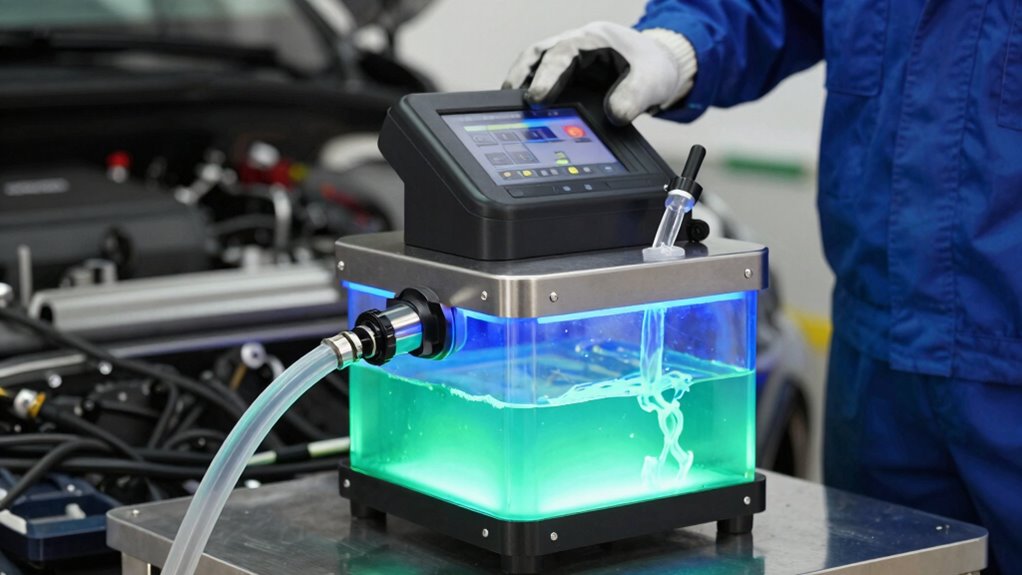

Coolant flush machines are great for thoroughly cleaning your vehicle’s cooling system, especially if you notice overheating, leaks, or sludge buildup. They help remove old coolant, corrosion, and debris more effectively than manual methods, saving time and ensuring peak engine performance. However, they can be overkill for routine maintenance if your coolant looks clear and system checks are good. If you’d like to learn more about when to use or skip these machines, keep exploring.

Get business pricing on garage and car supplies
- Business-only prices and quantity discounts
- Tax-exempt purchasing
- Multiple users, one account, clear invoices
Key Takeaways
- Coolant flush machines are ideal for thorough removal of old coolant, sludge, and corrosion, especially in complex or heavily contaminated systems.
- They help prevent overheating, leaks, and engine damage by maintaining optimal cooling system performance efficiently.
- Routine maintenance with these machines can extend radiator life and improve engine efficiency, reducing long-term repair costs.
- Overkill occurs when used for simple coolant top-offs or minor issues; manual draining or basic maintenance may suffice.
- Skilled professionals should handle complex flushes, as improper use can damage the cooling system or lead to incomplete cleaning.
As an affiliate, we earn on qualifying purchases.
What Is a Coolant Flush Machine and How Does It Work?
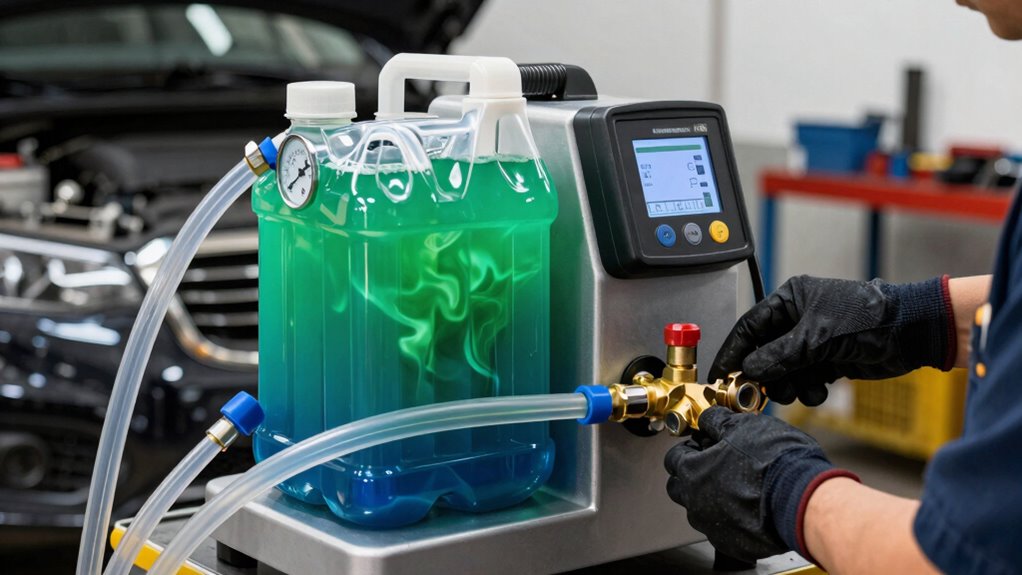
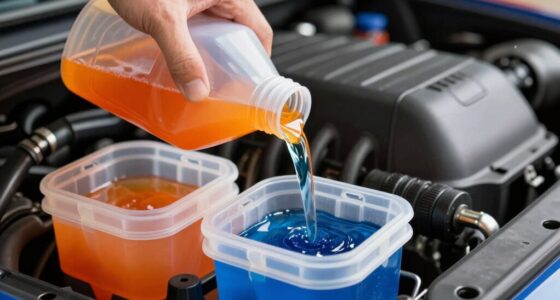
A coolant flush machine is a specialized tool designed to clean and replace the coolant in your vehicle’s cooling system efficiently. It works by connecting to your radiator and engine, allowing the machine to circulate a cleaning solution that dissolves deposits and contaminants. Proper machine calibration is essential to guarantee it uses the correct pressure and flow rates, which helps maintain the right coolant composition during the flush. This calibration guarantees that the process is thorough without damaging components. The machine then flushes out old coolant, debris, and corrosion, replacing it with fresh coolant. By controlling the coolant composition and flow, the machine ensures your engine stays properly cooled and protected, extending its lifespan and maintaining optimal performance. Calibration is a critical aspect of ensuring the effectiveness and safety of the coolant flush.
As an affiliate, we earn on qualifying purchases.
Signs Your Engine Needs a Coolant Flush
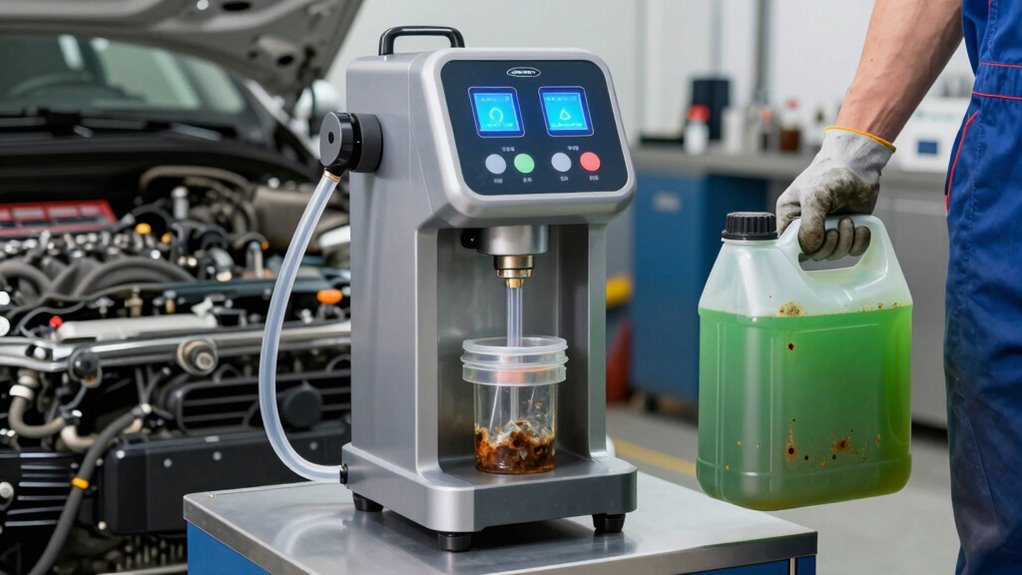
Over time, your engine’s cooling system can accumulate debris, rust, and sludge that hinder its efficiency. This buildup can lead to warning signs that you need a coolant flush. Proper coolant maintenance is essential for preserving system performance and preventing long-term damage.
Over time, debris and sludge can clog your engine’s cooling system, signaling the need for a coolant flush.
- You notice a coolant leak under your vehicle or around the engine, indicating clogged or damaged hoses.
- Your engine begins overheating more frequently, even on short drives, suggesting poor coolant circulation.
- The coolant appears discolored or has a strange smell, showing the fluid has degraded and needs replacing.
If you experience any of these signs, it’s time to think about a coolant flush. Addressing these issues promptly helps prevent engine damage and keeps your cooling system running smoothly.
As an affiliate, we earn on qualifying purchases.
When Should You Use a Coolant Flush Machine?
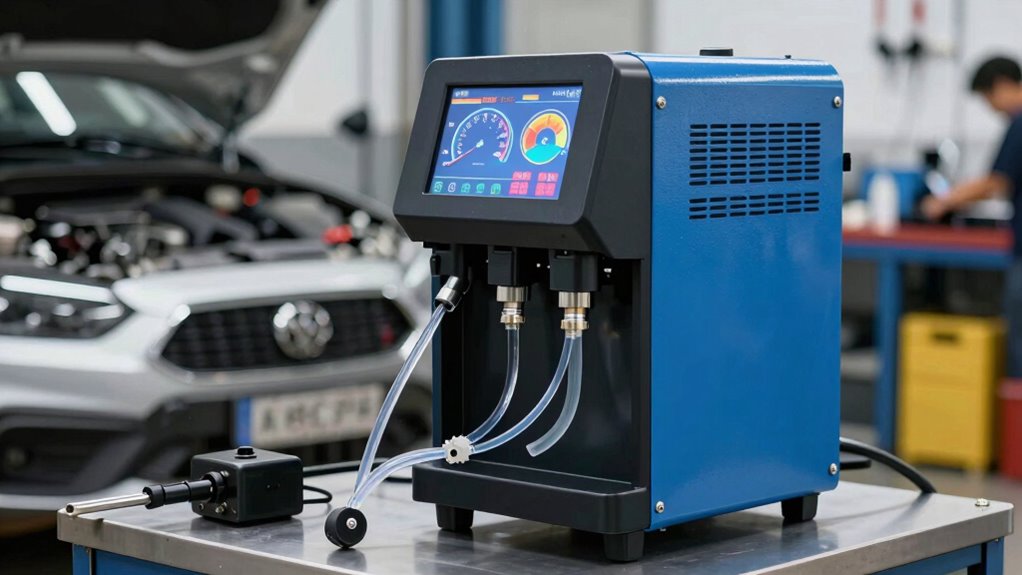
Knowing when to use a coolant flush machine is essential for maintaining your vehicle’s cooling system. If you notice overheating, frequent leaks, or corrosion, it’s time for a professional cleaning. Using a coolant flush machine during routine machine maintenance ensures contaminants are removed, prolonging your radiator’s life and preventing costly repairs. Additionally, water efficiency can be improved by correctly managing your vehicle’s cooling system and maintenance schedule.
As an affiliate, we earn on qualifying purchases.
Benefits of Using a Coolant Flush Machine Over Traditional Methods
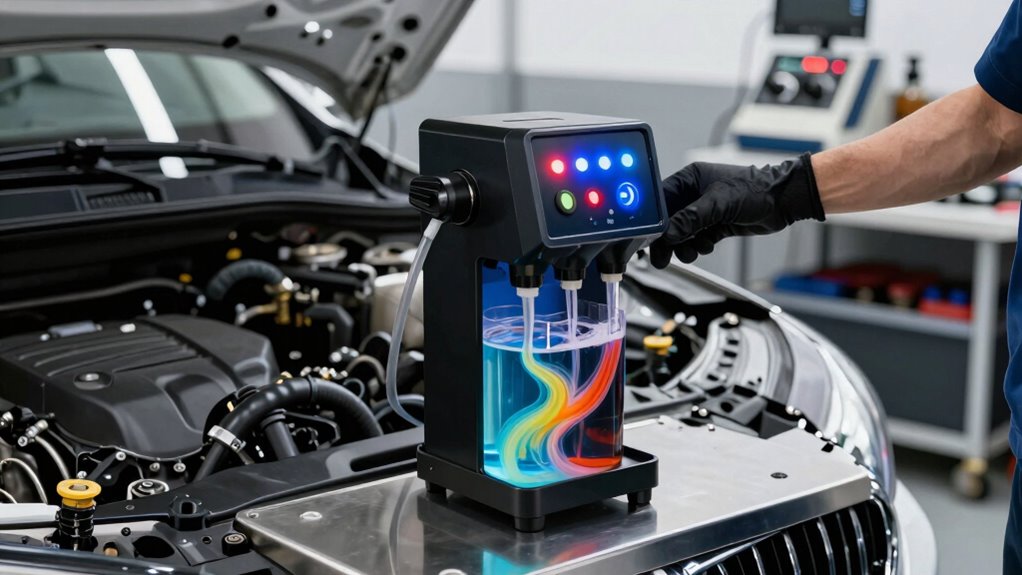
Using a coolant flush machine offers significant advantages over traditional methods, making the process more efficient and thorough. It guarantees your coolant system is cleaned completely, reducing the risk of contamination and overheating. It also helps prevent corrosion and buildup, which can compromise system performance over time. Properly maintaining coolant systems with the right equipment can also support inclusive industry standards, ensuring safety and reliability. Implementing these machines can also aid in adhering to safety protocols, which is vital for vehicle longevity. Here are three benefits:
Using a coolant flush machine ensures thorough cleaning, reduces contamination risks, and improves efficiency.
- Time Savings: The machine speeds up the flush process, minimizing downtime during routine machine maintenance. This efficiency is especially beneficial when managing multiple vehicles or machines in a busy workshop.
- Enhanced Cleanliness: It removes sludge, debris, and old coolant more effectively than manual methods, prolonging component life. Incorporating natural cleaning techniques can further optimize the process.
- Consistency: The automated process delivers reliable results, reducing human error and ensuring your coolant system is properly serviced every time. Additionally, employing specialized equipment aligns with best practices in maintaining regional flavors and ensuring thorough cleaning.
Is a Coolant Flush Machine Overkill for Routine Maintenance?
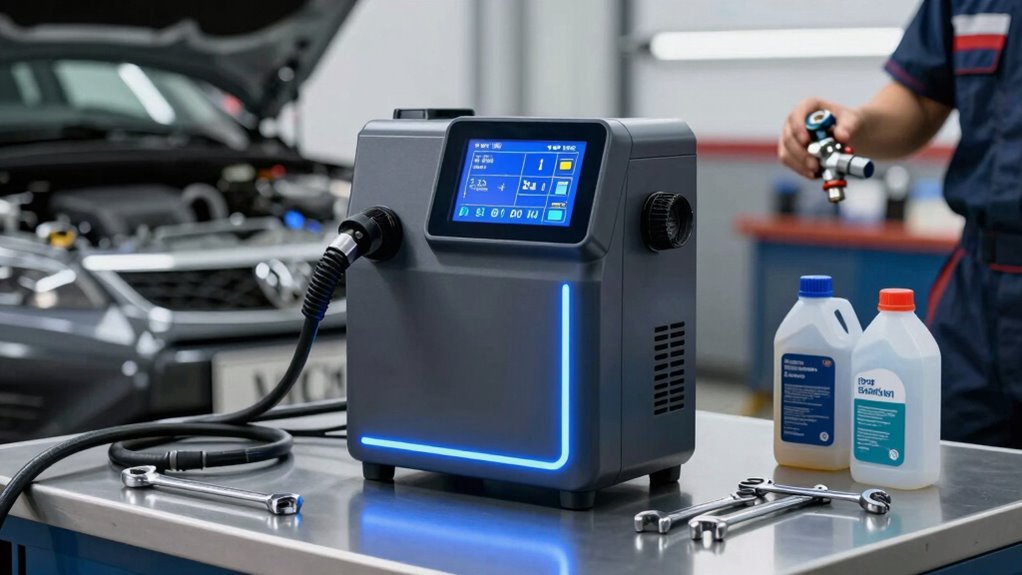
While coolant flush machines offer undeniable benefits, they may be considered overkill for routine maintenance in many cases. Regular check-ups often involve simply inspecting coolant color and level, which helps prevent engine corrosion without a full flush. If your coolant remains clear or mildly colored, a machine isn’t usually necessary. Overusing a coolant flush machine can disrupt the existing coolant balance, potentially causing more harm than good. Plus, if you’re diligent about regular coolant top-offs and inspections, you might avoid the need for a full flush altogether. For most daily drivers, sticking to simple maintenance routines ensures your engine stays protected without the extra expense or effort of a machine-based flush. It’s about balancing necessity with practicality. Additionally, understanding your vehicle’s cooling system components, such as the radiator and thermostat, can help determine when a flush might be truly beneficial.
How to Decide If Your Car Needs a Coolant Flush Machine
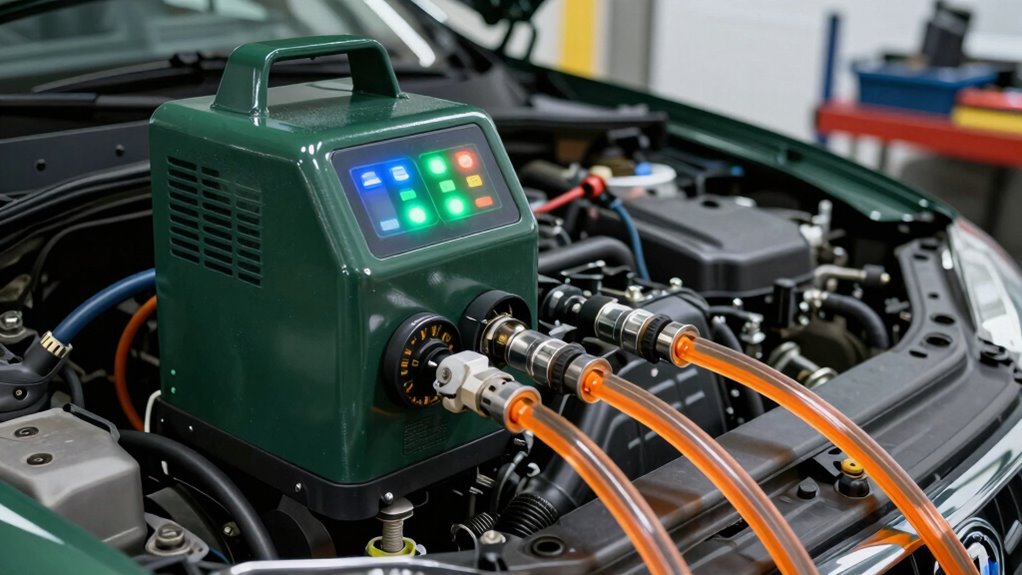
Deciding if your car needs a coolant flush machine starts with paying attention to the vehicle’s symptoms and maintenance history. Look out for these signs:
- Engine overheating – Frequent or persistent overheating indicates coolant issues.
- Coolant contamination – Milky or rusty coolant suggests contamination, reducing cooling efficiency.
- Frequent coolant loss – If you’re topping off coolant often, it might be time for a flush.
- Damaged or degraded coolant can also signal the need for a flush and is often linked to coolant system maintenance to ensure proper function.
If your engine shows signs of overheating or coolant contamination, a coolant flush machine can help restore proper cooling and prevent engine damage. Neglecting these symptoms can lead to more serious problems down the line. Keep track of your maintenance schedule and don’t ignore warning signs that point to coolant system issues.
How Much Does a Coolant Flush Machine Cost? Is It Worth It?
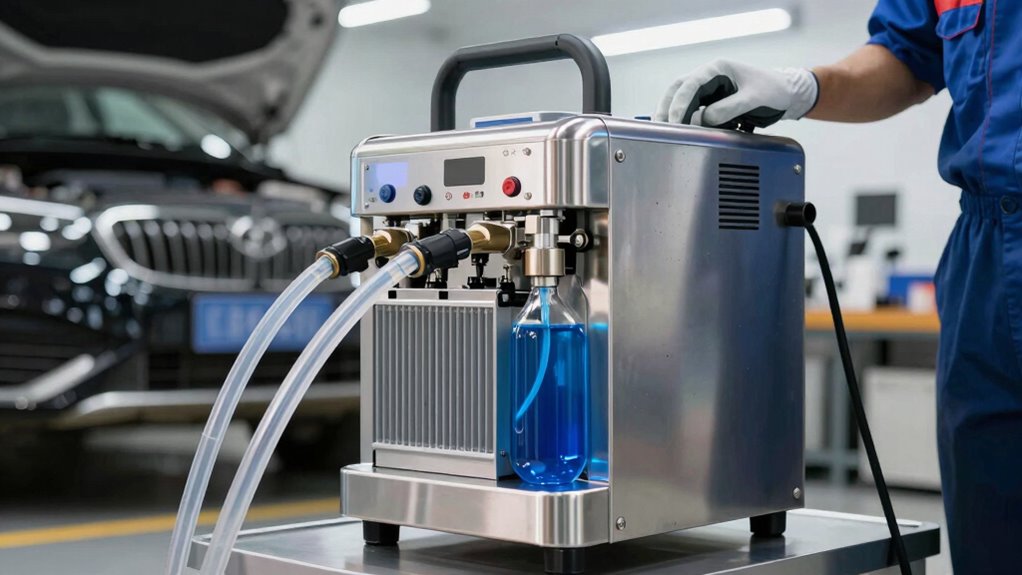
A coolant flush machine typically costs between a few hundred to over a thousand dollars, depending on its features and capacity. If you’re maintaining a fleet or running a shop, investing in one can streamline coolant system maintenance and guarantee thorough cleaning. For individual car owners, the cost might seem high upfront, but it can save money over time by reducing the need for frequent professional services. The machine’s ability to efficiently clean and flush the coolant system can improve engine performance and prevent costly repairs. When considering if it’s worth it, evaluate how often you perform coolant flushes and whether you prefer DIY maintenance versus relying on professionals. Additionally, proper safety precautions and mobility tips can help keep your vehicle’s engine running smoothly, similar to how regular movement benefits senior wellness. Incorporating template compatibility testing into your maintenance routine can also ensure that your tools and equipment function seamlessly together, enhancing overall efficiency. Understanding the initial investment involved can help you decide if purchasing a coolant flush machine aligns with your long-term maintenance goals. Ultimately, a quality coolant flush machine can be a valuable tool for maintaining exceptional machine health.
DIY vs. Professional Coolant System Flushing: Pros and Cons
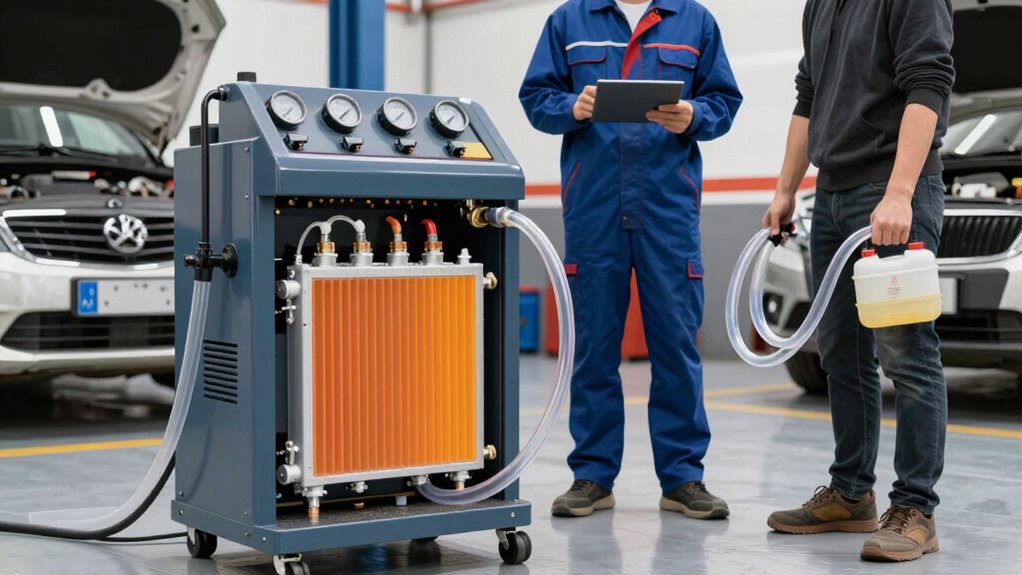
Choosing between DIY and professional coolant system flushing depends on your skill level, tools, and priorities. If you attempt a DIY flush, you’re responsible for avoiding coolant contamination and understanding your vehicle’s coolant system design. Here are some factors to consider:
- Cost and Convenience: DIY saves money but can be time-consuming and messy.
- Expertise Needed: Professionals have the experience to handle complex coolant system design and prevent contamination.
- Risk of Errors: Mistakes in DIY flushing might lead to incomplete coolant removal or damage, especially if your system’s design is intricate.
- Understanding of System Complexity: Some cooling systems include hard-to-reach areas that require specialized equipment and knowledge to clean properly. Additionally, recognizing system design intricacies can be crucial for an effective flush. Certain systems may also involve multiple cooling loops, making professional intervention even more beneficial.
Moreover, coolant contamination risks can be significant if proper procedures are not followed, underscoring the importance of knowing your system’s design and limitations. While a DIY approach suits simple systems, professional flushing ensures thorough cleaning, especially for complex designs with hard-to-reach areas. Weigh these pros and cons based on your comfort level.
Tips for Safely Flushing Your Coolant System
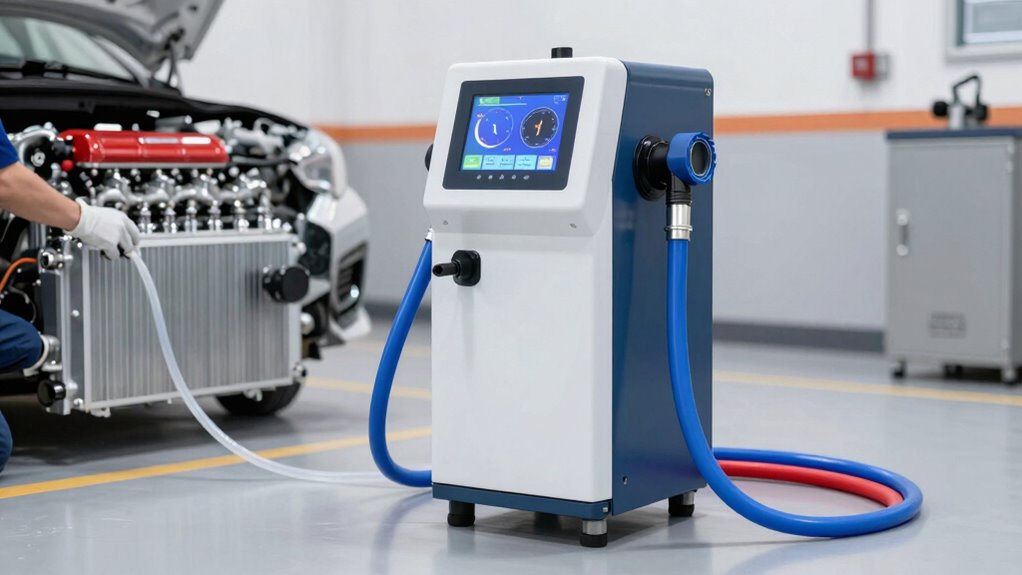
To flush your coolant system safely, always wear proper protective gear like gloves and goggles to avoid contact with harmful fluids. Make sure to carefully follow the manufacturer’s instructions to prevent damage or leaks. When disposing of old coolant, do so responsibly at a proper recycling center to protect the environment. Additionally, understanding appliance maintenance plans can help ensure your vehicle’s cooling system remains in optimal condition. Proper disposal methods are essential to prevent environmental contamination and can include recycling coolant at authorized facilities. Being aware of support vs boundaries in vehicle maintenance can also help you make informed decisions about when professional help is needed. Ensuring your power tools and equipment are weatherproof and properly stored can prevent unnecessary maintenance and extend their lifespan. Incorporating indoor air quality considerations into your vehicle maintenance routine can also help reduce the buildup of harmful contaminants during fluid changes.
Use Proper Protective Gear
When flushing your coolant system, wearing proper protective gear is essential to keep yourself safe from harmful chemicals and hot fluids. Safety precautions are a must when handling coolant, which can cause skin irritation or burns. To protect yourself, consider these key items:
- Gloves – Use chemical-resistant gloves to prevent skin contact with toxic fluids.
- Eye protection – Wear safety goggles to guard against splashes or spills.
- Long sleeves and pants – Cover exposed skin to minimize contact with hazardous substances.
These protective gear items help prevent accidents and exposure during the flush. Always prioritize safety precautions by ensuring your gear is in good condition and properly fitted. This simple step keeps your coolant flush safe and effective.
Follow Manufacturer Instructions
Before starting the coolant flush, it’s important to carefully follow the manufacturer’s instructions. Doing so helps prevent engine corrosion caused by improper procedures and reduces the risk of coolant toxicity, which can be harmful if mishandled. Manufacturers specify the right type of coolant and the correct flushing process to ensure your cooling system remains effective. Ignoring these guidelines could lead to incomplete removal of old coolant, leaving residues that promote corrosion or clogging. Always use the recommended cleaning agents and follow the suggested flow rates. Additionally, understanding the coolant system specifications for your vehicle can help you choose the most suitable products and procedures. Properly system maintenance is essential to prevent costly repairs and ensure optimal performance. Following the coolant flush procedure precisely can also extend the lifespan of your cooling components. Ensuring you have the proper tools and equipment on hand can help make the process smoother and more effective. By adhering to these instructions, you minimize risks and ensure a safe, thorough flush. Remember, each vehicle’s cooling system has unique requirements, so following the manufacturer’s guidance is key to a successful and safe coolant flush.
Dispose of Old Coolant Safely
Have you considered how to dispose of old coolant safely after flushing your system? Proper coolant disposal is *vital* to protect the environment and stay compliant with environmental regulations. Here are three essential tips:
- Check Local Regulations: Contact your local waste disposal authority to learn about coolant disposal rules in your area.
- Use Certified Facilities: Take used coolant to approved recycling centers or hazardous waste facilities, not regular trash.
- Avoid Spills and Leaks: Handle coolant carefully to prevent spills, which can contaminate soil and water sources.
Alternatives to Coolant Flush Machines for Maintaining Your Cooling System
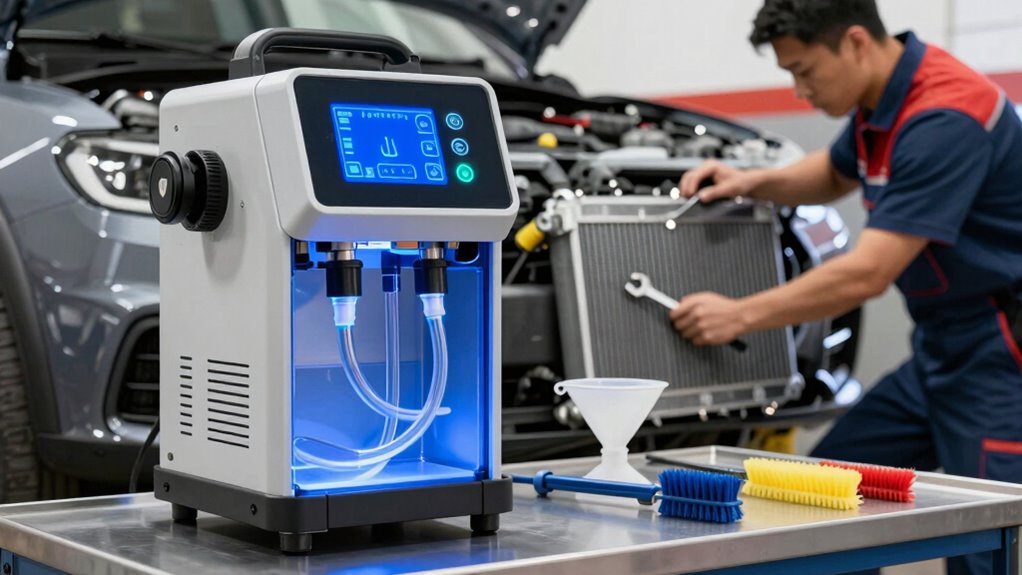
While coolant flush machines are popular for maintaining your cooling system, there are effective alternatives you can consider. Regularly draining and refilling your coolant provides a simple, cost-effective way to keep your coolant system in good shape. Flushing your radiator manually involves using a hose and cleaning agents to remove deposits and contaminants, helping to prevent overheating. Following proper maintenance schedules ensures you catch issues early, reducing the need for complex treatments. Using coolant additives can help maintain corrosion resistance and prevent buildup without a full flush. Additionally, inspecting hoses, clamps, and the radiator regularly helps identify potential problems before they escalate. These alternatives can be just as effective as machines when combined with diligent maintenance, saving you time and money.
Frequently Asked Questions
Can a Coolant Flush Machine Fix Overheating Issues Permanently?
A coolant flush machine can help fix overheating temporarily, but it won’t provide a permanent solution if issues like coolant contamination or heater core clogging persist. Over time, contaminants build up and clog essential components, causing overheating. If you only use a flush machine without addressing underlying problems, the issues will likely return. For a lasting fix, consider inspecting and replacing faulty parts like the heater core or radiator, in addition to flushing the system.
How Often Should I Schedule a Coolant Flush for Optimal Performance?
Like tuning your vintage radio, scheduling a coolant flush every 30,000 miles or every two to three years keeps your engine humming smoothly. Regular radiator maintenance prevents coolant contamination, which can cause overheating and corrosion. If you notice temperature spikes or coolant discoloration, it’s time for a flush sooner. Staying on this schedule helps maintain peak performance, extending your vehicle’s lifespan and avoiding costly repairs down the road.
Are Coolant Flush Machines Safe for All Vehicle Types?
Coolant flush machines are generally safe for most vehicle types if you check antifreeze compatibility beforehand. Make sure the machine is well-maintained to prevent contamination or damage. Some older or specialty vehicles might require manual flushing to ensure proper antifreeze compatibility. Always consult your vehicle’s manufacturer guidelines or a professional mechanic to determine if a machine is suitable for your specific vehicle, avoiding potential issues.
What Are the Risks of Skipping a Coolant Flush?
Skipping a coolant flush risks coolant contamination, which can lead to engine overheating and damage. Without regular flushing, rust and debris build up, causing radiator corrosion that impairs cooling efficiency. Over time, these issues can lead to costly repairs or engine failure. To protect your vehicle, don’t ignore signs of old coolant or neglect routine maintenance—regular flushes help prevent contamination and keep your cooling system in good shape.
Does a Coolant Flush Machine Improve Fuel Efficiency?
Did you know that proper coolant chemistry can boost your vehicle’s fuel efficiency by up to 5%? A coolant flush machine can help maintain ideal coolant quality, ensuring your engine runs smoothly. By keeping your cooling system clean and well-maintained, you reduce engine strain and improve efficiency. So, yes, using a coolant flush machine can indirectly enhance fuel economy, but only if you prioritize regular machine maintenance and coolant care.
Conclusion
Using a coolant flush machine can save you time and guarantee thorough cleaning, but remember, sometimes simple maintenance is enough. Just like a well-tuned engine, your car’s cooling system relies on regular care and the right tools—sometimes overkill is unnecessary. Keep an eye on signs of trouble, and trust your instincts. After all, the right care at the right time keeps your engine running smoothly, reminding you that even small details make a big difference.
Fall Picks
fall essentials
As an affiliate, we earn on qualifying purchases.