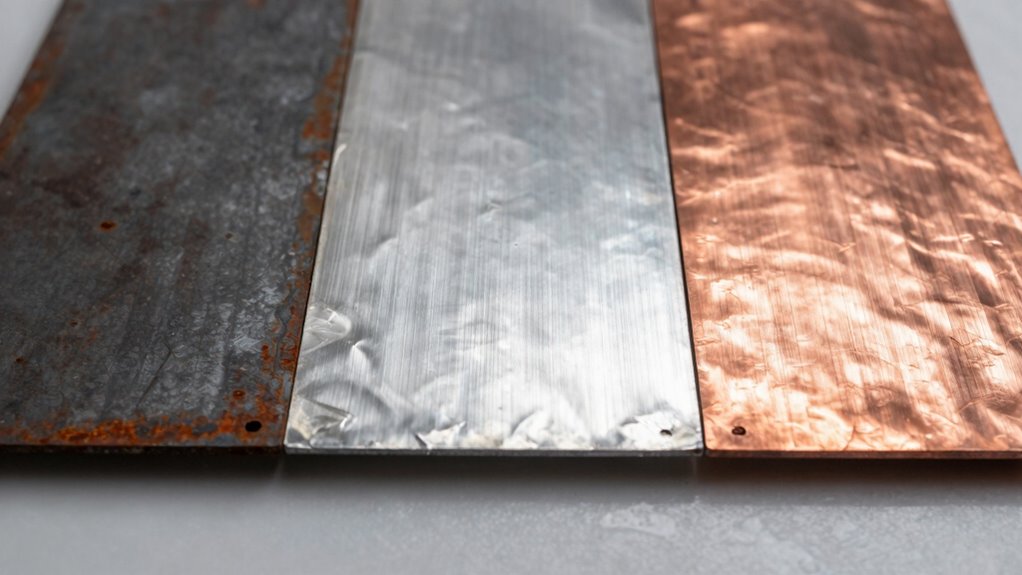

In wear metal analysis, iron indicates overall wear from steel parts like gears and bearings, with rising levels signaling potential issues. Aluminum comes from softer alloy components and suggests wear or contamination if levels increase suddenly. Copper, often from bushings and electrical parts, reflects wear or corrosion when its levels go up. Monitoring these metals helps identify problems early, allowing you to maintain equipment better. Keep exploring to discover more about interpreting these metal signals effectively.
Key Takeaways
- Iron primarily indicates steel component wear and reflects general machinery abrasion.
- Aluminum wear particles suggest softer material degradation or contamination, often from engine parts.
- Copper levels reveal wear or corrosion of bushings, bearings, or electrical components.
- Sudden increases in any metal signal potential component failure or abnormal wear.
- Regular analysis of these metals helps in early detection, maintenance planning, and preventing unexpected breakdowns.

Ever wonder what the presence of certain metals in your machinery’s oil really means? When you check oil samples, those tiny metal particles can tell you a lot about your equipment’s health. Understanding what these metals indicate can help you catch problems early and prevent costly repairs. This is where wear metal analysis comes into play. It involves examining the types and quantities of metals in the oil to interpret their significance. This process can be a valuable part of your maintenance strategy, allowing you to make informed decisions about repairs and replacements. Each metal—iron, aluminum, and copper—has distinct implications based on its origin and behavior within machinery. Recognizing these differences helps you make informed decisions about maintenance and operation.
Iron is usually the most common wear metal found in machinery oil. It originates from the wear of steel components like gears, shafts, and bearings. When iron levels start rising, it often indicates general wear or abrasion in these parts. Iron particles can be tiny or larger, depending on the severity of wear. An increase in iron doesn’t necessarily mean imminent failure, but it signals that parts are deteriorating. The lubrication effects of oil are vital here; proper lubrication minimizes iron wear by reducing metal-to-metal contact. Regular wear metal analysis allows you to track iron levels over time. A steady or slowly increasing trend suggests normal wear, but a sudden spike could point to more serious issues like misalignment, fatigue, or inadequate lubrication. Monitoring iron helps maintain ideal lubrication effects and prevents unexpected breakdowns.
Iron levels rising indicate wear and deterioration; regular analysis helps prevent failures and maintain optimal lubrication.
Aluminum particles are less common but equally important. They typically come from the wear of aluminum alloys in engine components, housings, or other parts made from softer materials. An increase in aluminum can indicate wear of newer parts or components made from lighter alloys. Aluminum particles are usually small, and their presence in oil suggests that these softer materials are wearing down, possibly due to poor lubrication, contamination, or mechanical shock. Since aluminum is softer, it can produce fine particles easily, and wear metal analysis can reveal early signs of component degradation before catastrophic failure occurs. If aluminum levels spike suddenly, it’s a sign you need to inspect for issues like improper assembly, corrosion, or lubricant contamination. Keeping an eye on aluminum levels ensures the lubrication effects remain effective, preserving component integrity.
Copper is a bit different because it often comes from bushings, bearings, or electrical components within machinery. Copper particles in oil usually indicate wear of softer metal parts or corrosion. An increase in copper can mean that bushing or bearing surfaces are wearing out or that there’s some form of corrosion-related deterioration. Copper particles are typically small but can become larger if wear accelerates. Wear metal analysis helps you determine whether copper levels are stable or rising, guiding you to address potential problems early. Proper lubrication, material compatibility, and contamination control all influence copper’s presence. When monitored regularly, copper levels can serve as early warning signs, helping you take corrective actions to maintain lubrication effects and extend component life.

Aviation Laboratories Metal Check Oil Analysis Test Kit GA-001
As an affiliate, we earn on qualifying purchases.
As an affiliate, we earn on qualifying purchases.
Frequently Asked Questions
How Do Wear Metals Affect Engine Performance Over Time?
Wear metals can negatively impact your engine performance over time by causing lubrication degradation and increasing contamination sources. As metals like iron, aluminum, or copper wear down, they mix with engine oil, reducing its ability to lubricate effectively. This contamination can lead to increased friction, overheating, and potential engine damage. Regular oil analysis helps identify wear metals early, so you can prevent severe issues and maintain supreme engine performance longer.
Can Wear Metals Indicate Specific Mechanical Failures?
Yes, wear metals can indicate specific mechanical failures. Elevated levels of corrosion indicators like iron or copper suggest corrosion or wear in engine parts, while increased lubricant degradation metals, such as aluminum, point to bearing or piston issues. By monitoring these metals, you can identify early signs of failure, allowing timely maintenance and preventing more severe engine damage. Regular oil analysis helps you stay ahead of potential mechanical problems.
What Maintenance Steps Reduce Wear Metal Levels?
To reduce wear metal levels, you should focus on regular oil filtration to remove metal particles and contaminants. Additionally, consider using additive treatments designed to minimize wear and protect engine components. Make sure to perform scheduled oil changes and maintain proper lubrication to prevent excessive metal buildup. These steps help extend equipment life, improve performance, and keep wear metals in check, ensuring your machinery runs smoothly and efficiently.
Are Certain Oils Better at Preventing Wear Metals?
Yes, certain oils can better prevent wear metals because of improved oil filtration and additive effects. Synthetic oils often contain advanced additives that reduce metal wear by forming a protective film on moving parts. Using high-quality oils with superior filtration capabilities minimizes contaminants, which helps keep wear metals low. Regular oil changes and maintaining proper filtration enhance these benefits, ensuring your engine stays cleaner and wears less over time.
How Accurate Are Wear Metals Tests in Predicting Engine Issues?
Like a fortune teller peering into a crystal ball, wear metals tests give you a decent glimpse of engine health but aren’t foolproof. Oil additive effects, synthetic versus conventional oils, influence metal levels, impacting test accuracy. These tests can signal potential issues early, but they shouldn’t be your only check. Regular monitoring and diagnostics guarantee you catch problems before they become costly, guiding you like a steady hand in uncertain waters.

Under My Hood Oil Analysis Kit – Oil Test Kit for Gasoline & Diesel Engines
- Aircraft Use Warning: Not for aircraft engine testing
- Equipment Monitoring: Tracks oil condition and wear metals
- Universal Compatibility: Suitable for gasoline and diesel engines
As an affiliate, we earn on qualifying purchases.
As an affiliate, we earn on qualifying purchases.
Conclusion
Think of wear metals as the clues hidden in your engine’s story. Iron signals heavy-duty battles, aluminum whispers lightweight agility, and copper tells tales of electrical currents racing through. By understanding these metals, you’re like a detective piecing together your engine’s health puzzle. Keep your eyes on these clues, and you’ll navigate the road smoothly, steering clear of trouble. With this cheat sheet, you’re armed to read the engine’s diary and keep it humming like a well-tuned orchestra.
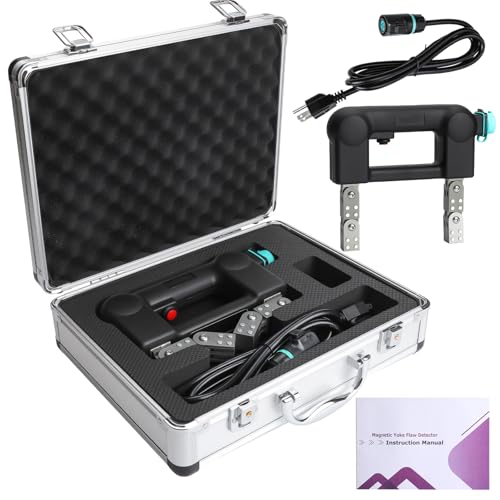
CHENNTAI Portable Magnetic Particle Flaw Detector, Steel Weld Magnetic Particle Inspection for Confined Spaces and Industrial Use
- Portability: Compact, lightweight, easy to carry
- Durability: Long-lasting with excellent heat dissipation
- Safety Design: Sealed, insulated body for wet inspections
As an affiliate, we earn on qualifying purchases.
As an affiliate, we earn on qualifying purchases.

Job Safety Analysis Approved Safety Vintage Metal Wall Art Signs
- Rust-proof Aluminum Construction: Weather-resistant and corrosion-proof material
- HD UV Printing Technology: Vivid, fade-resistant colors and details
- Ideal 8 x 12 Inch Size: Perfect for wall decor and easy to mount
As an affiliate, we earn on qualifying purchases.
As an affiliate, we earn on qualifying purchases.