TL;DR
An InsideEVs report recommends preparing for Thanksgiving travel by charging before departure, planning charging stops and setting up backup charging options. Longer queues are possible on busy routes, but the report does not provide forecasts or measured wait times.
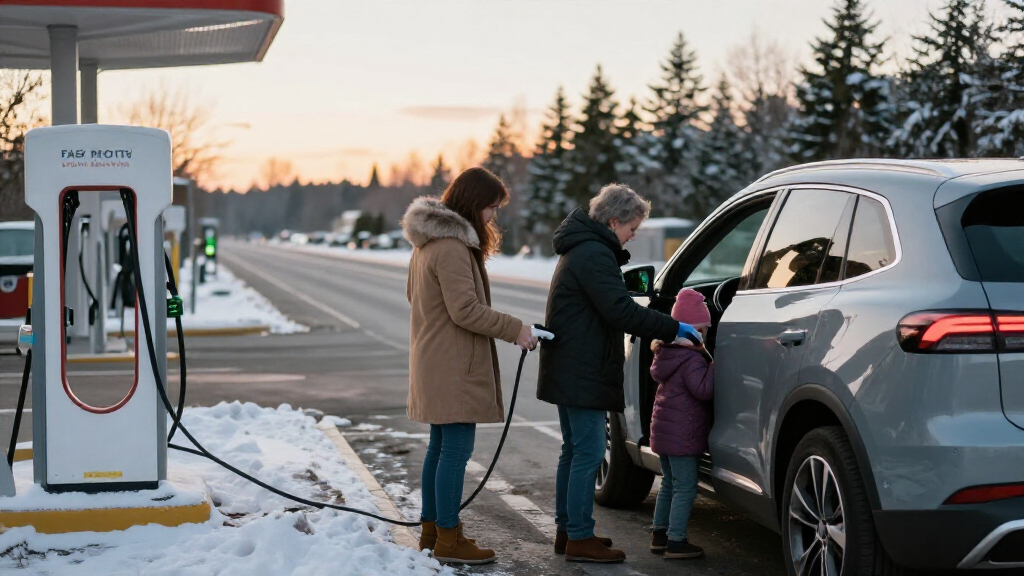
With Thanksgiving travel expected to put more drivers on U.S. roads, an InsideEVs report advises electric-vehicle travelers to charge before departure, plan stops and prepare backup ways to connect and pay. The guidance addresses the prospect of longer queues at busy fast chargers, although the report gives no forecast of wait times for specific routes or stations.

Get business pricing on garage and car supplies
- Business-only prices and quantity discounts
- Tax-exempt purchasing
- Multiple users, one account, clear invoices
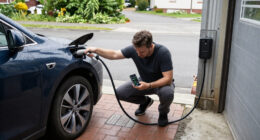
Drivers who can charge at home are advised to plug in the night before and begin the trip with the battery charged. Travelers without home charging could use a DC fast charger the evening before, when fewer people may be trying to leave at once. The report also notes that some charging providers offer off-peak discounts, though availability and terms vary by provider.
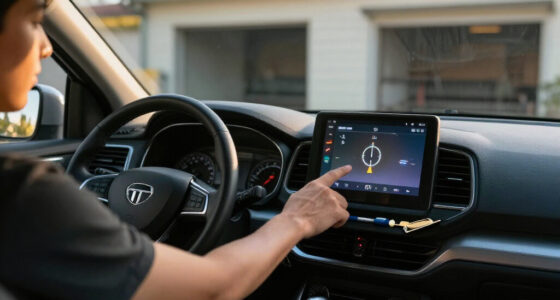
InsideEVs recommends checking a route planner rather than relying only on a familiar route. Apps such as A Better Route Planner, PlugShare and Google Maps can help identify charging stops and routes that suit a vehicle’s range. The report says planning tools can account for factors including vehicle efficiency, destination, desired battery charge on arrival and road conditions. Drivers should still account for their own needs and conditions as they change during travel.
Before leaving, travelers are advised to identify which charging networks they may use, install relevant apps and set up payment. The report also recommends carrying an adapter that can support access to both NACS and CCS charging ports, where compatible with the vehicle. At charging stops, it advises moving on once the battery reaches about 80% when practical, since charging speeds commonly slow above that level and other drivers may be waiting.
Planning Can Reduce Charging Delays
Holiday charging demand can make a long EV trip less predictable, particularly on routes where fast-charging sites are limited. A queue or an unavailable connector can add time, so checking stations and payment options in advance may give drivers more choices if their preferred stop is busy. These preparations are practical steps, not a guarantee of a short wait or an available charger.
The advice also frames charging time as a chance to pause. An EV stop may take longer than refueling a gasoline vehicle, but the report says a 15- to 30-minute break can be used for rest, a restroom visit or food. Drivers should make decisions based on safe driving and their actual charging needs, rather than rushing through a necessary stop.
Products Worth Considering

NOCO Boost GBX45 1250A UltraSafe 12V Lithium Jump Starter

Chemical Guys 14-Piece Arsenal Builder Car Wash Kit with Foam Blaster

Chemical Guys Arsenal Builder Car Wash Kit with Foam Cannon and Carry Bag
As an affiliate, we earn on qualifying purchases.
Thanksgiving Travel and EV Charging
Thanksgiving week is among the most heavily traveled periods in the United States, according to the source report. It describes the Sunday after Thanksgiving as typically the year’s busiest travel day, but offers no underlying dataset or specific-year figures. The report’s broader point is that a high volume of travelers can strain charging sites on popular routes.
Fast-charging infrastructure and vehicle range have improved, the report says, but a charging stop still takes longer than a typical gasoline refueling stop. It also notes that EV energy use can rise at higher speeds and on uphill stretches. Those factors help explain why a route planner may suggest a different path or charging schedule; they do not mean every driver needs to change routes or take a detour.
““Charging the night before your journey, or using a route planner, could help alleviate some of those concerns about EV charging queues.””
— InsideEVs report
Wait Times Vary by Route
The report does not identify which charging locations will have queues, how long waits may be, or how many additional travelers will use particular stations. It also does not provide live station availability or a holiday-specific forecast. Conditions will differ by route, time and charger, and a planned stop may be occupied or unavailable when a driver arrives.
Adapters are useful only when they are compatible with the vehicle and the charging equipment. The source does not list specific adapter models, vehicle compatibility details or network policies. Drivers should check their vehicle manufacturer’s guidance and the charging provider’s current requirements before relying on an adapter.
Check Plans Before Departure
Before traveling, drivers can charge the vehicle, review the route and identify alternate stations along the way. They should check which networks their vehicle can use, prepare any needed apps and payment methods, and confirm adapter compatibility. Charging availability and prices can change, so travelers should consult current information from their vehicle’s navigation system and charging providers.
Once on the road, drivers may need to adjust stops as traffic, weather, battery use and charger availability change. The source offers no separate policy announcement or scheduled follow-up; its recommendations are practical preparation for the Thanksgiving travel period.
Key Questions
Should I charge my EV the night before a holiday trip?
The report recommends charging at home overnight when possible. Drivers without home charging could consider a fast-charging stop the evening before departure, when fewer travelers may be heading out.
Which route-planning apps does the report mention?
It names A Better Route Planner, PlugShare and Google Maps. Their suggestions can help with charging locations and routes, but drivers should check current conditions and choose settings that reflect their vehicle and trip.
Do I need a NACS or CCS adapter?
The report recommends carrying an adapter to broaden access to NACS and CCS stations, but compatibility depends on the vehicle and equipment. Check the vehicle maker’s guidance and charging-network requirements before traveling.
Why does the report suggest stopping charging around 80%?
It says charging speeds often slow substantially above 80%, which can make the final portion take much longer. The suggestion is to unplug around that level when it meets the driver’s needs and is practical, especially when others are waiting.
Are holiday charging queues guaranteed?
No. The report warns that queues may be longer on heavily traveled routes, but it does not give station-specific forecasts or wait times. Actual availability will depend on location and timing.
Source: insideevs.com