Using a brake fluid exchange machine correctly helps prevent problems like contamination, air bubbles, and incorrect fluid levels that can impair your brakes. Proper calibration, reliable filtration, and following manufacturer instructions ensure safe fluid replacement and maintain system performance. Low-quality or improperly used machines can cause issues like over-pressurization, trapped air, or corrosion. To keep your braking system in top shape, understanding how these machines work and proper operation is essential—there’s more to discover on how to do it right.
Key Takeaways
- Proper calibration of the machine ensures accurate fluid volume exchange, preventing over- or under-flushing issues.
- Reliable filtration systems remove contaminants, reducing the risk of system corrosion and performance problems.
- Correct operation techniques, including complete bleeding and air removal, prevent trapped air and soft brake pedals.
- Using high-quality, compatible equipment minimizes contamination, over-pressurization, and equipment failure risks.
- Regular maintenance and adherence to manufacturer instructions support safe, effective brake fluid exchange, avoiding system damage.

LUTIFIX Automatic Brake Bleeder Kit,110V Brake Fluid Bleeder Machine,Fully Automatic Brake Bleeder kit,One-Person Operation,Air-Free Filling,Precise Pressure Control
【AST603 Brake Fluid Bleeder Machine】AST603 brake system bleeding tools,Brake fluid can be exchanged by simply connecting 110V/220V power…
As an affiliate, we earn on qualifying purchases.
As an affiliate, we earn on qualifying purchases.
How Do Brake Fluid Exchange Machines Work?
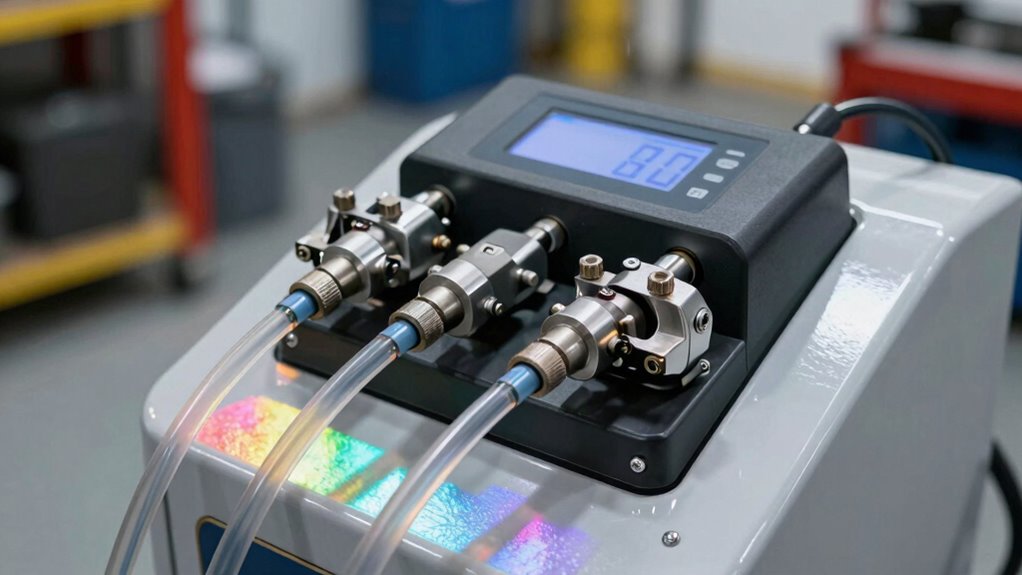
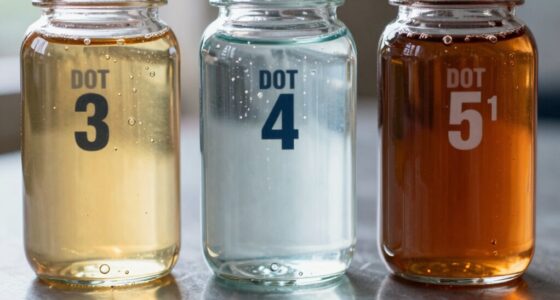
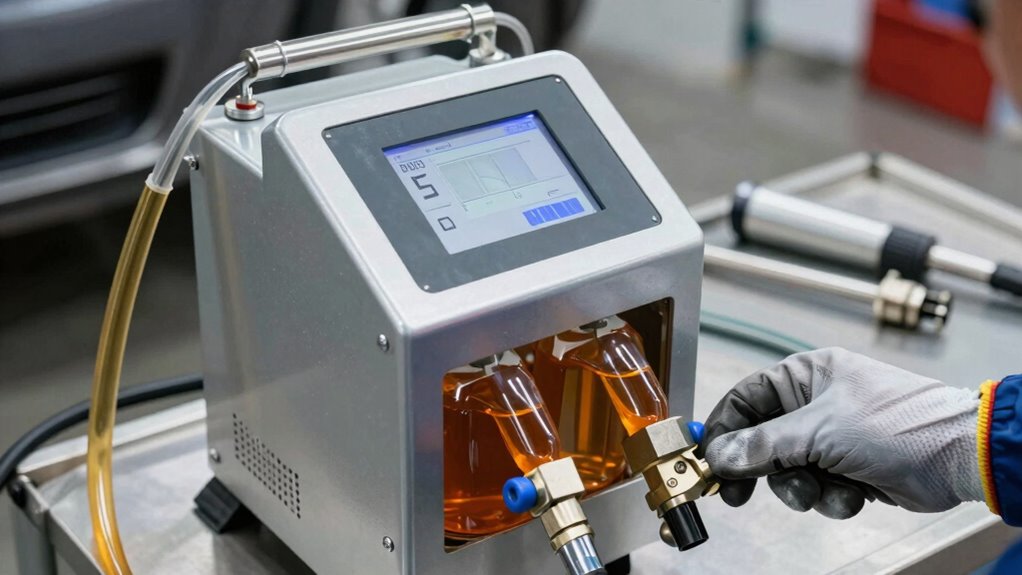
Brake fluid exchange machines are designed to efficiently and safely replace old or contaminated brake fluid in your vehicle’s braking system. They work by connecting to your vehicle’s brake lines and flushing out the existing brake fluid, which can include different brake fluid types like DOT 3, DOT 4, or DOT 5.1. Proper machine calibration is essential to guarantee the right amount of fluid is used and that the system maintains correct pressure levels throughout the process. The machine’s pumps and valves are calibrated to match your vehicle’s specifications, preventing over- or under-flushing. This precision helps maintain ideal brake performance and prevents potential issues caused by improper fluid replacement. When correctly calibrated, these machines provide a safe, effective way to keep your braking system in top condition. Additionally, understanding the regional flavors and types of brake fluid can help ensure compatibility and optimal performance for your vehicle. Maintaining proper calibration also reduces the risk of cable failures, which can occur if the system is not set up correctly, and promotes overall system reliability for your vehicle’s braking system. Regularly checking for signs of fluid contamination can further prevent damage and ensure consistent braking performance.

POROMETISTO FT01 Brake Fluid Tester with Flashlight,Built-in Calibration Resistor,Brake Fluid Moisture Tester with 8.5-Inch Corrosion Resistance Probe and Data Hold,for DOT3,DOT4,DOT5.1
Built-in calibration, accurate detection of DOT3/4/5.1:FT01 brake fluid tester has an accuracy of up to ±0.3% and a…
As an affiliate, we earn on qualifying purchases.
As an affiliate, we earn on qualifying purchases.
How Proper Use Prevents Brake System Problems
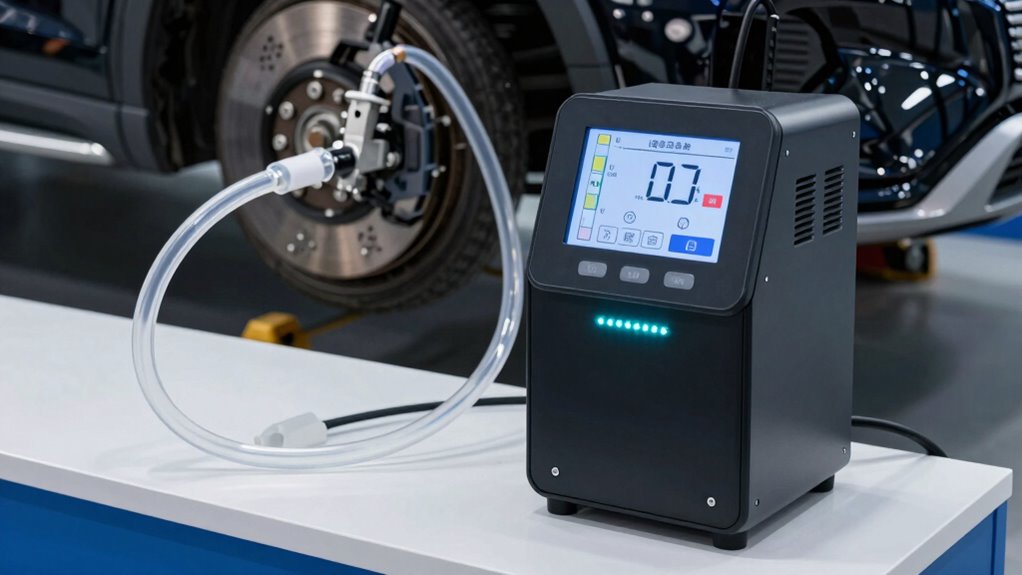
Using a brake fluid exchange machine correctly is key to preventing problems in your vehicle’s braking system. Proper use guarantees you select the right brake fluid types for your vehicle, such as DOT 3, DOT 4, or DOT 5.1, which are designed for specific braking systems. Adhering to recommended maintenance schedules is vital; replacing brake fluid at regular intervals prevents moisture buildup and corrosion, which can cause brake failure. Regularly inspecting your tools and practicing safety tips helps ensure safe operation and prevents accidents. Always follow the manufacturer’s instructions for the machine, guaranteeing complete and thorough fluid exchanges. Avoid shortcuts or improper procedures, as these can introduce air bubbles or contaminants. Consistent, correct use helps maintain ideal brake performance, extends component lifespan, and reduces the risk of brake system issues caused by old or incompatible fluids. Properly managing fluid quality is essential for optimal brake system functioning, and understanding brake system components can further aid in preventive maintenance. Additionally, utilizing proper training can significantly reduce errors during the exchange process and improve overall safety. Maintaining awareness of brake fluid properties ensures that the fluid remains effective under various driving conditions.

Orion Motor Tech Brake Bleeder Kit with Hand Vacuum Pump and Adapters, Brake Bleeding Kit for Brake Fluid Power Steering Fluid More, Vacuum Brake Bleeder Pump with Pressure Gauge
YOUR TRIP COMPANION: With Orion Motor Tech's brake bleeder kit, say goodbye to the old days when it…
As an affiliate, we earn on qualifying purchases.
As an affiliate, we earn on qualifying purchases.
What Features Make a Brake Fluid Exchange Machine Good?

A brake fluid exchange machine with the right features makes certain you can perform maintenance efficiently and reliably. Key features include precise machine calibration, which guarantees consistent and accurate fluid removal and replacement. Proper calibration maintains the correct pressure and flow rates, helping preserve brake fluid quality. Look for machines with easy-to-use controls and clear displays so you can monitor the process closely. Reliable fluid filtering systems are essential to prevent contamination, guaranteeing the brake fluid remains clean and effective. Quick setup and adjustable parameters save time, while durable construction increases longevity. Additionally, proper maintenance procedures ensure the machine continues to operate accurately and safely over time. Incorporating sound engineering principles can further enhance the performance and safety of brake fluid exchange machines. Ensuring compatibility with various vehicle types and brake systems reduces potential issues and promotes consistent results. Regular calibration and maintenance are crucial for maintaining optimal machine performance and safety. Ultimately, a good machine helps you deliver safe, high-quality brake service by maintaining excellent brake fluid quality and ensuring consistent performance, with high-quality components contributing to its durability and reliability.

DASBET 3L Manual Brake Bleeder Kit – Professional One-Person Brake Bleeding Fluid Pump with 1L Fluid Bottle & 4 Master Cylinder Adapters, Ideal for Brake and Clutch Maintenance on Most Vehicles
Efficient One-Person Operation: Perform brake maintenance effortlessly with our 3L Brake Bleeder Kit, crafted for single-user convenience. The…
As an affiliate, we earn on qualifying purchases.
As an affiliate, we earn on qualifying purchases.
How Can Low-Quality Machines Damage Your Brakes?
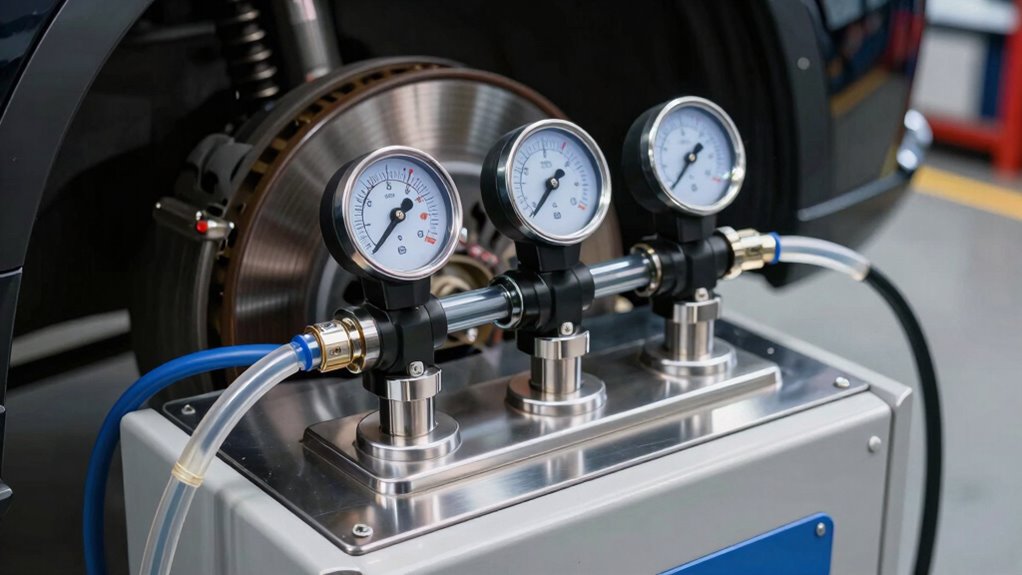
Low-quality brake fluid exchange machines can cause serious damage to your braking system because they often lack proper calibration and reliable filtering. When these machines don’t maintain correct hydraulic pressure, they risk over- or under-pressurizing the system, leading to brake failure or damage. Poor fluid compatibility can introduce contaminants or incompatible fluids, causing corrosion or degraded performance. Using subpar machines also risks inconsistent fluid flow, which can result in incomplete bleeding and trapped air. This can compromise braking efficiency and safety. To avoid these issues, watch out for:
- Inaccurate hydraulic pressure control
- Use of incompatible brake fluids
- Lack of proper filtration systems
- Irregular maintenance and calibration
- Inconsistent fluid flow and bleeding
Investing in quality equipment guarantees your brakes stay safe and effective. Additionally, utilizing testing accuracy ensures proper system function and helps identify potential issues before they become serious problems. Regularly inspecting and maintaining your machine is also essential to prevent equipment failure and ensure consistent performance. Implementing proper calibration protocols can further help maintain optimal operation and safety standards. Properly calibrated machines can also reduce the risk of damage caused by improper pressure, safeguarding your braking system from unnecessary wear and tear. Maintaining consistent maintenance routines can extend the lifespan of your equipment and improve overall safety.
What Are the Signs of Problems After a Brake Fluid Exchange?
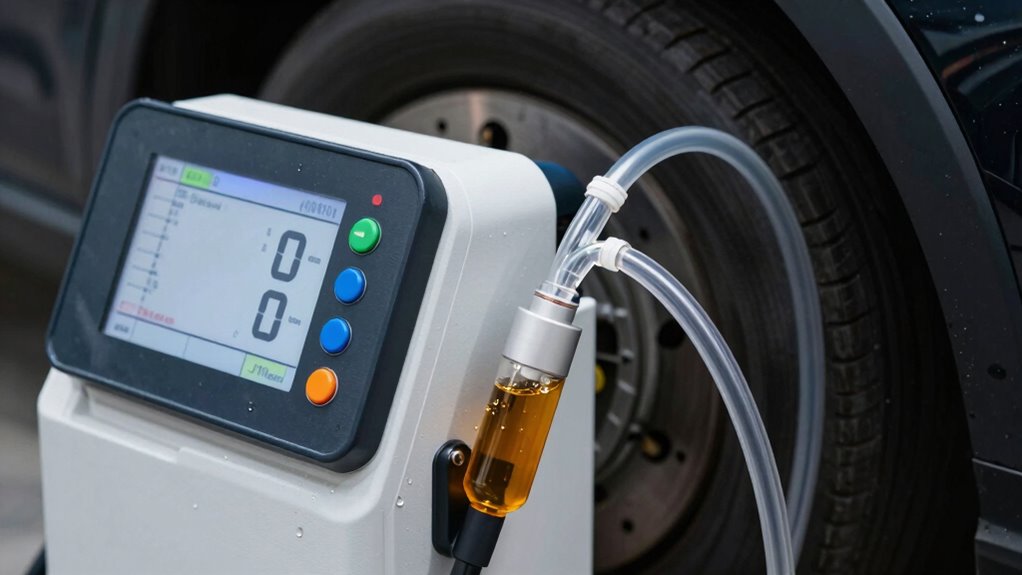
After a brake fluid exchange, you might notice some signs indicating issues. Air bubbles in the lines can cause a spongy pedal, and softness when pressing the brake may also occur. Additionally, unusual noises when braking could signal a problem that needs attention. Monitoring fluid contamination and ensuring proper bleeding techniques can help prevent these problems from arising. Regularly inspecting the brake system can also identify potential issues early and maintain optimal braking performance. Using professional-grade equipment during the exchange can further reduce the risk of introducing air or contaminants into the system. Recognizing signs of system imbalance can help address issues before they compromise safety. Being aware of necessary cookies that support secure and functional site operations can also assist in maintaining a smooth experience during maintenance procedures.
Air Bubbles in Lines
When air bubbles enter the brake lines during a fluid exchange, you might notice your brakes feel spongy or less responsive. Air entrapment causes inconsistent pedal feel and reduces braking efficiency. If line purging isn’t thorough, trapped air can linger, leading to problems. Proper line purging techniques are critical to effectively removing air bubbles and ensuring optimal brake performance. Proper air removal methods can prevent residual air from compromising braking safety. Signs to watch for include:
- Spongy brake pedal
- Longer stopping distances
- Unusual pedal travel
- Inconsistent braking response
- Visible air bubbles or foam in fluid reservoir
Proper line purging is vital to remove air bubbles and prevent these issues. Failing to do so can cause your brake system to feel soft or unresponsive, posing safety risks. Ensuring thorough air removal during the exchange process is essential to maintaining excellent brake performance.
Brake Pedal Softness
A soft or spongy brake pedal often indicates that there’s an issue following a brake fluid exchange. This brake pedal softness can be caused by air remaining in the brake lines or improper bleeding, which reduces hydraulic pressure. Changes in brake fluid viscosity due to incorrect fluid type or contamination can also lead to a less responsive pedal. When the brake fluid isn’t properly replaced, it may not flow smoothly through the system, causing inconsistent brake feel. If you notice that your brake pedal feels softer than usual or sinks closer to the floor, it’s a sign that something’s off. Addressing these issues promptly ensures your braking system remains effective and safe, preventing further damage or failure.
Unusual Brake Noises
Unusual brake noises are often a clear sign that something’s wrong following a brake fluid exchange. You might notice a persistent brake squeal or experience pedal vibration when braking. These sounds indicate potential issues like contaminated brake fluid, improper bleeding, or air trapped in the system. Keep an eye out for:
- Continuous brake squeal during braking
- Vibration felt through the brake pedal
- Sudden, loud noises when applying brakes
- Reduced braking responsiveness
- Unusual grinding sounds
These signs suggest that the brake fluid exchange wasn’t performed correctly or that parts need inspection. Addressing these problems promptly can prevent further damage, ensuring your brakes function smoothly and safely. If you notice any of these noises, it’s best to have a professional evaluate your braking system.
Safe Procedures for Operating Brake Fluid Exchange Machines
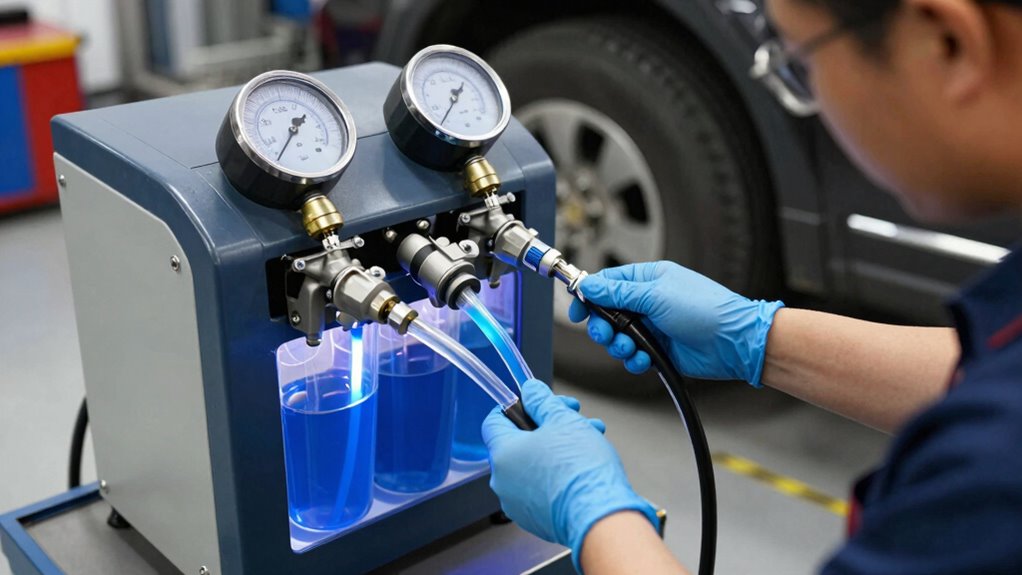
Operating brake fluid exchange machines safely is essential to prevent accidents and guarantee proper vehicle maintenance. Always verify the machine calibration before use to ensure accurate fluid removal and replacement. Understanding brake fluid chemistry helps you select compatible fluids and avoid contamination. Follow manufacturer instructions carefully, including proper setup, fluid types, and safety gear. Regularly check for leaks or irregularities during operation. Use appropriate personal protective equipment, such as gloves and eye protection. Keep the workspace clean and organized to prevent slips or spills.
| Step | Key Action | Purpose |
|---|---|---|
| Calibrate the machine | Ensure accurate fluid measurement | Prevent over/under-flushing |
| Check brake fluid | Confirm compatibility and cleanliness | Avoid chemical reactions |
| Follow instructions | Adhere to manufacturer guidelines | Ensure safe operation |
| Wear safety gear | Use gloves and eye protection | Prevent injuries |
| Inspect workspace | Keep area clean and organized | Minimize hazards |
Top Features to Consider When Buying a Brake Fluid Exchange Machine
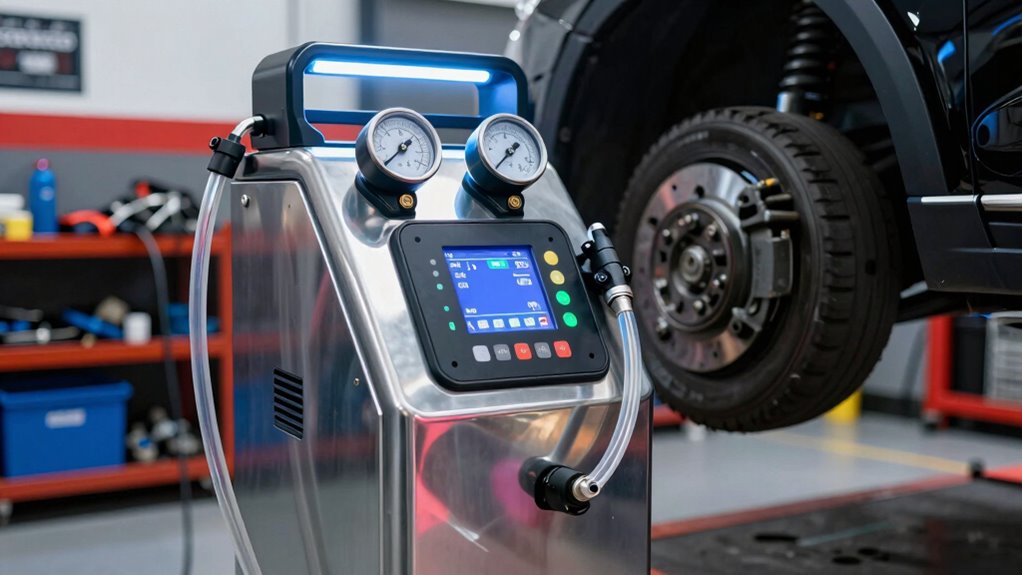
When choosing a brake fluid exchange machine, you need to focus on features that guarantee efficiency, safety, and reliability. Key considerations include compatibility with various brake fluid types to assure versatility across different vehicles. Machine portability is also essential, especially if you work in multiple locations or limited spaces. Look for models with lightweight designs and ergonomic handles for easy transport. Additionally, check for user-friendly interfaces that simplify operation, and ensure the machine has robust safety features to prevent leaks or accidents. Reliable pumps and durable construction will extend the machine’s lifespan and minimize downtime. Lastly, consider the availability of maintenance support and parts to keep your investment running smoothly over time.
Tips for Maintaining Your Braking System After Fluid Replacement
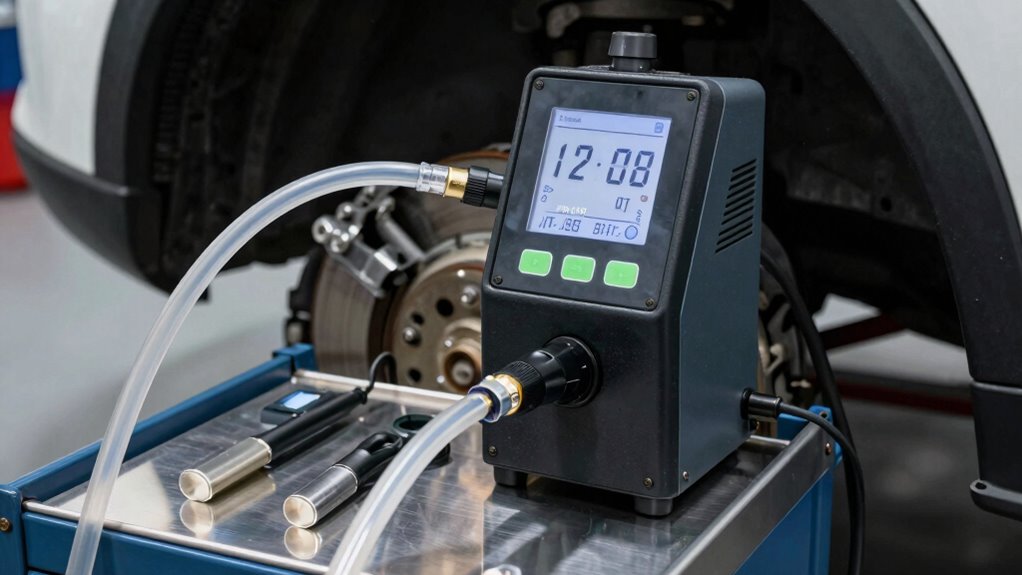
After replacing your brake fluid, maintaining your braking system becomes essential to guarantee peak performance and safety. Regular brake system inspections help detect issues like brake fluid contamination early, preventing costly repairs and potential failures. Keep an eye out for signs of contaminated fluid, such as reduced braking response or spongy pedals. Always use high-quality brake fluid and follow manufacturer guidelines for replacement intervals. After a fluid change, test your brakes gently to ensure proper operation, and check for leaks or uneven wear. Staying proactive with inspections and fluid quality helps maintain ideal brake performance, extends component life, and reduces safety risks. Consistent maintenance ensures your braking system remains reliable and effective for every drive.
Frequently Asked Questions
Can Improper Use of Brake Fluid Exchange Machines Lead to Brake Failure?
Yes, improper use of brake fluid exchange machines can lead to brake failure. If you don’t follow proper procedures, you risk contaminating the brake system or damaging components, which compromises brake system integrity. That’s why technician training is essential—well-trained technicians understand how to operate these machines correctly, ensuring safe, effective brake fluid exchanges that maintain your vehicle’s braking performance and safety.
Do All Brake Fluid Exchange Machines Automatically Detect Brake System Issues?
Think of brake fluid exchange machines like a car’s dashboard; not all have sensors that automatically detect brake system issues. Some models rely on sensor calibration and machine diagnostics to identify problems, but others don’t. I once used a machine lacking these features, and a missed calibration led to brake fluid contamination. To avoid surprises, check if your machine offers automatic diagnostics, ensuring safer, more reliable service.
How Often Should a Brake Fluid Exchange Be Performed Using These Machines?
You should perform a brake fluid exchange every 2 years or as part of your vehicle’s maintenance schedule, following manufacturer recommendations. Using these machines, you’ll guarantee the brake system stays in peak condition, preventing issues caused by contaminated or degraded fluid. Regular exchanges help maintain braking performance and safety, so keep track of your vehicle’s guidelines and schedule the service accordingly to avoid costly repairs later.
Are There Specific Vehicle Types That Require Specialized Brake Fluid Exchange Equipment?
Some vehicle types do require specialized equipment for brake fluid exchanges, especially those with unique braking systems or high-performance features. You need to verify your brake fluid exchange equipment is compatible with specific vehicle compatibility requirements, as using the wrong tools can cause issues. Always check the manufacturer’s guidelines for each vehicle, and invest in specialized equipment if necessary, to guarantee a safe and effective brake fluid exchange process.
What Training Is Necessary for Technicians to Operate Brake Fluid Exchange Machines Safely?
Think of operating brake fluid exchange machines like wielding a lightsaber—you need proper training. You must complete technical certification to guarantee you understand safety protocols and machine operation. This training covers proper safety procedures, potential hazards, and machine maintenance, helping you prevent accidents. Without it, you risk mishandling fluids or damaging vehicles. Always prioritize proper safety and certification to keep yourself and your customers safe.
Conclusion
Properly operating and maintaining your brake fluid exchange machine guarantees safer, smoother stops. By being vigilant, attentive to quality, and following safe procedures, you prevent problems and prolong your braking system’s life. Remember, mindful management minimizes mishaps, maximizing your vehicle’s importance. Stay savvy, stay safe—secure your system, safeguard your safety, and stay ahead with proper practices. Your proactive approach protects both your brakes and your peace of mind.