
When you add aftermarket fuel or engine additives to modern vehicles with synthetic oils and advanced fuel injection systems, things can get tricky. Many products contain chemicals that don’t mix well with synthetic oils or improve performance, potentially causing deposits, clogged passages, or injector damage. These issues can reduce efficiency and even void your warranty. Keep in mind, not all additives are compatible, so understanding what works best for your car is key—if you keep going, you’ll see why caution is essential.

Get business pricing on garage and car supplies
- Business-only prices and quantity discounts
- Tax-exempt purchasing
- Multiple users, one account, clear invoices
Key Takeaways
- Many aftermarket additives contain chemicals incompatible with synthetic oils, risking deposits and degraded lubrication.
- Modern fuel injection systems are sensitive; incompatible additives can clog injectors or alter spray patterns.
- Using unapproved additives may cause chemical reactions that damage engine components or void warranties.
- Compatibility issues arise when additives are not formulated for synthetic oils or modern engine materials.
- Following manufacturer recommendations and consulting trusted sources reduces risks associated with aftermarket additive use.

Modern vehicle specifications have raised the bar for engine performance and longevity, prompting many drivers to contemplate aftermarket additives. With advanced engines designed to run faster, cleaner, and more efficiently, it’s easy to get drawn into the idea that a simple additive can give your vehicle an extra boost. But as you explore options, especially those claiming to enhance synthetic oils or optimize fuel injection, it’s important to understand where compatibility gets weird. Not all additives are created equal, and some may even interfere with your vehicle’s complex systems.
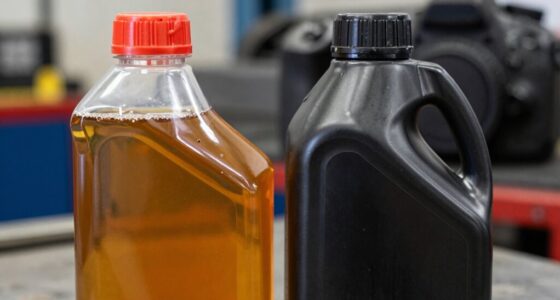
Synthetic oils, for instance, are engineered to provide superior lubrication, temperature stability, and longer service intervals. When you introduce aftermarket additives into synthetic oil, you might think you’re boosting performance or extending oil life. However, many additives contain chemicals that could break down or alter the synthetic base, leading to issues like reduced lubrication or increased engine wear. Some products claim to restore or improve synthetic oils, but the reality is that they can cause incompatibility problems, especially if the additive isn’t formulated to work with synthetic chemistry. You might end up with deposits, clogged passages, or even degraded oil, which defeats the purpose of switching to synthetic in the first place.
Adding aftermarket additives to synthetic oil can cause deposits, degrade performance, and void warranties.
Fuel injection systems are another area where compatibility gets tricky. Modern fuel injectors are precise, computer-controlled devices that deliver fuel directly into the combustion chamber. They rely on clean, consistent fuel to operate efficiently. Many aftermarket additives tout the ability to clean injectors or improve fuel efficiency, but some contain solvents or detergents that don’t play well with sensitive components. Using incompatible additives can cause clogging, erratic fuel spray patterns, or damage to the injectors themselves. You might notice decreased performance or rough idling, which can be confusing if you assumed the additive was helping.
Furthermore, understanding the chemical compatibility of additives with modern engine components is crucial to avoid unintended consequences. The key to steering this compatibility maze is understanding your vehicle’s specifications and sticking to proven, manufacturer-recommended products. Not every additive is suitable for modern engines with synthetic oils or fuel injection systems. Some manufacturers even warn against using certain products because they can void warranties or cause damage. Before pouring anything into your tank or oil pan, do your research. Check for compatibility with synthetic oils and fuel systems, and consider consulting your owner’s manual or a trusted mechanic. While aftermarket additives can sometimes offer benefits, they often come with risks—especially when they try to push boundaries or “upgrade” a modern engine’s finely tuned systems. Being cautious guarantees you don’t unintentionally compromise your vehicle’s performance or longevity.
synthetic oil compatible fuel additives
As an affiliate, we earn on qualifying purchases.
As an affiliate, we earn on qualifying purchases.
Frequently Asked Questions
Do Aftermarket Additives Void Vehicle Warranties?
Using aftermarket additives can sometimes void your vehicle warranty, especially if the manufacturer claims the additive caused damage. It’s crucial to check the product’s additive shelf life and whether it’s compatible with your vehicle. If an issue arises, the manufacturer might deny warranty coverage if they determine the additive contributed to the problem. Always research and follow manufacturer guidelines to avoid warranty issues when considering aftermarket additives.
Are Certain Additives Incompatible With Specific Car Models?
Yes, certain additives can be like a square peg in a round hole, incompatible with your car’s engine compatibility. You need to check additive regulations carefully, as some formulas don’t meet your vehicle’s specifications. Ignoring these details can cause engine issues or damage. Always consult your vehicle’s manual or a trusted mechanic before adding anything, ensuring you stay within the right boundaries for safe, effective use.
How Do Modern Specs Influence Additive Compatibility?
Modern specs influence additive compatibility because newer fuel formulations and engine sensor updates often demand precise chemical balances. You need to check if the additive suits the specific fuel blend your vehicle uses, as incompatible additives can interfere with sensor readings or engine performance. Staying informed about these updates helps you choose additives that won’t cause issues, ensuring your engine runs smoothly without risking damage from incompatible formulations.
Can Aftermarket Additives Cause Long-Term Engine Damage?
Yes, aftermarket additives can cause long-term engine damage. For example, using an additive not compatible with synthetic oil might lead to seal deterioration over time. This can reduce fuel efficiency and cause leaks. Always check if the additive matches your engine specs, especially with modern, high-performance engines. Properly chosen additives can enhance performance, but incompatible ones risk harming your engine in the long run.
Are There Safety Concerns With Mixing Different Additives?
Yes, mixing different additives can pose safety concerns. Chemical interactions between additives may produce unwanted reactions, potentially forming deposits or damaging engine parts. Additionally, additive stability varies, and incompatible combinations might reduce effectiveness or cause clogging. To avoid these risks, it’s best to follow manufacturer recommendations and stick to approved additives, ensuring your engine’s safety and longevity. Always consult your vehicle’s manual before mixing products.
engine oil additive for synthetic oils
As an affiliate, we earn on qualifying purchases.
As an affiliate, we earn on qualifying purchases.
Conclusion
Managing aftermarket additives with modern specs is like walking a tightrope—you need balance and awareness. I once added an “extra boost” to my engine, only to find it sputtering unexpectedly. It’s a reminder that even small tweaks can ripple into big issues if compatibility isn’t carefully checked. Think of it as fine-tuning a symphony; every instrument must harmonize. Stay informed, test thoroughly, and you’ll keep your ride running smoothly through the complex maze of modern specifications.
injector cleaning additive for modern engines
As an affiliate, we earn on qualifying purchases.
As an affiliate, we earn on qualifying purchases.
As an affiliate, we earn on qualifying purchases.
Fall Picks
fall essentials
As an affiliate, we earn on qualifying purchases.