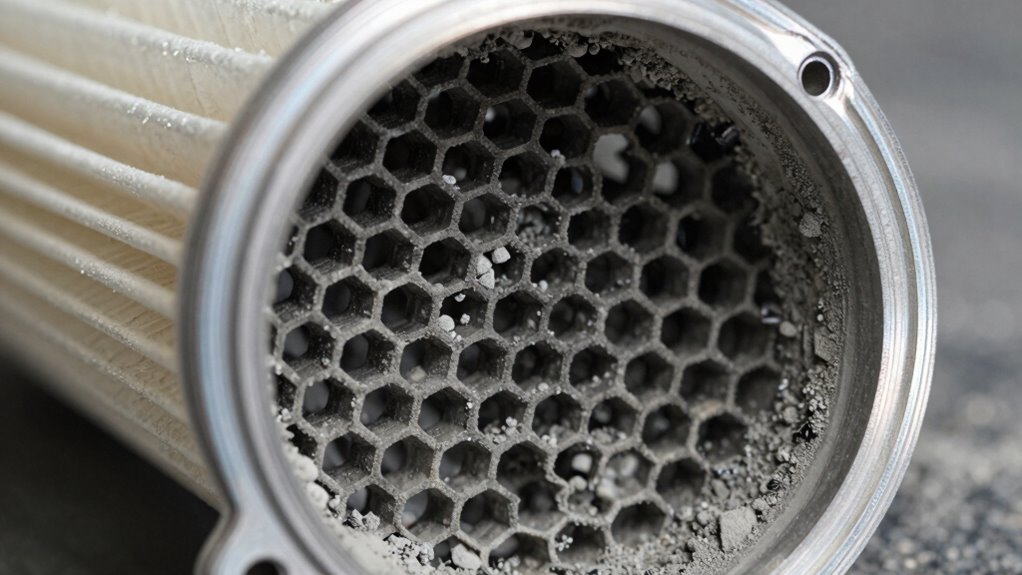

Your choice of engine oil directly impacts the lifespan of your DPF because certain oils contain additives like zinc and phosphorus that don’t burn off and can leave harmful ash deposits. Using low-ash or ashless oils helps reduce buildup, preventing clogging and extending the filter’s service life. Selecting the right oil means better engine performance and fewer maintenance issues. Keep exploring further to understand how your oil choices influence your DPF’s health over time.
Prime for Young Adults — start your free trial
Fast free delivery, streaming and member deals for eligible 18–24 year olds.
As an affiliate, we earn on qualifying purchases.
Key Takeaways
- Engine oils with high ash-forming additives promote faster ash buildup, reducing DPF lifespan.
- Using low-ash or ashless oils minimizes deposits, extending DPF service intervals and efficiency.
- Proper oil formulation helps maintain optimal DPF regeneration and prevents clogging.
- Incorrect oil choice accelerates soot and ash accumulation, increasing maintenance costs.
- Following manufacturer guidelines for oil type supports DPF health and overall vehicle reliability.
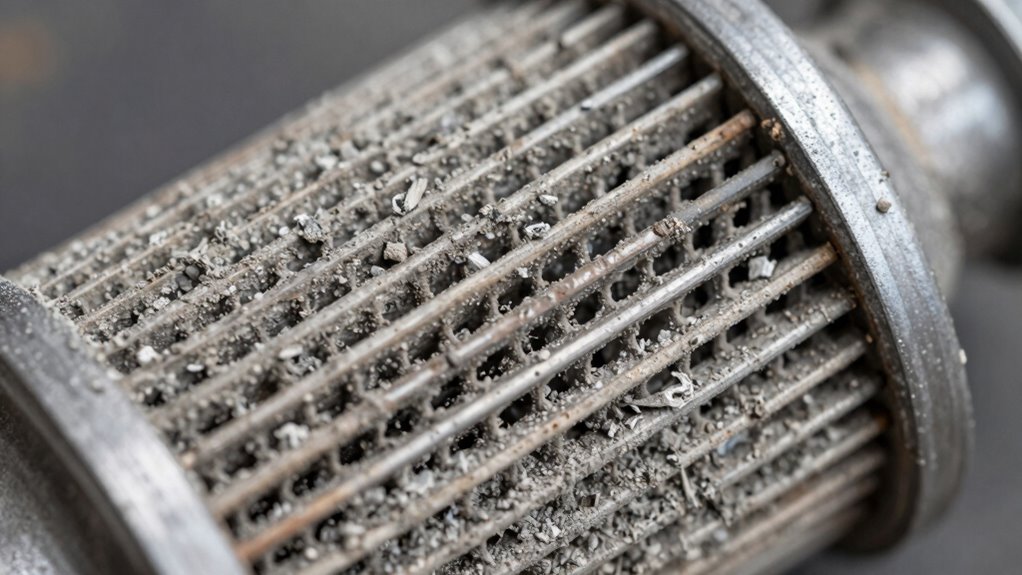
Ash accumulation in diesel particulate filters (DPFs) is a key factor that can impact their performance and longevity. When ash builds up in a DPF, it can clog the filter channels, reduce exhaust flow, and increase backpressure. Over time, this leads to more frequent regeneration cycles or, worse, premature DPF failure. The primary cause of ash buildup is related to the engine oil formulations you choose for your vehicle. Not all oils are created equal when it comes to ash deposit formation. Some oils contain additives, such as zinc or phosphorus, that don’t burn off during combustion and instead leave behind ash residues. If your engine oil has high levels of these additives, it can accelerate ash accumulation in the DPF, shortening its service life and increasing maintenance costs.
Understanding how oil formulations influence ash deposit formation is vital. Modern engine oils are often formulated specifically to minimize ash production, especially for vehicles equipped with DPFs. Low-ash or ashless oils are designed to burn off cleaner during operation, reducing the amount of residual ash that can deposit in the filter. When you select the right oil, you’re not just protecting your engine but also extending the life of your DPF. It’s important to follow your vehicle manufacturer’s recommendations regarding oil types, especially if it calls for low-ash or synthetic oils. These products contain fewer additives that form ash, helping to keep the DPF cleaner for longer periods.
Choosing the wrong engine oil can cause more than just ash buildup; it can also influence the rate of soot accumulation and the efficiency of regeneration cycles. Oils with high ash content tend to produce more deposits that settle in the DPF, leading to increased maintenance needs. Regular oil changes with formulations designed to reduce ash deposit formation can considerably slow down this process. This proactive approach ensures your DPF remains functional, maintaining ideal exhaust after-treatment and fuel economy.
Ultimately, understanding the link between engine oil formulations and ash deposit formation helps you make smarter choices for your vehicle’s health. By prioritizing oils with low ash content, you reduce the risk of DPF clogging and extend its service life. This not only saves you money but also supports environmental compliance and vehicle reliability. In brief, your choice of engine oil directly influences how much ash accumulates in your DPF, making it a pivotal factor in maintaining your vehicle’s performance over time. Recognizing the role of oil formulation in ash deposit formation can help you better manage your vehicle’s maintenance schedule and optimize its lifespan.
As an affiliate, we earn on qualifying purchases.
Frequently Asked Questions
How Does Ash Buildup Affect DPF Regeneration Efficiency?
Ash buildup reduces your DPF’s regeneration efficiency by clogging the filter and hindering exhaust flow. This makes it harder for the DPF to burn off soot during regeneration cycles. Regular ash removal is essential to maintain ideal performance. If ash accumulates excessively, you’ll notice decreased fuel economy and potential DPF failure. To keep your vehicle running smoothly, guarantee proper oil choice and follow recommended maintenance to minimize ash buildup and support effective regeneration.
Are Synthetic Oils Better for Reducing Ash in DPFS?
Yes, synthetic oils are generally better for reducing ash in DPFs. Their oil formulation includes advanced additive effects that produce less ash during combustion. These additives are designed to minimize deposit buildup, helping your DPF stay cleaner longer. By choosing synthetic oils, you support ideal filter performance and extend maintenance intervals, ensuring your vehicle runs efficiently and reduces the risk of costly DPF issues caused by ash accumulation.
What Maintenance Practices Minimize Ash Accumulation?
To minimize ash accumulation, you should stick to recommended oil change intervals and use low-ash oils. Regularly inspect and clean your DPF using appropriate filter cleaning techniques, such as controlled regeneration or professional cleaning. Avoid extended idling and excessive short trips, which increase ash buildup. Maintaining proper engine operation and adhering to service schedules help guarantee your DPF stays cleaner longer, enhancing its lifespan and performance.
Can Aftermarket Oils Extend DPF Service Life?
Yes, aftermarket oils with specific oil additives can help extend your DPF’s service life by reducing ash buildup. These oils often contain cleaner additives that minimize ash accumulation, which means less frequent filter cleaning and regeneration cycles. By choosing high-quality aftermarket oils, you support better combustion, lessen ash deposits, and ultimately improve DPF longevity, saving you maintenance costs and downtime in the long run.
How Does Driving Style Influence Ash Deposit Formation?
Your driving habits and fuel quality substantially impact ash deposit formation in your DPF. Aggressive driving, frequent short trips, and idling increase soot buildup, leading to more ash deposits. Using high-quality fuel reduces contaminants that contribute to ash. To minimize ash accumulation, drive smoothly, avoid harsh accelerations, and opt for better fuel. Regular maintenance also helps keep ash deposits in check, extending your DPF’s service life.
As an affiliate, we earn on qualifying purchases.
Conclusion
Choosing the right oil can dramatically extend your DPF’s life, preventing ash buildup that’s as relentless as time itself. By making informed oil choices, you’re not just maintaining your engine—you’re guarding against the silent destruction that can turn a simple service into a catastrophic failure. Don’t underestimate the power of proper oil; it’s your first line of defense in ensuring your vehicle’s longevity. Act now, because neglect could cost you more than just time—possibly your entire engine.
synthetic engine oil for diesel vehicles
As an affiliate, we earn on qualifying purchases.
As an affiliate, we earn on qualifying purchases.
As an affiliate, we earn on qualifying purchases.
NFL season / tailgating Picks
team gear
As an affiliate, we earn on qualifying purchases.