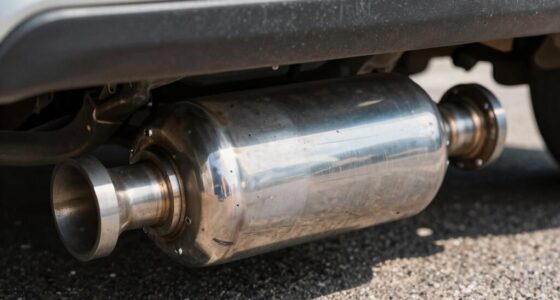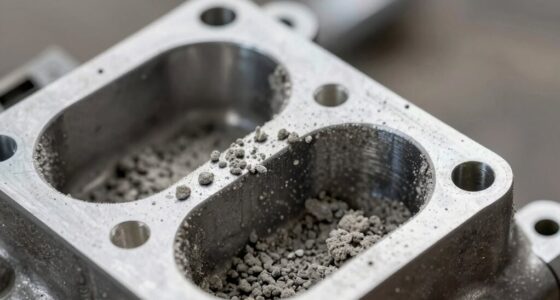
When a product is labeled ‘DPF-Friendly,’ it usually suggests compatibility with diesel particulate filters, but it doesn’t guarantee your vehicle’s emissions, performance, or long-term health. These labels often mean the product aims to reduce soot buildup or support DPF function, yet they don’t ensure proper regeneration or prevent clogs. To truly protect your DPF, you need to understand what these claims imply and look for verified certifications—there’s more to take into account if you want lasting results.
Key Takeaways
- ‘DPF-Friendly’ labels indicate compatibility but do not guarantee optimal DPF performance or prevent regeneration issues.
- Such claims often lack specifics on long-term durability, emissions, or maintenance requirements.
- Certification from reputable organizations and clear ingredient lists are essential to verify product effectiveness.
- The label doesn’t ensure proper DPF regeneration, emissions compliance, or protection against clogging and damage.
- Proper vehicle maintenance, driving habits, and using certified low-ash oils are critical alongside ‘DPF-Friendly’ products.
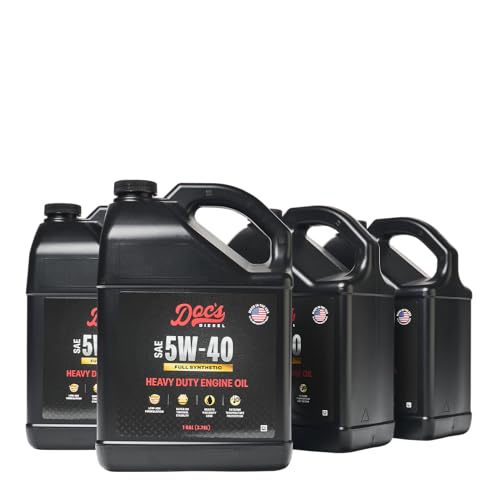
Doc's Diesel 5W-40 Full Synthetic Heavy Duty Diesel Oil DOCS5W40-4 | 4-Gallons
DOC'S DIESEL HEAVY DUTY DIESEL OIL – Doc's Diesel 5W-40 Full Synthetic Heavy Duty Diesel Oil is engineered…
As an affiliate, we earn on qualifying purchases.
As an affiliate, we earn on qualifying purchases.
What Does ‘DPF-Friendly’ Really Mean for Your Diesel Vehicle?
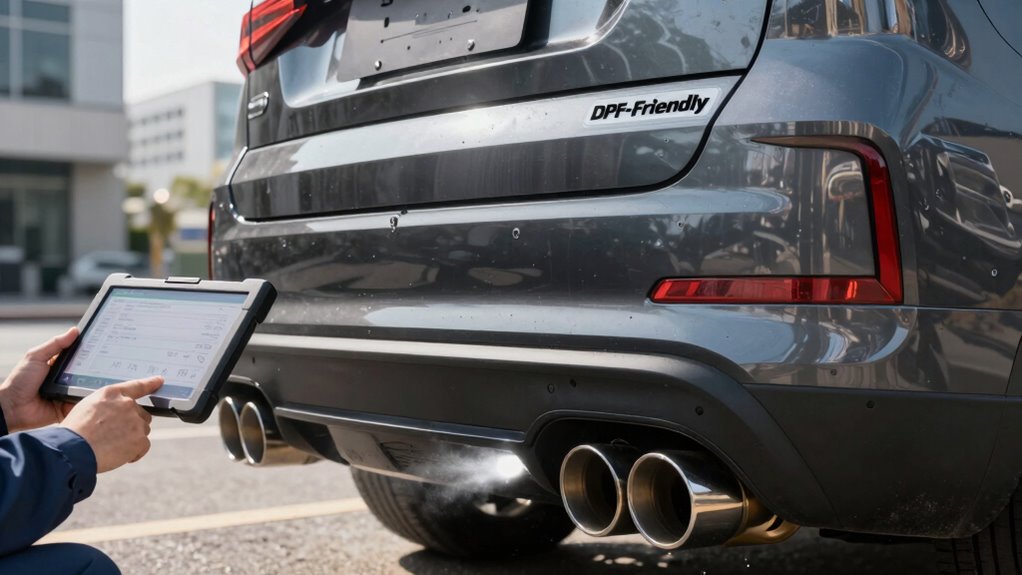
What does “DPF-friendly” really mean for your diesel vehicle? It indicates that certain oils, additives, or filters are designed to support the Diesel Particulate Filter (DPF) in doing its job effectively. Fundamentally, “DPF-friendly” products help prevent excessive soot buildup or clogging, which can lead to costly repairs or reduced engine performance. These products often have low ash or sulfur content, reducing the risk of damaging the DPF during regular use. Using “DPF-friendly” products means you’re choosing options that are compatible with your vehicle’s emissions system and help it operate smoothly over time. However, it doesn’t necessarily mean they will eliminate all DPF maintenance or issues; it just suggests they are formulated with DPF health in mind.

Power Service Diesel Injector & DPF Flush – 12 Ounce
Flushes entire fuel system in a single tank for rapid clean-up
As an affiliate, we earn on qualifying purchases.
As an affiliate, we earn on qualifying purchases.
What Do ‘DPF-Friendly’ Oils, Additives, and Filters Claim to Do?
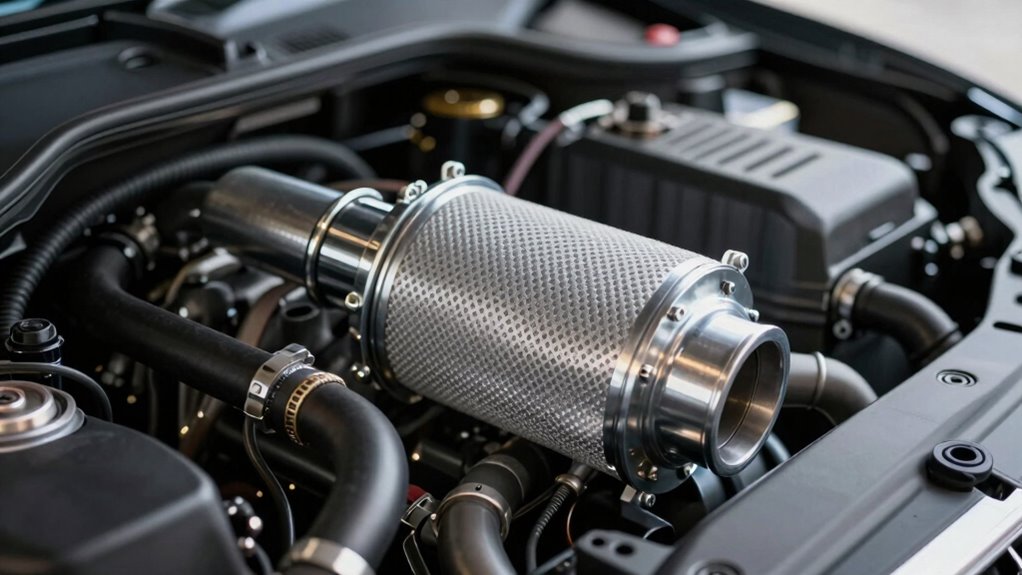
‘DPF-friendly’ oils, additives, and filters are formulated to support the health and efficiency of your vehicle’s Diesel Particulate Filter. They claim to reduce the buildup of soot and ash, helping your DPF stay clean longer. Some products promise to lower the frequency of regeneration cycles, aiming to prevent clogging and maintain ideal airflow. Others suggest they can help burn off deposits more effectively or protect the filter from excessive ash accumulation. These claims often include improving fuel economy and reducing emissions. Fundamentally, these products market themselves as tools to prolong DPF life, minimize maintenance costs, and keep your vehicle running smoothly. While some claims may have merit, it’s important to understand what they’re actually designed to do and what they don’t guarantee.

MotorPower Care Best Cleaning Solution for The Diesel particulate Filter DPF no disassembling Needed Fast and Effective
The Latest Foam cleaning technology, Super effective easy to use DPF cleaner Kit, used by professionals and 1000s…
As an affiliate, we earn on qualifying purchases.
As an affiliate, we earn on qualifying purchases.
Do These Products and Filters Actually Protect Your DPF?
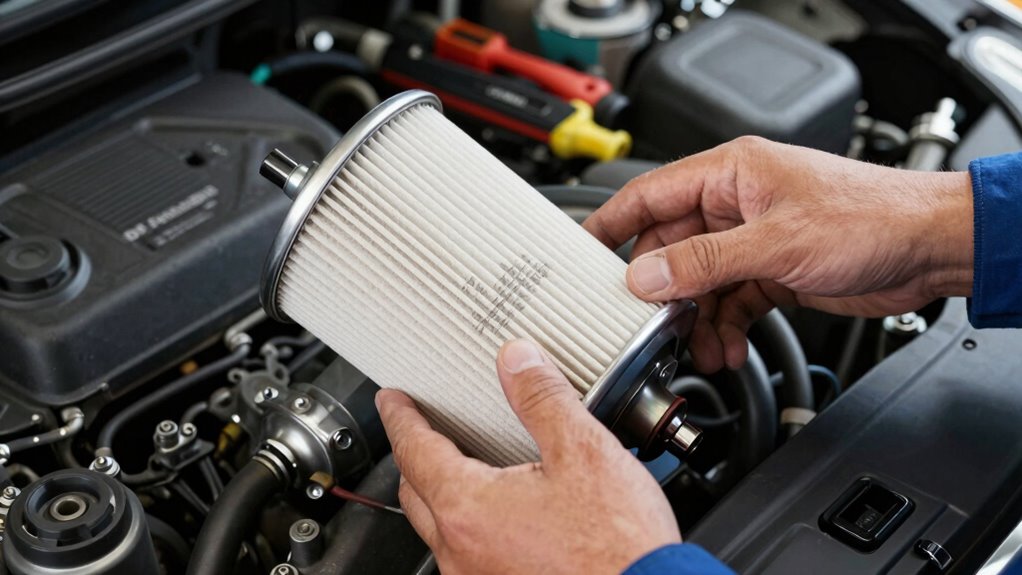
You might wonder if these additives and filters truly safeguard your DPF. Some products claim effectiveness, but their actual performance varies and isn’t always backed by certification. It’s important to check whether genuine filter certifications and proven ingredients support their claims. Additionally, understanding proper DPF maintenance can significantly influence their effectiveness over time. Regular filter inspection and cleaning can help maintain optimal performance and extend the lifespan of your DPF. Being aware of sustainable product options can also help you choose environmentally friendly solutions that align with your vehicle’s needs. Incorporating Free Floating principles in selecting products can promote a more environmentally conscious approach to vehicle care and maintenance. Furthermore, familiarizing yourself with durability standards can assist in selecting reliable and long-lasting solutions for your vehicle.
Effectiveness of Additives
Many automotive additives claim to enhance DPF performance and extend the filter’s lifespan, but their actual effectiveness varies. Some products may help reduce ash buildup or lower soot emissions temporarily, but they don’t guarantee long-term protection. Here are three key points to consider:
- Not all additives can prevent clogging; some simply temporarily mask issues.
- Effectiveness depends on the type of additive and your driving habits.
- Overuse or reliance on additives might lead to false confidence, delaying necessary maintenance.
- Proper filter cleaning methods are essential for maintaining optimal DPF function and longevity.
While certain additives can offer short-term benefits, they shouldn’t replace proper maintenance or filter cleaning. Using them cautiously and understanding their limits helps ensure your DPF stays healthier longer.
Genuine Filter Certifications
While some additives and filters claim to be certified or “genuine,” verifying whether these certifications truly indicate effective protection for your DPF is vital. Not all certifications are created equal, and some may be outdated or superficial. Look for recognized standards from reputable organizations like ISO or OEM approvals that specify DPF compatibility and performance. Certification alone doesn’t guarantee the product will prevent blockages or extend your DPF’s lifespan. Always research the certifying body and test results behind the claim. If a product’s certification seems vague or too good to be true, it’s wise to question its authenticity. Genuine certifications should offer transparency and proven results, giving you confidence that the filter or additive will adequately protect your DPF. Additionally, understanding the filter certification process can help you assess whether a product genuinely meets the necessary standards for optimal DPF protection. Knowing the certification standards can provide further insight into how rigorous and trustworthy the certification is. Recognizing industry-recognized testing procedures can further aid in evaluating the reliability of these certifications, especially when linked to regional or international standards, which ensure a consistent quality baseline across products. Moreover, examining manufacturer transparency can reveal how open companies are about their testing methods and certification details, further supporting your decision.

#1 DPF foam cleaner Diesel particulate filter without disassembling easy to use Latest cleaning technology cleaner
#1 DPF Diesel Particulate Filter Foam Cleaner, high technology cleaning solution tested and approved by many diesel specialists.
As an affiliate, we earn on qualifying purchases.
As an affiliate, we earn on qualifying purchases.
How Can You Tell if a Product Is Truly DPF-Friendly?
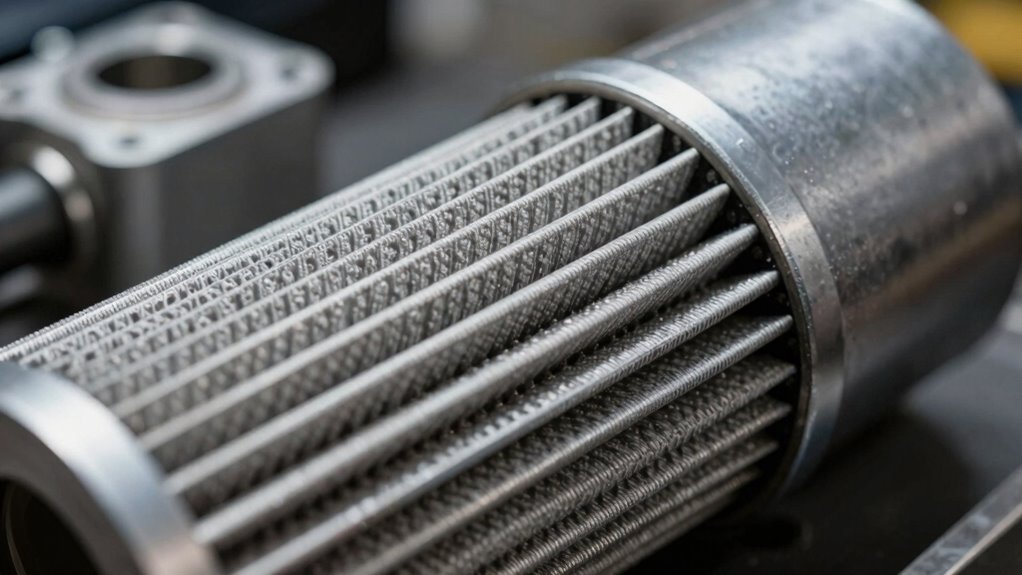
Detecting if a product is truly DPF-friendly requires careful scrutiny of its labeling and ingredients. First, check for specific mentions of DPF compatibility or certification symbols from reputable sources. Second, review the ingredient list for substances that are known to cause clogging or damage to filters, such as heavy oils or incompatible detergents. Third, research the manufacturer’s claims and reputation—trustworthy brands often provide transparent information about their products’ effects on DPFs. Remember, a label that simply says “DPF-friendly” without supporting details isn’t enough. Instead, focus on verified certifications and clear ingredient disclosures. By doing so, you ensure your product genuinely supports your vehicle’s DPF health and longevity.
What ‘DPF-Friendly’ Labels Don’t Guarantee About Your Vehicle’s Performance?

A ‘DPF-Friendly’ label doesn’t promise your vehicle will regenerate the filter properly or consistently. Even if it’s labeled as such, emissions can still vary depending on driving habits and conditions. Plus, the long-term durability of these products remains uncertain, so your vehicle’s performance might not meet expectations over time.
DPF Regeneration Compatibility
Although a vehicle labeled as ‘DPF-friendly’ suggests compatibility, it doesn’t guarantee smooth or reliable DPF regeneration. You might still face issues if the system isn’t properly maintained or if driving conditions aren’t ideal. A ‘DPF-friendly’ label doesn’t assure your vehicle will regenerate the filter effectively every time.
Consider these points:
- Regeneration depends on driving habits—short trips hinder the process.
- Proper maintenance, like regular oil changes, influences regeneration success.
- External factors, such as fuel quality and ambient temperature, impact DPF cleaning.
- Environmental impact of tissue paper highlights the importance of eco-friendly practices in everyday items, which can also be applied to vehicle maintenance and choosing sustainable products.
- Driving patterns play a crucial role in ensuring effective DPF regeneration, especially in urban environments with frequent stopping and starting.
- Maintaining a consistent driving style that includes longer journeys can significantly improve DPF regeneration outcomes.
- Regularly monitoring your vehicle’s warning indicators can help identify potential DPF issues early, preventing costly repairs.
Just because your vehicle is labeled as ‘DPF-friendly’ doesn’t mean you’re immune to regeneration problems. You need to stay attentive to driving patterns and maintenance to keep the filter working properly.
Emissions Still May Vary
Even if your vehicle is labeled as ‘DPF-friendly,’ it doesn’t mean emissions will always stay within the same limits. Several factors can influence emissions, including driving habits, maintenance, and fuel quality. Short trips that don’t allow proper DPF regeneration can cause soot buildup, leading to higher emissions over time. Additionally, engine tuning or aftermarket modifications might affect how efficiently your vehicle burns fuel and manages exhaust gases. Weather conditions, such as cold temperatures, can also impact DPF performance, potentially increasing pollutants released during combustion. While a ‘DPF-friendly’ tag suggests compatibility with particulate filters, it doesn’t guarantee consistent emissions levels under all circumstances. You need to remain aware of your vehicle’s condition and driving patterns to ensure emissions stay within legal and environmental standards.
Long-Term Durability Uncertain
While a ‘DPF-friendly’ label suggests your vehicle is compatible with particulate filters, it doesn’t promise long-term durability or consistent performance over time. You might find that the filter’s effectiveness diminishes, or maintenance becomes more frequent than expected. To understand this better, consider:
- Wear and Tear: Over years, filters can clog or degrade, reducing efficiency and potentially causing engine issues.
- Maintenance Costs: Frequent cleaning or replacement might be necessary, adding expenses that aren’t guaranteed upfront.
- Performance Fluctuations: Your vehicle’s ability to meet emissions standards could vary as the filter ages, affecting overall performance.
In short, labels don’t guarantee that your vehicle will stay reliable or cost-effective in the long run.
What Are the Risks of Relying on ‘DPF-Friendly’ Claims Without Proper Knowledge?
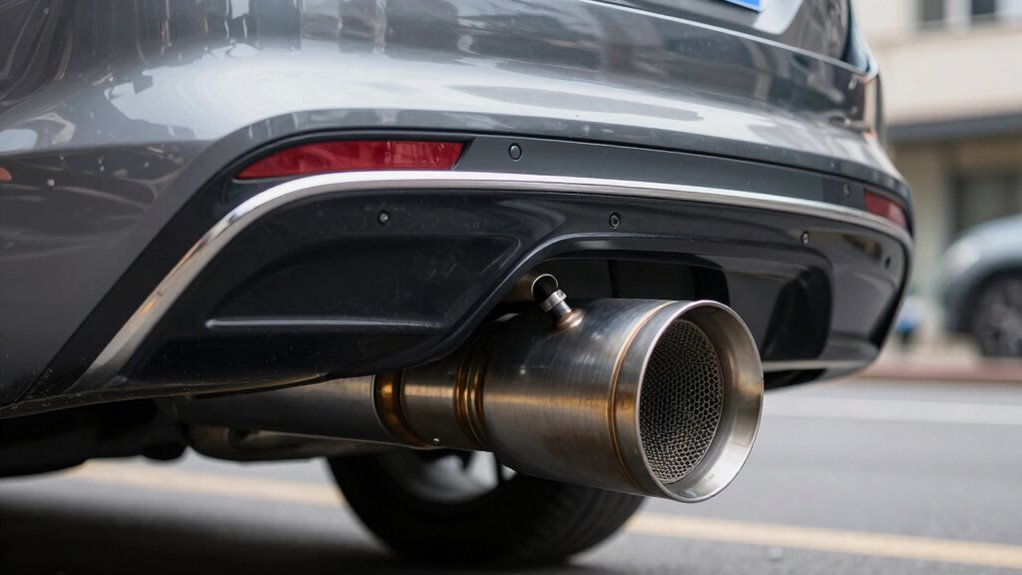
Relying on ‘DPF-friendly’ claims without understanding their true meaning can lead to serious problems. You might assume a product is safe for your diesel particulate filter (DPF) when it’s not, risking damage or clogging. Using incompatible oils, additives, or filters can cause incomplete combustion, increase soot buildup, and reduce filtering efficiency. This can lead to costly repairs or even the need for DPF replacement. Without proper knowledge, you also risk voiding warranties or breaching manufacturer recommendations. Misinterpreting these claims may give a false sense of security, but it won’t prevent issues caused by unsuitable products. Additionally, misleading marketing can make it difficult to identify truly compatible products, further risking your vehicle’s health. Ultimately, trusting vague claims without understanding their specifics can compromise your vehicle’s performance and longevity, making it essential to verify what “DPF-friendly” truly means before acting.
How to Choose DPF-Safe Oils, Additives, and Filters?
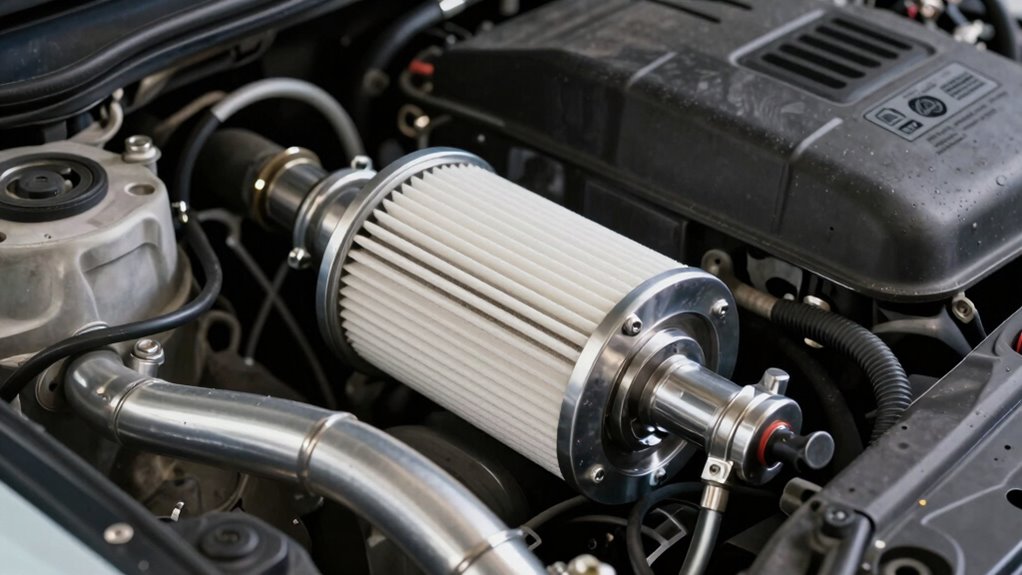
Choosing DPF-safe oils, additives, and filters requires careful attention to product specifications and manufacturer recommendations. You need to guarantee that everything you use is compatible with your vehicle’s DPF system to prevent damage or clogging.
Ensure all oils, additives, and filters are DPF-compatible to protect your vehicle’s system and prevent damage.
To do this effectively, consider these points:
- Check Certifications: Always select oils and additives that explicitly state compatibility with DPF systems, such as ACEA C3 or OEM-approved labels.
- Follow Manufacturer Guidelines: Use filters and additives recommended by your vehicle’s manufacturer to avoid unintended consequences.
- Avoid Unverified Products: Steer clear of cheap or generic products that lack clear specifications or endorsements, as they may not be DPF-friendly.
- Understand the role of catalytic converters and their interaction with DPF components to ensure comprehensive protection of emissions systems. Additionally, understanding how DPF regeneration works can help you make better choices when selecting compatible products.
Signs Your DPF Might Not Be ‘DPF-Friendly’: And What to Do Next?
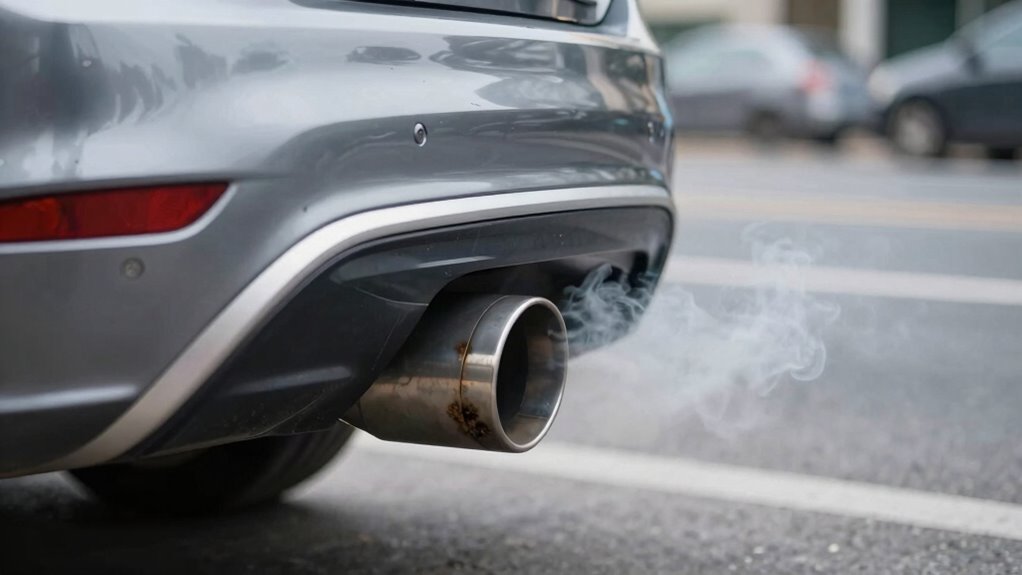
If your DPF isn’t compatible with certain oils or additives, you’ll likely notice warning signs like increased emissions, reduced fuel efficiency, or frequent regeneration cycles. You might also experience a rough idle or a loss of power, as unapproved substances can clog or damage the filter. Another sign is a persistent warning light on your dashboard indicating DPF issues. If you suspect your DPF isn’t friendly to your oil or additives, don’t ignore these signs. The next step is to stop using the suspect products immediately and consult a professional mechanic. They can diagnose the problem, perform a forced regeneration if needed, and recommend suitable oils or additives to prevent further damage. Acting quickly can save you costly repairs and extend your DPF’s lifespan.
Make Informed Choices to Protect Your DPF and Keep Your Diesel Running Smoothly
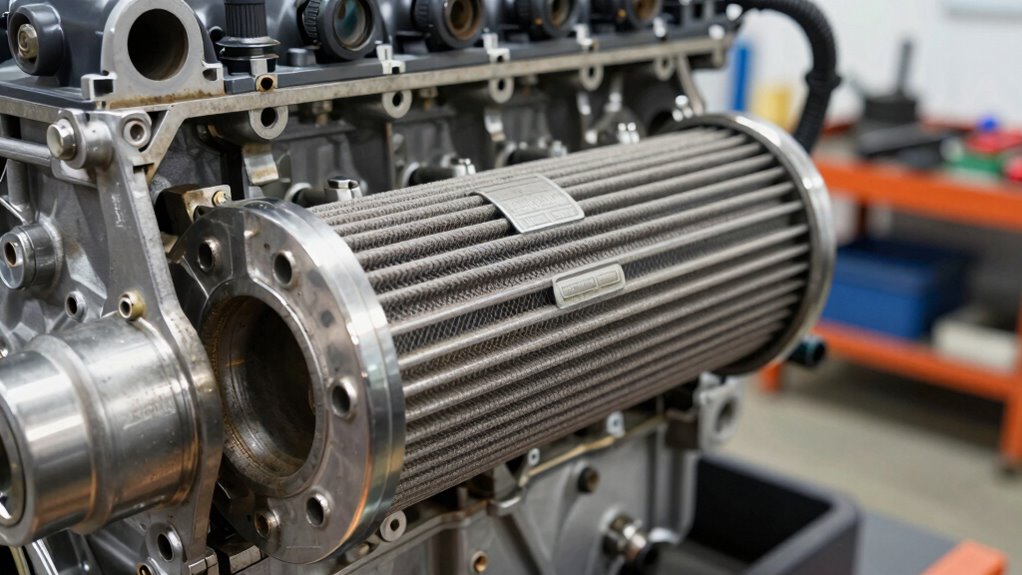
Maintaining a healthy DPF starts with making informed decisions about the oils and additives you use. Choose high-quality, low-ash oils that meet your vehicle’s specifications to reduce ash buildup. Be cautious with additives claiming to clean or improve DPF performance; not all are effective or safe. Regularly follow your manufacturer’s maintenance schedule, including timely DPF regeneration.
Here are three key points to keep in mind:
- Use only recommended oils and additives to avoid damaging your DPF.
- Monitor your vehicle’s warning lights and performance for early signs of issues.
- Drive consistently at highway speeds to promote proper DPF regeneration and prevent blockages.
Making these choices helps keep your diesel engine running smoothly and extends your DPF’s lifespan.
Frequently Asked Questions
Can Using ‘Dpf-Friendly’ Products Void My Vehicle’s Warranty?
Using ‘Dpf-friendly’ products typically won’t void your vehicle’s warranty if the products are genuine and approved by the manufacturer. However, if you use unapproved or harmful substances that damage your DPF or engine, your warranty could be nullified. Always check your vehicle’s warranty terms and consult your manufacturer before using any additives or products to ensure they’re safe and compatible with your vehicle.
Are ‘Dpf-Friendly’ Labels Regulated or Verified by Authorities?
You should know that ‘Dpf-friendly’ labels aren’t strictly regulated or verified by authorities. Manufacturers often use these claims to suggest their products are safe for your vehicle’s diesel particulate filter, but there’s no official certification process. So, you need to be cautious and do your research before trusting these labels. Look for independent testing or reviews to ensure the product genuinely supports your DPF’s health and performance.
How Often Should I Use ‘Dpf-Friendly’ Additives or Filters?
You should use DPF-friendly additives or filters only as recommended, typically during regular maintenance or when experiencing DPF issues. For example, if your vehicle’s DPF sensor signals clogging, adding a DPF cleaner every 10,000 to 15,000 miles can help. Avoid excessive use, which may cause more harm than good. Follow your manufacturer’s guidelines and consult a mechanic to determine the ideal frequency for your specific vehicle.
Do ‘Dpf-Friendly’ Products Improve Fuel Economy?
Using ‘Dpf-friendly’ products can improve your fuel economy by helping your diesel particulate filter (DPF) operate more effectively. When your DPF stays cleaner, your engine doesn’t have to work as hard to clear exhaust gases, saving fuel. However, the actual gains depend on your driving habits and the product used. Regular maintenance alongside these products can maximize fuel savings and keep your vehicle performing at its best.
Can I Install a ‘Dpf-Friendly’ Filter Myself?
Yes, you can install a ‘DPF-friendly’ filter yourself if you have the right tools and mechanical skills. Start by ensuring compatibility with your vehicle, then follow the manufacturer’s instructions carefully. Be prepared to clear any error codes afterward, and consider professional help if you’re unsure. Remember, proper installation is essential to avoid damaging your vehicle or impacting its emissions system.
Conclusion
Remember, not all “DPF-friendly” claims are created equal. While some products genuinely support your diesel’s DPF health, others may give false reassurance. Don’t rely solely on labels—do your research and consult experts to verify claims. A well-informed choice can help prevent costly repairs and keep your engine running smoothly. Ultimately, understanding the science behind these claims guarantees you protect your vehicle’s performance and longevity, rather than falling for marketing hype.