Sulfated ash isn’t dirt; it’s a mineral residue from sulfur in fuel or additives that reacts during combustion. This ash builds up in your exhaust system, clogging filters and catalysts, which reduces engine efficiency and increases emissions. Excessive buildup can cause performance issues and expensive damage. To keep your system working well, use low-ash oils and maintain proper service intervals. Stay tuned to learn more about how sulfated ash affects your vehicle’s aftertreatment system.
Key Takeaways
- Sulfated ash is a mineral residue from sulfur compounds, not dirt or debris, that accumulates in vehicle filters and catalysts.
- It forms during combustion when sulfur reacts with metal components, creating sulfate compounds that become ash.
- Excess sulfated ash can clog filters, reduce catalyst efficiency, and impair emissions control systems.
- Regular maintenance, low-ash oils, and low-sulfur fuels help minimize ash buildup and protect aftertreatment components.
- Monitoring sulfated ash levels is essential for maintaining vehicle performance and complying with environmental standards.
Lisle 19702 8 Quart Dispenser With Lid And Cap
Now With a Spout Cap and Lid to Keep Out Contaminants.
As an affiliate, we earn on qualifying purchases.
What Is Sulfated Ash and Why Does It Matter?
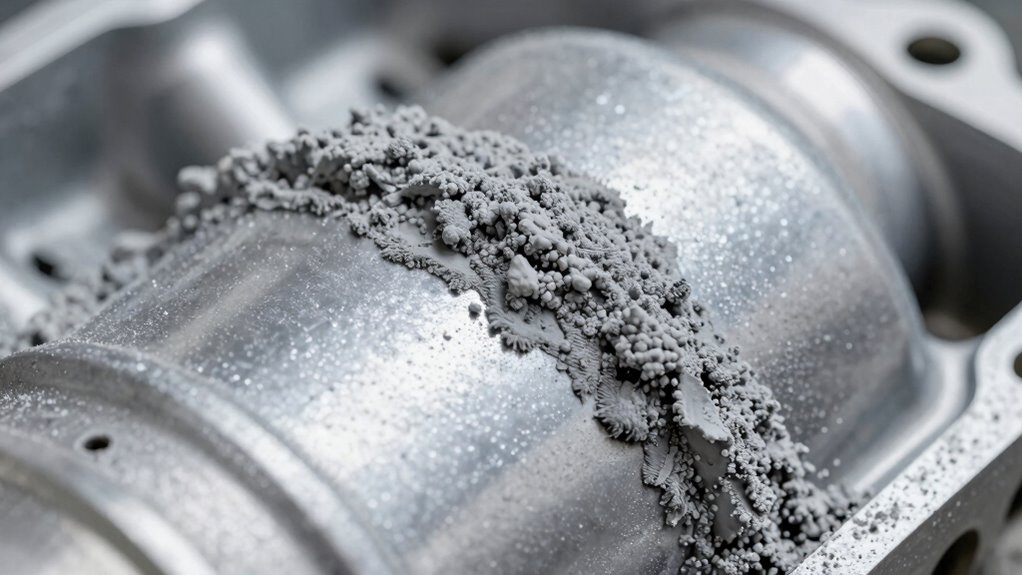
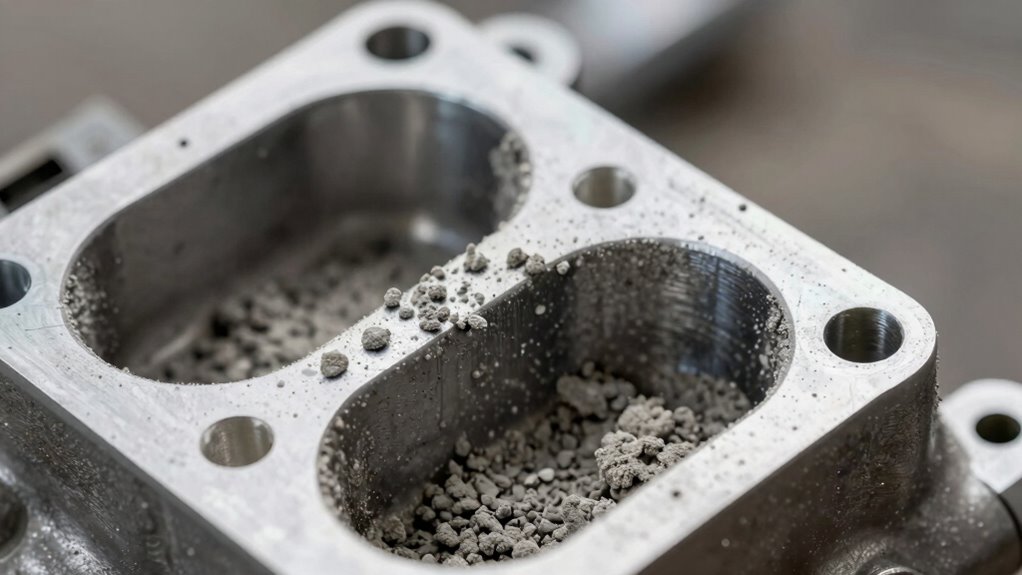
Sulfated ash is a type of residue that forms when sulfur-containing compounds in fuel or additives combine with other materials in your vehicle’s aftertreatment system. Over time, this ash accumulates, mainly from diesel exhaust fluid and certain fuel components. It’s not dirt but a mineral residue that can clog filters and catalytic converters. This buildup can reduce your system’s efficiency, leading to increased emissions and decreased performance. Understanding what sulfated ash is matters because it helps you recognize the importance of proper maintenance and choosing quality additives. While it’s a natural byproduct of combustion, excessive buildup can cause costly damage. Ash accumulation can impact your vehicle’s overall health, emphasizing the importance of monitoring and maintenance. Keeping an eye on sulfated ash levels ensures your vehicle runs smoothly and meets environmental standards, especially as emission control systems become more advanced. Regular maintenance and using appropriate additives can help minimize sulfated ash formation and prolong the life of your vehicle’s exhaust system.

Roughneck Air-Operated Oil Dispenser - 8-Gallon, 145 PSI
Works anywhere without continuous connection to a compressed air line
As an affiliate, we earn on qualifying purchases.
How Does Sulfated Ash Form in Your Engine?
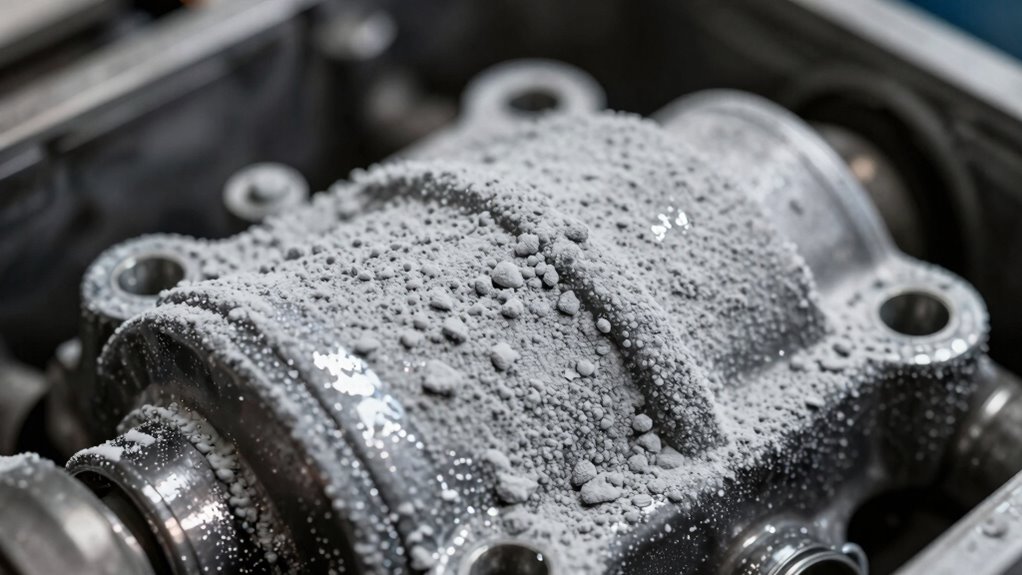
Sulfated ash forms primarily during combustion when sulfur compounds in fuel or additives react with metal components in your engine’s aftertreatment system. This process creates solid deposits that can accumulate over time. Here’s how it happens:
- Sulfur in the fuel combines with metal catalysts or surfaces in the exhaust system during burning.
- The reaction produces sulfate compounds that settle as ash.
- Continuous operation causes these sulfate deposits to build up, especially with high-sulfur fuels.
- Proper maintenance and the use of low-sulfur fuels can significantly reduce the formation of sulfated ash.
- Using quality additives designed to minimize ash formation can also help keep your engine cleaner.
This buildup is inevitable if sulfur isn’t reduced, and it can interfere with aftertreatment efficiency. Understanding how sulfated ash forms helps you appreciate why low-sulfur fuels and proper maintenance are vital for keeping your engine running smoothly and avoiding excessive ash accumulation.

Heavy Duty Air Operated Oil Transfer Pump Digital Petrol Motor Oil Fluid Dispenser Pump Control Valve Meter Nozzle (US Stock)
[Digital Oil Control Valve] The digital oil pump with rigid tube and manual tip or flexible hose and...
As an affiliate, we earn on qualifying purchases.
How Can You Recognize Excessive Sulfated Ash Buildup?
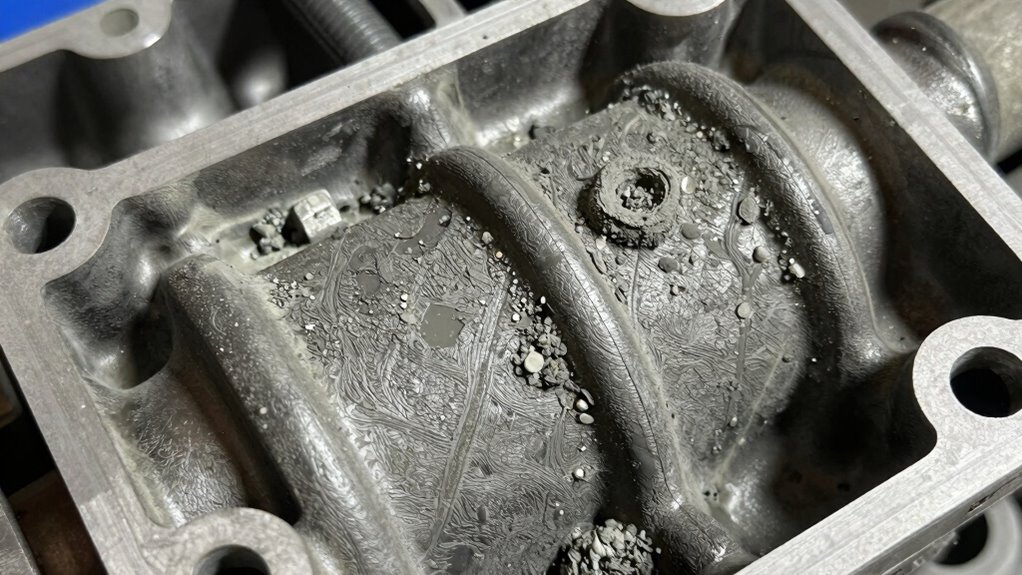
When sulfated ash builds up excessively, it begins to affect your engine’s performance and maintenance schedule. You might notice a decline in fuel efficiency or a drop in power, especially during acceleration. Your engine may run rougher or idle unevenly as ash clogs filters and restricts airflow. Increased exhaust backpressure can lead to more frequent DPF regenerations or warning lights on your dashboard. You might also observe a rise in emissions or smell unusual fumes. If you’re replacing filters more often than usual or observing persistent warning indicators, excessive sulfated ash could be the culprit. Monitoring these signs helps you recognize when ash buildup is getting out of control, prompting timely maintenance to prevent more serious issues down the line.
5-Gallon Lever Bucket Pump, Self-Priming Lubricant Pump, 1 Qt/12 Strokes, 5 ft Oil-Resistant Hose & Curved Nozzle, Fits 10–12.25" Bucket Openings
POWERFUL LEVER ACTION PUMP: Delivers smooth, consistent pumping for oils, lubricants, ATF, gear oils, and hydraulic fluids—built for...
As an affiliate, we earn on qualifying purchases.
How Does Sulfated Ash Damage Catalytic Converters and Filters?
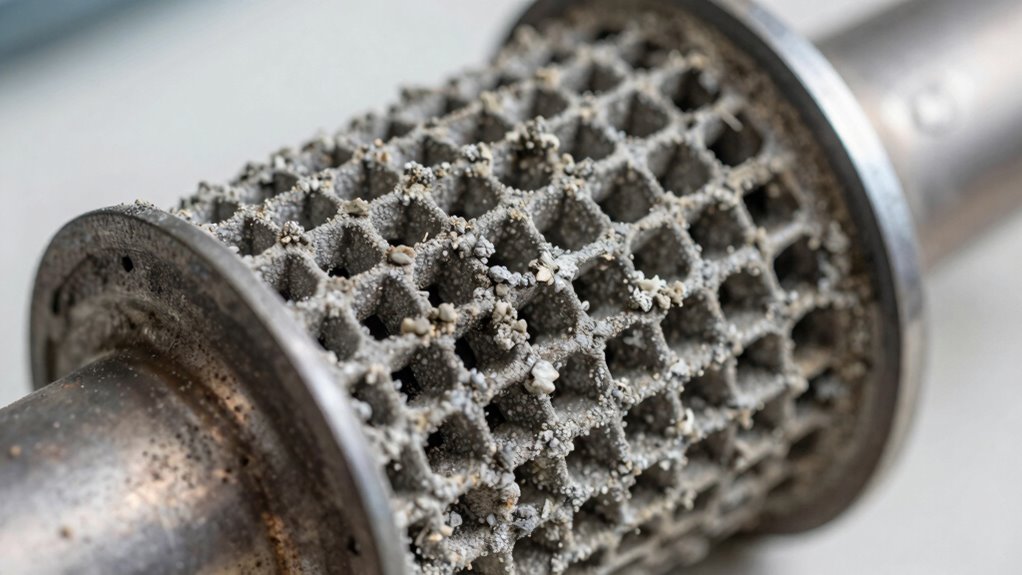
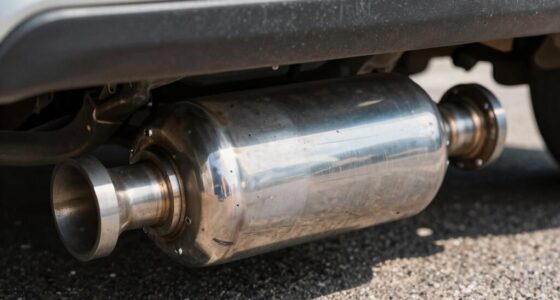
Sulfated ash can substantially damage catalytic converters and filters by accumulating inside them and restricting airflow. This buildup blocks the passage of exhaust gases, leading to decreased efficiency and increased backpressure. Over time, the following issues occur:
- Reduced Catalyst Effectiveness: The ash coats catalyst surfaces, preventing proper chemical reactions needed to reduce emissions.
- Increased Exhaust Backpressure: Restricted airflow causes strain on the engine, lowering performance and fuel economy.
- Premature Component Failure: Excessive ash buildup accelerates deterioration, forcing costly replacements or repairs. Additionally, straining paint techniques in DIY projects highlight the importance of proper maintenance to prevent such buildup in related systems.
This damage compromises your vehicle’s emissions system, making it less effective at controlling pollutants. Acting early to prevent sulfated ash accumulation helps preserve your catalytic converter and filter longevity. Additionally, understanding exhaust system maintenance can help prevent such issues before they become costly repairs.
Tips to Minimize Sulfated Ash and Protect Your Emissions System
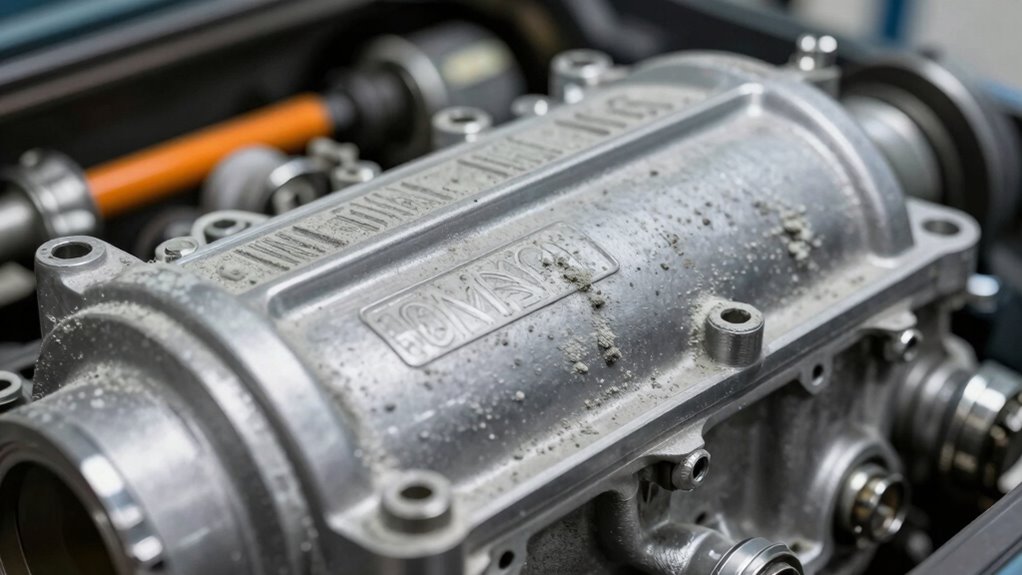
To minimize sulfated ash buildup and protect your emissions system, start by using high-quality, low-ash engine oils designed for your vehicle. Regular oil changes with these specialized oils reduce ash accumulation that can clog filters and damage catalysts. Maintain proper engine tuning to guarantee efficient combustion, which minimizes soot and ash formation. Additionally, avoid extended idle periods and harsh driving conditions, as they accelerate ash buildup. Consider the following table for ideal practices:
| Practice | Benefit | Recommended Action |
|---|---|---|
| Use low-ash oils | Reduces ash deposits | Switch to API SN or CK-4 oils |
| Regular maintenance | Keeps emissions system clean | Follow manufacturer’s service schedule |
| Avoid prolonged idling | Limits ash accumulation | Turn off engine if idle exceeds 5 mins |
Furthermore, understanding sulfated ash and its impact on aftertreatment components can guide better maintenance practices. Being aware of vibration therapy and temperature treatments can also support overall engine health and longevity. Using engine flush products periodically can help remove residual ash deposits and maintain optimal engine performance. Incorporating regular diagnostics can help detect early signs of ash buildup before it causes system failures. Additionally, staying informed about emissions system regulations helps ensure your vehicle remains compliant and functions optimally.
Frequently Asked Questions
How Does Sulfated Ash Impact Overall Engine Performance?
Sulfated ash can reduce your engine’s performance by clogging filters and catalysts, leading to decreased efficiency. It accumulates in aftertreatment systems, causing increased backpressure and potential damage over time. You might notice reduced power, higher emissions, or more frequent maintenance needs. To keep your engine running smoothly, it’s essential to monitor ash levels and use proper oils and additives that minimize sulfate buildup.
Are There Specific Fuels That Increase Sulfated Ash Formation?
Think of fuels as the fuel to your engine’s fire — some can stoke the flames more aggressively. Certain diesel fuels with higher sulfur content increase sulfated ash formation, acting like uninvited guests that clog your aftertreatment system. Low-sulfur diesel fuels are better choices, helping your engine run cleaner and longer. Always check your fuel’s specifications to guarantee it aligns with your engine’s requirements, preventing unnecessary buildup and maintenance issues.
Can Synthetic Oils Reduce Sulfated Ash Buildup?
Yes, using synthetic oils can reduce sulfated ash buildup. Synthetic oils have cleaner combustion properties and produce fewer ash-forming additives, which helps keep your engine’s aftertreatment system cleaner longer. They also resist breakdown better at high temperatures, minimizing ash deposits. By choosing high-quality synthetic oils, you can extend maintenance intervals, improve engine efficiency, and protect your emissions system from excessive ash accumulation.
What Maintenance Intervals Help Manage Sulfated Ash Levels?
To keep sulfated ash levels in check, stick to your vehicle’s recommended maintenance intervals. Think of it as giving your engine a gentle tune-up, allowing filters and aftertreatment systems to breathe freely. Regular oil changes every 5,000 to 10,000 miles, depending on your driving habits and oil type, help prevent buildup. This proactive approach guarantees your engine runs smoothly, reducing the risk of costly repairs and maintaining ideal performance.
Are There Aftermarket Solutions to Prevent Sulfated Ash Accumulation?
Yes, you can find aftermarket solutions like additive treatments designed to reduce sulfated ash buildup. Some products help lower ash accumulation or extend maintenance intervals by improving combustion efficiency. Regularly using these additives, along with proper engine operation and following recommended maintenance schedules, can help you manage sulfated ash levels more effectively. Always choose reputable brands and consult your equipment manufacturer for compatibility to avoid potential issues.
Conclusion
Understanding sulfated ash is key to protecting your vehicle’s emissions system. Did you know that excessive ash buildup can reduce catalytic converter efficiency by up to 50%? By following simple tips to minimize ash, you can extend the life of your emissions components and save money. Stay proactive with maintenance, and your engine will run smoother and cleaner longer. Keep an eye on ash levels—your car’s performance depends on it.