

Friction modifiers in your engine oil can make your vehicle feel smoother because they reduce metal-to-metal contact, quieting engine sounds and vibrations. However, this smoother feel doesn’t always mean the oil performs better overall. Sometimes, oils with similar formulations can produce different sensations due to additive levels or formulation nuances. To understand why some oils feel better than others and how it impacts long-term engine health, keep exploring these factors.

Get business pricing on garage and car supplies
- Business-only prices and quantity discounts
- Tax-exempt purchasing
- Multiple users, one account, clear invoices
Key Takeaways
- Variations in friction modifier concentration can alter engine feel without changing overall oil quality.
- Small differences in additive formulation or interaction with engine surfaces can impact perceived smoothness.
- Proper oil formulation can reduce engine vibrations and noise, making it feel smoother even if performance isn’t improved.
- Consistent oil change intervals and maintenance maintain the smooth operation perception without affecting actual oil efficacy.
- Perceived smoothness may result from minor changes in surface friction, not necessarily indicating better engine protection or performance.
engine oil with friction modifiers
As an affiliate, we earn on qualifying purchases.
As an affiliate, we earn on qualifying purchases.
What Do Friction Modifiers Do in Your Motor Oil?
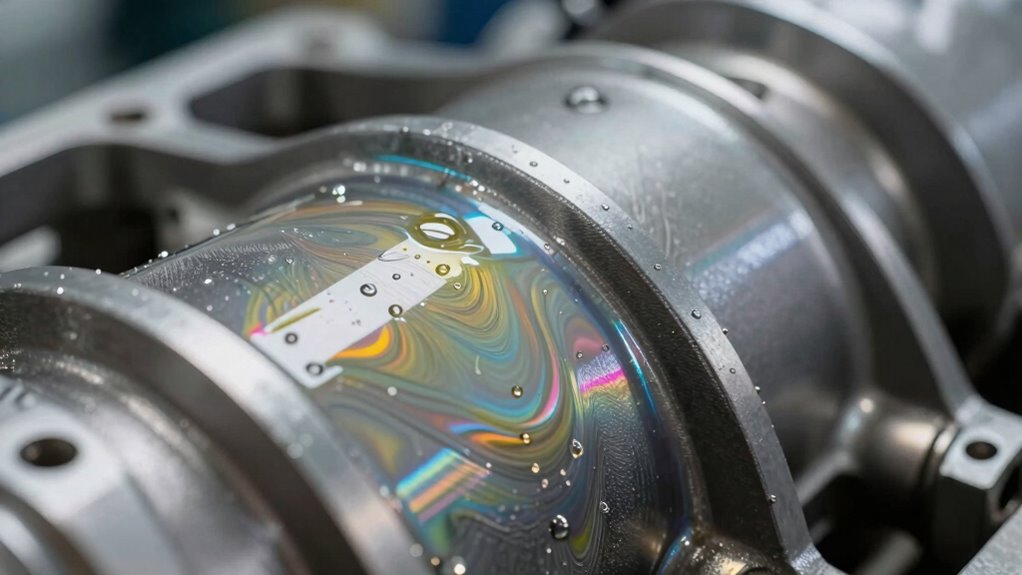
Friction modifiers in your motor oil work by reducing the friction between engine components, helping your engine run more smoothly and efficiently. They form a thin, protective layer on metal surfaces, which minimizes direct contact and lowers resistance. This layer decreases wear and tear on parts like pistons, camshafts, and valves, extending their lifespan. By reducing friction, these additives also help improve fuel economy, as less energy is wasted overcoming resistance. Friction modifiers are especially beneficial during cold starts when engine parts are less lubricated. They work by altering the oil’s surface properties, making it easier for moving parts to glide past each other. Overall, these additives optimize engine performance, reduce heat buildup, and contribute to a quieter, more efficient engine operation.
best synthetic motor oil for smooth engine operation
As an affiliate, we earn on qualifying purchases.
As an affiliate, we earn on qualifying purchases.
Why Do Some Oils Feel Smoother Than Others?
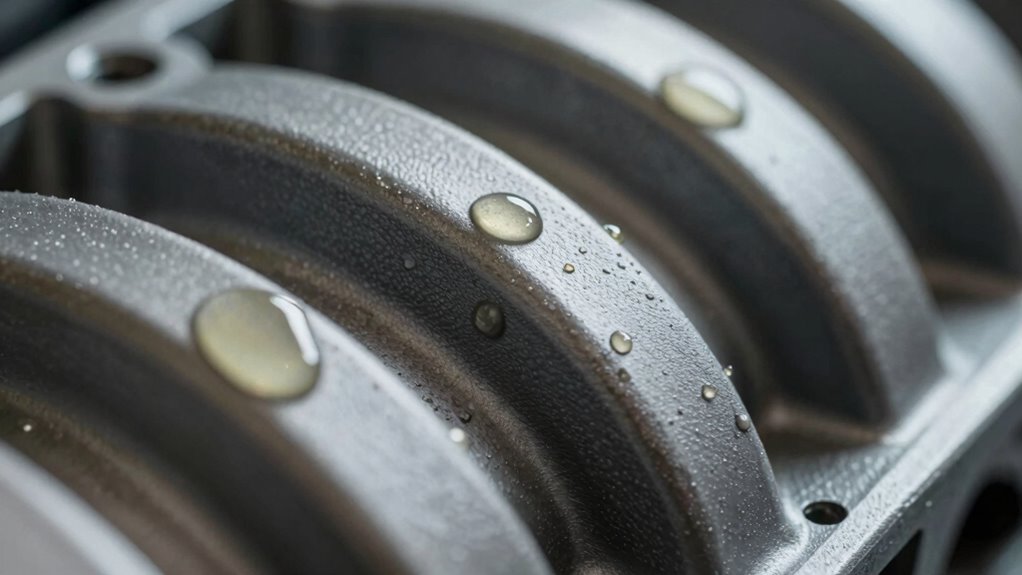
You might notice some oils feel smoother when you drive, and that’s often due to the amount of friction modifiers they contain. Higher concentrations can reduce friction more effectively, making the engine run more quietly and smoothly. Your perception of smoothness depends on these differences in formulation and how they interact with your engine. Additionally, the effectiveness of these additives can depend on the oil’s formulation, and how well they are mixed within the lubricant. Proper formulation compatibility with engine materials is crucial for optimal performance and longevity. Ensuring ingredient stability helps maintain consistent friction reduction over time, contributing to the smoothness you experience. Moreover, the additive compatibility with various engine components can influence how well the oil performs over its service life. Understanding lubricant chemistry is essential for optimizing these effects and ensuring long-term engine health.
Friction Modifier Concentration
The concentration of friction modifiers in engine oils plays a crucial role in how smoothly your engine runs. When these additives are present in the right amounts, they reduce metal-to-metal contact, leading to less friction and smoother operation. Too little, and you won’t notice much difference; too much, and it can cause uneven wear or compromise other oil properties. Manufacturers carefully calibrate the amount of friction modifiers based on the oil’s formulation and intended use. Higher concentrations may enhance perceived smoothness, but they don’t always improve overall performance or fuel economy. Instead, the right balance ensures your engine runs quietly and efficiently without risking damage or reducing protection. So, the specific friction modifier concentration directly influences how your engine feels during operation.
Perception of Smoothness
Oils that feel smoother during operation often contain optimized friction modifiers and balanced formulations. Your perception of smoothness is influenced by how effectively these additives reduce metal-to-metal contact and minimize vibrations. When friction modifiers work well, you experience less resistance and quieter engine performance, giving a sensation of fluidity. However, this perception isn’t solely about actual performance; it’s also shaped by how the oil interacts with your engine’s surfaces. A balanced formulation ensures consistent lubrication and reduces roughness, enhancing the feeling of smoothness. Keep in mind, an oil can feel smoother without necessarily being better in protecting your engine. It’s the combination of formulation, friction reduction, and your engine’s design that creates that perception of silky operation. Additionally, engine maintenance practices play a crucial role in maintaining optimal performance and smoothness over time.
engine oil additive for noise reduction
As an affiliate, we earn on qualifying purchases.
As an affiliate, we earn on qualifying purchases.
How Do Friction Modifiers in Motor Oil Affect Engine Performance and Feel?
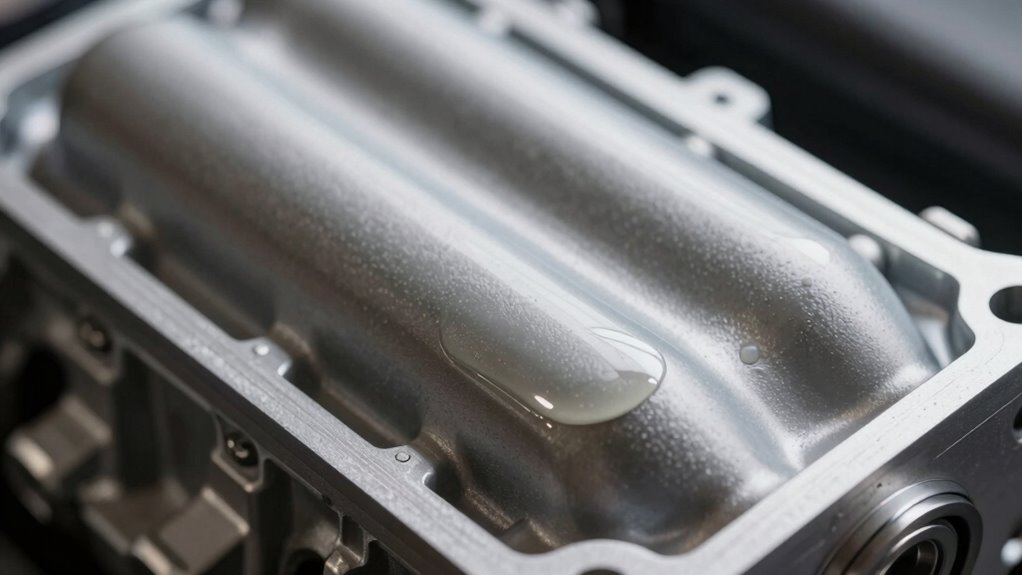
Friction modifiers in motor oil help reduce internal friction, allowing your engine to run more smoothly. This can improve overall efficiency and may even make your car feel more responsive. You’ll notice differences in throttle response and how effortlessly your engine performs. Additionally, balance and motivation can play a role in how well your engine maintains optimal performance over time. Proper oil formulation is essential to ensure these benefits are sustained without compromising other engine functions. Using the right additive technology ensures that friction modifiers work effectively and do not negatively impact other aspects of your engine’s operation. Moreover, understanding how engine components interact with these additives can help in selecting the most suitable motor oil for your vehicle, especially considering different engine designs and operating conditions.
Reduces Internal Friction
When friction modifiers are added to motor oil, they work to reduce internal friction within the engine components. This means the moving parts, like pistons and camshafts, slide past each other more smoothly. As a result, there’s less resistance during engine operation, which can lead to a quieter, smoother feel when driving. Reduced internal friction also decreases the wear and tear on engine parts, helping your engine last longer. You might notice that your engine runs more quietly and responds more effortlessly, especially at startup or low speeds. Even though it doesn’t always boost power or fuel efficiency immediately, lowering internal friction creates a more refined and comfortable driving experience. This is the core reason behind the smoother feel associated with certain motor oils. Additionally, engine performance can be positively affected by proper friction management, enhancing overall driving comfort. Moreover, the reduction in internal friction can contribute to improved engine longevity by minimizing component wear over time. Proper use of friction modifiers can also help maintain optimal oil film strength, further protecting engine components during operation. For example, some studies show that engines with optimized friction management experience less heat buildup, which helps maintain consistent performance. This overall reduction in internal resistance can also lead to less energy loss, making the engine more efficient.
Enhances Engine Efficiency
By reducing internal friction, friction modifiers help your engine operate more smoothly, which can lead to noticeable improvements in efficiency. When your engine runs with less resistance, it requires less energy to turn over, conserving fuel. This means you get better mileage and reduced emissions. Friction modifiers also help maintain peak component contact, preventing excessive wear and tear that can decrease efficiency over time. Here’s how they impact your engine:
| Effect of Friction Modifiers | Benefit to Engine Performance |
|---|---|
| Reduce energy loss | Improved fuel economy |
| Minimize wear | Longer engine lifespan |
| Maintain smooth operation | Consistent performance |
| Lower operating temperatures | Reduced thermal stress |
| Enhance lubrication stability | Better protection against corrosion |
Alters Throttle Response
Friction modifiers in motor oil can substantially influence how your engine responds when you press the throttle. These additives reduce internal friction, allowing engine components to move more freely. As a result, you might notice a quicker or smoother throttle response, especially during acceleration. Reduced friction means less resistance in the engine’s moving parts, enabling the engine to react more promptly to your input. This can lead to a feeling of increased responsiveness and agility. However, it’s important to recognize that this effect isn’t about making the engine more powerful, but about optimizing the engine’s efficiency in transmitting your commands. Keep in mind that while friction modifiers can enhance throttle feel, they don’t necessarily improve overall engine performance beyond smoothness and responsiveness.
high friction modifier engine oil
As an affiliate, we earn on qualifying purchases.
As an affiliate, we earn on qualifying purchases.
Do Friction Modifiers Help Protect Your Engine Over Time?
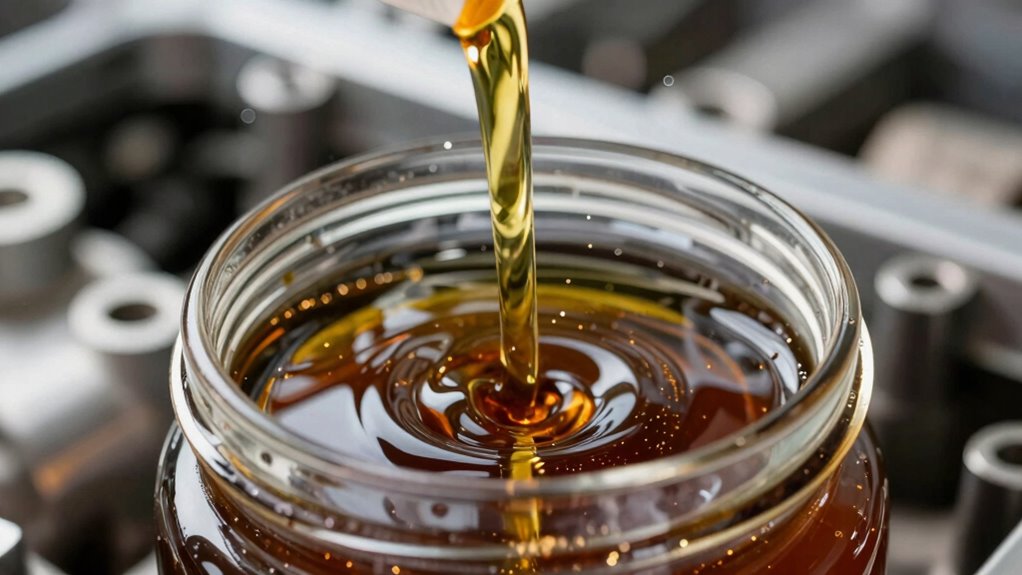
Friction modifiers can play a significant role in protecting your engine over time by reducing the wear and tear on moving parts. They create a smoother surface between metal components, decreasing the friction that causes gradual damage. This enhanced lubrication can help prevent metal-to-metal contact, which is a primary cause of engine wear. Additionally, some formulations include additives that further improve corrosion resistance and thermal stability, contributing to overall engine longevity. Proper formulation and engine conditions are crucial for friction modifier effectiveness, ensuring they deliver the intended protective benefits. When used correctly, friction modifiers can also help maintain optimal fuel efficiency, making them a valuable component of engine maintenance.
How to Choose the Best Oil for Your Driving Style and Needs

Choosing the right oil for your vehicle depends heavily on your driving habits and specific needs. If you do mostly city driving with frequent stops, a lower viscosity oil might help improve fuel efficiency. For long highway trips, a higher viscosity oil can provide better protection at sustained speeds. Consider your climate; colder temperatures often require oils with better cold-start flow, while hot climates demand oils that withstand high temperatures. Check your owner’s manual for recommended specifications, such as ACEA or API ratings. If you tow heavy loads or drive aggressively, thicker oils with higher viscosity might be better. Additionally, understanding your vehicle’s engine performance requirements can guide you to select the most suitable oil. Regularly monitoring your oil’s condition and body jewelry measurements can help maintain optimal engine health and performance. Furthermore, paying attention to oil change intervals ensures your engine remains properly lubricated and protected over time. Ultimately, selecting an oil that matches your driving style ensures ideal engine performance, protection, and longevity. Always follow manufacturer guidelines to make the best choice.
Do Friction Modifiers Keep Your Engine Healthy in the Long Run?

Many drivers wonder whether friction modifiers genuinely help improve their engine’s health over time. The truth is, they can contribute positively, but not as a long-term miracle. Friction modifiers reduce wear by forming a protective film on metal surfaces, which can extend engine life if used correctly. Additionally, advancements in AI software engineering are helping develop more effective formulations that adapt to different engine types. Modern oil additive technologies are continuously evolving to enhance compatibility and performance. However, they aren’t a substitute for regular maintenance. Consider these points:
Friction modifiers can help engine health but are not a replacement for regular maintenance.
- They can lower internal friction, improving fuel efficiency.
- They help reduce engine wear during cold starts.
- They may prevent metal-to-metal contact in high-stress conditions.
- Overuse or improper formulation might cause deposits.
- Not all engines benefit equally; compatibility matters.
- For optimal results, understanding how oil additives interact with your engine components is essential.
Ultimately, friction modifiers support engine health when combined with good maintenance practices, but they aren’t a guaranteed long-term solution alone.
Frequently Asked Questions
Can Different Brands of Oil Have the Same Friction Modifiers?
Yes, different brands of oil can have the same friction modifiers. Manufacturers often use similar additives to achieve specific performance qualities, so two oils labeled as the same viscosity might contain comparable friction modifiers. However, the overall formulation, quality, and additional additives can vary, affecting how the oil performs in your engine. Always check the product specifications to understand what’s included and verify compatibility with your vehicle.
Do Synthetic Oils Contain More Effective Friction Modifiers?
Yes, synthetic oils often contain more effective friction modifiers, which can enhance your engine’s performance. These advanced additives are designed to reduce friction more efficiently than conventional oils, leading to a smoother feel and potentially better fuel economy. You might notice a difference in how your engine runs, especially under demanding conditions. Keep in mind, though, not all synthetic oils are the same, so check the label for quality ingredients.
Are There Any Downsides to Using Friction Modifiers in Oil?
Yes, there are downsides to using friction modifiers in oil. They can cause increased wear on certain engine parts over time, especially if not matched to your engine’s design. Some modifiers may reduce fuel efficiency or cause deposits that clog components. Additionally, incompatible oils with friction modifiers might interfere with break-in processes or existing additive packages, potentially leading to engine problems if used improperly.
How Often Should I Change Oil With Friction Modifiers?
A stitch in time saves nine, and that applies to changing your oil with friction modifiers too. You should typically change your oil every 5,000 to 7,500 miles, or as recommended by your vehicle’s manufacturer. Friction modifiers don’t extend oil life indefinitely, so regular oil changes guarantee your engine stays protected and runs smoothly. Keep an eye on your oil’s condition and follow your owner’s manual for ideal timing.
Can Friction Modifiers Improve Fuel Efficiency Significantly?
Friction modifiers can improve your fuel efficiency, but the impact varies. They reduce internal engine friction, helping your engine run smoother and more efficiently. However, the savings aren’t usually dramatic—maybe 1-3% improvement. For significant gains, focus on regular maintenance, proper tire inflation, and driving habits. Friction modifiers are a helpful addition, but they shouldn’t be relied on solely for major fuel savings.
Conclusion
So, don’t assume that a smoother feel means better protection. Friction modifiers can improve your drive without necessarily extending engine life. It’s all about matching the oil to your driving style and needs. If you think a “smoother” ride is enough, remember that real protection comes from the right oil, not just how it feels. Trust the facts over sensations—your engine’s health depends on it.
Fall Picks
fall essentials
As an affiliate, we earn on qualifying purchases.