
Mixing engine oils is often thought to cause harmful additive clashes, but modern oils are designed for compatibility, making small blends—like topping up or switching brands temporarily—generally safe. It’s important to match oils with similar viscosities and specifications to avoid issues. Avoid mixing vastly different formulations or additive packages, as this can affect engine performance. Want to learn when it’s truly safe and how to do it right? Keep exploring for expert tips.
Key Takeaways
- Mixing compatible oils with similar viscosity and API standards generally does not cause harmful additive clashes.
- Additive conflicts are rare when oils meet manufacturer specifications and are from reputable brands.
- Incompatible oils or vastly different formulations may lead to reduced lubrication and engine performance issues.
- Signs of problematic oil mixing include thicker texture, engine roughness, or increased wear symptoms.
- When in doubt, consult vehicle manual or professionals before blending oils to ensure safety and compatibility.
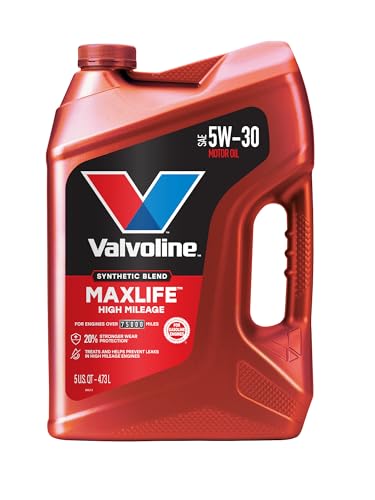
Valvoline MaxLife High Mileage 5W-30 Synthetic Blend Motor Oil 5 Quart
Formulated for engines with 75,000 miles or more, Valvoline MaxLife High Mileage synthetic blend is formulated with seal…
As an affiliate, we earn on qualifying purchases.
As an affiliate, we earn on qualifying purchases.
Is It Safe to Mix Engine Oils?
Many car owners wonder if it’s safe to mix different engine oils, especially when they run out of their usual brand or type. The short answer is, generally, yes—it’s usually safe to do so in a pinch. Modern engine oils are designed to be compatible, and mixing them typically doesn’t cause immediate harm. However, it’s not ideal for your engine’s long-term health or performance. Different oils may have varying additive packages, which can dilute their effectiveness. If you must mix oils, try to use the same viscosity and type—like synthetic with synthetic. Always top up with a compatible oil from a reputable brand. For best results, stick to one brand and type whenever possible, and follow your vehicle’s manufacturer recommendations. Additionally, understanding oil compatibility can help prevent potential issues caused by mixing different formulations. Being aware of oil formulations can further assist in making informed decisions about oil mixing practices.

Engine Oil Tester Gasoline & Diesel Engine Oil Quality Tester Analyzer Detector High-precision Car Engine Oil Diagnostic Tool with 50inch Flexible Probe,Identifier&Sound Prompt,2.8in Backlight Display
【Why You Need Engine Oil Tester】Engine oil tester can help you check your engine oil regularly to ensure…
As an affiliate, we earn on qualifying purchases.
As an affiliate, we earn on qualifying purchases.
What Are Engine Oil and Additives, and How Do They Work?
Have you ever wondered what makes engine oil so effective at protecting your engine? It’s the combination of base oil and additives working together. The base oil lubricates engine parts, reducing friction and wear. Additives enhance this performance by cleaning, preventing corrosion, and controlling engine deposits. Dispersants keep dirt and sludge suspended, so they don’t settle or cause damage. Anti-wear agents form a protective film on essential components, extending engine life. Viscosity modifiers help the oil flow well at different temperatures. Each additive serves a specific purpose, ensuring your engine runs smoothly and efficiently. This sophisticated blend is carefully formulated to meet engine demands. Understanding how these components work together helps you appreciate why using the right oil is indispensable for your vehicle’s health. Proper formulation and maintenance are crucial for optimal engine performance, especially when considering modern toilet water conservation practices that rely on efficient plumbing systems. Recognizing the importance of engine oil formulation can help you make better choices for your vehicle’s longevity and performance, especially as oil additive interactions can influence overall engine protection. Additionally, formulation stability ensures the oil maintains its protective qualities over time and under varying operating conditions. Regularly checking the water-based additives in your oil can prevent potential issues before they affect engine performance.
Valvoline MaxLife High Mileage 5W-30 Synthetic Blend Motor Oil 5 Quart
Formulated for engines with 75,000 miles or more, Valvoline MaxLife High Mileage synthetic blend is formulated with seal…
As an affiliate, we earn on qualifying purchases.
As an affiliate, we earn on qualifying purchases.
Does Mixing Oil Cause Additive Clashes?

When you mix different brands or types of engine oils, concerns about additive clashes often arise. Many believe that combining oils can cause harmful reactions, but this isn’t always the case. Modern oils are designed to be compatible, especially if they share similar specifications or are within the same viscosity range. Additive conflicts are rare because manufacturers engineer oils to minimize such issues. Proper understanding of oil formulation compatibility can help prevent unnecessary concerns. Additionally, engine oil standards ensure that oils meet specific safety and performance criteria, reducing the risk of incompatibility. Understanding oil compatibility can also help you make informed decisions about mixing different oils. However, mixing oils with vastly different formulations—like synthetic and conventional—might dilute protective qualities or alter performance. While some additives could theoretically interact negatively, in most everyday scenarios, mixing small amounts of different oils won’t cause significant problems. Understanding IRA investment strategies can also help you make informed decisions about your financial safety. Still, it’s best to follow manufacturer guidelines or consult an expert if you’re unsure.

2 Pack Refillable 16 Ounce HDPE Squeeze Bottles With Push/Pull Button Top Dispenser Caps-Great For Lotions, Shampoos, Conditioners and Massage Oils-Includes our patented thread-on funnel
White Push / Pull Dispensing Cap
As an affiliate, we earn on qualifying purchases.
As an affiliate, we earn on qualifying purchases.
When Is It Okay to Mix Different Engine Oils?
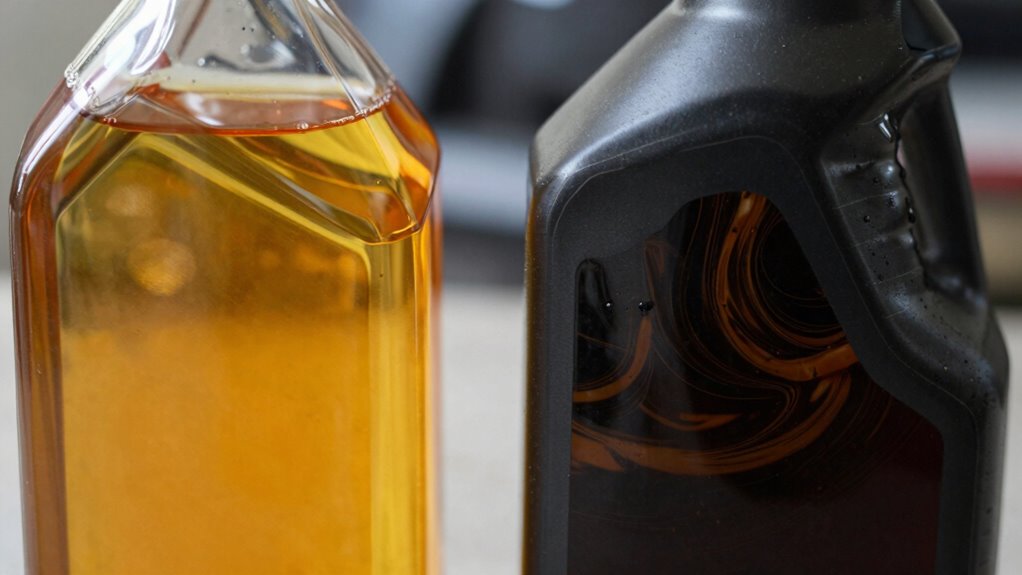
Mixing different engine oils is generally acceptable if the oils are compatible and share similar specifications. Look for oils with the same viscosity grade, such as 10W-30, and similar API service classifications. If both oils meet the manufacturer’s standards and are designed for your engine type, blending them should not cause harm. This practice is common during oil changes when you run out of a specific type and need to top off with another. However, avoid mixing oils with drastically different formulations or additives, especially if one is synthetic and the other conventional. When in doubt, consult your owner’s manual or a professional mechanic. Properly mixed oils within compatible parameters can maintain engine protection and performance without risking additive clashes, especially if you understand oil compatibility and formulation differences. Being aware of oil formulation can help you make informed decisions to prevent potential engine issues. Additionally, using engine oil standards as a guideline can ensure that your oil mixture remains within safe operational limits.
Common Situations That Might Require Oil Blending

In some situations, blending engine oils becomes necessary to guarantee your vehicle continues running smoothly. For example, if you’re about to go on a long trip and your current oil level is low, adding a compatible oil can help maintain proper lubrication. When switching brands or types due to availability, blending might be a practical option to ensure consistent protection. Additionally, if your engine has been running hotter than usual, mixing oils with different viscosities can help improve flow and cooling temporarily. In cold climates, blending oils with different pour points can enhance cold starting performance. These scenarios highlight that, in specific cases, oil blending can be a sensible solution to keep your engine protected until you can perform a full change or get new oil. Proper oil compatibility is crucial to prevent potential engine damage when blending oils.
How to Change or Combine Engine Oils Without Risks
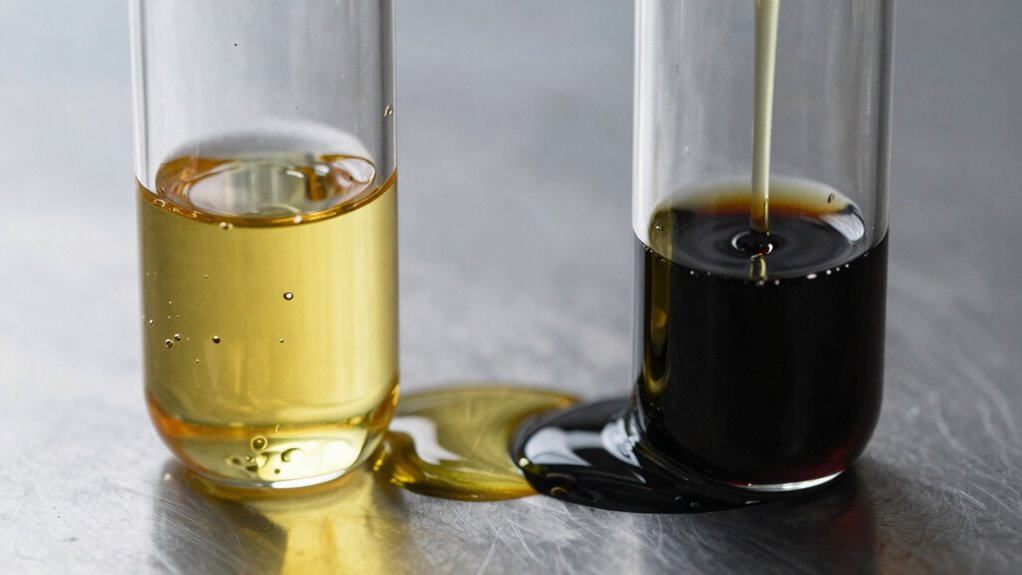
To change or combine engine oils safely, you need to make certain the oils are compatible and won’t cause harmful reactions. Follow proper procedures for oil changes to avoid contamination or damage. By paying attention to oil types and handling steps, you can minimize risks and protect your engine’s performance. Additionally, understanding oil compatibility and ensuring proper storage can prevent issues related to mixing different oils. Being aware of oil degradation can also help determine when an oil is no longer suitable for use. Regularly checking the oil color and consistency can assist in identifying potential problems early, especially since oil aging can affect its lubricating properties and overall engine health.
Proper Oil Compatibility
Ensuring proper oil compatibility is essential when changing or combining engine oils, as incompatible oils can lead to engine damage or reduced performance. To avoid issues, always check the oil’s specifications and follow the manufacturer’s recommendations. Look for oils with the same viscosity grade and similar API or ILSAC ratings, which indicate compatibility in additive chemistry. When switching oils, it’s best to do so gradually by mixing small amounts first, monitoring for any unusual engine behavior. If you’re unsure about compatibility, consult your vehicle’s manual or a professional mechanic. Using oils that share the same base type—like synthetic with synthetic or conventional with conventional—reduces the risk of adverse reactions. Properly matching oils helps maintain engine efficiency, longevity, and ideal performance.
Safe Oil Change Procedures
Changing or combining engine oils safely starts with preparing your vehicle properly. First, park on a level surface and let the engine cool down to avoid burns. Gather the necessary tools: gloves, a drain pan, and the correct oil filter. Remove the drain plug carefully to allow old oil to flow out completely, then replace it securely. If you’re adding oil, check the current level with the dipstick and pour in the recommended type and amount, avoiding overfill. Always use fresh oil from a sealed container to prevent contamination. Before starting the engine, wipe off any spills to prevent slipping. Regularly check oil levels and quality, and follow your manufacturer’s guidelines for oil change intervals to ensure your engine stays protected.
Signs Your Engine Might Be Affected by Oil Mixing
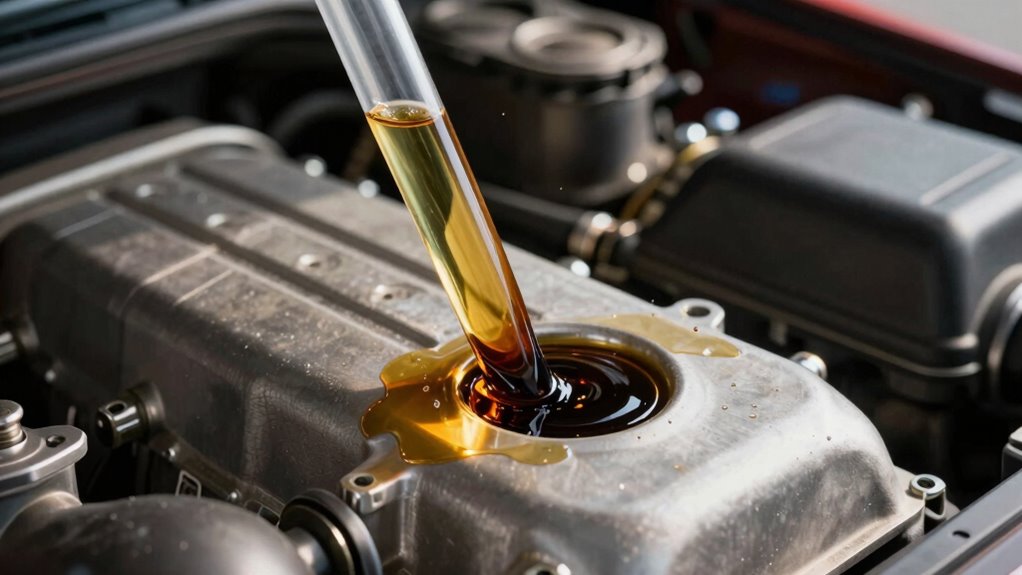
If your oil feels thicker or more gritty than usual, it could be a sign of mixing. You might notice your engine running rougher or louder, which indicates performance issues. Over time, oil mixing can lead to increased wear on engine parts, risking long-term damage. Using the wrong type of oil can also cause engine component deterioration, so always ensure compatibility. Additionally, Free Floating environments can influence the likelihood of oil contamination or mixing, especially if debris or water ingress occurs. Proper maintenance and understanding of oil properties can help prevent these issues from escalating. Being aware of proper oil selection and monitoring oil condition regularly are essential for engine longevity.
Oil Consistency Changes
When oil from different sources mixes, it can alter the consistency of your engine oil, making it noticeably thicker or thinner than usual. You might notice the oil appears more gloopy or sluggish, which can affect how smoothly your engine runs. Thickened oil can hinder proper lubrication, leading to increased friction, while thinner oil may fail to provide adequate protection. These changes often happen gradually but can be detected during routine checks or oil changes. If your oil feels unusual or if you notice a significant difference in its viscosity, it’s a sign that mixing different oils may have compromised its proper function. Being aware of oil viscosity and how it impacts engine performance helps you catch potential issues early before they escalate into more serious engine problems. Additionally, filter maintenance plays a crucial role in ensuring the longevity and optimal performance of your engine.
Engine Performance Issues
Mixing different types of engine oil can cause your engine to behave unexpectedly, often revealing signs of performance issues. You might notice it running rougher, with less smooth acceleration or hesitation during acceleration. You could experience a drop in power, making your vehicle feel sluggish. Engine stalling or misfiring are also common symptoms, especially under load or high speeds. Additionally, you may observe increased exhaust emissions or unusual smoke from the tailpipe. These issues occur because incompatible oils can disrupt lubrication, causing friction and inefficient engine operation. If you notice any of these signs, it’s a good idea to check your oil type and consider an oil change to restore proper performance and prevent further damage. Proper lubrication is essential for optimal engine function and longevity.
Increased Engine Wear
Increased engine wear can occur when incompatible oils are mixed, leading to accelerated deterioration of engine components. When oils with different additive packages or viscosities combine, they may not work together effectively, causing lubrication breakdown. This can result in increased friction and heat, which stress engine parts like bearings, pistons, and valves. You might notice unusual engine noises, reduced fuel efficiency, or a drop in performance. Over time, these symptoms point to faster wear and potential engine damage. If you’ve recently mixed oils or used an inconsistent oil type, pay close attention to these signs. Addressing the issue early by changing to the correct oil can help prevent severe wear and prolong your engine’s lifespan.
Tips for Maintaining Oil Compatibility and Engine Health
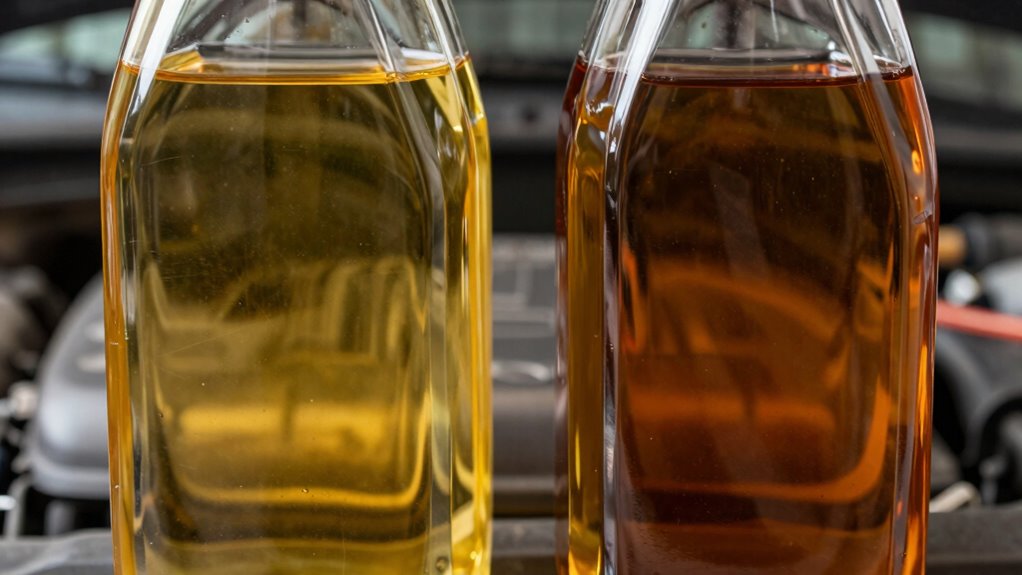
Maintaining oil compatibility is crucial for keeping your engine running smoothly and avoiding costly damage. Always check your vehicle manufacturer’s recommendations before switching oils. Use oils with similar viscosities and base types to prevent chemical reactions that could harm engine components. When changing brands or formulations, do so gradually, allowing your engine to adapt. Regularly monitor oil levels and quality—dark, gritty oil signals the need for an oil change. Keep track of mileage and adhere to recommended oil change intervals. If you notice unusual engine noises or performance issues after an oil change, consult a mechanic promptly. Staying consistent with high-quality oils designed for your engine type helps protect essential parts and guarantees ideal performance over time. Understanding oil chemistry can help you make better decisions about oil compatibility and engine health.
Frequently Asked Questions
Can Mixing Different Brands of Engine Oil Harm My Vehicle?
Mixing different brands of engine oil typically won’t harm your vehicle if the oils meet the same specifications and viscosity ratings. However, it’s best to stick with the same type and brand when possible to guarantee the best performance. Always check your owner’s manual for recommended oil standards. If you’re unsure, consult a mechanic. Mixing oils with incompatible additives or different base types could potentially cause issues over time.
Is Synthetic Oil Compatible With Conventional Oil?
Yes, synthetic oil is compatible with conventional oil. You can mix them without harming your engine, but it’s best to switch gradually if possible. Mixing can dilute the benefits of synthetic, like better performance and longer intervals between changes. Keep an eye on oil levels and condition, and consider sticking to one type for ideal protection. Always follow your vehicle manufacturer’s recommendations for the best results.
How Does Oil Temperature Affect Additive Stability?
If oil temperature drops too low, additives can become unstable, risking reduced lubrication and engine wear. Conversely, high temperatures can cause additives to break down prematurely, diminishing their protective qualities. You need to keep oil within its ideal temperature range—usually between 180°F and 220°F—to guarantee additive stability. Ignoring this balance could mean your engine’s protected or vulnerable, depending on the heat, so monitor temperature carefully.
Are There Specific Vehicle Types More Sensitive to Oil Mixing?
Certain vehicles, like those with high-performance or specialized engines, are more sensitive to oil mixing. You should avoid mixing oils with different additive packages or base stocks in these engines because it can cause compatibility issues, reduce lubrication, or lead to deposits. Always check your vehicle’s manual or consult a mechanic before mixing oils, especially if you drive a luxury, sports, or vintage car, to guarantee ideal engine protection.
What Are Long-Term Risks of Regularly Mixing Engine Oils?
Regularly mixing engine oils can lead to long-term risks like reduced lubrication efficiency, increased engine wear, and potential corrosion due to incompatible additive interactions. Over time, these issues may cause engine deposits, decreased fuel economy, and higher maintenance costs. You might also experience unpredictable engine performance and a shortened lifespan for your vehicle’s engine. To avoid these problems, stick to the recommended oil type and change it at proper intervals.
Conclusion
Now, you might think mixing oils is always risky, but that’s not always true. The real question is, when does it matter—and when does it not? With a little knowledge and careful attention, you can avoid potential issues and keep your engine running smoothly. Don’t assume every oil blend is dangerous; instead, stay informed and watch for signs of trouble. The next step could be the key to revealing your engine’s best performance—are you ready to find out?