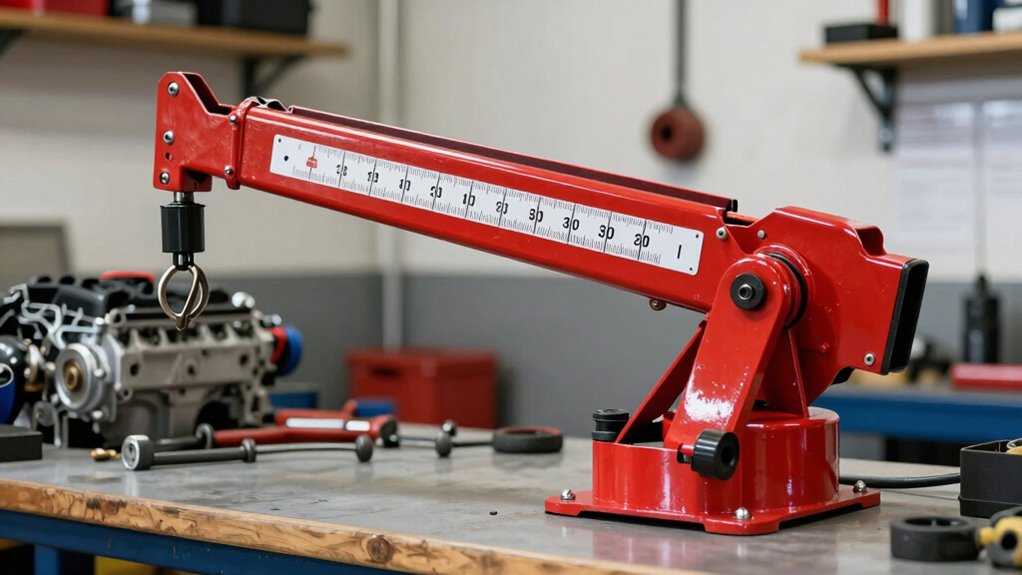

Engine hoist capacity ratings show the maximum weight the hoist can safely lift, but these numbers can be misunderstood. They’re based on standardized testing that considers factors like dynamic loads and material strength. To stay safe, always select a hoist with a capacity that exceeds your engine’s weight by at least 20%. Understanding these ratings helps prevent overloads and damage. Keep exploring to learn more about choosing and using hoists effectively.

Get business pricing on garage and car supplies
- Business-only prices and quantity discounts
- Tax-exempt purchasing
- Multiple users, one account, clear invoices
Key Takeaways
- Capacity ratings show the maximum safe weight a hoist can lift; always choose one with a margin above your engine’s weight.
- Standardized testing ensures ratings reflect real lifting conditions, including dynamic loads and uneven weight distribution.
- Never exceed the hoist’s rated capacity; overloading causes equipment strain, failure, and safety hazards.
- Use proper lifting techniques—smooth, controlled motions and secure loads—to maintain safety within rated capacities.
- Be aware of signs like slow movement or unusual noises indicating a hoist is overloaded or underpowered.
As an affiliate, we earn on qualifying purchases.
What Do Engine Hoist Capacity Ratings Really Mean?
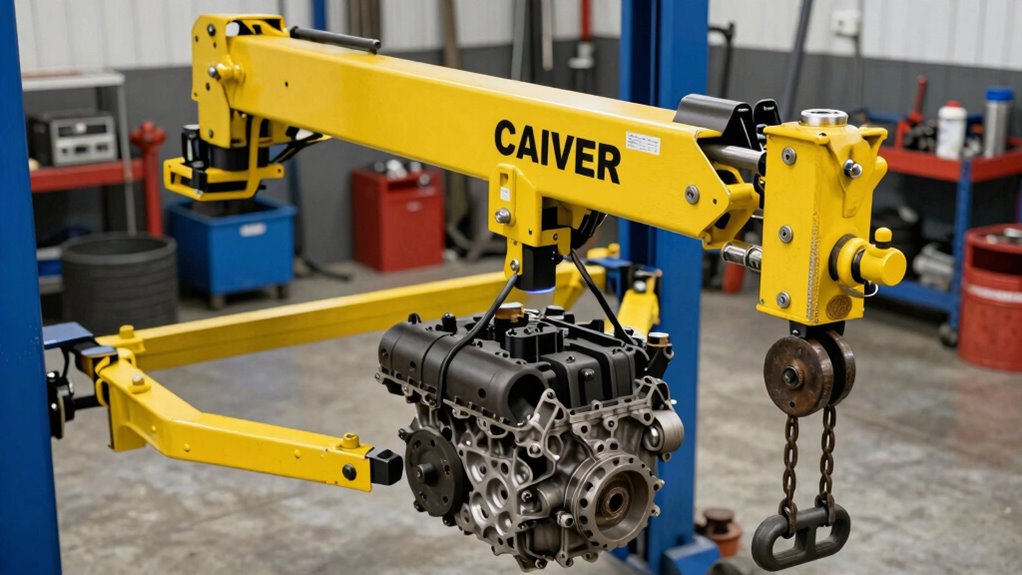
Understanding what engine hoist capacity ratings truly mean is essential for safe and effective lifting. These ratings indicate the maximum weight the hoist can handle safely, often specified in pounds or kilograms. When using a chain sling, make certain the combined weight of the engine and the sling doesn’t exceed this limit. The capacity also considers the type of lift—most hoists operate via hydraulic lift, which provides smooth, controlled raising. Additionally, the weight capacity can vary depending on the design and construction of the hoist, so always verify this before use. It is also important to recognize that material strength plays a critical role in the overall safety and durability of the hoist during lifting operations. Regular maintenance and inspection are vital to ensure the hoist remains within safe operating limits and maintains its structural integrity. Keep in mind that exceeding the rated capacity increases the risk of equipment failure, accidents, or damage. Always check the manufacturer’s specifications and avoid improvising with other lifting devices. Respecting these capacity ratings helps in selecting the appropriate hoist for your specific needs, ensuring safety and longevity of your equipment during every lift.
As an affiliate, we earn on qualifying purchases.
How Are Engine Hoist Capacities Tested and Calculated?
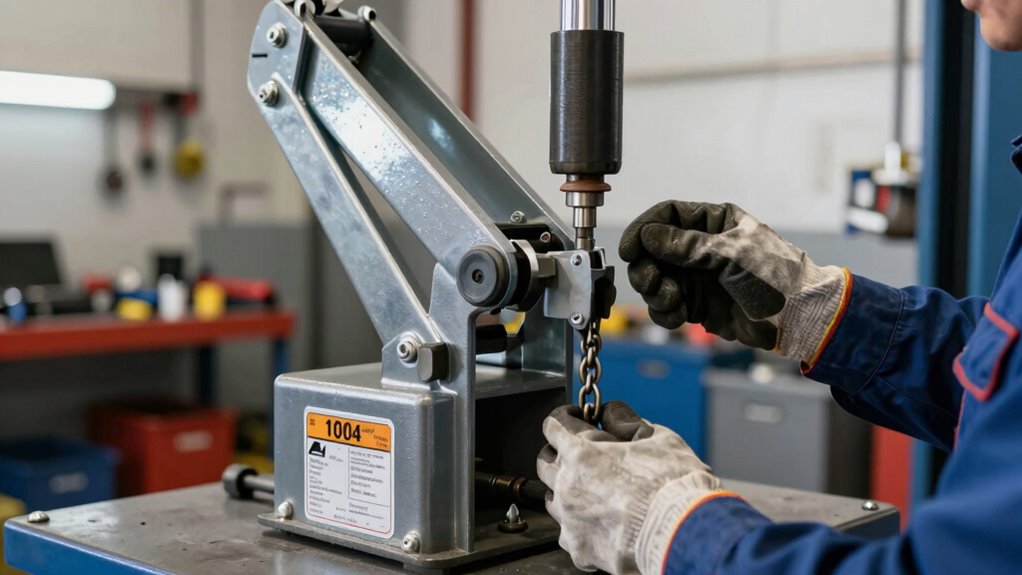
You might wonder how manufacturers determine an engine hoist’s capacity, and it all starts with specific testing procedures. These tests simulate real-life lifting scenarios to measure strength and stability. From there, engineers use calculation methods to make certain the hoist can safely handle its rated weight under various conditions. Additionally, these tests often include standardized testing protocols to ensure consistency and reliability across different models.
Testing Procedures Explained
To determine an engine hoist’s capacity, manufacturers conduct rigorous testing that simulates real-world lifting conditions. These tests assess lifting stability by gradually increasing the load until it approaches the rated capacity, ensuring the hoist maintains balance and control during lifts. They also evaluate hoist durability by subjecting the equipment to repeated stress cycles, simulating long-term use. During testing, engineers monitor critical components like the hydraulic system, frame, and wheels for signs of wear or failure. This process guarantees the hoist can safely handle its rated weight without compromising stability or structural integrity. By thoroughly testing under controlled conditions, manufacturers verify that the hoist will perform reliably in actual work environments, providing confidence in its rated capacity.
Calculation Methodology Overview
Engine hoist capacities are determined through a combination of standardized testing procedures and precise calculations that account for various load conditions. During testing, manufacturers evaluate how different lifting techniques impact the hoist’s stability and strength, simulating real-world scenarios. These tests measure how well the hoist handles dynamic loads, uneven weight distribution, and potential stress points. Calculations incorporate factors like material strength, safety margins, and maximum load ratings to guarantee accuracy. Proper hoist maintenance is essential to uphold these capacities, as worn components or improper use can compromise safety. By understanding the calculation methodology, you can better interpret capacity ratings, ensuring you select the right hoist for your needs and maintain it correctly for safe lifting operations.
As an affiliate, we earn on qualifying purchases.
How Do You Choose the Right Engine Hoist Capacity for Your Needs?
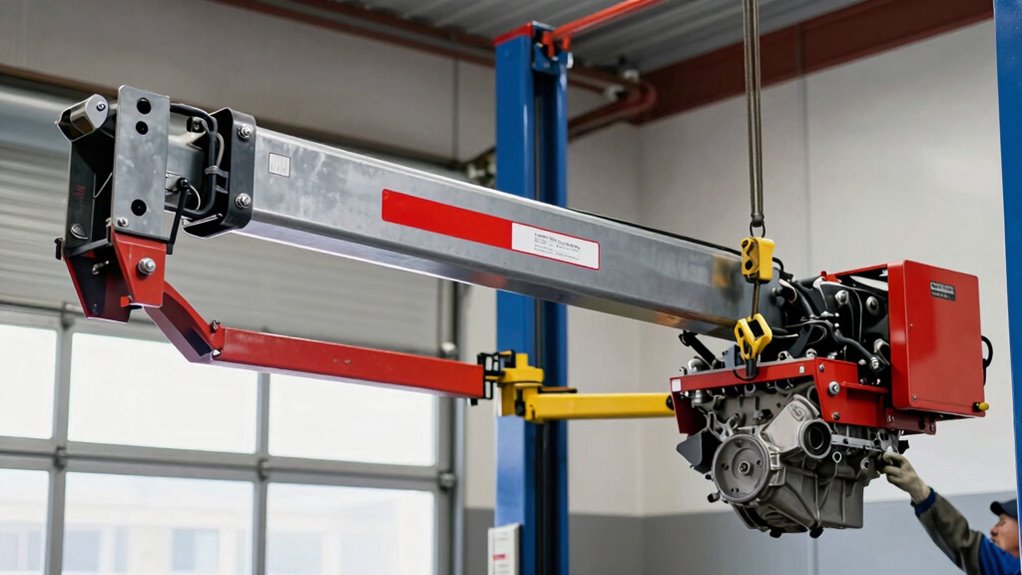
Choosing the right engine hoist capacity depends on the weight of the engine you plan to lift. To verify lifting safety, select a hoist with a capacity that exceeds your engine’s weight by at least 20%. Don’t fall for capacity myths that suggest a hoist can handle more than its rated weight; overestimating can be dangerous. First, weigh the engine accurately, considering accessories like brackets or mounts, which add to the total weight. Then, choose a hoist with a comfortable margin above that figure. Ensuring you understand capacity ratings is crucial for safe operation and prevents overloading. Properly evaluating your needs helps you lift confidently and securely. Always prioritize equipment safety to ensure a secure lifting process and protect yourself from potential hazards. Additionally, understanding hoist specifications can help you select the most appropriate equipment for your specific application. Being aware of load limits ensures that your lifting setup maintains safety standards and reduces risk.
As an affiliate, we earn on qualifying purchases.
How Can You Tell If Your Engine Hoist Is Overloaded or Underpowered?

If your engine hoist struggles or feels strained during lifts, it could be overloaded or underpowered. Pay attention to signs like slow movement, unusual noises, or difficulty lifting weight close to its capacity limits. Selecting the right hoist for your needs guarantees safety and efficiency, so understanding these signs is essential. Additionally, ensuring the capacity ratings are correctly matched to your lifting requirements helps prevent potential failures.
Weight Capacity Limits
Knowing whether your engine hoist is overloaded or underpowered starts with understanding its weight capacity limits. Always check the capacity labels on your hoist before lifting. These labels indicate the maximum weight you can safely handle, ensuring lifting safety and preventing damage. To stay within safe limits, compare the engine’s weight to the hoist’s capacity. Here’s a quick visual guide:
| Engine Weight | Hoist Capacity | Safe to Lift? |
|---|---|---|
| 1,000 lbs | 1,200 lbs | Yes, safe |
| 1,500 lbs | 1,200 lbs | No, overload |
| 800 lbs | 1,000 lbs | Yes, safe |
| 1,300 lbs | 1,200 lbs | No, overload |
Always respect capacity labels and avoid exceeding limits to maintain lifting safety. Understanding the importance of capacity ratings can help prevent accidents and equipment damage. Properly interpreting weight capacity limits is essential for safe lifting practices, especially when dealing with heavier loads. Additionally, regular inspection of hoist components can ensure lifting safety and longevity of the equipment.
Signs of Overloading
When your engine hoist is overloaded, it often exhibits noticeable signs that can alert you to the problem before any damage occurs. You might notice reduced hoist durability, like unusual flexing or creaking sounds, indicating stress on the frame. Overloading can cause the hoist to feel less stable during lifting, making your lifting techniques less effective and more dangerous. If the hoist struggles to lift or if the chain or hydraulics strain excessively, these are clear signs you’re exceeding its capacity. Pay attention to any jerky movements, slow operation, or unusual noises. Recognizing these signs early helps prevent damage to the hoist and guarantees safety. Properly evaluating load limits and observing how your hoist responds during use keeps your lifting tasks safe and efficient. Additionally, Understanding capacity ratings is essential for selecting the right hoist for your needs and avoiding overload issues. Proper load distribution also plays a critical role in ensuring safe lifting practices and maintaining hoist integrity. Being aware of the hoist’s maximum capacity allows you to plan your lifts appropriately and avoid potential hazards.
Proper Hoist Selection
Choosing the right engine hoist requires understanding whether it’s properly rated for your lifting needs. To guarantee safe operation, assess the hoist’s capacity ratings and compare them to your engine’s weight. An underpowered hoist risks strain, compromising hoist durability and causing potential failure. Overloading, on the other hand, can damage the equipment and endanger you. Proper hoist selection involves evaluating your lifting techniques—use smooth, controlled motions and avoid sudden jerks. Check the manufacturer’s specifications carefully, paying attention to maximum weight capacity and lifting height. If you often work with heavier engines, consider a higher-rated hoist for added safety margin. This approach guarantees reliable performance, prolongs your hoist’s lifespan, and keeps your lifting tasks safe and efficient. Understanding the capacity ratings helps ensure you select a hoist that matches your specific needs.
How to Use an Engine Hoist Safely Within Its Capacity Limits
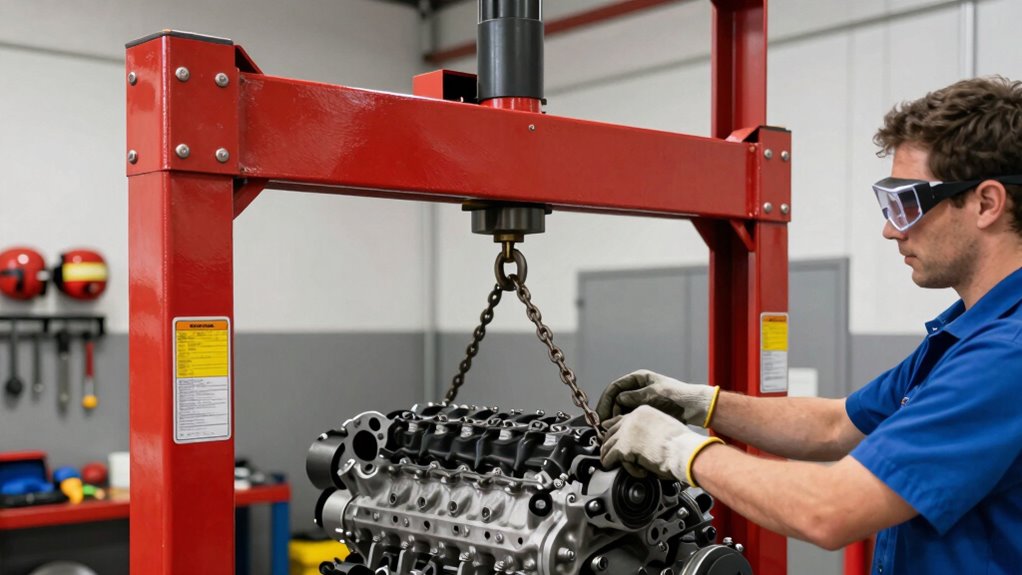
To use an engine hoist safely within its capacity limits, you must first understand the weight of the engine you’re lifting and guarantee it doesn’t surpass the hoist’s maximum load rating. Proper lifting techniques are essential; always lift slowly and steadily, keeping the load balanced to prevent swinging. Secure the engine firmly with the appropriate lifting chains or straps, ensuring they are rated for the weight. Before each use, inspect the hoist for any signs of wear or damage—this is a crucial maintenance tip to avoid accidents. Never overload the hoist or rush the lifting process. Staying within capacity limits and following safe lifting techniques helps prevent injuries and equipment failure, ensuring a smooth and safe engine removal or installation. Additionally, understanding the capacity ratings of your hoist helps you select the right equipment for your specific lifting needs. Regularly reviewing the safety guidelines provided by the manufacturer can also help prevent common mistakes during operation. Being aware of lifting techniques and proper equipment handling further enhances safety during heavy lifting tasks. Proper maintenance of your hoist extends its lifespan and maintains safety standards, and keeping detailed records of inspections can help identify potential issues early.
Myths About Engine Hoist Capacity Ratings You Should Ignore
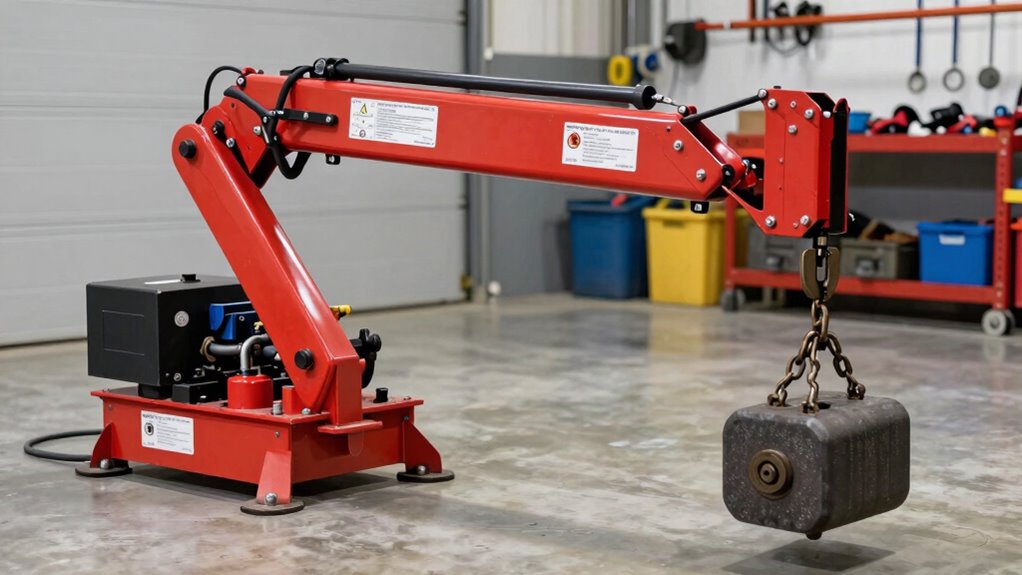
Many people believe that engine hoist capacity ratings are overly conservative or overly cautious, but these myths can lead to dangerous assumptions. One common capacity myth is that the listed weight limits don’t reflect real-world durability, so some think they can exceed those ratings without issue. However, ignoring capacity ratings can compromise engine hoist durability, risking equipment failure and accidents. Capacity myths often stem from misunderstandings about safety margins and manufacturer standards. In reality, engine hoists are engineered to handle specific loads safely, and pushing beyond those limits can weaken components over time. Understanding load capacities and relying on accurate capacity ratings ensures you maintain the hoist’s integrity and safety, preventing potential damage or injury caused by overestimating what your equipment can handle. Proper understanding of engine hoist capacity ratings is crucial for safe lifting practices. Additionally, manufacturer guidelines provide vital information to help you operate within safe limits and prolong equipment lifespan.
Key Factors When Comparing Engine Hoist Capacity Specs
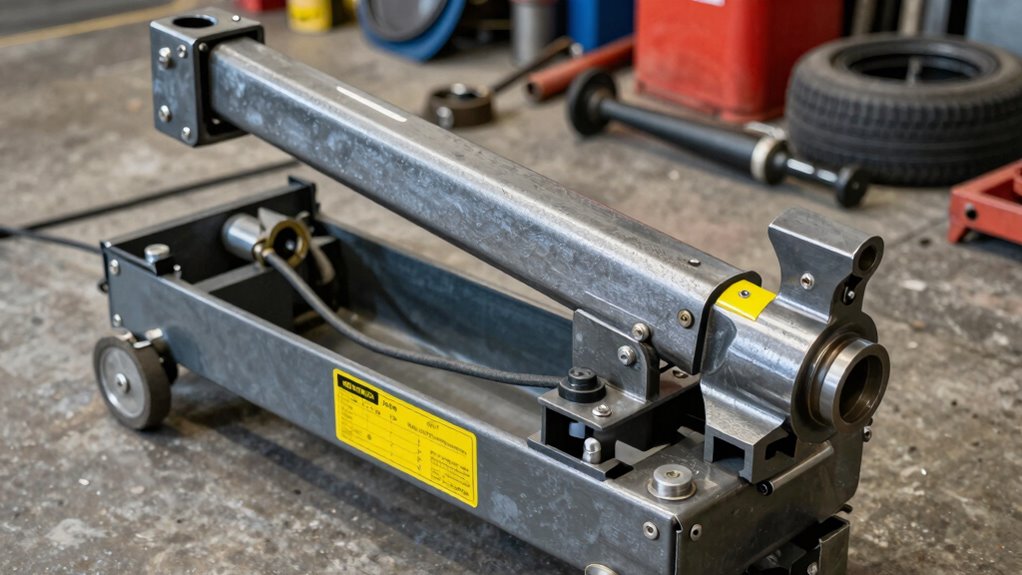
When comparing engine hoist capacity specifications, it’s vital to look beyond the listed weight limits and consider several key factors that influence their true performance. Hoist durability impacts how well it withstands repeated use, especially under heavy loads, while proper lifting techniques ensure safety and prevent damage. The table below highlights these factors:
| Factor | Why It Matters | What to Check |
|---|---|---|
| Hoist Durability | Longer-lasting equipment, safer lifts | Material quality, construction |
| Load Distribution | Prevents overloading stress | Proper positioning of load |
| Lifting Techniques | Maintains hoist integrity, safety | Correct lifting angles, methods |
| Capacity Ratings | Reflects real-world limits | Manufacturer’s specifications |
Next Steps: Ensuring Safe and Effective Engine Lifting
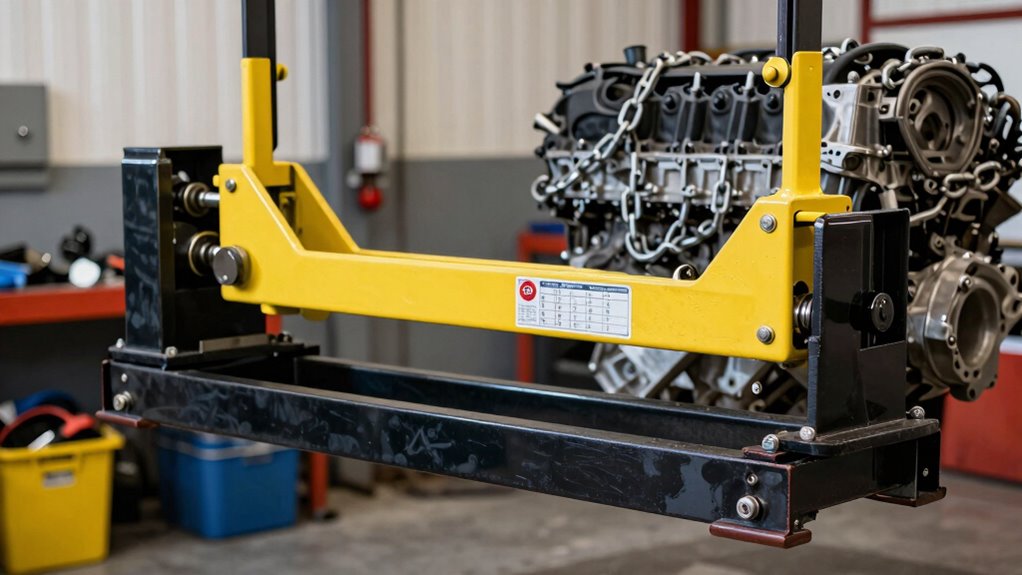
Ensuring safe and effective engine lifting requires careful planning and adherence to proper procedures. Before lifting, inspect your engine hoist for any damage, and verify it’s rated for the weight you plan to lift. Clear the workspace to maintain workshop safety, removing obstacles and securing the area. Use proper rigging techniques, such as appropriate slings and hooks, to evenly distribute the load. During the lift, communicate clearly with any assistants, and move slowly to avoid swinging or sudden shifts. After placing the engine, double-check stability before releasing the hoist. Proper engine maintenance includes regularly inspecting lifting equipment and practicing safe lifting procedures. By following these steps, you minimize risks, protect yourself, and maintain a safe workshop environment.
Frequently Asked Questions
Can Engine Hoist Capacity Ratings Vary Between Brands?
Yes, engine hoist capacity ratings can vary between brands due to differences in testing methods and manufacturing standards. You should compare brand differences carefully, as some brands might test their hoists under stricter conditions, resulting in more conservative ratings. Always check the specific capacity listed for each brand, and consider how testing methods impact the real-world performance and safety of the hoist you choose.
What Happens if I Exceed My Engine Hoist’s Capacity?
They say, “Don’t bite off more than you can chew,” and that’s especially true with engine hoists. If you surpass your hoist’s capacity, you risk compromising lifting safety and damaging the hoist’s durability. Overloading can cause the hoist to fail unexpectedly, leading to accidents or costly repairs. Always stay within the rated capacity to ensure safe lifting and prolong your equipment’s life. Remember, safety should always come first.
Are There Industry Standards for Testing Engine Hoist Capacities?
Yes, industry standards and testing protocols exist for engine hoist capacities. These standards require manufacturers to rigorously test hoists under controlled conditions to guarantee they meet safety and performance benchmarks. As a user, you should look for hoists that adhere to recognized standards like ASME or ANSI, which assure the product has undergone proper testing. Always verify that your hoist’s capacity aligns with these standards to ensure safe lifting operations.
How Do Environmental Conditions Affect Hoist Capacity?
Weather effects can substantially impact your engine hoist’s capacity, especially with temperature impacts. For example, cold weather can cause metal to contract, reducing the hoist’s strength by up to 10%. Conversely, high temperatures can weaken the steel, risking failure under load. Always check manufacturer guidelines for environmental limits and avoid hoisting in extreme weather to guarantee safety and maintain capacity ratings.
Is It Safe to Use a Smaller Capacity Hoist for Heavier Engines?
Using a smaller capacity hoist for heavier engines isn’t safe because it risks exceeding capacity limits, compromising hoist safety. Always choose a hoist with a capacity rating that exceeds the weight of the engine you’re lifting. Ignoring capacity limits can lead to equipment failure or accidents. Prioritize safety by inspecting the hoist and adhering to manufacturer guidelines, ensuring your lift remains secure and within safe operational limits.
Conclusion
Think of an engine hoist as a trusted steed, capable yet bound by its strength. By understanding its capacity ratings, you guarantee it’s not strained beyond its limits, like a rider respecting a horse’s stride. Choosing wisely and using it safely keeps your project riding smooth and steady. When you respect its power and know its true strength, you’ll navigate engine lifts with confidence, avoiding pitfalls and riding into success.
Halloween Picks
halloween
As an affiliate, we earn on qualifying purchases.