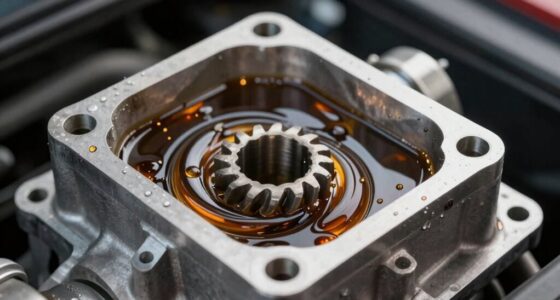

If you’re considering GL-4 vs GL-5 gear oils, it’s important to know their differences because using the wrong type can cause serious damage to your transmission. GL-4 oils are suitable for moderate loads and compatible with more materials, while GL-5 offers extreme pressure protection for heavy-duty applications but may harm some components if used improperly. Keep in mind that choosing the right oil depends on your vehicle’s needs; if you continue, you’ll find out how to avoid costly mistakes.

Get business pricing on garage and car supplies
- Business-only prices and quantity discounts
- Tax-exempt purchasing
- Multiple users, one account, clear invoices
Key Takeaways
- GL-4 is suitable for moderate loads and older manual transmissions, while GL-5 is designed for high-pressure, hypoid gear applications.
- Using GL-5 in vehicles requiring GL-4 can cause material damage due to aggressive additives.
- Compatibility depends on vehicle manufacturer specifications; always check manual before choosing gear oil.
- GL-5 oils contain sulfur-phosphorus additives that may harm certain gear components if misused.
- Proper maintenance and regular oil checks prevent gear wear, system failure, and ensure optimal vehicle performance.
As an affiliate, we earn on qualifying purchases.
What Are GL-4 and GL-5 Gear Oils?
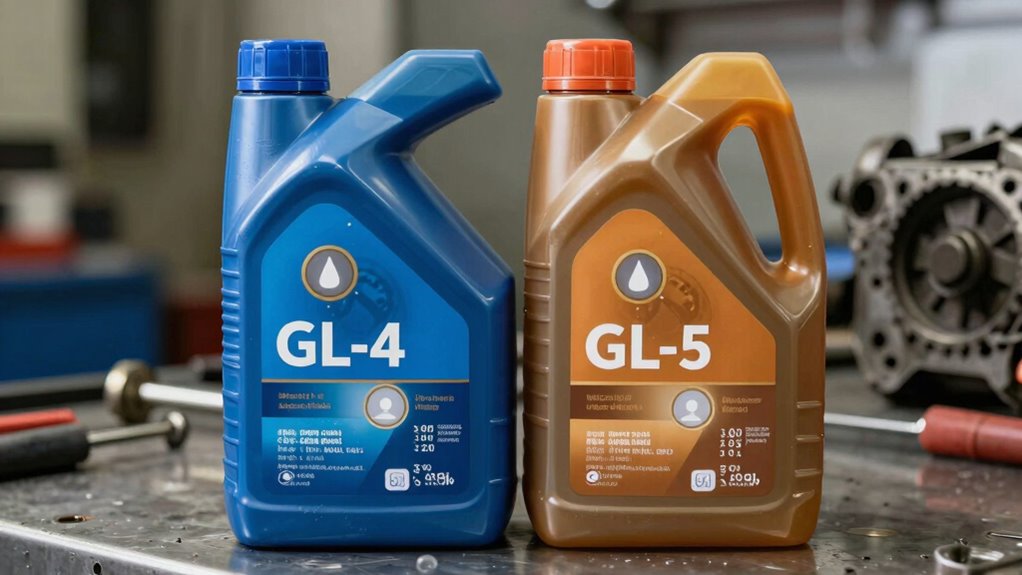
GL-4 and GL-5 are classifications for gear oils that indicate their performance levels and suitability for different types of gear mechanisms. These oils often come as synthetic blends, combining base oils with advanced additive technologies to enhance performance. Synthetic blends provide better thermal stability, oxidation resistance, and wear protection compared to conventional oils. GL-4 gear oils are designed for moderate to heavy-duty manual transmissions and differentials, offering a balance of protection and efficiency. GL-5 oils, on the other hand, are formulated for hypoid gears and extreme pressure conditions, providing superior protection under high-stress environments. Understanding these classifications helps you choose the right gear oil based on your vehicle’s specific needs and the demands of your driving conditions. Additionally, performance standards ensure that the oils meet specific industry criteria for protection and durability. Recognizing the difference in additive technology between GL-4 and GL-5 oils can help prevent potential compatibility issues and gear damage. Proper selection of gear oil also depends on compatibility considerations, ensuring you avoid mixing different types that could compromise gear protection. When selecting between GL-4 and GL-5, it’s important to consider application requirements to ensure optimal gear performance and longevity.
As an affiliate, we earn on qualifying purchases.
How Do GL-4 and GL-5 Differ in Composition and Performance?
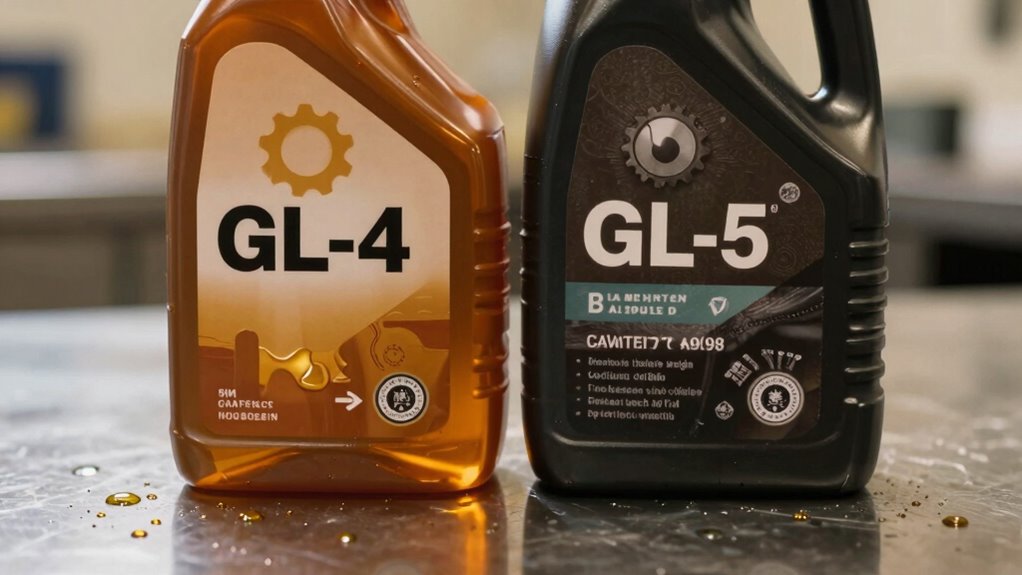
While both GL-4 and GL-5 gear oils are designed to protect gears, they differ considerably in their chemical composition and performance characteristics. GL-4 oils often use traditional mineral bases or synthetic blends optimized for moderate gear loads and smooth shifting. In contrast, GL-5 oils typically incorporate more advanced additive differences, including stronger extreme pressure (EP) additives like sulfur-phosphorus compounds, which improve load-carrying capacity. These additive differences make GL-5 oils more resistant to high pressure and extreme conditions but can be more aggressive on certain materials. The formulation differences influence performance: GL-4 oils prioritize compatibility and smooth operation, while GL-5 oils excel in heavy-duty, high-stress environments. Understanding these Gear oil composition differences helps you choose the right gear oil for your specific needs. Moreover, material compatibility is essential to ensure that the oil does not cause degradation of gear components over time. The compatibility of these oils with gear materials is crucial to prevent premature wear and damage, especially when switching between types. Additionally, using the wrong type of oil can lead to increased gear wear and decreased efficiency, emphasizing the importance of proper selection.
As an affiliate, we earn on qualifying purchases.
Which Vehicles Need GL-4 Gear Oil?
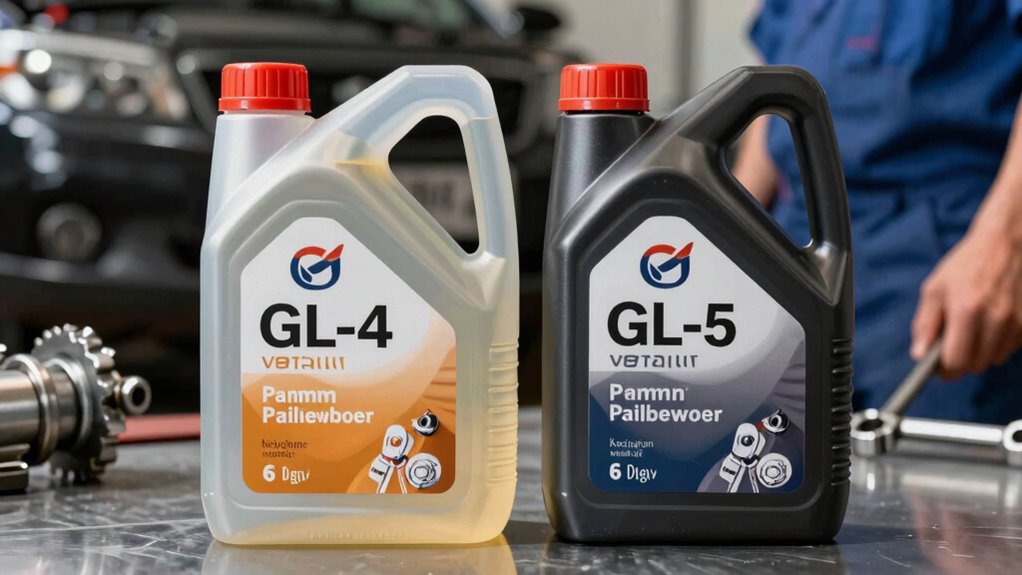
If your vehicle’s manufacturer specifies the use of GL-4 gear oil, it’s vital to follow that recommendation to guarantee peak performance and longevity of your transmission and differential components. Vehicles with manual transmissions, classic cars, and some older trucks often require GL-4 because it offers the right balance of protection and oil compatibility. Using the correct gear oil helps maintain transmission longevity by reducing wear on synchros and gears. Proper gear oil selection is essential, as using an incompatible type could lead to increased friction and damage over time. Additionally, gear oil formulation plays a crucial role in ensuring the oil performs effectively under various operating conditions. The compatibility of gear oils with different metals and materials is a key factor to consider for preventing corrosion and wear. Choosing the right oil also depends on understanding oil additive chemistry, which influences how well the oil protects and performs. Always check your owner’s manual to confirm the manufacturer’s specifications. Choosing the right oil ensures smooth operation and prevents costly repairs down the line, making GL-4 the best choice for these specific vehicles. Northeast regions often feature diverse vehicle types, emphasizing the importance of using the appropriate gear oil for optimal performance.
high pressure gear oil for heavy-duty vehicles
As an affiliate, we earn on qualifying purchases.
As an affiliate, we earn on qualifying purchases.
When Should You Use GL-5 Gear Oil?
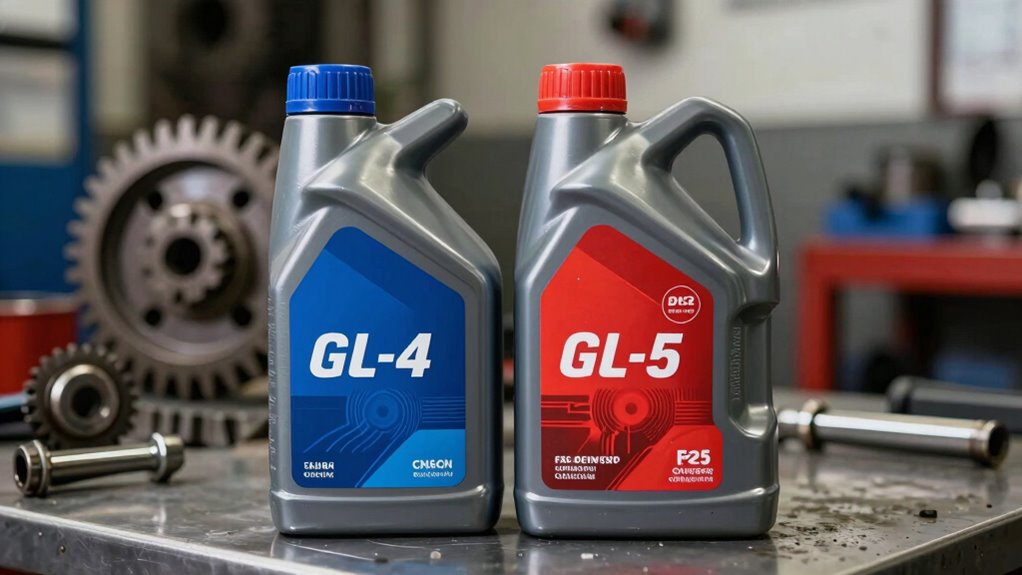
You should use GL-5 gear oil when your vehicle’s differential or transmission requires a higher level of protection against extreme pressures and heavy loads. GL-5 oils excel in demanding conditions, thanks to advanced additive packages that improve wear resistance and stability. They are especially suitable for older vehicles or those with hypoid gears, which endure intense stress. Consider using synthetic blends for better performance and longevity. Here are key indicators for choosing GL-5:
- Your vehicle experiences heavy towing or hauling.
- You need protection for gears under high-pressure contact.
- You want enhanced thermal stability and durability.
- Gear oil compatibility can be maintained even when tackling demanding driving conditions.
Additionally, understanding gear oil classifications can help ensure you select the most appropriate oil for your specific vehicle needs. Recognizing the performance requirements of your vehicle can further aid in making the right choice, especially in extreme operating environments.
Moreover, selecting the right oil can also contribute to preventing gear wear and extending the lifespan of your vehicle’s drivetrain.
Choosing GL-5 ensures your drivetrain is well-protected in tough conditions, making it the right choice for demanding applications.
What Are the Risks of Using the Wrong Gear Oil?
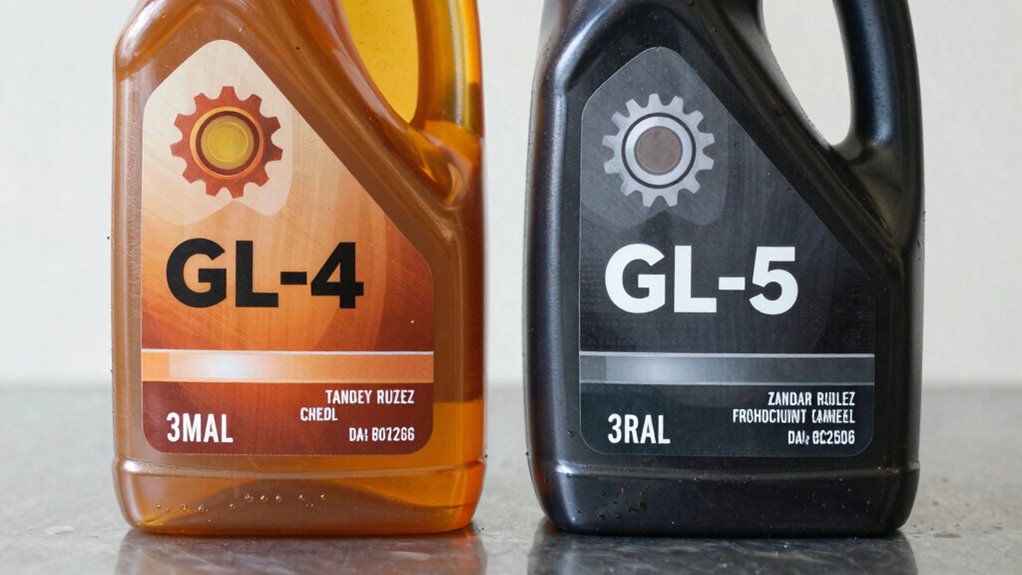
Using the wrong gear oil can lead to serious gear damage and reduce your vehicle’s lifespan. It also increases the risk of lubrication failure, which can cause parts to wear out faster or seize up. Making sure you select the correct oil helps protect your drivetrain and keeps everything running smoothly. Proper gear oil selection is essential for maintaining optimal system performance and safety. Additionally, early warning signs of failures can help identify issues before they cause significant damage. Regularly monitoring oil condition can further ensure compatibility and effective performance. Consulting oil specifications can further ensure compatibility and effective performance, especially when considering different oil types for specific applications.
Gear Damage Potential
Choosing the wrong gear oil can lead to serious damage to your transmission and gears. Using incompatible lubricants increases the risk of metal fatigue, where gears weaken over time, and accelerates gear wear, reducing efficiency and lifespan. If you use oil with improper additives, it may fail to protect against high-pressure conditions. This can cause pitting and scoring on gear surfaces. Additionally, the wrong oil can cause increased friction and heat, further damaging gear teeth. Proper lubrication also helps prevent heat buildup, which can be exacerbated by incorrect gear oils. Moreover, using the wrong type of lubricant can compromise the website’s security features, potentially exposing your vehicle to additional risks.
Lubrication Failure Risks
Applying the wrong gear oil can substantially increase the risk of lubrication failure, leading to severe damage within your transmission system. When lubrication fails, metal components face increased friction, accelerating gear wear and potentially causing gears to seize or break. Using a lubricant that isn’t compatible with your transmission’s specifications can also diminish the oil’s protective qualities, allowing contaminants to build up and corrode internal parts. Over time, this can result in overheating, increased noise, and costly repairs. The wrong gear oil may lack the necessary additives to withstand high pressures, making lubrication failure more likely under demanding conditions. Additionally, correct gear oil selection is crucial to ensure optimal performance and longevity of your transmission. To avoid these risks, always choose gear oils that match your vehicle’s requirements, ensuring proper lubrication and minimizing the chance of gear wear and transmission damage. Proper fluid compatibility helps maintain the integrity of your transmission components and prevents costly failures.
How to Check If a Gear Oil Is Compatible With Your Vehicle?
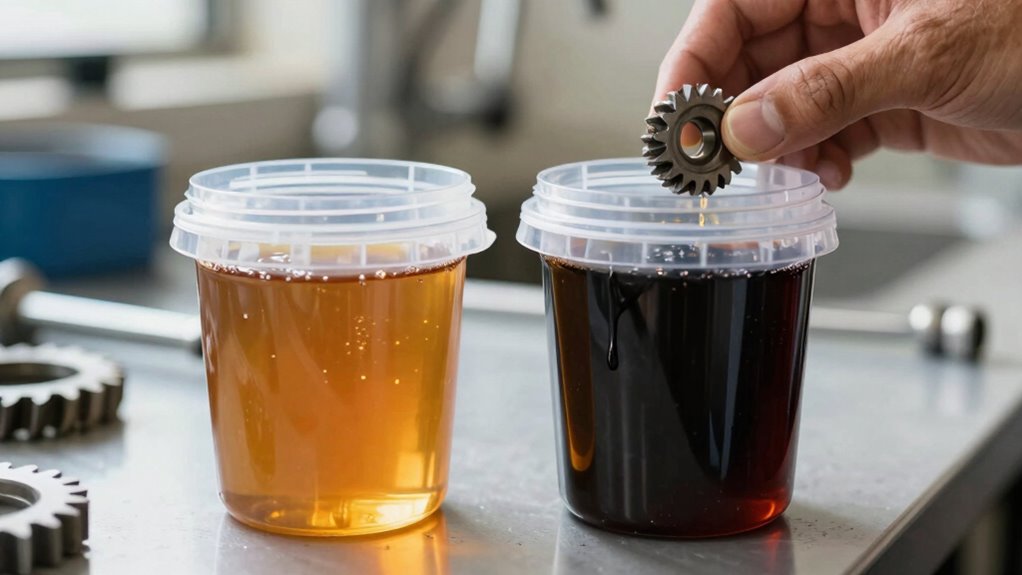
Wondering how to determine if a gear oil suits your vehicle? First, check your owner’s manual for recommended specifications. Next, look at the oil’s label to see if it matches the required gear oil type, like GL-4 or GL-5. Finally, consider the oil’s composition: synthetic blends often offer better additive effects, providing enhanced protection and compatibility. To be sure, inspect the oil for any unusual smell or discoloration, which could indicate contamination or incompatibility. Remember, using the wrong oil can harm your transmission, so double-check before topping up or replacing. Confirming compatibility guarantees your vehicle runs smoothly and prevents costly damage. By following these steps, you’ll confidently select the right gear oil for your vehicle’s needs.
Tips for Choosing the Right Gear Oil to Protect Your Transmission
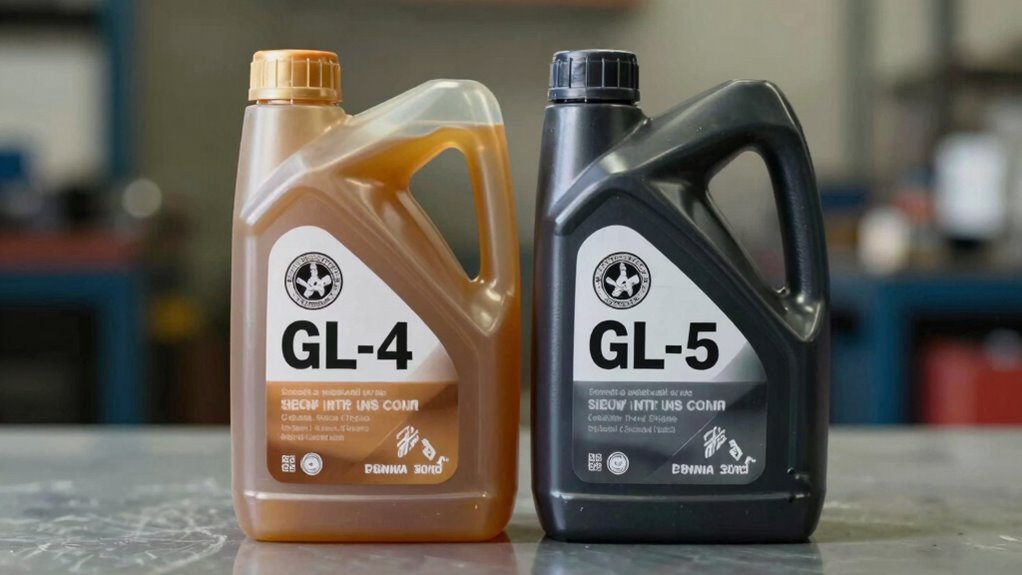
When choosing gear oil, make sure it’s compatible with your transmission to prevent damage. Pay attention to oil specifications and follow maintenance practices to keep your gears protected. Proper selection and routine upkeep are key to ensuring your transmission runs smoothly.
Oil Compatibility Considerations
Choosing the right gear oil starts with understanding its compatibility with your transmission components. You need to confirm the oil’s formulation matches your transmission’s requirements to prevent damage. First, check if synthetic formulations are compatible, as they often offer better protection but may not suit older systems. Second, verify additive compatibility; incompatible additives can cause corrosion or reduce lubrication efficiency. Third, review manufacturer recommendations to see if the gear oil aligns with your transmission’s specifications, especially regarding GL-4 or GL-5 ratings. Always select oils designed for your specific gear type and consider the compatibility of additives to avoid issues like gear wear or seal deterioration. Properly matching these factors helps protect your transmission and prolong its lifespan.
Proper Maintenance Practices
Selecting the right gear oil is a key step in maintaining your transmission’s health and performance. Proper maintenance involves choosing oils with suitable additive formulations, whether synthetic blends or conventional options, to ensure ideal protection. Regularly check your fluid levels and change gear oil according to manufacturer guidelines. Using synthetic blends can provide better stability and temperature resistance, extending your transmission’s lifespan. Always verify compatibility with your vehicle’s specifications to avoid damage. To help you decide, consider this table:
| Gear Oil Type | Additive Formulations | Benefits |
|---|---|---|
| Synthetic Blends | Advanced additive formulations | Better temperature control |
| Conventional Oil | Basic additive formulations | Cost-effective |
| GL-4 | Sulfated EP additives | Suitable for syncros |
| GL-5 | Extreme pressure additives | Heavy loads |
| Regular Maintenance | Fluid checks, timely changes | Keeps transmission smooth |
Stick to these practices for reliable transmission performance.
Frequently Asked Questions
Can Mixing GL-4 and GL-5 Cause Transmission Damage?
Mixing GL-4 and GL-5 can cause transmission damage because the oils may not blend well, affecting oxidation stability and viscosity index. This can lead to increased wear, reduced lubrication, and potential gear failure. You risk disrupting the protective film, which compromises your transmission’s longevity. Always stick to the recommended oil type to guarantee peak performance and avoid destructive chemical reactions from incompatible additives.
Are There Specific Brands That Are Better for Compatibility?
Coincidentally, some brands stand out for better compatibility due to rigorous testing and strong reputation. You’ll want to look for brands that prioritize compatibility testing, ensuring their gear oils meet industry standards. Trusted names like Mobil, Castrol, and Valvoline often provide products with proven compatibility, reducing the risk of transmission issues. Always check the product specifications and reviews to confirm that the brand’s oils are suitable for your transmission type.
How Does Temperature Affect GL-4 and GL-5 Performance?
Temperature markedly impacts GL-4 and GL-5 performance by affecting viscosity stability and thermal performance. As temperatures rise, the oils must maintain proper viscosity to lubricate effectively, preventing wear and overheating. GL-5 lubricants typically handle higher temperatures better, offering improved thermal performance and stability under extreme conditions. Conversely, GL-4 oils may perform well at moderate temperatures but can thin out or thicken excessively in extreme heat or cold, reducing their protective abilities.
Is Synthetic Gear Oil Available in Both GL-4 and GL-5?
Yes, synthetic gear oils are available in both GL-4 and GL-5 formulations. You should check the synthetic formulations for additive compatibility, as some additives may not work well together or could cause issues. Synthetic options offer better performance across temperature ranges, but always verify compatibility with your vehicle’s specifications to avoid any potential damage. This guarantees you get the benefits of synthetic oils without compromising gear protection.
What Are the Signs of Gear Oil Incompatibility in My Vehicle?
Imagine driving and suddenly hearing gear noise or experiencing gear slippage—that’s a sign your gear oil might be incompatible. You could notice rough shifting, delayed engagement, or increased heat around the transmission. These issues often point to poor lubrication. If your vehicle exhibits any of these signs, it’s time to check your gear oil’s compatibility. Ignoring these symptoms risks damaging your transmission and costly repairs down the line.
Conclusion
Choosing the right gear oil keeps your transmission smooth and safe. By understanding the subtle differences between GL-4 and GL-5, you prevent potential problems and preserve your vehicle’s significance. Don’t let confusion cause costly damage—consult your manual, check compatibility, and choose wisely. With careful selection, you’ll keep your gears grinding gracefully, gaining peace of mind and prolonging your vehicle’s importance. Protect your transmission today for a smoother, safer tomorrow.
Fall Picks
fall essentials
As an affiliate, we earn on qualifying purchases.