
A ‘lifetime fill’ claim for your manual gearbox means the manufacturer says the transmission fluid should last throughout your vehicle’s expected lifespan under normal driving conditions. However, it doesn’t guarantee you won’t need to change it eventually, especially if you drive hard or under harsh conditions. While the fluid is designed to last a long time, regular checks and awareness of signs like shifting problems or noise can help you avoid costly repairs later on. Keep going to learn more.
Key Takeaways
- “Lifetime fill” suggests transmission fluid is designed to last for the vehicle’s expected lifespan under normal conditions.
- It does not mean the fluid will never need replacement; regular inspections are still necessary.
- Manufacturer recommendations vary; some advise fluid changes despite the “lifetime” claim.
- Extreme driving or environmental factors can degrade the fluid sooner, requiring earlier maintenance.
- Signs of degraded fluid include shifting issues, noise, or dark, gritty transmission fluid.

Valvoline Synchromesh Manual Transmission Fluid 1 Quart
Meets the demands of manual synchro transmissions and manual transaxles
As an affiliate, we earn on qualifying purchases.
As an affiliate, we earn on qualifying purchases.
What Does ‘Lifetime Fill’ Mean for Your Manual Transmission?
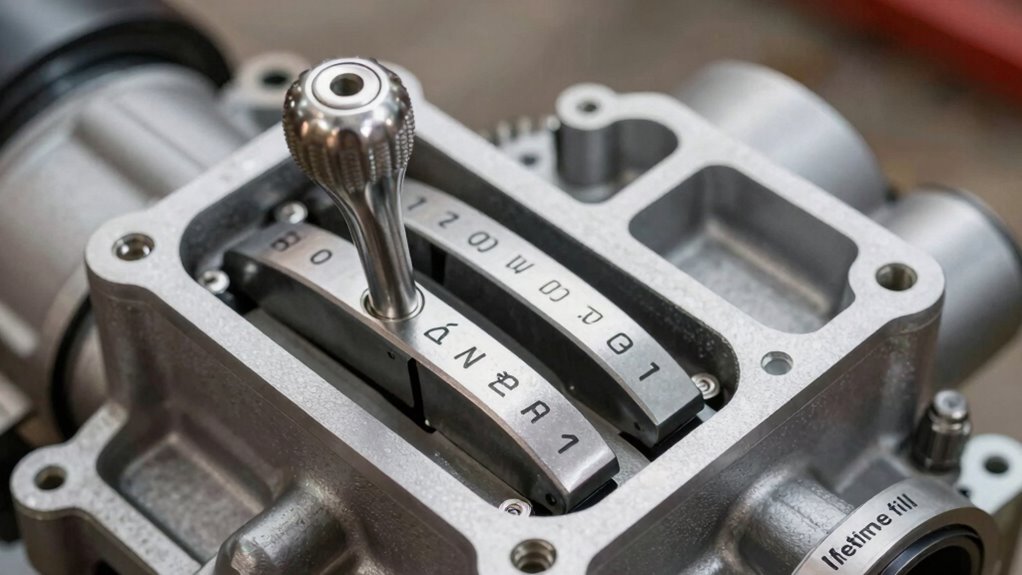
When a manual transmission is labeled as having a “lifetime fill,” it means the manufacturer claims you won’t need to change the transmission fluid during the vehicle’s expected lifespan. This usually implies that the fluid is designed to last for many years under normal driving conditions without degradation. The idea is that the transmission’s sealed system prevents contamination and fluid breakdown, eliminating routine maintenance. However, “lifetime” doesn’t necessarily mean forever — it’s based on the manufacturer’s estimate of how long the fluid remains effective. If you drive in severe conditions, like frequent stop-and-go traffic, towing, or extreme temperatures, the fluid may still need replacing sooner. Always check your vehicle’s manual for specific recommendations, even if it claims a “lifetime fill,” as the sealed system can sometimes still allow for fluid deterioration over time.
Valvoline Synchromesh Manual Transmission Fluid 1 Quart
Meets the demands of manual synchro transmissions and manual transaxles
As an affiliate, we earn on qualifying purchases.
As an affiliate, we earn on qualifying purchases.
How Do Manufacturers Define ‘Lifetime’ in Transmission Maintenance?
Manufacturers define ‘lifetime’ in transmission maintenance based on the expected duration the fluid can effectively perform without replacement, typically aligning with the vehicle’s overall lifespan. They base this on extensive testing and engineering data, estimating how long the fluid remains effective under normal driving conditions. This period can range from 60,000 to 150,000 miles or more, depending on the manufacturer’s standards. However, ‘lifetime’ doesn’t necessarily mean forever; it’s a marketing term indicating the fluid should last as long as the vehicle’s warranty or until the vehicle reaches a certain age. This definition often assumes ideal conditions and regular maintenance, but real-world factors like driving habits, climate, and load can impact fluid longevity. Additionally, understanding water contamination and its effects on transmission fluid can be crucial for maintaining transmission health over the supposed ‘lifetime’ period. For example, fluid degradation due to contaminants can shorten the effective lifespan, making regular checks vital. Proper maintenance practices, including monitoring for signs of deterioration, can help ensure the fluid performs as intended throughout its design life, especially considering Indigenous wellness principles that emphasize holistic care and respect for natural systems. Awareness of transmission fluid quality and its impact on transmission performance can help extend the effective lifespan of the fluid beyond initial estimates.

Orion Motor Tech Transmission Fluid Pump, 3L Transmission Filler Pump with 12pc ATF Aluminum Adapters, Manual Transmission Fluid Transfer Pump with Pressure Gauge, Transmission Dispenser Oil Pump Tool
Top Off Transmission Fluid with Ease: Keep your ride running smoothly and extend its longevity by effortlessly refilling…
As an affiliate, we earn on qualifying purchases.
As an affiliate, we earn on qualifying purchases.
Is ‘Lifetime Fill’ a Warranty or Just a Marketing Gimmick?
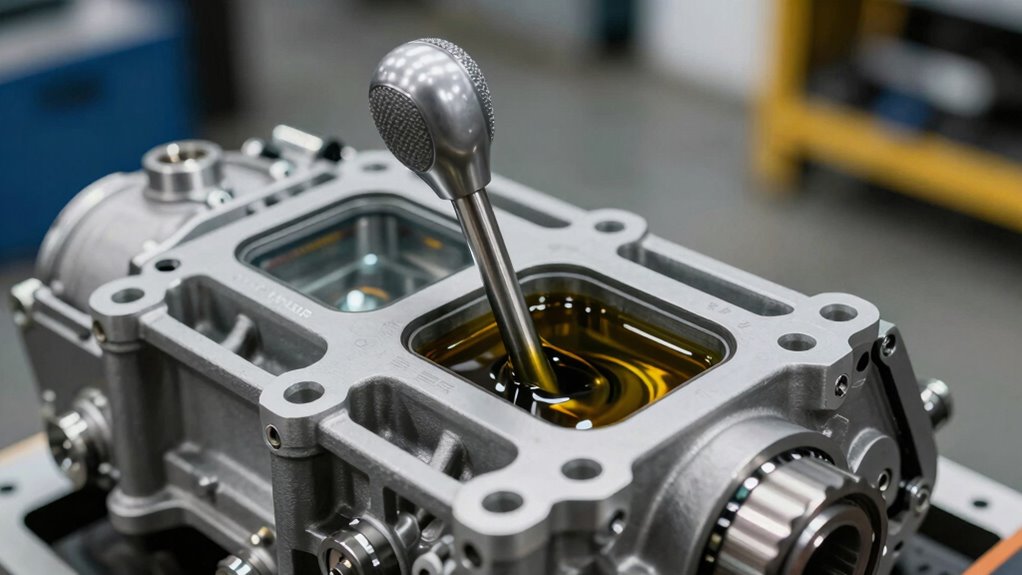
Many carmakers promote the idea of a “lifetime fill” for transmission fluid, but what does that really mean? Usually, it’s more of a marketing term than a strict warranty promise. Manufacturers often define “lifetime” as the duration of the vehicle’s warranty or a set number of miles, not necessarily the entire lifespan of the car. They typically don’t cover fluid changes or related repairs once that period ends. This means that “lifetime fill” might give you peace of mind initially, but it doesn’t guarantee your transmission won’t need maintenance or fluid replacement later. It’s best to see it as a selling point, not an ironclad warranty. You should stay proactive about your transmission’s health, regardless of what the label claims. Understanding Effective Email Marketing Strategies can help you stay informed about how such claims are used to attract customers.
VW Classic Beetle – Maintenance and Upgrades Manual
As an affiliate, we earn on qualifying purchases.
As an affiliate, we earn on qualifying purchases.
How Long Does Transmission Fluid Last in a Manual Gearbox?
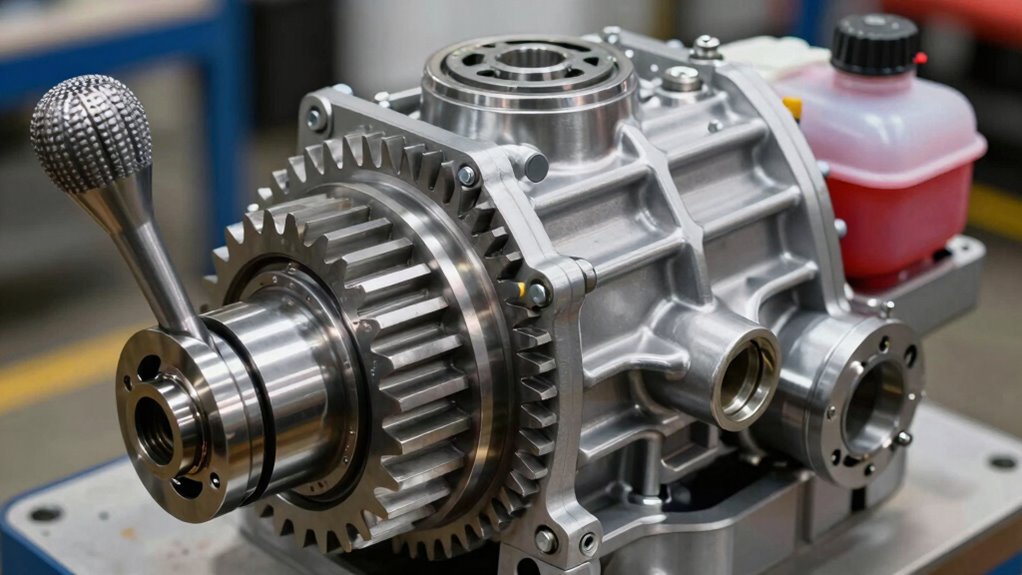
Your manual gearbox’s transmission fluid typically lasts around 30,000 to 60,000 miles, but this can vary based on driving habits. You’ll want to watch for signs like grinding or difficulty shifting, which may indicate fluid wear. Regular maintenance, including fluid checks and replacement, helps keep your transmission running smoothly long-term.
Typical Fluid Lifespan
Typically, transmission fluid in a manual gearbox can last anywhere from 30,000 to 60,000 miles before it needs replacement. However, this range depends on driving habits, operating conditions, and the quality of the fluid used. If you frequently drive in stop-and-go traffic or rough terrains, your fluid may degrade faster. Regular driving in extreme temperatures can also shorten its lifespan. Many manufacturers recommend inspecting or replacing the fluid within this mileage window to ensure smooth shifting and prevent premature wear. Keep in mind, some manual transmissions might handle fluid longer under ideal conditions, but sticking to the recommended interval is best for maintaining your gearbox’s health. Regular maintenance helps extend the lifespan of your transmission components and keeps your driving experience reliable.
Signs of Fluid Wear
How can you tell if your manual transmission fluid is worn out? You might notice difficulty shifting gears, increased noise, or a burning smell when driving. These signs indicate the fluid’s lubrication properties are diminishing, leading to increased friction and wear. To better understand, here’s a quick overview:
| Symptom | Possible Cause | Recommended Action |
|---|---|---|
| Hard shifting | Fluid breakdown or contamination | Check and replace fluid |
| Gear grinding or slipping | Low or degraded transmission fluid | Inspect fluid level and quality |
| Burning smell while driving | Worn-out fluid causing overheating | Change the transmission fluid |
| Increased noise | Lack of proper lubrication | Schedule a fluid inspection |
| Altered driving experience | Regional flavors and unique additives in the fluid | Regional flavors and additives can influence fluid performance |
Pay attention—early signs can save your gearbox from costly damage.
Maintenance Recommendations
Ever wonder how long your manual transmission fluid should last? Typically, manufacturers recommend changing it every 30,000 to 60,000 miles, but this can vary based on driving habits and conditions. If you often drive in stop-and-go traffic or rough terrain, you might need to replace the fluid sooner. Regular inspections can help you catch signs of wear, such as burnt smell, discoloration, or metal particles. Even if your vehicle claims a “lifetime fill,” it’s wise to have the fluid checked periodically. Proper maintenance guarantees smoother shifting, prolongs gearbox life, and prevents costly repairs down the line. Stay proactive by following your vehicle’s maintenance schedule and consulting your owner’s manual for specific recommendations.
Signs Your Manual Transmission Needs Service Before the ‘Lifetime’?
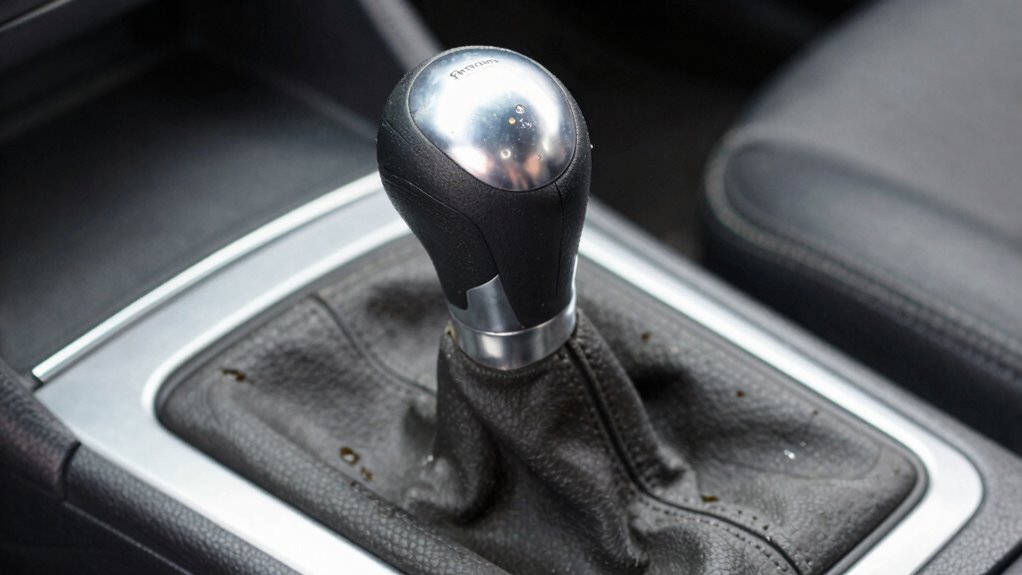
Your manual transmission may be signaling trouble long before reaching its expected lifespan if you notice grinding noises when shifting, difficulty engaging gears, or a burning smell coming from under the hood. These signs indicate potential issues like worn synchros, low or degraded fluid, or internal damage. If shifting feels gritty or jumps out of gear, it’s a red flag that your transmission isn’t functioning smoothly. A burning smell suggests overheating or friction, which can cause further damage if ignored. Additionally, if your clutch feels spongy or you experience gear slipping, it’s time to get it inspected. Addressing these problems early can prevent costly repairs and extend your transmission’s lifespan beyond the “lifetime fill” claim. Don’t wait until symptoms worsen to seek professional help.
How to Check and Replace Your Transmission Fluid Properly
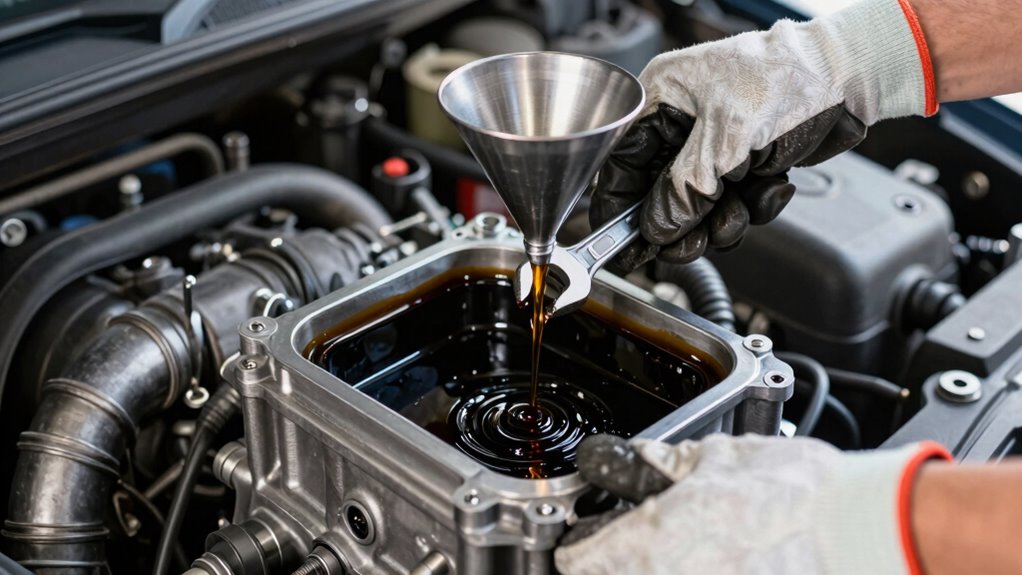
Checking and replacing your transmission fluid is a straightforward process that helps guarantee smooth shifting and prolongs the life of your manual transmission. First, locate the fill plug on the transmission case, usually on top. Use a wrench to remove the fill plug and check the fluid level; it should be near the opening. If it’s low or dark, it’s time to replace it. To do so, drain the old fluid by removing the drain plug, then refill with the recommended type and amount. Be sure to check your vehicle’s manual for specific fluid specifications. Properly maintaining your transmission fluid can also be aided by understanding testing accuracy to ensure the fluid conditions are optimal. Regular fluid inspection can help catch potential issues early and prevent costly repairs. Additionally, using high-quality electric bike batteries can improve your vehicle’s overall performance and reliability. Being aware of flywheel performance can also contribute to smoother acceleration and better engine feel. Proper fluid maintenance is essential for automatic transmission longevity and optimal vehicle operation. Here’s a quick reference:
| Step | Description |
|---|---|
| Check fluid level | Remove fill plug, verify level is correct |
| Drain old fluid | Remove drain plug, let fluid flow out |
| Refill with new fluid | Use recommended fluid, secure plugs |
Myths About ‘Lifetime’ Transmission Fluids Debunked
Many people believe that “lifetime” transmission fluids never need changing, but this is a common misconception. Manufacturers label some fluids as “lifetime” to suggest they last for the vehicle’s entire warranty period, but that doesn’t mean they won’t degrade over time. Heat, wear, and contamination gradually break down the fluid’s properties, reducing its effectiveness. Relying on a “lifetime” label can lead you to neglect maintenance, resulting in increased wear or potential transmission issues down the line. Modern fluids are designed to last longer than older versions, but they still have a lifespan. Regular inspections and changes, based on your vehicle’s maintenance schedule, are the best way to ensure your transmission remains smooth and reliable over time. Additionally, understanding industry standards and regulatory compliance can help you make informed decisions about your transmission fluid maintenance.
Do You Still Need to Change Transmission Fluid With ‘Lifetime Fill’?
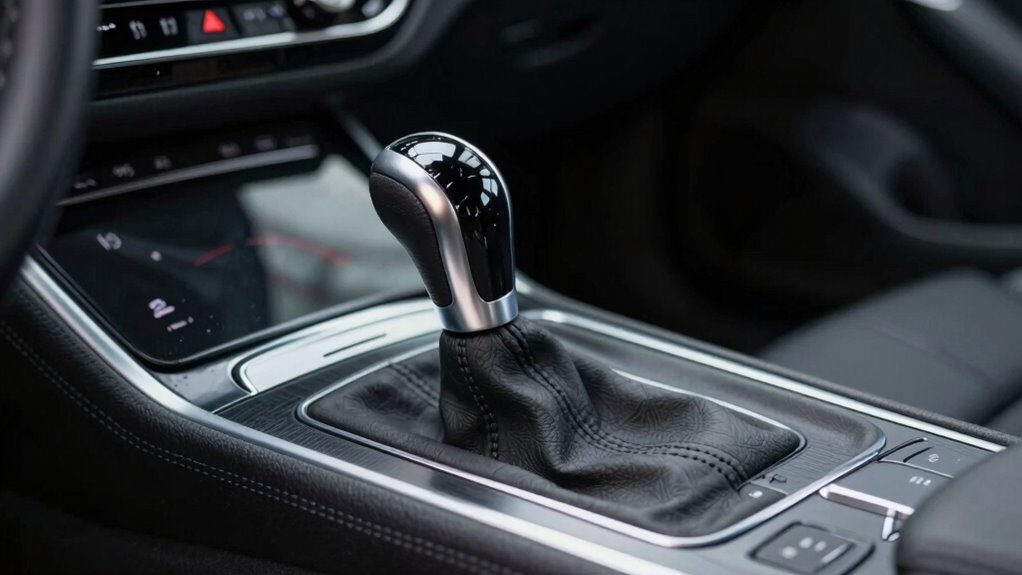
You might think a lifetime fill means you never need to change your transmission fluid, but that’s not always the case. Manufacturer recommendations can vary, and signs of fluid degradation—like unusual noises or shifting issues—may still require attention. It’s important to understand when and why fluid changes might be necessary even with a lifetime fill system. Additionally, understanding the fluid condition can help you better assess your vehicle’s maintenance needs over time. Regular inspection of the transmission fluid can reveal whether a change is needed to maintain optimal performance and longevity. Monitoring fluid degradation signs can help prevent potential transmission problems before they become costly repairs, especially since industry trends show that some vehicles may benefit from fluid changes despite the “lifetime” label.
Definition of Lifetime Fill
A “lifetime fill” transmission fluid is marketed as a fluid designed to last the entire lifespan of the vehicle without needing replacement. However, this doesn’t mean it’s indestructible or maintenance-free. It’s formulated to withstand heat and wear over many miles, but conditions like extreme driving or harsh environments can still degrade it.
Imagine this fluid as:
- A protective coat, shielding internal gears from friction
- A lubricant that reduces heat buildup and prevents corrosion
- A fluid that maintains smooth gear shifts and ideal performance
- A substance that, despite its durability, can still break down over time, requiring attention before problems arise
Manufacturer Recommendations
Do manufacturer recommendations still call for transmission fluid changes when a vehicle has a ‘lifetime fill’ system? Many automakers now suggest that fluid doesn’t need regular replacement under normal driving conditions. However, this advice often assumes ideal circumstances and proper maintenance. It’s wise to consult your owner’s manual; some brands still recommend fluid changes after a certain mileage or time. Here’s a quick comparison:
| Manufacturer A | Recommends fluid change at 100,000 miles |
|---|---|
| Manufacturer B | No scheduled change, lifetime fill assumed |
| Manufacturer C | Change every 60,000 miles for best results |
| Manufacturer D | Recommends inspection but no replacement |
Always follow your vehicle’s specific guidelines to ensure prime transmission health. For example, the concept of “transmission health” is crucial in maintaining optimal vehicle performance over time. Regular fluid inspection can help detect early signs of wear or contamination, even if a “lifetime fill” system is claimed.
Signs of Fluid Degradation
Even with a ‘lifetime fill’ transmission system, fluid doesn’t stay pristine forever. Over time, signs of degradation can appear, indicating it’s time to check or replace the fluid. You might notice a strange burning smell as the fluid breaks down. Slipping gears or delayed engagement signal that the fluid’s lubricating properties are weakening. Unusual noises like whining or grinding could also develop. Additionally, dark, cloudy, or gritty fluid suggests contamination and deterioration. Regularly monitoring the fluid’s condition helps prevent transmission issues. If any of these signs emerge, it’s wise to have the fluid inspected and possibly changed, even in systems claiming ‘lifetime fill.’ Staying vigilant ensures your transmission remains smooth and reliable longer.
When Should You Follow Manufacturer Recommendations for Fluid Changes?
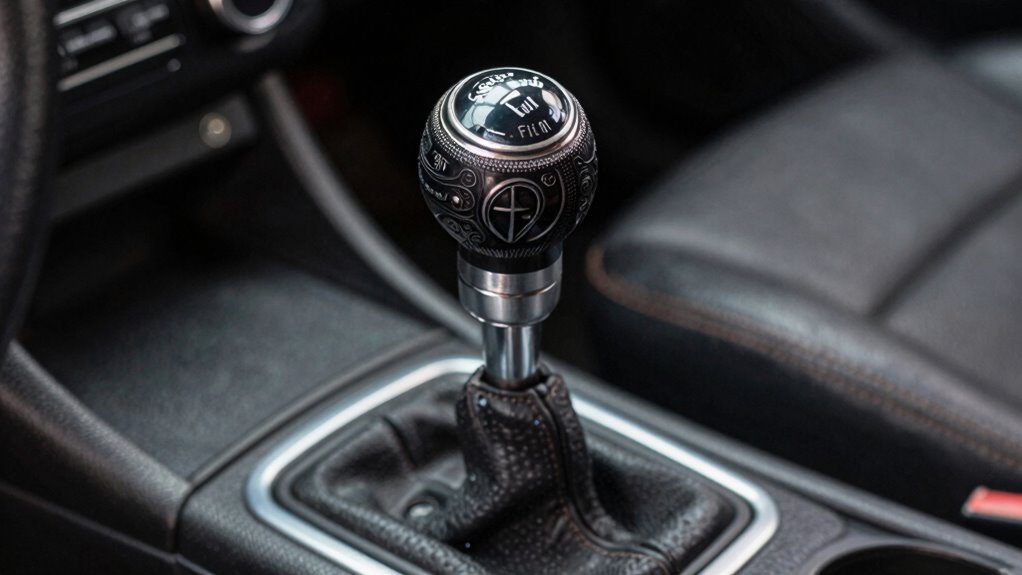
Following your vehicle manufacturer’s recommendations for fluid changes guarantees your manual gearbox stays in peak condition. Check your owner’s manual for the suggested intervals, which typically range from every 30,000 to 60,000 miles, depending on driving conditions. If you often drive in harsh environments—like extreme heat, cold, or dusty conditions—you might need more frequent fluid changes. Pay attention to any changes in shifting performance, unusual noises, or gear engagement issues, as these can indicate fluid degradation. Even if your vehicle is marketed with a “lifetime fill,” it’s wise to follow the manufacturer’s advice or consult a mechanic if you notice symptoms of fluid wear. Regularly scheduled changes help prevent premature wear and maintain smooth, reliable gear operation. Incorporating a curiosity-driven approach to vehicle maintenance can also help you stay attentive to signs that your gearbox needs attention, especially since astrological signs have been linked to different perceptions of beauty that might influence your confidence in your vehicle’s performance. Additionally, understanding fluid degradation can empower you to recognize early warning signs before costly repairs are needed, since fluid properties change over time and use. Staying informed about vehicle maintenance best practices can further enhance your ability to keep your gearbox in optimal condition and avoid unexpected breakdowns.
How to Make Smarter Maintenance Decisions for Your Manual Gearbox
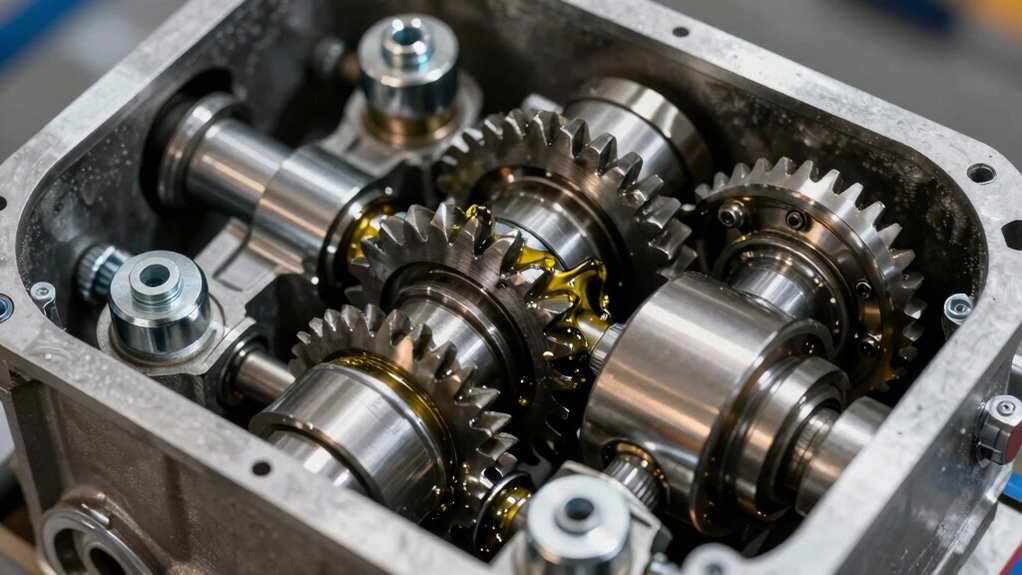
Making informed maintenance decisions for your manual gearbox means paying close attention to how it performs over time. Listen for unusual noises, rough shifting, or difficulty engaging gears. Keep an eye on fluid levels and quality; dark, gritty fluid signals it’s time to act. Regularly inspect for leaks or damage that could compromise operation. Tracking your driving habits also helps—aggressive driving or frequent stop-and-go traffic can accelerate wear.
Monitor your gearbox’s performance, fluid health, and driving habits to prevent costly repairs and prolong its lifespan.
Imagine:
- A smoothly shifting gearstick, responsive and quiet
- Clear, light-colored fluid indicating healthy lubrication
- No signs of leaks pooling beneath your vehicle
- Consistent, comfortable gear engagement during drives
Being proactive with these signs helps you avoid costly repairs and extends your gearbox’s lifespan.
Frequently Asked Questions
Can ‘Lifetime Fill’ Transmission Fluid Actually Last for the Vehicle’s Entire Life?
Yes, “lifetime fill” transmission fluid is designed to last the entire life of your vehicle, but it doesn’t guarantee it’ll stay effective forever. Over time, heat, use, and contaminants can break down the fluid. While manufacturers claim it’s maintenance-free, many experts recommend changing it periodically to guarantee peak performance and prevent potential damage. So, even with “lifetime fill,” regular inspections and changes are a wise idea.
Are There Risks Associated With Ignoring Recommended Transmission Fluid Changes?
Ignoring recommended transmission fluid changes can lead to serious issues—up to a 25% increase in transmission repairs over five years. If you neglect fluid changes, you risk reduced lubrication, overheating, and eventual transmission failure. This can cause costly repairs or replacements. Regular maintenance ensures your manual gearbox stays smooth and reliable, saving you money and preventing unexpected breakdowns. Don’t overlook your vehicle’s maintenance schedule; it’s essential for longevity.
How Does Driving Style Affect the Longevity of Manual Transmission Fluid?
Your driving style substantially impacts how long your manual transmission fluid lasts. Aggressive driving, frequent hard shifts, and high speeds cause more wear and heat, breaking down the fluid faster. Conversely, smooth, gentle shifts and moderate driving reduce stress on the transmission, helping the fluid stay effective longer. To extend fluid life, avoid aggressive driving habits, shift smoothly, and follow your vehicle’s maintenance recommendations.
What Are the Environmental Impacts of ‘Lifetime Fill’ Transmission Fluids?
Environmental echoes emerge with lifetime fill transmission fluids. When these fluids eventually degrade and are replaced, they contribute to chemical contamination, complicating disposal and recycling efforts. You might unknowingly facilitate a future of fossil fuel fossilization or chemical contamination if you ignore proper disposal. Ensuring responsible disposal reduces environmental erosion, emphasizing eco-conscious choices. So, while lifetime fills promise convenience, they also pose environmental challenges that demand diligent disposal and environmental awareness.
Do ‘Lifetime’ Transmission Fluids Require Special Maintenance or Additives?
No, ‘lifetime’ transmission fluids typically don’t require special maintenance or additives. Manufacturers design these fluids to last the lifetime of the transmission, so you usually won’t need to change or add anything unless advised by your vehicle’s manual or if you notice issues. However, it’s a good idea to keep an eye on fluid levels and condition, especially if you experience shifting problems or unusual noises.
Conclusion
Remember, ‘lifetime fill’ is more of a promise to keep your transmission running smoothly, not a free pass to ignore maintenance. Like a trusted friend, your manual gearbox needs regular care to avoid unexpected breakdowns. Don’t let the myth of eternal fluid lull you into complacency—your vehicle’s health depends on timely service. After all, even the strongest armor needs upkeep to stand the test of time. Stay vigilant, and your transmission will thank you.