Limited-slip differential chatter happens when internal parts like clutch plates or friction surfaces wear out, or if the oil isn’t correct. Using the wrong fluid or one without proper friction modifiers can cause harsh engagement, vibrations, and tire wear. Regular maintenance and choosing the right gear oil for your differential help reduce noise and improve smoothness. Stick around to discover how different fluids and proper care can keep your differential quiet and working well.
Key Takeaways
- Chatter occurs due to improper clutch engagement caused by worn parts, contamination, or inadequate lubrication within the differential.
- Incorrect or incompatible differential fluids, especially those lacking proper friction modifiers, can increase chatter and noise.
- Synthetic oils with suitable additives promote smoother clutch operation and reduce differential chatter.
- Using the wrong viscosity or failing to change differential fluid regularly can lead to increased friction and noise issues.
- Proper maintenance, including choosing the right fluid and inspecting clutch components, minimizes chatter and prolongs differential life.

LYAYAN 4-Drum Spill Containment Pallet | 51"x51"x6" Heavy-Duty Polyethylene Tray with Drain | Anti-Slip & Detachable Secondary Containment for Industrial 55-Gallon Storage
INDUSTRIAL LEAK PROTECTION: Delivers 30 gallon sump capacity and 5000 Lbs load capacity to contain hazardous liquid spills;...
As an affiliate, we earn on qualifying purchases.
Why Does My Limited-Slip Differential Chatter?
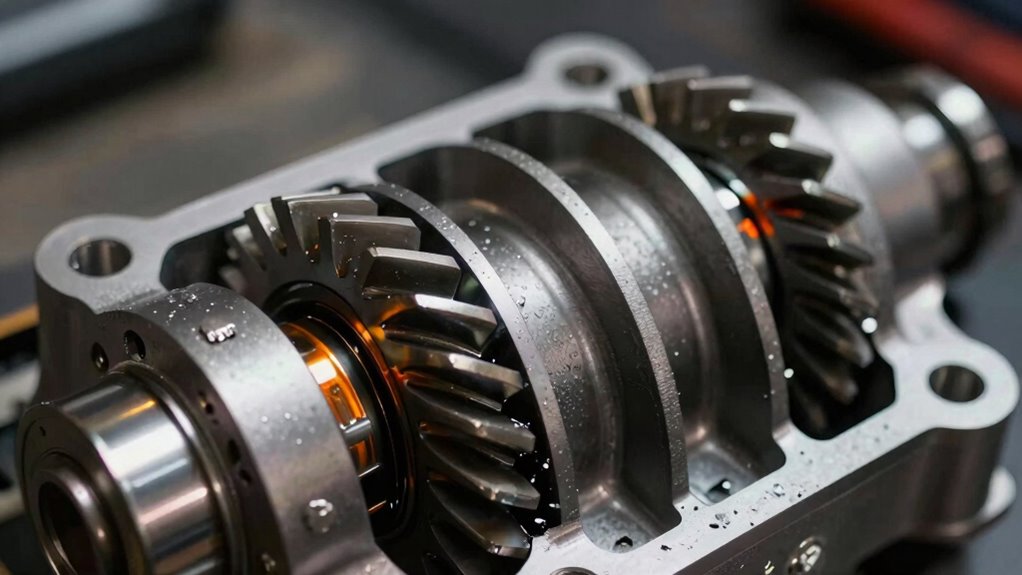
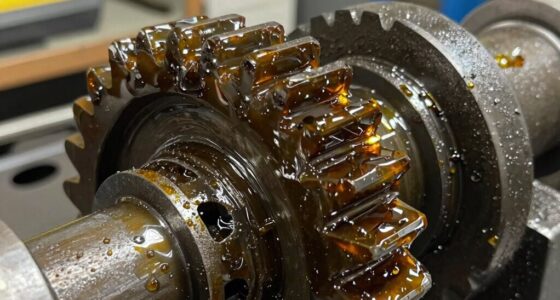
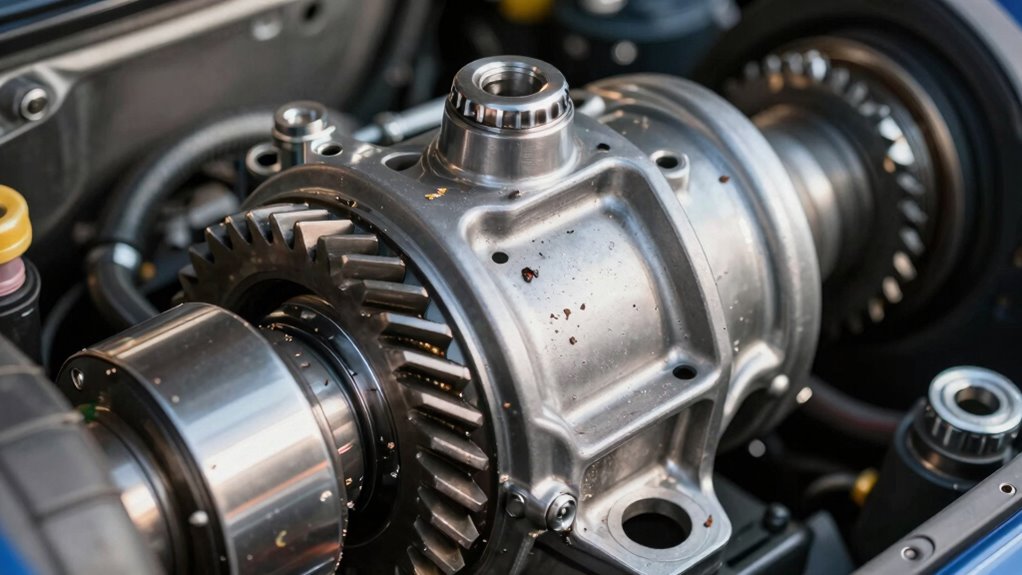
If your limited-slip differential is chattering, it’s usually due to internal components struggling to engage smoothly. This noise often happens when clutch plates or friction surfaces aren’t properly lubricated or have worn out over time. When the fluid isn’t providing enough lubrication or has become contaminated, the clutches can slip or bind unexpectedly, causing the chatter. Additionally, worn or broken springs, damaged clutch discs, or misaligned parts can hinder proper engagement. Temperature fluctuations can also impact how the internal components interact, making them more prone to chatter during cold starts or heavy use. Essentially, any issue that prevents the clutch packs from engaging evenly or smoothly will lead to this unsettling noise and feel. Regular maintenance and proper fluid levels are key to preventing this problem.

Eagle High Capacity 4 Drum Spill Containment Pallet with Drain and Forklift Pockets, 52.5"x51"x13.75", 132 Gallon Sump, 8,000 lbs. Load Capacity Secondary Containment Pallet, Made in USA, Yellow, 1640
Durable Construction: Made from high-density polyethylene with lead-free protectant, this oil drum containment pallet has excellent chemical resistance...
As an affiliate, we earn on qualifying purchases.
Signs and Effects of Differential Chatter
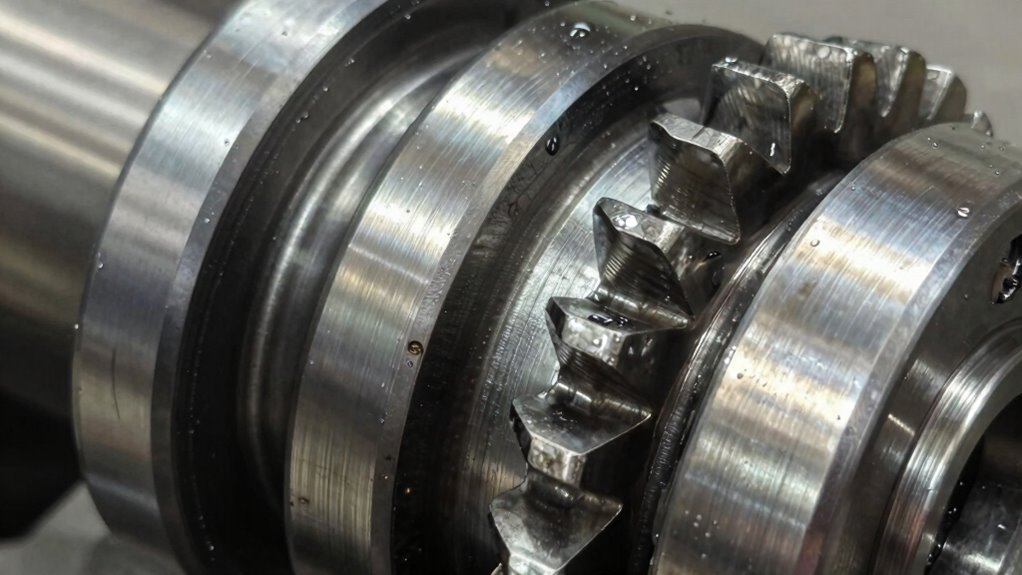
You might notice an unusual drive feel when your differential chatters, making the vehicle hard to control. This problem can also lead to increased tire wear, as the tires struggle to maintain grip. Recognizing these signs early helps prevent further damage and keeps your vehicle running smoothly. Additionally, understanding differential operation related to differential operation can aid in diagnosing and addressing chatter issues effectively. Being aware of style options for vehicle maintenance can help you choose the right approach to resolve such problems efficiently. Proper maintenance and understanding of training techniques can also contribute to better vehicle handling and longevity. Familiarizing yourself with Mad Tasting techniques can further improve your knowledge of vehicle components and their responses.
Unusual Drive Feel
Unusual drive feel often signals that your limited-slip differential is experiencing chatter, which can cause noticeable vibrations or shuddering during acceleration or deceleration. You might feel a rhythmic jerking or a harsh vibration through the steering wheel or seat, especially when turning or shifting gears. These sensations happen because the clutch plates inside the differential are slipping or engaging unevenly, disrupting smooth power transfer. Chatter can also lead to a feeling of instability or unpredictability in how the vehicle responds to your inputs. If you notice these irregularities, it’s a sign that the differential isn’t functioning properly. Ignoring this can lead to further damage, so addressing chatter early can prevent costly repairs and improve your driving experience. Proper differential maintenance can help mitigate these issues and extend the lifespan of your vehicle’s drivetrain. Regularly checking the differential fluid levels and quality can help identify issues before they escalate, ensuring smoother operation and longevity.
Increased Tire Wear
Have you noticed uneven or rapid tire wear even though your tires are relatively new? This could be a sign of differential chatter causing increased tire degradation. When the limited-slip differential isn’t functioning smoothly, it can cause one tire to spin more than the other, leading to uneven contact with the road. Over time, this imbalance accelerates tire wear, especially on the edges or in patches. You might also observe:
- Tread patterns that are inconsistent across the tire surface
- Accelerated wear on the inside or outside edges
- Sudden vibrations during acceleration or turning
- Increased noise from the drivetrain during operation
Addressing chatter early helps prevent premature tire replacement and maintains safe handling. Regular inspections and fluid changes can reduce these issues, ensuring your tires wear evenly and last longer. Proper gear care and fluid maintenance and eco-friendly disposal of worn-out parts also contribute to maintaining your vehicle’s performance and environmental sustainability. Additionally, understanding how different differential fluids impact chatter can help optimize your vehicle’s performance and tire longevity. In some cases, upgrading to more suitable fluids can significantly reduce chatter and extend the life of your differential components.

Eagle 4 Drum Spill Platform with Drain and Forklift Pockets, 103.5"x26.5"x6.5", 60.5 Gallon Sump, 10,000 lbs. Load Capacity Containment Tray, Made in USA, Yellow, 1647D
Customizable Spill Control: The built-in U-channels on each modular platform allows for easy connection of multiple platforms, creating...
As an affiliate, we earn on qualifying purchases.
How Do Different Oils Affect Limited-Slip Differential Noise?
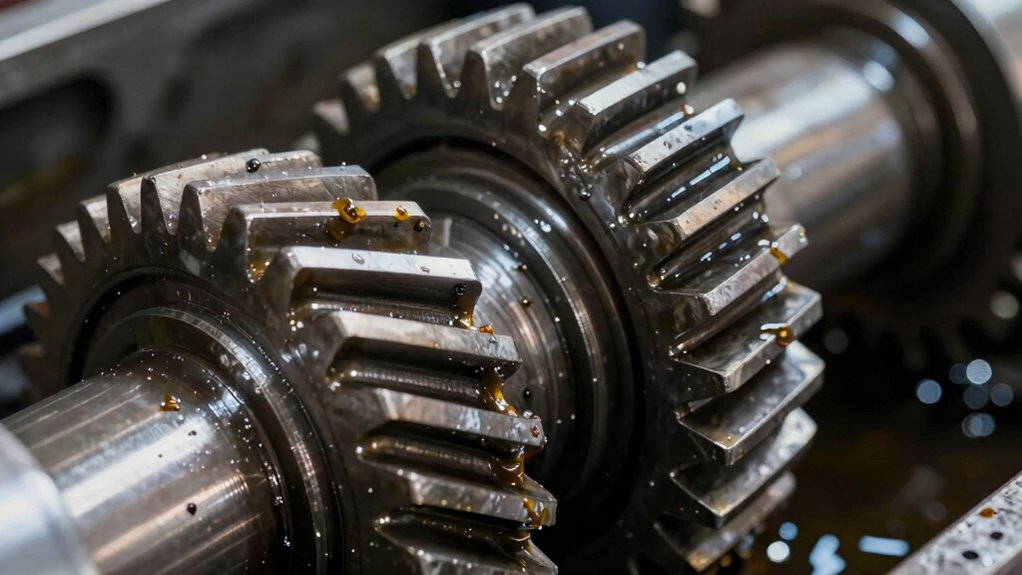
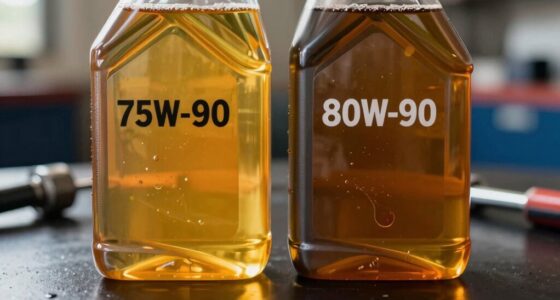
The type of oil used in a limited-slip differential can substantially influence the noise it produces during operation. Different oils have varying friction modifiers and additive packages, which affect how smoothly the gears and clutches engage. A high-quality, properly formulated gear oil reduces metal-on-metal contact and minimizes chatter. Conversely, using an oil with inadequate friction properties can cause increased noise, harsh engagement, or even chatter under load. Synthetic oils often provide better lubrication stability and consistent performance, leading to quieter operation. Thicker or overly viscous oils may also dampen noise, but they can impair responsiveness. Choosing the right oil ensures smoother clutch engagement and reduces unwanted noise, helping your differential operate quietly and efficiently under different driving conditions. Additionally, oil formulation plays a crucial role in maintaining optimal performance and reducing wear over time. Proper oil specifications and performance characteristics are essential for ensuring long-term reliability and minimizing noise issues. Selecting the appropriate viscosity grade ensures optimal balance between lubrication and responsiveness, further reducing chatter and noise.

Eagle High Capacity 4 Drum Spill Containment Pallet with Forklift Pockets, 52.5"x51"x13.75", 132 Gallon Sump, 8,000 lbs. Load Capacity Secondary Containment Pallet, Made in USA, Yellow, 1640ND
Durable Construction: Made from high-density polyethylene with lead-free protectant, this oil drum containment pallet has excellent chemical resistance...
As an affiliate, we earn on qualifying purchases.
Choosing the Best Gear Oil to Reduce Chatter
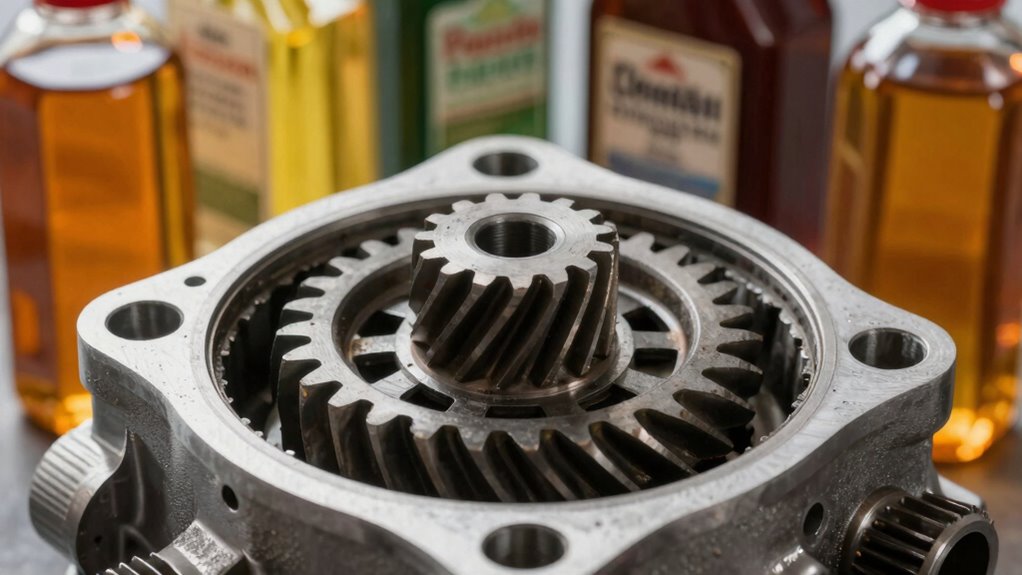
Choosing the right gear oil involves considering its viscosity and performance to minimize chatter. You need an oil that flows smoothly at your operating temperatures and works well with your differential’s materials. Ensuring compatibility helps maintain the best function and reduces unwanted noise during driving. Additionally, selecting a reliable data storage solution can help track maintenance and performance over time.
Viscosity and Performance
Selecting the right gear oil is crucial for minimizing chatter in limited-slip differentials, and viscosity plays a key role in this process. Thicker oils provide better cushioning and reduce metal-to-metal contact, which helps stabilize the gears. Conversely, thinner oils flow more easily, improving responsiveness but potentially increasing chatter if too light. Finding the ideal viscosity depends on your driving conditions and the differential’s design. Consider these factors:
- Temperature stability to ensure consistent performance
- Proper shear strength to prevent breakdown under stress
- Compatibility with differential seals and materials
- Fluids formulated specifically for limited-slip applications
Choosing the right viscosity ensures smooth operation, reduces noise, and extends the lifespan of your differential. Adjusting viscosity based on your vehicle’s needs can markedly improve overall performance.
Compatibility With Differentials
Ensuring your gear oil is compatible with your differential materials is essential for reducing chatter and preventing damage. Different differentials use various metals and seals that can react negatively to certain lubricants. Using the wrong oil may cause corrosion, seal deterioration, or increased wear. Check your differential’s manufacturer recommendations to identify compatible gear oils. Some limited-slip differentials require specific additives or formulations to work smoothly without chatter. Synthetic oils often offer better compatibility with diverse materials and improve overall performance. Always verify if the gear oil’s additive package aligns with your differential’s design. Proper compatibility guarantees ideal lubrication, reduces friction, and minimizes chatter, ultimately extending the lifespan of your differential. Additionally, understanding smart thermostat setup can help optimize your home environment and energy efficiency. Prioritize compatibility to maintain smooth operation and avoid costly repairs. Being aware of material reactions in lubricants can further prevent unwanted chemical interactions that could compromise your differential components. Regularly inspecting your differential components and maintaining proper fluid levels can further help in reducing chatter and ensuring smooth operation. Incorporating synthetic lubricants can also provide enhanced resistance to chemical reactions and improve longevity. To further support these efforts, consulting with professionals about lubricant compatibility testing can help ensure optimal performance.
How Friction Modifiers and Clutches Impact Differential Noise
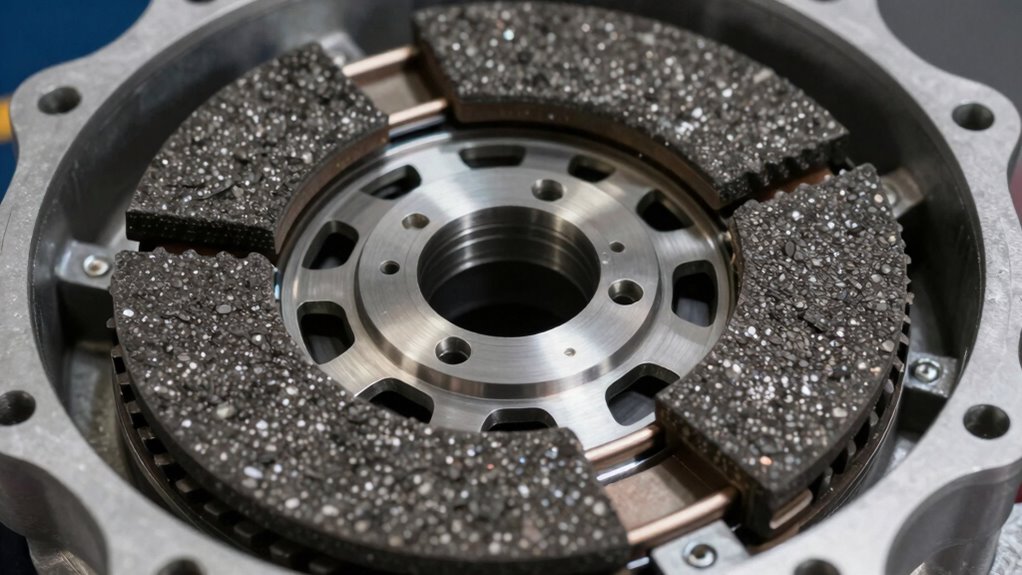
Friction modifiers and clutch packs play a crucial role in how a limited-slip differential operates and can considerably influence the noise it produces. When the right friction modifiers are used, they help balance grip and smoothness, reducing chatter and unwanted noise during cornering. Clutch packs, composed of friction plates and steel discs, engage and disengage to control wheel spin, but their design and condition directly affect noise levels. Improperly balanced clutch packs or incompatible fluids can cause chatter, squealing, or grinding sounds. To optimize performance, consider:
- Using friction modifiers formulated for limited-slip differentials
- Ensuring clutch packs are properly lubricated and maintained
- Choosing fluids with the correct frictional properties
- Avoiding incompatible or overly thick lubricants
- Selecting appropriate fluids that are compatible with your differential components
Using the correct lubrication properties can help maintain consistent clutch engagement and reduce noise. These factors work together to minimize noise and improve differential behavior.
Maintenance Tips to Minimize Chatter in Your Differential
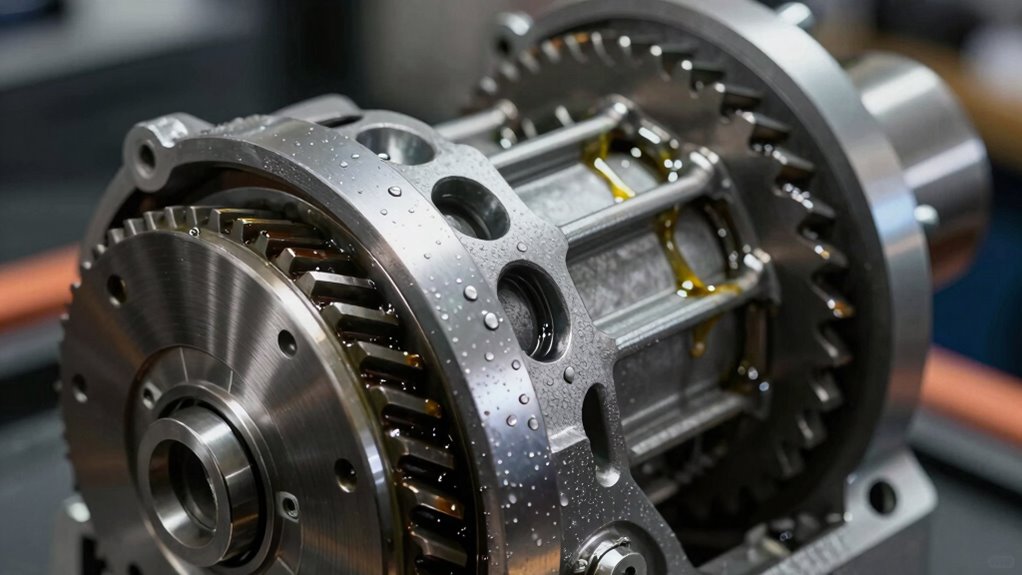
Regular maintenance of your differential is key to reducing chatter and keeping it functioning smoothly. Start by checking the differential fluid level regularly and topping it off if needed. Use the manufacturer-recommended fluid type, especially if you want to minimize chatter—some fluids are better suited for limited-slip differentials. Change the fluid at intervals specified in your vehicle’s manual, as old or contaminated fluid can lead to increased noise and wear. Inspect the differential for leaks or damaged seals, and replace worn components promptly. Proper lubrication helps reduce friction and prevents chatter caused by metal-on-metal contact. Additionally, ensure your suspension and drive components are in good condition, as issues here can also influence differential noise. Staying informed about sector performance metrics can also help anticipate potential issues and plan maintenance accordingly. Regular upkeep keeps your differential operating quietly and efficiently, and using the correct heat-resistant lubricants can further prevent issues related to heat buildup. Maintaining proper differential fluid viscosity is essential for optimal performance and noise reduction. Ensuring adequate lubricant flow within the differential can help prevent overheating and subsequent chatter issues.
Common Mistakes That Make Differential Chatter Worse
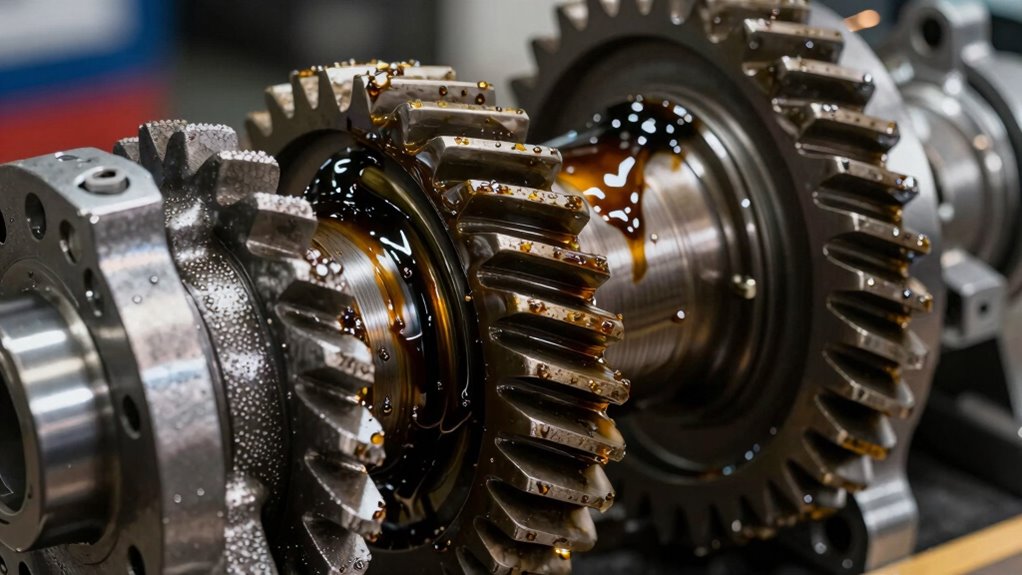
One of the biggest mistakes that can worsen differential chatter is neglecting to use the correct type of differential fluid. Using the wrong fluid reduces lubrication efficiency and increases friction, making chatter more likely. Additionally, ignoring fluid condition or failing to replace it at recommended intervals can cause contamination and breakdown. Overloading the vehicle or aggressive driving puts extra stress on the differential, amplifying chatter issues. Lastly, using incompatible additives or incorrect friction modifiers can upset the differential’s balance. To avoid these pitfalls, ensure you:
- Select the proper fluid specified by your manufacturer
- Regularly check and change the fluid as recommended
- Avoid excessive loads or aggressive driving styles
- Use compatible additives designed for your differential type
When Should You See a Professional About Differential Problems?
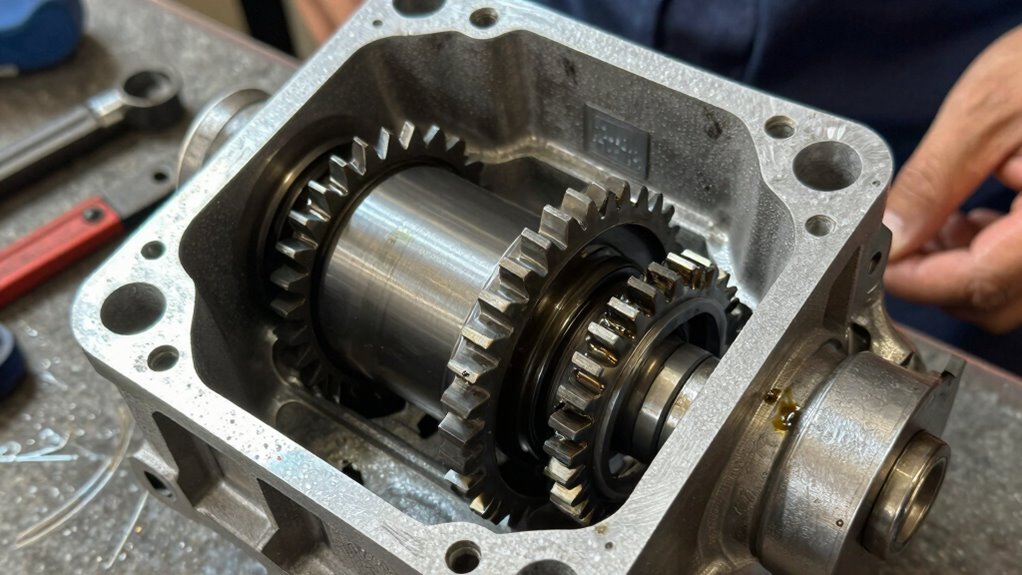
Are you noticing unusual noises, vibrations, or a sudden loss of handling performance in your vehicle? These signs suggest it’s time to see a professional. Ignoring persistent issues can lead to further damage or safety risks. Consider consulting a mechanic if you experience:
| Symptom | Possible Cause | Urgency Level |
|---|---|---|
| Strange noises from the diff | Worn or damaged gears or limited-slip unit | Immediate |
| Handling feels off | Fluid contamination or wear | High |
| Vibrations during driving | Misalignment or internal damage | Urgent |
If symptoms persist after basic checks or fluid changes, don’t delay. A professional diagnosis guarantees safety and prevents costly repairs down the line.
Frequently Asked Questions
Can Driving Habits Cause Limited-Slip Differential Chatter?
Yes, your driving habits can cause limited-slip differential chatter. Aggressive acceleration, sudden deceleration, or sharp turns put extra stress on the differential, increasing chatter chances. If you frequently drive on rough or uneven surfaces, it can also contribute. To minimize this, avoid aggressive maneuvers, drive smoothly, and guarantee you’re using the correct differential fluid. Proper maintenance and gentle driving habits help reduce chatter and extend your differential’s lifespan.
Is It Normal for Limited-Slip Differentials to Make Noise During Turns?
Think of your limited-slip differential as a dance partner—sometimes it makes little noise during turns, which is normal. You may hear a faint chatter or noise, especially when maneuvering sharply or on slippery surfaces. This sound is like a whisper of the gears working in harmony. As long as it’s not loud or accompanied by vibrations, it’s a normal part of the dance, and your differential is doing its job smoothly.
How Does Temperature Affect Limited-Slip Differential Chatter?
Temperature considerably impacts limited-slip differential chatter because warmer fluids become less viscous, reducing friction and allowing the clutches to slip more easily. Conversely, cold temperatures increase fluid viscosity, which can cause tighter engagement and more chatter during turns. You’ll notice that in colder weather, the differential might chatter more, but as it warms up, the noise usually diminishes. Using the right fluid helps mitigate these temperature-related effects.
Are Aftermarket Fluids More Effective at Reducing Differential Noise?
Yes, aftermarket fluids often reduce differential noise more effectively. Imagine smoother gear engagement, like gliding over rough terrain. These fluids are specially formulated to improve lubrication, reduce metal-to-metal contact, and dampen chatter. As a result, your limited-slip differential operates more quietly and efficiently. Switching to high-quality aftermarket fluids can make a noticeable difference, providing a quieter ride and extending the life of your differential components.
What Are the Long-Term Consequences of Ignoring Differential Chatter?
Ignoring differential chatter can lead to serious long-term issues like increased wear on gears and bearings, which may cause costly repairs or even differential failure. You might notice decreased traction and handling as the problem worsens. Over time, the chatter can damage internal components, reducing your vehicle’s overall reliability. To avoid these consequences, address chatter promptly and consider using the right fluids to minimize noise and protect your differential.
Conclusion
If you ignore the signs and keep riding, that chatter could lead to costly damage. Choosing the right fluid and maintenance might just save your differential—and your wallet. But what if the noise isn’t just fluid-related? Sometimes, the real problem lurks deeper. Stay alert and don’t wait too long. Because the moment that chatter turns into something worse, you’ll wish you acted sooner. Are you ready to uncover what’s really going on?