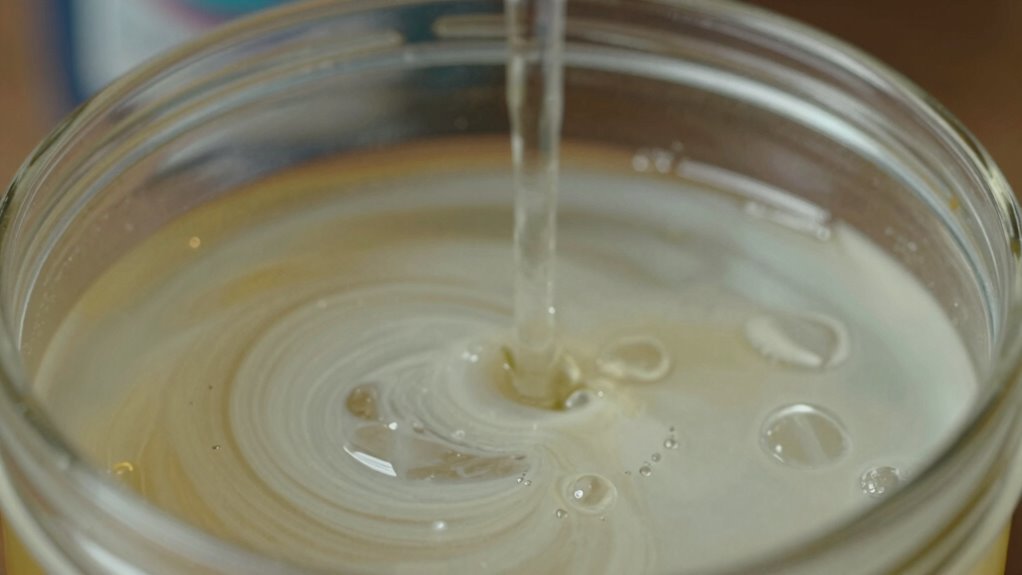
If you notice milky or cloudy gear oil, it signals water contamination that you shouldn’t ignore. Water in oil causes rust, corrosion, and accelerated wear, which can lead to costly repairs or system failure. It often enters through leaks, damaged seals, or condensation. Prompt action, like draining contaminated oil and fixing seals, can prevent damage. To protect your gear system, understanding the causes and signs can save you significant trouble later—keep exploring for more insights.

Get business pricing on garage and car supplies
- Business-only prices and quantity discounts
- Tax-exempt purchasing
- Multiple users, one account, clear invoices
Key Takeaways
- Milky or cloudy gear oil indicates water contamination, which can cause system damage if ignored.
- Water ingress promotes rust, corrosion, and accelerated wear of gear components.
- Common entry points include leaks, compromised seals, and condensation in humid environments.
- Regular oil analysis and inspections are essential to detect early signs of water contamination.
- Immediate oil drainage and sealing repairs are critical to prevent further damage and maintain system longevity.
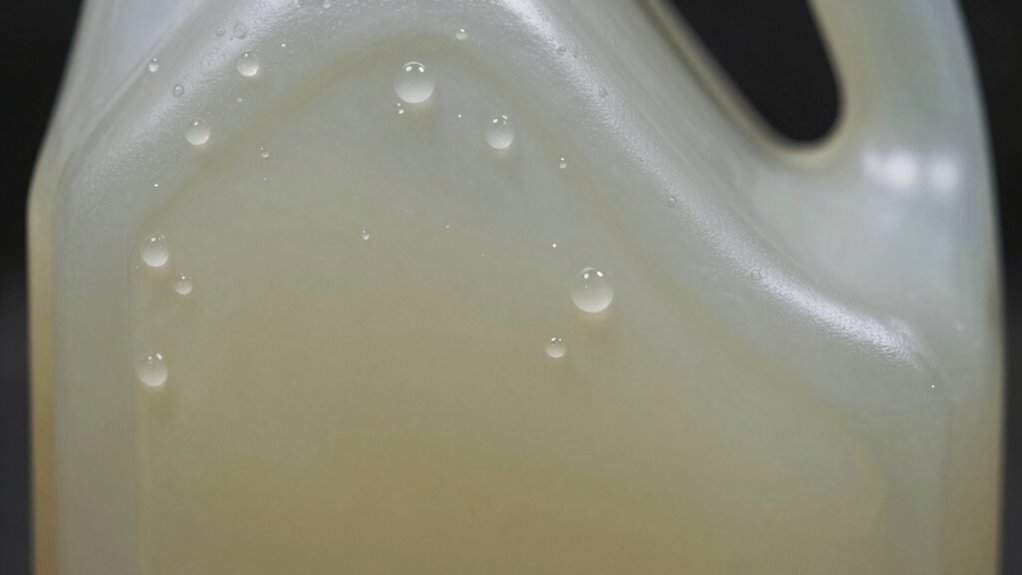
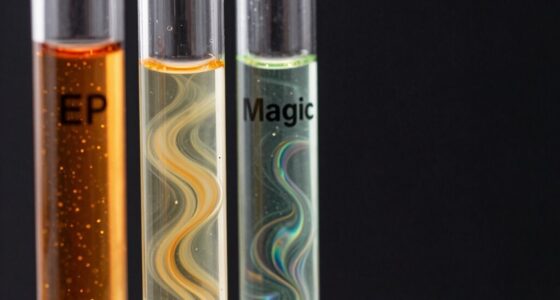
Water in gear oil can cause serious damage to your gear system if not detected and addressed promptly. When water mixes with gear oil, it creates a milky or cloudy appearance, signaling contamination that can compromise the entire system. This oil contamination isn’t just a minor issue; it can lead to accelerated wear, corrosion, and eventual failure of critical components. Recognizing the signs early is essential, as the longer water remains in your gear oil, the higher the risk of costly repairs and downtime.
One of the main dangers of water in gear oil is corrosion. Water promotes oxidation and rust formation on gear surfaces and bearings, weakening parts over time. This corrosion prevention problem can be prevented or minimized if you act quickly. Regular oil checks and maintenance routines help you spot early signs of water intrusion, such as a milky fluid or water droplets on the oil surface. If you notice these signs, it’s imperative to drain and replace the contaminated oil immediately. Doing so not only restores proper lubrication but also prevents rust from forming on vital parts.
Contamination can occur in various ways—through leaks, condensation, or improper sealing. Moisture can enter your gear system during operation, especially in humid environments or if seals are compromised. When water gets into the oil, it separates from the lubricant and settles at the bottom or creates emulsions. If left unchecked, the water can accelerate wear on gear teeth and bearings, reducing the efficiency and lifespan of your system. To prevent this, always check your gear oil regularly and ensure your seals and breathers are in good condition. Proper maintenance routines include looking for signs of water contamination and addressing issues before they escalate.
Using high-quality gear oil with added corrosion inhibitors can help protect your gear system from moisture-related damage. These additives form a barrier against rust and corrosion, extending the life of your components. However, no additive can replace proper contamination prevention practices. Keep your gear housing sealed properly, avoid exposing your machinery to excessive moisture, and perform routine oil analysis to monitor contamination levels. If water is found in your gear oil, don’t delay: draining and replacing the oil is necessary to maintain the integrity of your gear system. Additionally, understanding water contamination and how it affects your gear oil can help you implement more effective preventative measures.
gear oil water contamination test kit
As an affiliate, we earn on qualifying purchases.
As an affiliate, we earn on qualifying purchases.
Frequently Asked Questions
Can Water in Gear Oil Cause Long-Term Engine Damage?
Yes, water in gear oil can cause long-term engine damage. It promotes gear oil corrosion, which weakens metal parts and accelerates wear. Over time, this corrosion diminishes your equipment’s lifespan and increases the risk of breakdowns. You should check for signs of water contamination regularly, and if you find any, address the issue promptly to protect your gear system and ensure reliable operation.
How Does Water Contamination Affect Gear Oil Viscosity?
Water contamination lowers gear oil viscosity, compromising its ability to lubricate effectively. As water mixes with the oil, it disrupts gear oil properties, leading to reduced lubrication, increased wear, and potential gear failure. To protect your equipment, you must prevent contamination by sealing gear systems properly and performing regular maintenance checks. Maintaining proper gear oil viscosity guarantees ideal performance and extends the lifespan of your gears.
Are There Specific Signs of Water Presence in Gear Oil?
You’ll notice signs of water in gear oil through color changes, like a milky or cloudy appearance, and possibly unusual noises during operation. These indicators suggest water has contaminated the oil, compromising its lubrication ability. If you see these signs, don’t ignore them—address the issue promptly. Regular inspections help catch water contamination early, preventing damage to your gear system and ensuring smooth, efficient performance.
What Is the Best Way to Remove Water From Gear Oil?
Did you know that water contamination can reduce gear oil lifespan by up to 50%? To eliminate water, you should use filtration methods like centrifuges or specialized filters to separate moisture effectively. Additionally, chemical additives designed to absorb or disperse water can help. Regularly replacing or treating gear oil with these methods ensures your gear system stays lubricated and prevents costly damage from persistent water contamination.
How Often Should Gear Oil Be Checked for Water Contamination?
You should check your gear oil for water contamination during your regular maintenance schedule, ideally every 3 to 6 months. Conduct fluid testing to detect any signs of water, such as a milky appearance or increased moisture. Regular inspections help prevent damage, reduce repair costs, and guarantee ideal performance. If you notice any contamination, address it promptly to keep your gear system running smoothly and extend its lifespan.
As an affiliate, we earn on qualifying purchases.
Conclusion
Ignoring water in your gear oil is like letting a tiny leak turn into a raging flood—you might not see the damage right away, but it’s silently wreaking havoc inside. Don’t let that milky fluid be the siren’s call warning you of trouble ahead. Keep an eye on your gear oil, and act quickly when you spot water. Trust me, catching it early keeps your machine running smoothly, like a well-oiled symphony, instead of a rusty wreck.
As an affiliate, we earn on qualifying purchases.
As an affiliate, we earn on qualifying purchases.
Fall Picks
fall essentials
As an affiliate, we earn on qualifying purchases.