TL;DR

Get business pricing on garage and car supplies
- Business-only prices and quantity discounts
- Tax-exempt purchasing
- Multiple users, one account, clear invoices
Welsh government figures record 19% fewer road collisions and 20% fewer casualties in April–June 2026 than in the same quarter of 2025. Compared with the same quarter in 2023, cyclist collisions fell from 78 to 45 and serious cyclist injuries from 28 to 15; no cyclist deaths were recorded in the latest quarter. The figures show a decline after Wales introduced a default 20mph limit on many urban and residential roads, but do not by themselves establish that the policy caused the change.
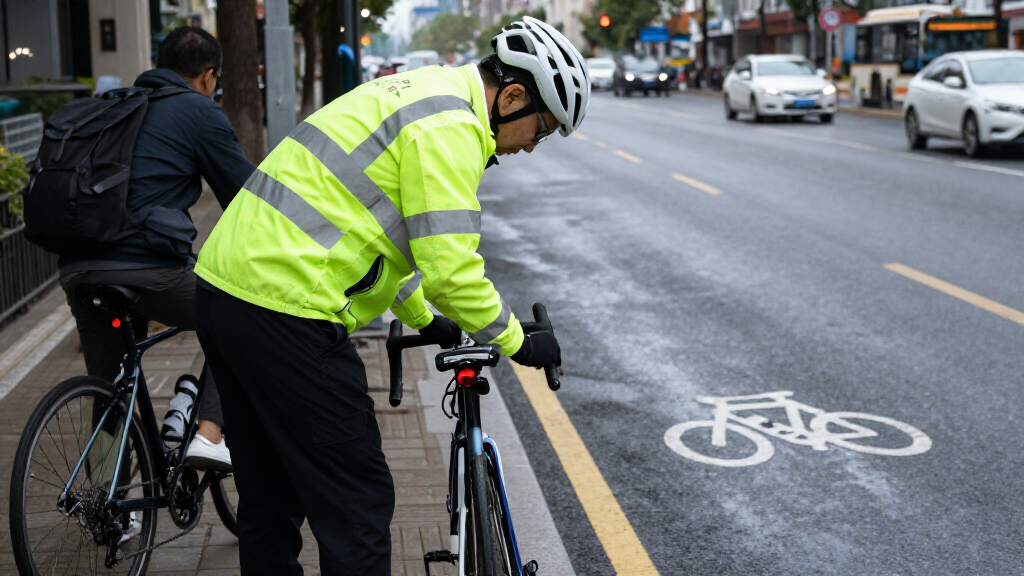
Road collisions and casualties in Wales fell in April–June 2026 compared with the same quarter last year, while the number of cyclists seriously injured was lower than in the equivalent quarter before the default 20mph speed limit was introduced. Welsh government figures record 15 serious cyclist injuries and no cyclist deaths in the latest quarter, compared with 28 serious injuries and 78 cyclist collisions in April–June 2023.
Across all Welsh roads, the government reported 19% fewer collisions and 20% fewer casualties in April–June 2026 than in April–June 2025. Comparing the latest quarter with the same period in 2023, before the policy began, collisions involving road users on 20mph and 30mph roads were down 37%, while casualties were down 35%. The government described the casualty figure as a record low for a year outside the Covid pandemic; the supplied report does not specify the longer comparison period behind that description.
For cyclists, there were 45 reported collisions from April to June 2026, 15 of which resulted in serious injury. The corresponding quarter in 2023 had 78 cyclist collisions and 28 serious injuries. That is a fall of 13 serious injuries, or about 46% when calculated from the supplied counts; the report characterizes it as a 50% decrease. No cyclist deaths were recorded in the 2026 quarter. The figures are quarterly totals, not a measure of each individual cyclist’s risk, and the source gives no exposure data such as cycling trips or distance travelled.
Deputy Minister for Transport Mark Hooper said the figures were encouraging and that the government would continue to monitor the trends as part of its policy evaluation. The data cover collisions and casualties across roads, not only roads subject to the lower limit. The report presents the results as evidence consistent with improved safety, but the figures alone do not isolate the effect of the speed-limit policy from other possible influences.
What the Safety Figures Show
Fewer people injured on the road means fewer serious consequences for individuals, families and emergency services. The reported decline in serious cyclist injuries is particularly relevant to people who cycle, walk or share roads with motor traffic. Quarterly totals remain important safety indicators, but they cannot show how much an individual’s risk changed without information on how many people travelled, how far they travelled, or how often they used each road type.
The results also matter to the continuing public debate about Wales’ default 20mph limit. The figures show that collisions and casualties fell over the periods compared, and that cyclist injury counts were lower than in the corresponding 2023 quarter. They do not, on their own, prove that the speed limit caused those falls. The government’s ongoing evaluation and further data will be needed to assess the policy alongside other changes in road use and safety.
Products Worth Considering

VIOFO A229 Plus Dual-Channel 2K Dash Cam with Front and Rear HDR

DEWALT 20V MAX XR Impact Driver, 1/4 Inch High Torque Brushless 3-Speed Cordless with LED Light, Extended Runtime (DCF845B)

VIOFO A229 Pro 4K HDR Front and Rear Dash Cam
As an affiliate, we earn on qualifying purchases.
Wales’ Default 20mph Policy
Wales introduced a default 20mph speed limit on urban and residential roads in September 2023. The change lowered the limit from 30mph on many, though not all, affected roads. The source report says the policy applied to 35% of roads in Wales and increased the length of roads with a 20mph limit from about 870 kilometres to 13,000 kilometres.
The government at the time said the policy aimed to reduce deaths and serious injuries, cut pollution and encourage walking and cycling. It faced substantial political criticism before and after implementation. In April 2024, councils were given the option of restoring a 30mph limit on selected roads on a case-by-case basis, reflecting local demand. The latest figures arrive amid that debate, but the supplied information does not detail how many roads have had their limits changed back.
“These latest figures are extremely encouraging and provide more evidence that the 20mph default speed limit is helping to make our roads safer.”
— Mark Hooper, Welsh deputy minister for transport
Limits of the Quarterly Comparisons
The figures show changes in reported collisions and casualties between selected quarters, but the information supplied does not establish what caused those changes. It does not provide a comparison with similar roads outside the policy, nor data on traffic levels, cycling activity, weather, enforcement or other factors that could affect collision totals. The government describes the figures as evidence that the policy is helping, while a causal conclusion would require a fuller evaluation.
The exact basis for the report’s description of the cyclist injury decline as 50% is also not specified. The listed counts—28 serious injuries in April–June 2023 and 15 in April–June 2026—equate to a reduction of about 46%. The figures are rounded or described as 50% in the report, and no further calculation method is provided. The supplied material does not state how serious injury is defined, whether reporting practices changed, or the number of cyclists exposed to risk in either period.
Further Evaluation and Local Limits
The Welsh government says it will continue monitoring road-safety trends as part of its evaluation of the default limit. Further quarterly releases and the evaluation’s methods and findings should help clarify whether the declines persist and how they vary by road type and road user. No publication date or timetable for a final evaluation is given in the supplied material.
Local authorities can continue to consider requests to restore 30mph limits on particular roads under the case-by-case approach announced in 2024. The figures released so far do not say which local changes have been made or how they affect the totals. The next available data will provide another comparison point, but readers should distinguish changes in collision counts from evidence about the policy’s specific effect.
Key Questions
How many cyclists were seriously injured in Wales in April–June 2026?
The figures report 15 serious cyclist injuries in that quarter. They also record 45 cyclist collisions and no cyclist deaths.
How does that compare with the same quarter in 2023?
In April–June 2023, the reported totals were 28 serious cyclist injuries and 78 cyclist collisions. The 2026 serious-injury count is lower by 13; calculated from those counts, the decline is about 46%, while the source describes it as 50%.
Did the 20mph limit cause the decline?
The figures show declines over the periods compared, and the Welsh government says they provide evidence that the policy is helping. The quarterly comparisons alone do not prove causation; the supplied material does not account for other factors or compare exposure to road use.
When did Wales introduce the default 20mph limit?
Wales introduced it in September 2023 on many urban and residential roads that had previously had a 30mph limit. Councils were later allowed to consider restoring 30mph limits on selected roads case by case.
Source: road.cc