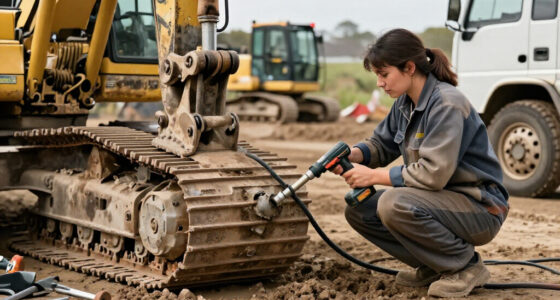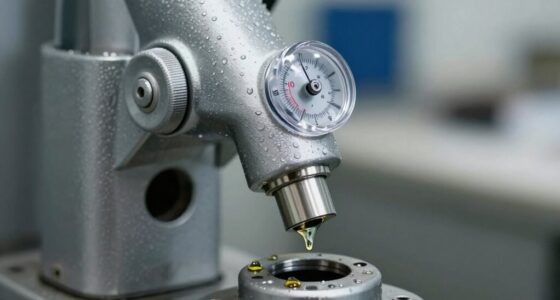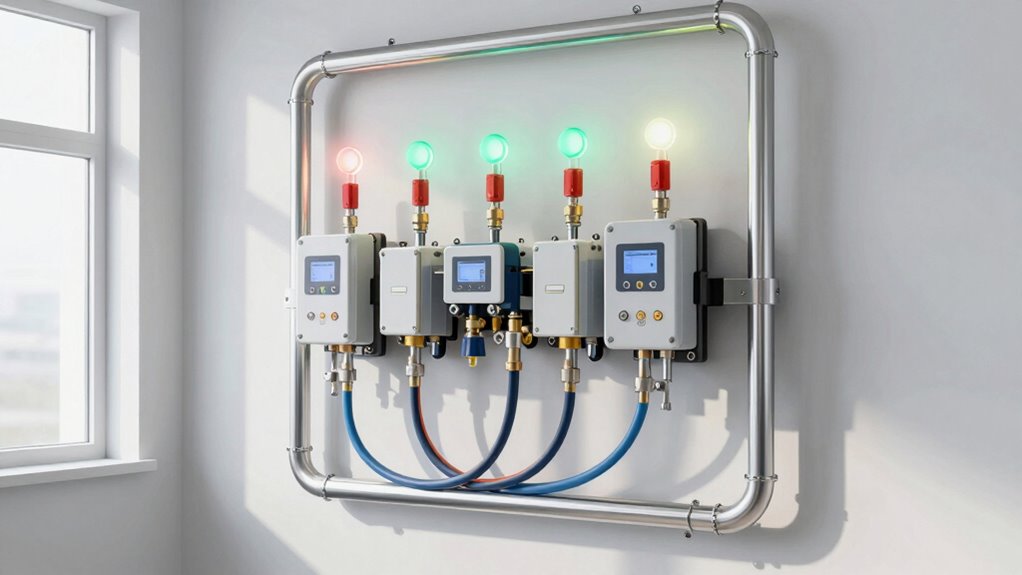

Centralized lubrication systems automate lubricant delivery to machinery, ensuring consistent, efficient coverage while reducing manual effort and maintenance costs. They help prevent equipment failure, extend lifespan, and improve safety by avoiding leaks and contamination. With options like pump-driven, progressive, or single-line systems, you can choose one tailored to your needs. Proper installation, regular maintenance, and troubleshooting are key to peak performance. Keep exploring to discover best practices for selecting, installing, and maintaining your system effectively.

Get business pricing on garage and car supplies
- Business-only prices and quantity discounts
- Tax-exempt purchasing
- Multiple users, one account, clear invoices
Key Takeaways
- Centralized lubrication systems automatically deliver lubricant to multiple points, improving efficiency and preventing equipment failures.
- Key components include pumps, control valves, reservoirs, and distribution lines, tailored to specific machinery needs.
- Proper selection, installation, and regular maintenance ensure system reliability, reduce downtime, and extend equipment lifespan.
- Monitoring pressure and inspecting components help detect issues early, preventing leaks, blockages, and system malfunctions.
- Following best practices enhances safety, environmental protection, and operational efficiency through consistent, controlled lubrication.
As an affiliate, we earn on qualifying purchases.
Why Machinery Maintenance Needs Centralized Lubrication
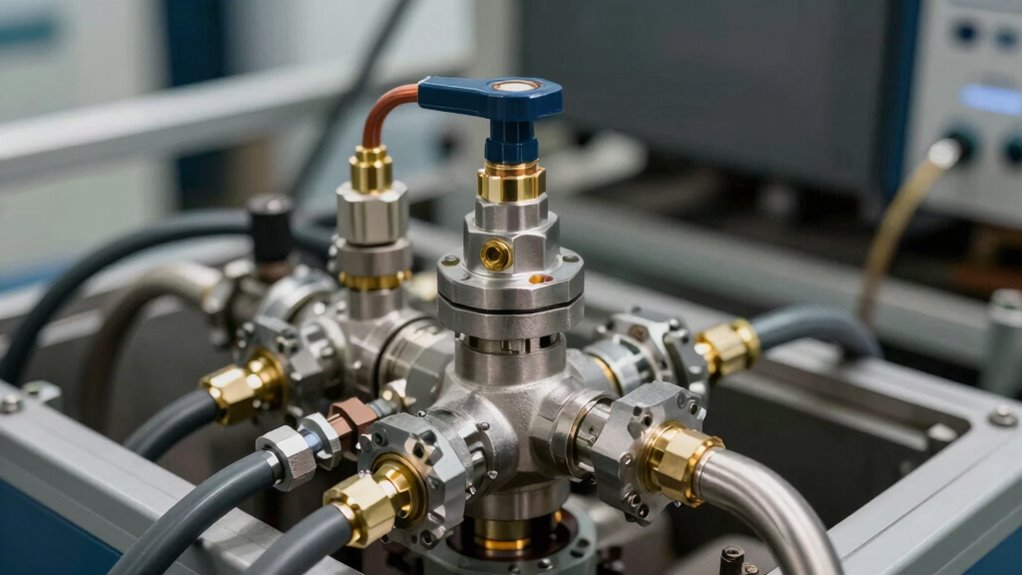
Machinery maintenance benefits greatly from centralized lubrication because it guarantees consistent and efficient application of lubricants across multiple components. This consistency enhances lubrication safety by reducing the risk of over-lubrication or under-lubrication, which can cause equipment failure or accidents. Additionally, centralized systems help minimize environmental impact by controlling lubricant use, reducing spills, and preventing waste. When lubrication is properly managed, there’s less chance of hazardous leaks or contamination, making maintenance safer for workers and the environment. By streamlining lubrication processes, you also save time and reduce manual labor, ensuring machinery runs smoothly and reliably. Incorporating digital concepts into lubrication management can further optimize performance and monitoring. Implementing automated lubrication systems can also help detect issues early, preventing costly downtimes. Furthermore, system integration allows for seamless communication between lubrication systems and other maintenance tools, enhancing overall operational efficiency. Overall, centralized lubrication supports safer, cleaner, and more sustainable maintenance practices, benefiting both your equipment and the environment.
automatic lubrication control valve
As an affiliate, we earn on qualifying purchases.
As an affiliate, we earn on qualifying purchases.
What Are Centralized Lubrication Systems and How Do They Work
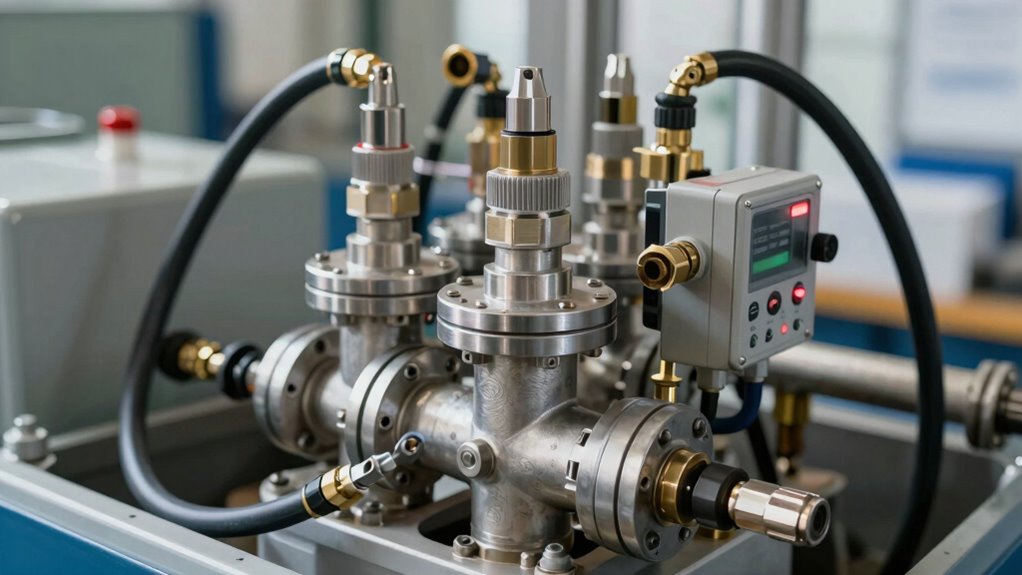
Centralized lubrication systems consist of components like pumps, reservoirs, and distribution lines that work together to deliver lubricant efficiently. They are designed with specific layouts to suit different machinery needs, ensuring smooth operation. By understanding their operating principles, you can see how they save time, reduce wear, and improve maintenance processes.
System Components and Layouts
A centralized lubrication system consists of several key components working together to deliver lubricant efficiently across machinery. The main parts include the pump, control valves, and distribution lines, all designed for ideal system integration. The pump generates the necessary pressure to move lubricant through the system, while control valves regulate flow to different points. Distribution lines direct the lubricant precisely where it’s needed, minimizing waste and maximizing lubrication efficiency. Reservoirs store lubricant, ensuring a steady supply. These components are arranged in layouts tailored to specific machinery, whether linear, branched, or looped configurations. Proper layout and component selection are essential to maintaining lubrication efficiency and ensuring the system functions smoothly without unnecessary downtime or maintenance. Testing accuracy is crucial in system maintenance to detect potential issues early and ensure optimal performance. Additionally, regular monitoring of system pressure helps identify possible blockages or leaks that could impair system operation.
Operating Principles and Benefits
Centralized lubrication systems operate by automatically delivering lubricant to multiple machine points from a single source, simplifying maintenance and reducing downtime. They achieve this through lubrication automation, which ensures timely and precise fluid distribution. The system uses pumps, valves, and control units to direct lubricant efficiently, minimizing waste and preventing over- or under-lubrication. This continuous, reliable flow helps protect your equipment from wear and corrosion, extending its lifespan. By automating lubrication, you eliminate manual tasks and reduce human error. The fluid distribution is consistent across all points, ensuring peak performance and reducing maintenance costs. Proper system verification and selection are essential to ensure compatibility and reliable operation. Overall, centralized lubrication systems improve machine reliability, boost productivity, and streamline your maintenance processes.
As an affiliate, we earn on qualifying purchases.
What Are the Benefits of Using Centralized Lubrication
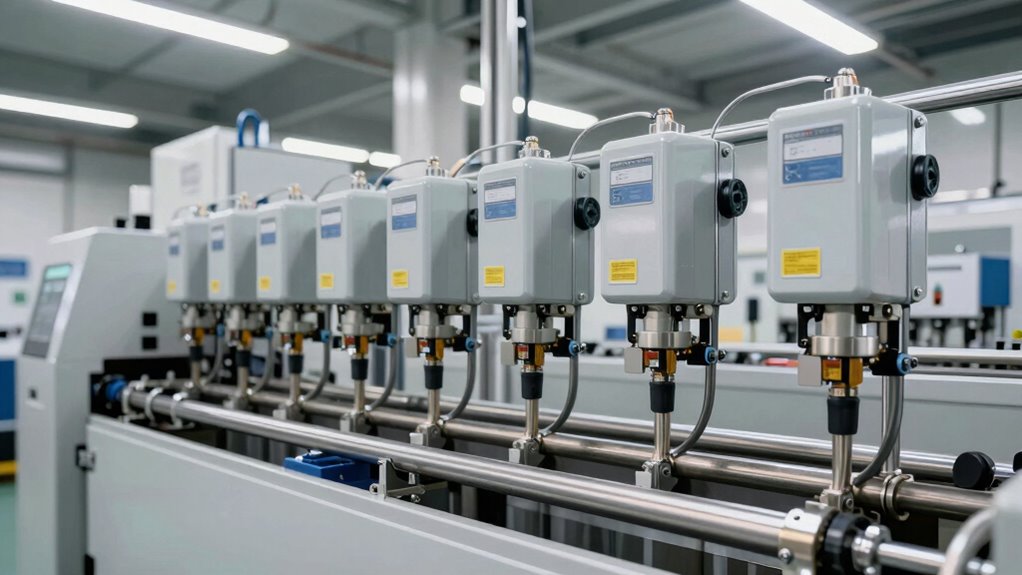
Using centralized lubrication systems can substantially extend your equipment’s lifespan by ensuring consistent, proper lubrication. It also lowers your maintenance costs by reducing downtime and manual labor. Plus, it boosts operational efficiency, helping your processes run smoothly and reliably. Additionally, understanding cybersecurity tactics is crucial for protecting your systems from potential threats and vulnerabilities. Incorporating natural pool principles can also contribute to sustainable practices by reducing chemical usage and supporting local ecosystems.
Improved Equipment Longevity
Have you ever wondered how maintenance costs can be reduced while keeping equipment running smoothly? Centralized lubrication systems improve equipment longevity by ensuring lubrication accuracy, which minimizes wear and tear. When lubrication is precise and consistent, components experience less friction and stress, extending their service life. This reliability means your machinery stays functional longer, reducing the frequency of repairs or replacements. By delivering the right amount of lubricant at the right time, centralized systems prevent over-lubrication and under-lubrication, both of which can cause damage. As a result, your equipment operates more efficiently and lasts longer. Investing in such a system not only enhances performance but also safeguards your equipment’s longevity, saving you money and downtime over the long term.
Reduced Maintenance Costs
Implementing a centralized lubrication system can substantially cut your maintenance costs by reducing the need for frequent repairs and part replacements. Better lubrication quality means your equipment stays in ideal condition longer, decreasing wear and tear. Consistent, precise lubrication prevents the buildup of dirt and debris, lowering the chances of costly breakdowns. With fewer breakdowns and less frequent part replacements, you’ll save money on labor and spare parts. Additionally, the system’s efficiency minimizes waste and over-lubrication, further enhancing cost savings. Proper maintenance practices, such as effective lubrication, can extend the lifespan of your equipment and reduce overall expenses. Utilizing preventive maintenance strategies ensures that potential issues are addressed before they escalate, saving time and money. Regularly monitoring lubrication intervals enhances equipment performance and helps identify issues early. Over time, these benefits add up, making your maintenance routines more predictable and budget-friendly. By investing in centralized lubrication, you not only improve equipment reliability but also markedly reduce overall maintenance expenses.
Enhanced Operational Efficiency
Centralized lubrication systems enhance operational efficiency by ensuring your equipment receives consistent and accurate lubrication at all times. This reduces downtime and prevents unexpected failures, allowing your machinery to run smoothly. Many lubrication myths suggest manual lubrication is sufficient, but centralized systems deliver precise amounts, reducing over- or under-lubrication. This consistency improves equipment lifespan and performance. Additionally, centralized systems streamline maintenance scheduling, saving you time and effort. Instead of frequent manual lubrication tasks, you can plan routine checks, minimizing disruptions. This proactive approach keeps your operation running efficiently and decreases costly repairs. With centralized lubrication, you gain control over lubrication quality and timing, boosting overall productivity and ensuring your equipment functions at ideal levels.
As an affiliate, we earn on qualifying purchases.
What Types of Centralized Lubtration Systems Are Available
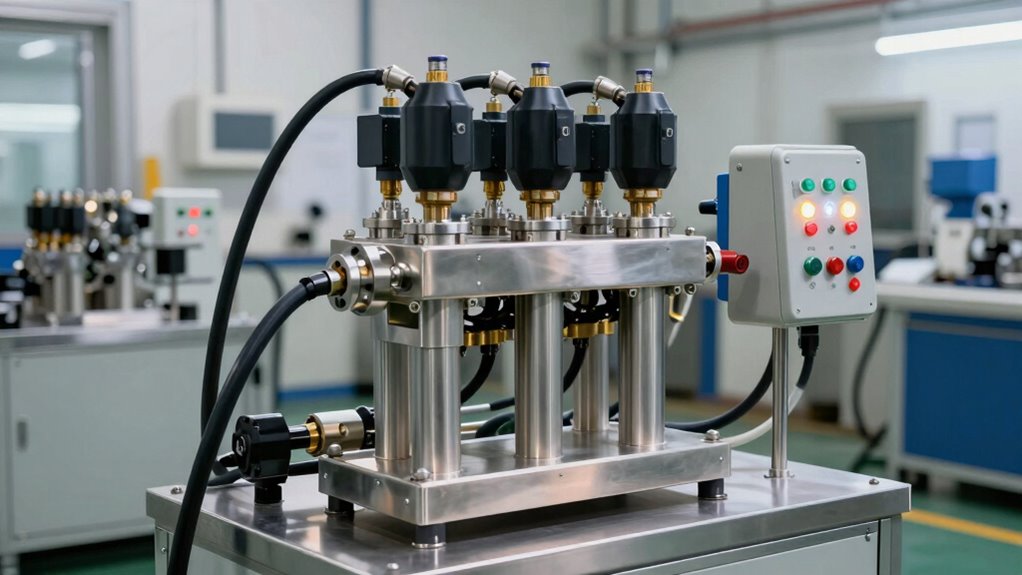
Are you aware of the different types of centralized lubrication systems available for industrial applications? These lubrication types vary based on system options, and choosing the right one depends on your machinery’s needs. Common system options include pump-driven, progressive, and single-line systems. Pump-driven systems use a pump to deliver lubricant directly to each component, ideal for large machinery. Progressive systems distribute lubricant through a series of metering elements, ensuring each part receives the correct amount. Single-line systems are simple and suited for smaller setups, where lubricant is pumped through a single line to multiple points. Proper maintenance procedures are essential to keep these systems operating efficiently and to prevent potential failures. Regular inspection of lubrication system components can help identify early signs of wear or malfunction. Implementing system monitoring techniques can further enhance reliability and performance. Additionally, selecting the appropriate system can contribute to optimized machine performance and reduced downtime. Understanding these system options helps you select the most efficient lubrication type for your operation, ensuring ideal performance and reduced maintenance. Moreover, leveraging expertise in design and installation can maximize system efficiency and lifespan.
How Do You Choose the Right Lubrication System for Your Machinery
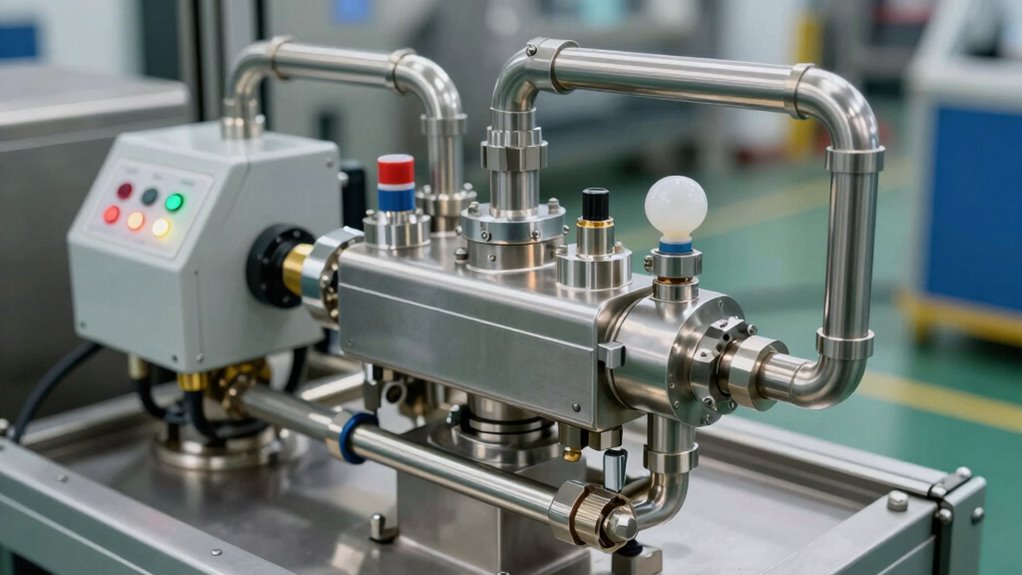
Choosing the right lubrication system depends on understanding your machinery’s specific needs and operational demands. To do this effectively, consider the following:
- Lubrication types: Select a system compatible with grease or oil, depending on your machinery’s requirements.
- Machinery compatibility: Ensure the system suits your equipment’s size, complexity, and lubrication points.
- Operational environment: Factor in temperature, dust, and exposure to elements, which influence system choice.
- Maintenance needs: Opt for a system that aligns with your maintenance capacity and schedule.
How to Install and Maintain Your Centralized Lubrication System
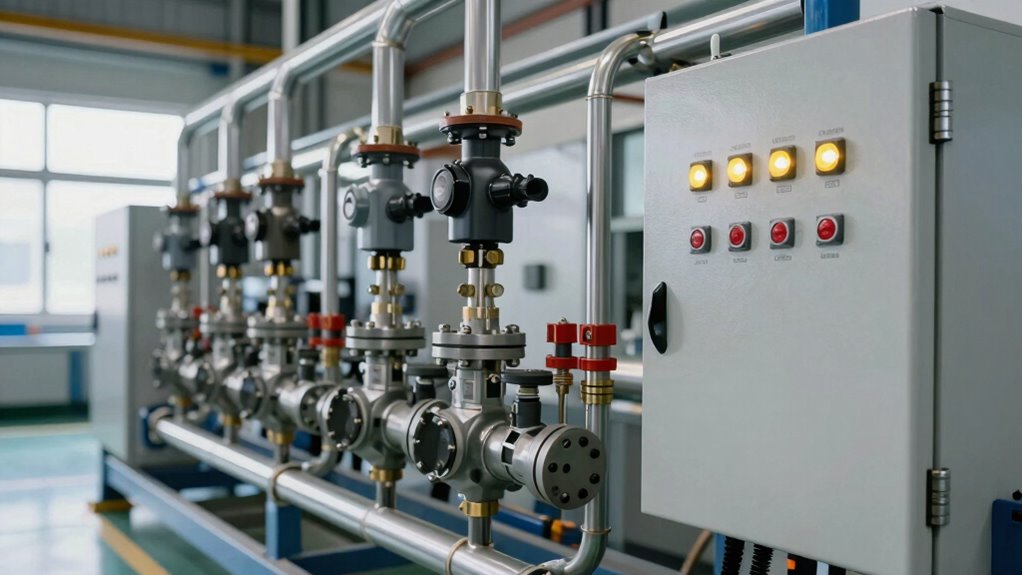
Installing your centralized lubrication system correctly is essential for reliable operation and long-term performance. Follow manufacturer instructions carefully and ensure all components are properly connected to prevent leaks and blockages. Regular maintenance is crucial; stick to your lubrication protocols and maintenance scheduling to keep the system running smoothly. Proper lubrication ensures consistent distribution and reduces wear. Use the table below to understand key maintenance tasks:
| Task | Frequency |
|---|---|
| Check for leaks | Weekly |
| Clean nozzles and filters | Monthly |
| Inspect hoses and fittings | Quarterly |
| Refill lubricant reservoirs | As needed |
| Test system operation | Annually |
Adhering to these steps ensures your system stays efficient and dependable over time.
Common Challenges and Troubleshooting Tips
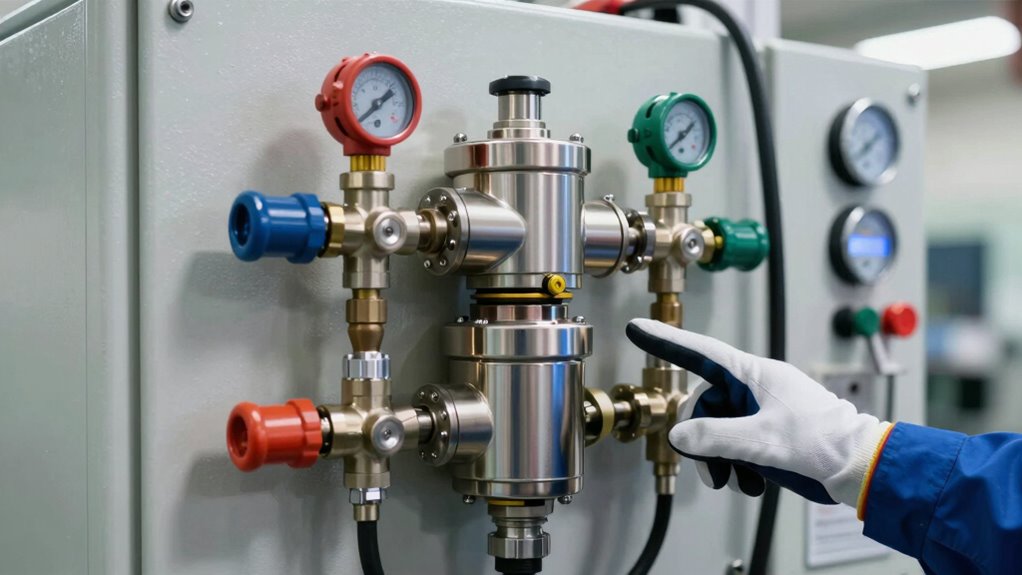
Despite proper installation and maintenance, centralized lubrication systems can still face common challenges that disrupt their efficiency. These issues often stem from ignoring lubrication schedules or neglecting equipment calibration. To troubleshoot effectively, consider these tips:
Even properly maintained systems can experience issues if lubrication schedules are ignored or equipment isn’t calibrated regularly.
- Check for blockages or leaks in the system, which can hinder lubricant flow.
- Ensure lubrication schedules are followed consistently to prevent under- or over-lubrication.
- Verify equipment calibration regularly so that lubrication volumes are accurate.
- Inspect control valves and pumps for wear or malfunction, replacing parts as needed.
- Implement a comprehensive maintenance plan to identify potential issues before they impact performance. Regularly reviewing system diagnostics can help detect early signs of failure and prevent costly downtime. Proper documentation and monitoring of lubrication data can further enhance system reliability. Additionally, staying aware of common system issues can help operators respond promptly to emerging problems. Incorporating preventive maintenance strategies can reduce unexpected failures and extend equipment lifespan.
Addressing these challenges promptly helps maintain system performance and extends equipment life. Regular checks and adherence to lubrication schedules are key to avoiding downtime and ensuring your system runs smoothly.
What Are the Costs and ROI of Centralized Lubrication Systems
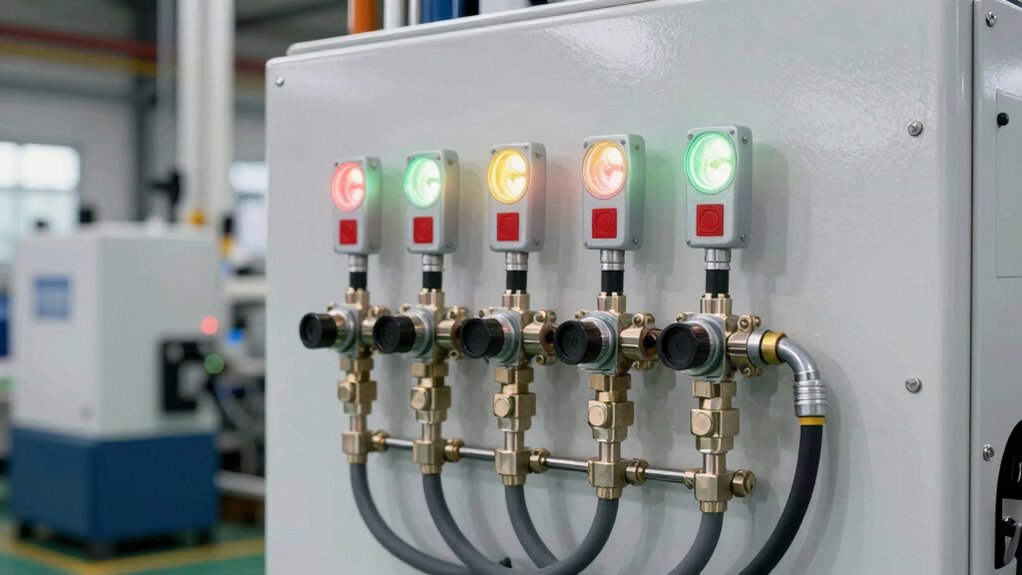
Understanding the costs and return on investment (ROI) of centralized lubrication systems is essential for making informed maintenance decisions. A thorough cost analysis helps you evaluate the initial setup, including equipment, installation, and ongoing maintenance expenses. While the upfront costs may seem significant, the investment payback is often quick due to reduced machine downtime, lower lubricant consumption, and minimized repair costs. Over time, these systems can increase productivity and extend equipment life, boosting your overall ROI. It’s important to compare the upfront investment against long-term savings to determine if a centralized lubrication system aligns with your operational goals. Additionally, proper gear care can maximize the benefits of such systems by ensuring optimal functioning and longevity. Proper maintenance practices, including regular lubrication, are crucial for sustaining system performance and preventing unexpected failures. Implementing efficient lubrication practices can further enhance system efficiency and cost savings. By carefully evaluating costs and benefits, you’ll make smarter choices that enhance efficiency and profitability.
Frequently Asked Questions
How Often Should Centralized Lubrication Systems Be Inspected?
You should inspect your centralized lubrication system at least once every three to six months, depending on its usage and operating conditions. Regular inspection frequency helps identify leaks, blockages, or wear before problems escalate. Incorporate maintenance scheduling into your routine to guarantee consistent performance. By staying proactive, you prevent costly breakdowns and extend the system’s lifespan, keeping machinery running smoothly and efficiently.
Are There Environmental Considerations for Lubrication System Installation?
Yes, you should consider environmental impact when installing a lubrication system. Opt for eco-friendly lubricants to reduce pollution and harm to the environment. Guarantee proper disposal of waste and avoid leaks that could contaminate soil or water. Choose environmentally conscious equipment and follow best practices to minimize your system’s carbon footprint. By doing so, you promote sustainability while maintaining efficient lubrication for your machinery.
Can Centralized Lubrication Be Used for Both Industrial and Agricultural Machinery?
Yes, centralized lubrication can serve as the backbone of both agricultural machinery and industrial applications. Think of it as a well-oiled machine that keeps everything running smoothly. It simplifies maintenance, reduces downtime, and guarantees consistent lubrication across diverse equipment. Whether you’re working with tractors or heavy industrial presses, centralized systems deliver reliable, efficient lubrication, making them a versatile choice for both farming and manufacturing needs.
What Safety Measures Are Necessary During Lubrication System Maintenance?
During lubrication system maintenance, you need to wear safety gear like gloves and goggles to protect yourself from oil splashes and debris. Always follow emergency procedures, such as shutting off the system and releasing pressure, before starting work. Make certain of proper training and awareness of the system’s operation. Regularly inspect safety equipment and keep a fire extinguisher nearby. These precautions help prevent accidents and ensure a safe maintenance process.
How Do Centralized Systems Impact Machinery Lifespan?
Centralized lubrication systems boost machinery durability by ensuring consistent lubrication, which reduces wear and tear. This increased lubrication efficiency prevents parts from overheating and minimizes friction, extending the lifespan of your equipment. When you use a centralized system, you maintain superior lubrication levels automatically, helping your machinery operate smoothly longer. Overall, these systems enhance durability, lower maintenance costs, and improve operational efficiency, making them a smart investment for your industrial needs.
Conclusion
Think of a centralized lubrication system as the heartbeat of your machinery—keeping everything running smoothly and efficiently. When you invest in the right system and maintain it well, you prevent costly breakdowns and extend your equipment’s life. Just like a well-tuned engine, your machinery performs best when properly cared for. Prioritize lubrication, and you’ll keep your operations humming along, turning small investments into big savings over time.
Halloween Picks
halloween
As an affiliate, we earn on qualifying purchases.