Break-in oils are specially formulated lubricants used during the initial startup of a new engine to protect against wear, help components seat properly, and prevent early damage. However, many modern engines and synthetic oils now don’t need them as long as you follow proper break-in procedures, maintain steady speeds, and use high-quality oils. If you want to guarantee your engine breaks in smoothly without extra products, keep exploring for tips and alternatives.
Key Takeaways
- Break-in oils contain high zinc and phosphorus to protect engine parts during initial startup and component seating.
- They help reduce early wear, fill microscopic imperfections, and establish a proper seal for engine longevity.
- Modern engines and synthetic oils may not require traditional break-in oils if the engine runs smoothly and without debris.
- Proper break-in practices—varying engine speed and avoiding harsh acceleration—can replace the need for specialized oils.
- Signs that you don’t need break-in oils include steady engine operation, no abnormal noises, and manufacturer approval for standard oils.
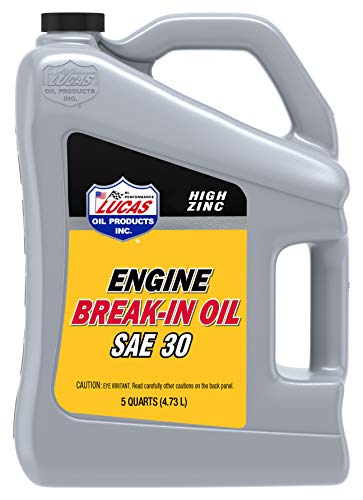
Lucas Oil 10631 SAE 30 Racing Engine Break-in Oil – 5 Quart
Quicker more efficient ring seal
As an affiliate, we earn on qualifying purchases.
As an affiliate, we earn on qualifying purchases.
Do You Need Break-In Oils for Your New Engine?
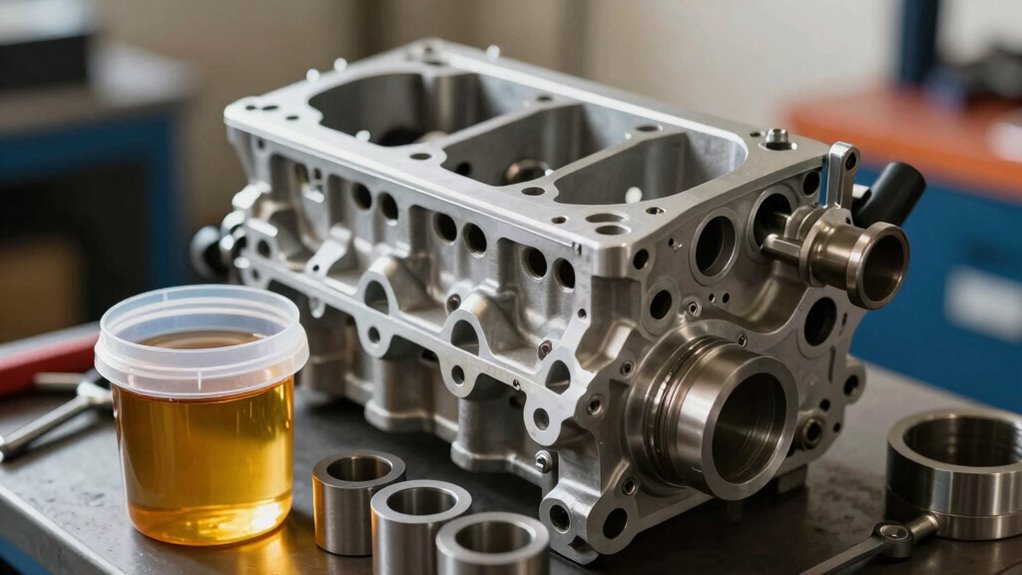
Many new engines require special break-in oils to guarantee proper seating of the components and peak performance. These oils are formulated differently than regular motor oils, often with higher zinc and phosphorus content to protect engine parts during initial wear. During the first few hundred miles, your engine’s pistons, rings, and valves need ideal lubrication to seat correctly and form a tight seal. Using the right break-in oil helps prevent excessive wear and ensures long-term durability. Not all engines need this type of oil, especially modern ones with advanced manufacturing and coatings. However, if your vehicle’s manufacturer recommends a break-in oil, following that advice can make a significant difference in your engine’s performance and lifespan. Additionally, understanding engine component seating can help you better appreciate why proper break-in procedures are crucial, as it directly impacts the engine’s initial wear patterns. Proper break-in procedures, including the use of suitable oils, are essential for achieving optimal engine longevity. Recognizing how initial lubrication affects engine parts can provide further insight into the importance of proper break-in methods. For example, using the correct oil during break-in can influence the formation of a protective film that minimizes initial wear.

Lucas Oil 10063 Engine Break in Oil Additive w/TB Zinc Plus – 16 Ounce
Exclusive blend of extreme pressure additives designed for new motors and those with flat tappet camshafts
As an affiliate, we earn on qualifying purchases.
As an affiliate, we earn on qualifying purchases.
How Do Break-In Oils Protect Your Engine During Startup?
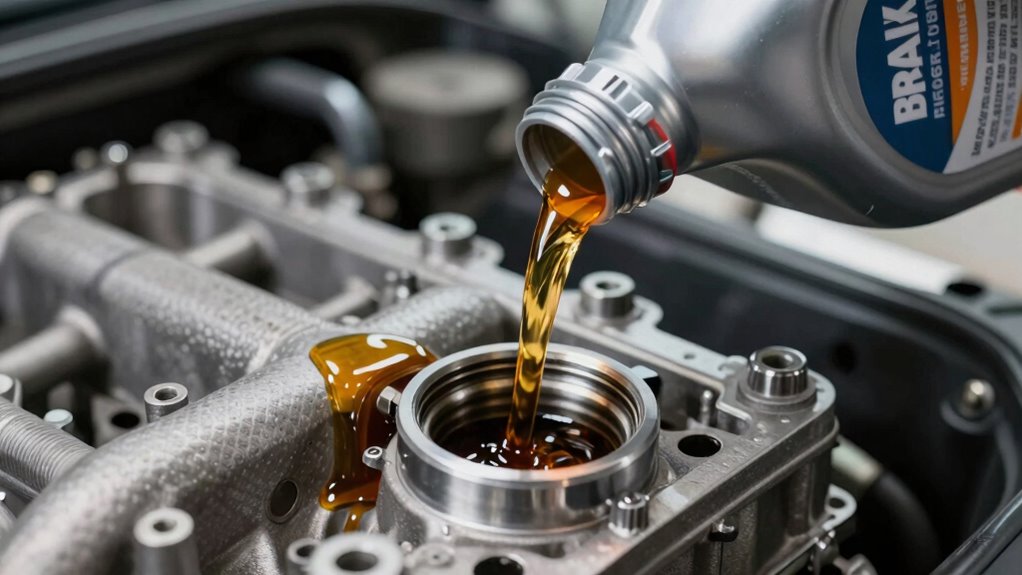
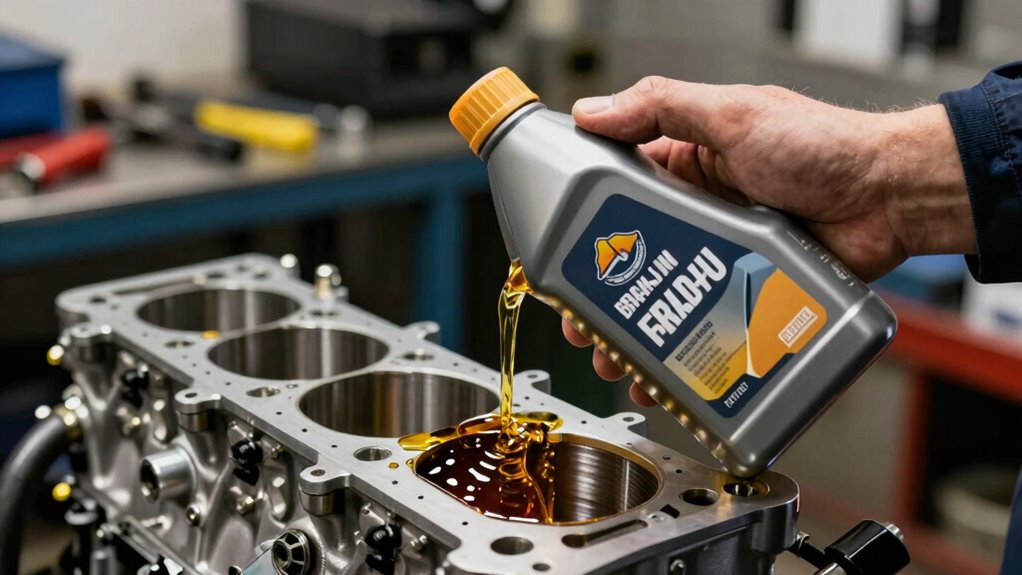
When you start your engine, break-in oils create a protective barrier that reduces metal-to-metal contact, preventing premature damage. They also provide a vital initial lubrication layer that helps parts move smoothly until full oil flow is established. As a result, your engine experiences less wear during those essential startup moments, ensuring better long-term performance. Additionally, using the right break-in oil can support the early stages of engine operation and may contribute to maintaining optimal metabolic health of engine components over time. Proper oil formulation during this critical period can further enhance engine longevity and reliability, especially when designed to support engine break-in processes. Understanding the importance of break-in oil properties can aid in selecting the best formulation for your engine’s specific needs. Selecting oils with the appropriate viscosity and additive package can further improve protection during this crucial period.
Reduces Metal-to-Metal Contact
Break-in oils play a crucial role in protecting your engine during startup by reducing metal-to-metal contact. When your engine first starts, the moving parts haven’t yet formed a complete, protective layer of lubrication. Without proper protection, metal components can grind against each other, leading to excessive wear or damage. Break-in oils contain specialized additives that create a thin, protective film on metal surfaces almost immediately. This film prevents direct contact between parts like pistons and cylinders, minimizing friction and wear during those critical initial moments. By reducing metal-to-metal contact, these oils help your engine parts seat correctly, ensuring smoother operation and longevity. This initial protection is essential for preventing early failures and setting the foundation for a healthy, long-lasting engine.
Provides Initial Lubrication Layer
Have you ever wondered how your engine stays protected during those first critical moments after startup? Break-in oils form an essential initial lubrication layer that shields engine components right away. This layer reduces metal-to-metal contact, preventing immediate wear and damage. Unlike regular oils, break-in oils are designed to cling to surfaces better, ensuring consistent coverage during engine break-in. They help fill microscopic imperfections in engine parts, creating a smooth, protective barrier. This process minimizes friction and prepares the engine for long-term operation. To summarize, break-in oils:
- Create a durable, protective film on engine parts
- Prevent metal-to-metal contact during startup
- Fill microscopic surface imperfections
- Enhance initial engine protection and performance
- Promote engine longevity by establishing a strong initial seal. Additionally, they aid in establishing a proper seal and fit between engine components, which is crucial during the break-in period. Proper lubrication techniques during this phase also contribute to optimal engine performance over time. Using the right break-in oil can also influence how well your engine components wear in and settle into their final positions, ensuring better performance down the line.
Minimizes Engine Wear
The protective layer formed by break-in oils plays a crucial role in reducing engine wear during startup. When you start your engine, metal parts are cold and haven’t yet developed a full lubricant film, making them vulnerable to direct contact and abrasion. Break-in oils provide a thicker, more resilient film that cushions these metal surfaces, preventing metal-to-metal contact. This minimizes scoring, scratches, and premature wear on vital components like pistons and cylinders. By maintaining proper lubrication during these critical initial moments, break-in oils help your engine reach ideal operating conditions more smoothly. Proper engine break-in is essential because it guarantees the engine’s moving parts settle in correctly, reducing long-term wear and extending the engine’s lifespan.
Lucas Oil 10063 Engine Break in Oil Additive w/TB Zinc Plus – 16 Ounce
Exclusive blend of extreme pressure additives designed for new motors and those with flat tappet camshafts
As an affiliate, we earn on qualifying purchases.
As an affiliate, we earn on qualifying purchases.
Signs You Might Not Need Break-In Oils?
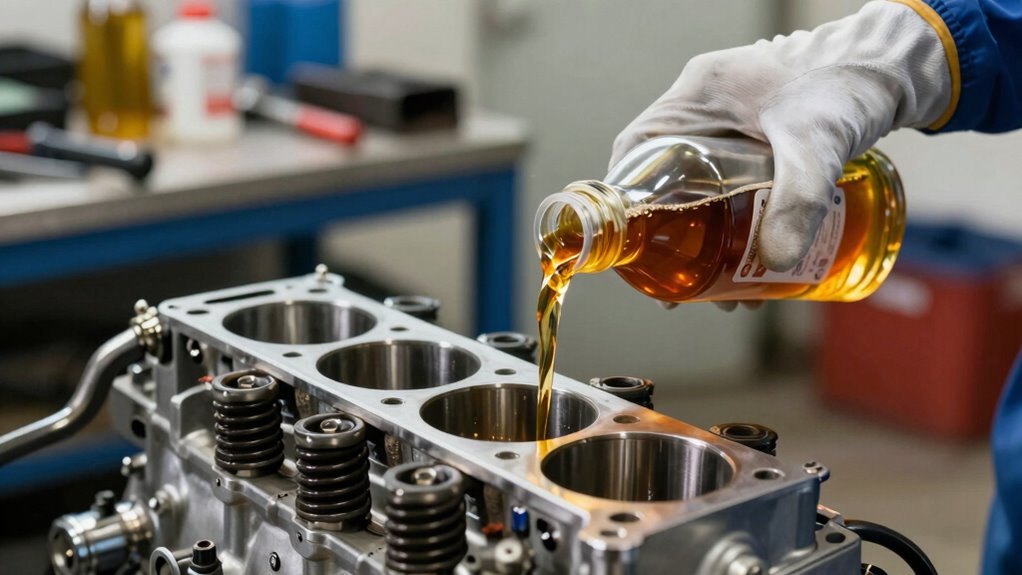
Sometimes, your engine may not require special break-in oils if it shows no signs of excessive wear or rough operation during initial use. If it runs smoothly, quietly, and maintains steady oil pressure, you might not need to switch oils. Look for these signs:
- No unusual noises or vibrations
- Consistent engine temperature and oil pressure
- No metal shavings or debris in the oil during checks
- Steady engine performance without hesitation or rough idling
- Engine health indicators can sometimes manifest as physical sensations or energy shifts that you may not need to address with special oils if your engine operates smoothly and without issues. Additionally, modern engine manufacturing has improved engine durability, making the need for break-in oils less critical in many cases. Recognizing the advancements in engine technology can help you better understand when additional oils are truly necessary. Proper filtration during initial use can also prevent contaminants from causing premature wear.
Lucas Oil 10063 Engine Break in Oil Additive w/TB Zinc Plus – 16 Ounce
Exclusive blend of extreme pressure additives designed for new motors and those with flat tappet camshafts
As an affiliate, we earn on qualifying purchases.
As an affiliate, we earn on qualifying purchases.
When Is It Safe to Skip Break-In Oils?
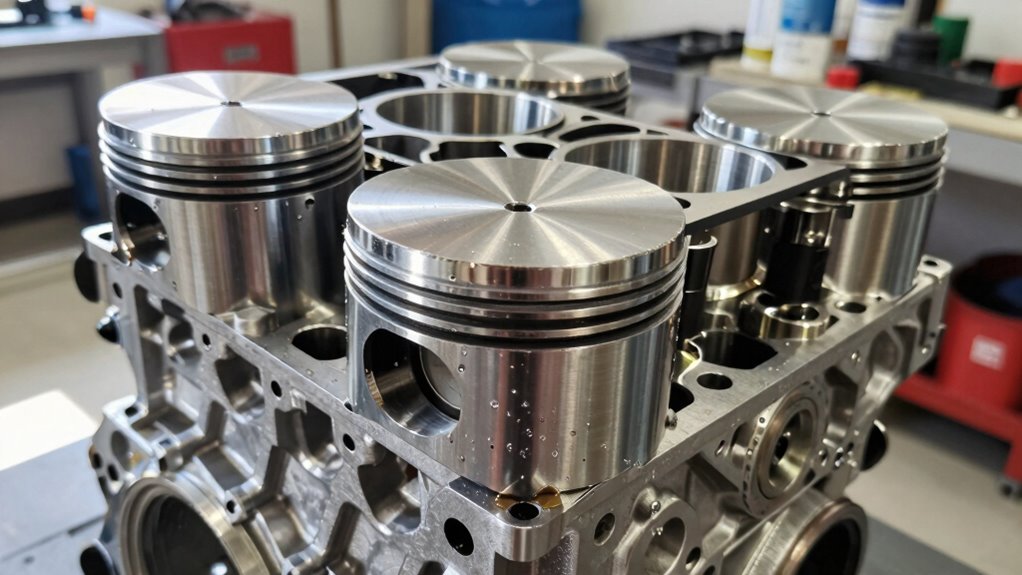
If your engine shows no signs of excessive wear or rough operation during its initial use, it may be safe to skip using break-in oils. Modern engines and synthetic oils often eliminate the need for specialized break-in formulas. Typically, engines that run smoothly within the first few hours and don’t produce unusual noises or metal shavings are good candidates. Here’s a quick guide:
| When to Skip Break-In Oils | Indicators to Watch For |
|---|---|
| Engine runs smoothly | No excessive noise or vibration |
| No metal shavings noticed | Oil remains clean after initial use |
| Manufacturer approval | Engine design compatible with standard oil use |
Additionally, many vetted products and practices now support simplified engine break-in procedures, reflecting advancements in engine technology and lubrication. Modern lubrication techniques have contributed to these changes, making break-in oils less necessary in many cases. For example, engines with modern manufacturing tolerances are often less prone to initial wear, aligning with these improved engine break-in methods. It is also worth noting that engine longevity can be maintained without specialized oils if proper break-in procedures are followed.
Alternatives to Traditional Break-In Oils for Modern Engines
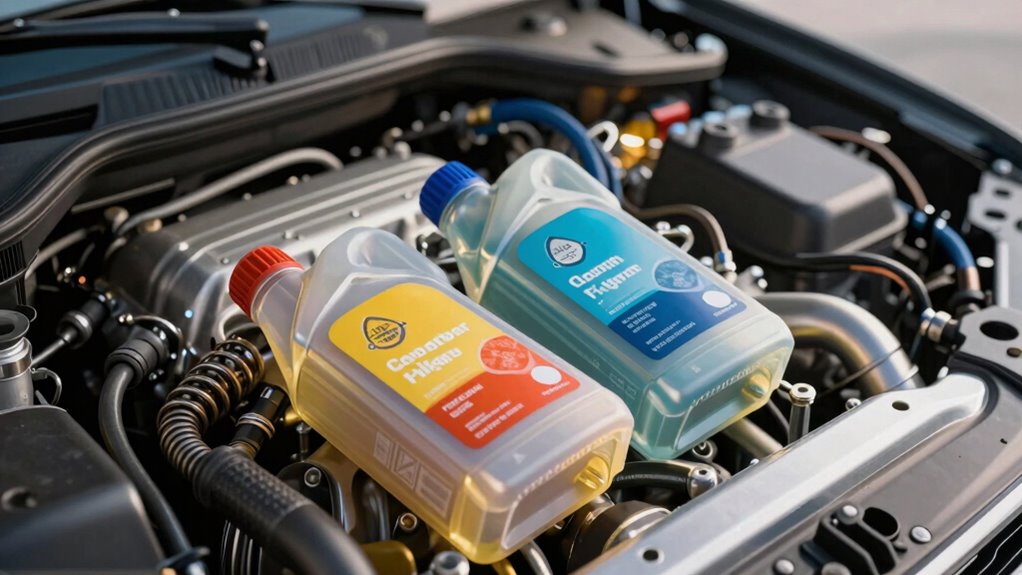
As modern engine technology advances, manufacturers and experts increasingly recommend alternatives to traditional break-in oils. Instead of traditional formulas, many now suggest using high-quality synthetic oils right from the start. These oils often contain additives that protect engine components without the need for specialized break-in products. You might also consider using lighter viscosity oils initially to promote better sealing and wear-in. Some manufacturers endorse running engines with regular synthetic oils and following specific break-in procedures. Additionally, high-mileage synthetic blends are becoming popular for their durability and protection during the critical break-in phase. These alternatives simplify the process and reduce the risk of improper break-in, giving your engine a smooth start and longer lifespan. Incorporating crisping techniques and proper air fryer accessories can also optimize your cooking process, demonstrating how modern approaches emphasize efficiency and protection—whether in engines or in the kitchen. Furthermore, understanding the role of AI in automotive technology highlights how innovative solutions can enhance engine performance and longevity. Always check your manufacturer’s recommendations before choosing an alternative engine oil.
Common Mistakes When Using or Skipping Break-In Oils
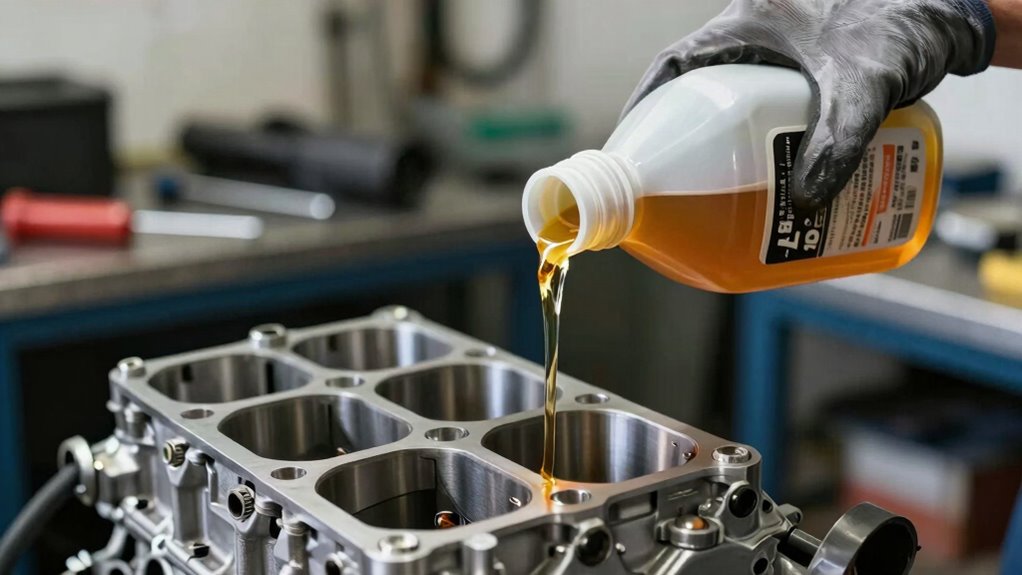
Many people make the mistake of overusing break-in oils, which can lead to buildup and performance issues. Skipping proper break-in procedures or using the wrong oil can cause engine wear and reduce lifespan. Paying attention to these common errors helps guarantee your engine breaks in correctly and runs smoothly.
Overusing Break-In Oils
Overusing break-in oils can do more harm than good, as excessive application may prevent your engine from properly sealing and breaking in. Too much oil can lead to incomplete wear-in, increased deposits, and higher oil consumption later on. When you rely heavily on break-in oils beyond recommended use, you risk trapping contaminants and hindering the engine’s natural seating process. To avoid this, keep in mind:
- Don’t extend the break-in period unnecessarily
- Avoid adding extra oil beyond manufacturer instructions
- Resist the urge to use high-mileage or specialty oils during break-in
- Follow the recommended oil change schedule precisely
Sticking to proper guidelines ensures your engine seals correctly and reaches ideal performance, preventing issues caused by overapplication.
Skipping Proper Break-In
Skipping proper break-in procedures can lead to serious engine problems down the line. When you ignore the recommended break-in process, you risk uneven wear on engine components, reduced engine lifespan, and poor performance. Many people believe they can skip this step to save time or effort, but that’s a mistake. Failing to follow proper break-in routines prevents the engine from developing a good seal and ideal lubrication. This can cause increased friction, hot spots, and early part failure. Additionally, neglecting break-in procedures often leads to increased oil consumption and decreased efficiency. Always invest the time to properly break in your engine, follow manufacturer guidelines, and use the right oils. Doing so ensures your engine runs smoothly and lasts longer, avoiding costly repairs later.
Tips for Proper Engine Break-In Without Special Oils
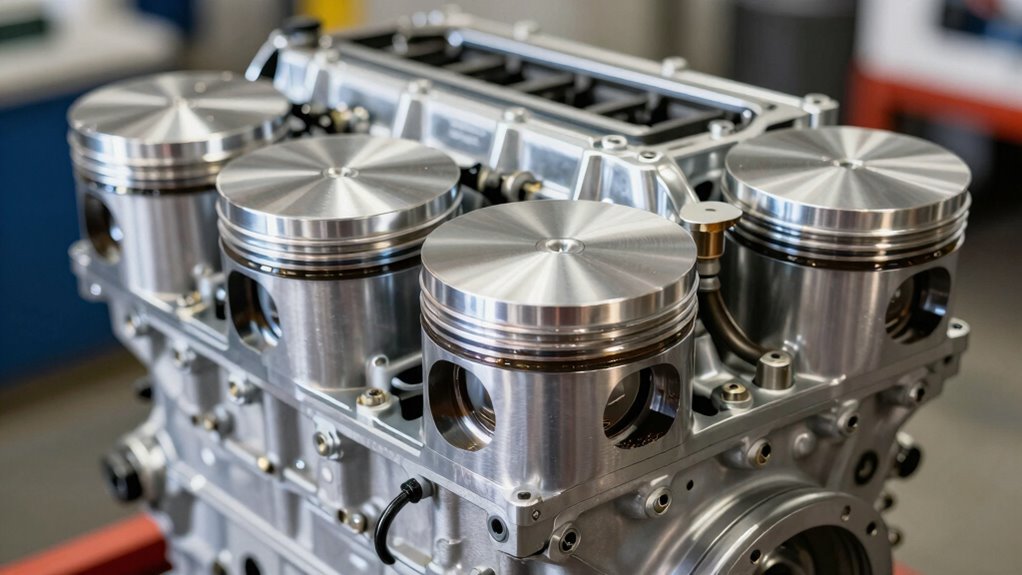
You don’t need special oils to properly break in a new engine; instead, focus on your driving habits and maintenance practices. Proper break-in relies on how you operate your vehicle during those first few hundred miles. Keep these tips in mind:
- Vary your engine speed and avoid high RPMs initially
- Avoid aggressive acceleration or hard braking
- Follow the manufacturer’s recommended break-in period and procedures
- Check and change the oil and filter as specified in your owner’s manual
Frequently Asked Questions
Can Using the Wrong Break-In Oil Damage My Engine?
Yes, using the wrong break-in oil can damage your engine. If you choose an oil with incorrect viscosity or additives, it won’t properly safeguard the engine during break-in, leading to increased wear or even early engine failure. Always follow your manufacturer’s recommendations for oil type and specifications. Using the right oil ensures proper lubrication, reducing wear and helping your engine settle smoothly into long-term operation.
How Long Should the Break-In Process Last?
Think of the break-in process as gently guiding a young sapling into maturity. You should typically give your engine 500 to 1,000 miles, or about a week, to settle in. During this time, avoid harsh acceleration and high RPMs, allowing the engine to adapt smoothly. Patience here guarantees your engine’s parts mesh well, setting a strong foundation for long-term performance and reliability.
Are Synthetic Oils Suitable for Engine Break-In?
Yes, synthetic oils can be suitable for engine break-in, but it’s best to verify your manufacturer’s recommendations. Some experts suggest using a less viscous, conventional oil initially to help the engine components seat properly. However, modern synthetics often provide excellent lubrication and protection during break-in. Just make certain you follow the specific guidelines for your engine, and switch to full synthetic once the break-in period is complete.
What Are the Environmental Impacts of Break-In Oils?
Break-in oils can have environmental impacts because they often contain additives and heavier metals that may release pollutants during disposal or leaks. If you don’t use them properly or switch to environmentally friendly oils afterward, they can contribute to soil and water contamination. To minimize harm, choose biodegradable oils when possible, dispose of used oils responsibly, and avoid leaks. Proper handling helps protect the environment from potential chemical pollutants.
Do Vintage Engines Require Different Break-In Procedures?
Did you know vintage engines often need longer break-in periods? Yes, they require different procedures because their components, like piston rings and bearings, aren’t as precisely manufactured as modern ones. You should use a high-quality break-in oil and follow a gentle, varied driving routine. This helps guarantee proper seating and longevity. Skipping tailored procedures can cause premature wear, so pay attention to specific vintage engine guidelines for peak performance and durability.
Conclusion
While some believe you can skip break-in oils with modern engines, evidence suggests they still offer valuable protection during initial startup. Using the right oils and following proper break-in procedures can prevent premature wear and ensure your engine runs smoothly for miles to come. Don’t rely solely on myths—trust the facts and manufacturer guidelines. Properly breaking in your engine, whether with traditional oils or alternatives, is key to long-term performance and reliability.