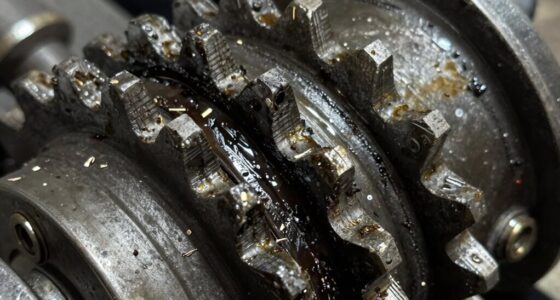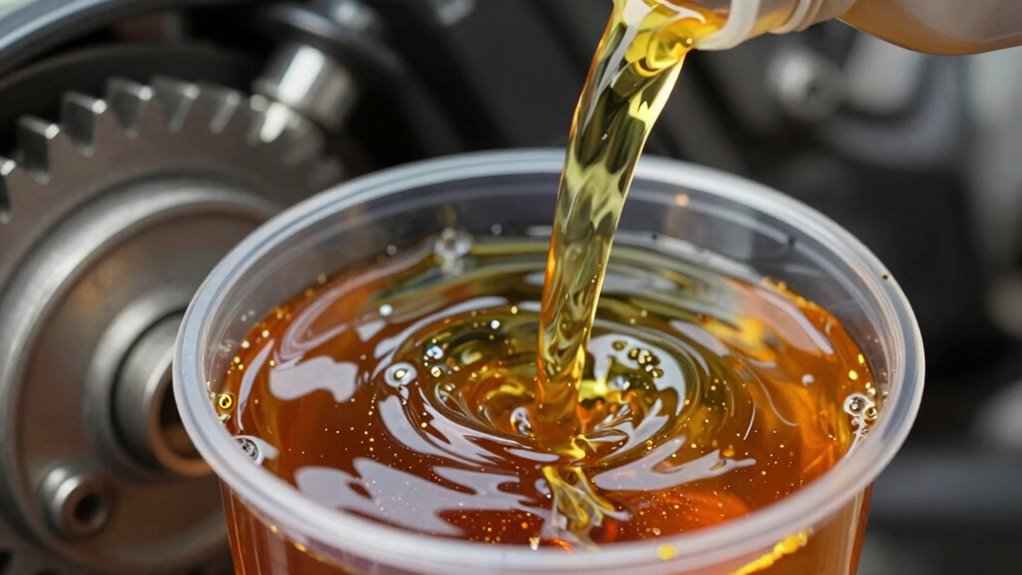
Motorcycle oils avoid certain friction modifiers because these additives can create a slippery film on clutch plates, leading to slippage and poor performance. This slippage can cause your clutch to grab or slip unexpectedly, increasing wear and risking damage. Using oils with incompatible friction modifiers can compromise your bike’s safety and efficiency. If you want to understand how these additives impact clutch performance and which oils are safe, there’s more to discover below.

Get business pricing on garage and car supplies
- Business-only prices and quantity discounts
- Tax-exempt purchasing
- Multiple users, one account, clear invoices
Key Takeaways
- Friction modifiers can create a slippery film on clutch plates, reducing grip and causing slippage.
- Not all additives are compatible with wet clutch systems; some interfere with clutch engagement.
- Oils with certain friction modifiers can lead to increased clutch wear and overheating.
- Using incompatible friction modifiers compromises clutch performance and safety.
- Manufacturers recommend oils without problematic friction modifiers for reliable wet clutch operation.
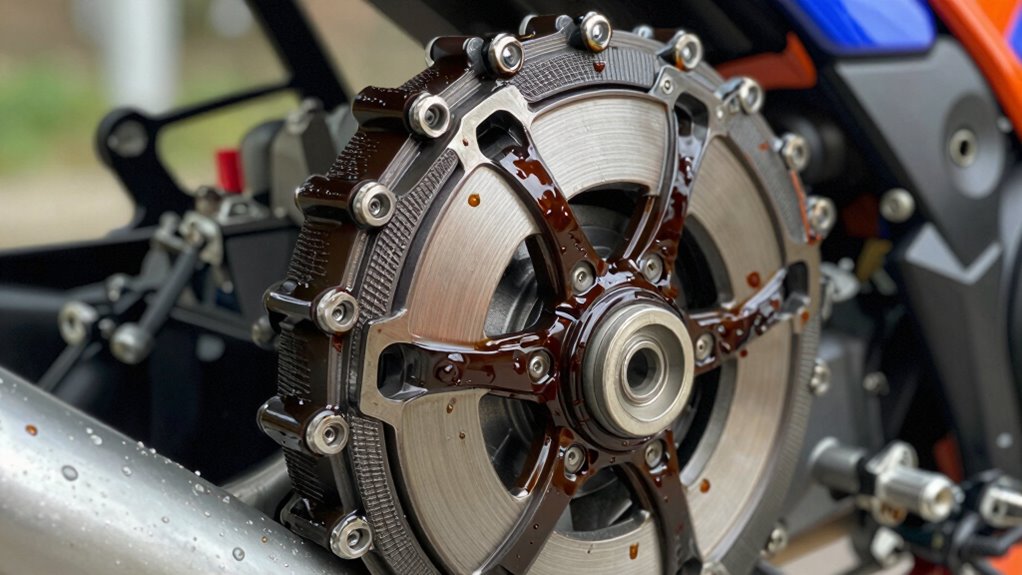
Motorcycle oils play a crucial role in ensuring your engine runs smoothly and efficiently, especially when it comes to managing friction. One critical aspect often overlooked is how these oils interact with your clutch system. Unlike in cars, your motorcycle’s wet clutch relies on the oil to lubricate both the engine and the clutch plates. The compatibility of the oil with your clutch is essential because not all oils are created equal in this regard. Some oils contain additive chemistry that can cause clutch slip or grab, affecting your bike’s performance and safety. It’s important to choose an oil formulated with clutch compatibility in mind, typically labeled as suitable for wet clutch systems. These oils are designed to minimize the risk of clutch slippage, which can occur if incompatible additives interfere with the clutch plates’ ability to engage smoothly.
Additive chemistry is a key factor in whether a motorcycle oil is suitable for your bike’s wet clutch. Many oils include friction modifiers or other additives that, while beneficial for engine wear and fuel economy, can create problems when mixed with the clutch’s friction materials. These additives can create a slippery film on the clutch plates, reducing their grip and leading to slippage. This slippage not only hampers acceleration and power transfer but also causes excessive wear on the clutch components over time. Consequently, understanding the additive chemistry of your oil is essential. Manufacturers often specify whether their oils are compatible with wet clutches, emphasizing the importance of selecting an oil that’s free of friction modifiers or contains specially formulated additives that do not compromise clutch operation.
The reason some oils avoid certain friction modifiers is rooted in the delicate balance needed within the clutch system. When the wrong additives are present, they can create a slick interface between the clutch plates, preventing proper engagement. This is especially critical in high-performance or heavily loaded bikes, where clutch slip can lead to overheating and damage. Choosing an oil with the right additive chemistry means you’re supporting clutch performance, not hindering it. Many motorcycle-specific oils are engineered to provide this balance, ensuring the oil protects the engine without compromising clutch function. Always check the manufacturer’s recommendations and labels to see if an oil is compatible with wet clutch systems, and avoid oils that contain friction modifiers known to cause slip or grab.
As an affiliate, we earn on qualifying purchases.
Frequently Asked Questions
Can Friction Modifiers Improve Motorcycle Engine Performance?
Friction modifiers can improve motorcycle engine performance by reducing clutch slippage and maintaining ideal oil viscosity. They help create better friction between engine parts, enhancing power transfer and efficiency. However, if not carefully selected, they might cause clutch issues or reduce oil’s protective qualities. So, you should choose oils with appropriate friction modifiers designed for wet clutches to guarantee smooth operation and excellent engine performance.
Are All Friction Modifiers Incompatible With Wet Clutches?
Not all friction modifiers are incompatible with wet clutches. Some oils are formulated to maintain oil compatibility and prevent clutch slip, guaranteeing smooth engagement. However, certain friction modifiers can cause clutch slip, so you need to choose oils specifically designed for wet clutch motorcycles. Always check the product label and manufacturer recommendations to avoid issues with clutch performance and provide the best protection without compromising your wet clutch system.
How Do Friction Modifiers Affect Motorcycle Fuel Economy?
Friction modifiers act like hidden engines, influencing your motorcycle’s fuel economy. When they reduce clutch slippage, your engine runs more smoothly, conserving fuel and improving efficiency. But if they cause clutch slip, your engine works harder, wasting energy and decreasing fuel efficiency. So, choosing oils with the right friction modifiers helps optimize power transfer and fuel savings, keeping your ride efficient and your engine happy.
Are There Specific Brands That Include Safe Friction Modifiers?
Some brands, like Mobil 1, Castrol, and Amsoil, include safe friction modifier formulations suitable for motorcycle wet clutches. You should check each brand’s product details for compatibility, as not all oils contain the same friction modifiers. By choosing oils specifically labeled for motorcycle use, you guarantee the friction modifier formulations won’t harm your clutch, giving you peace of mind and peak performance.
Do Friction Modifiers Impact Engine Longevity in Motorcycles?
Friction modifiers can impact your motorcycle’s engine longevity by causing clutch slip if they’re not compatible with wet clutches. They may alter oil viscosity, making it too slick and reducing friction needed for proper clutch engagement. This increased slip can lead to faster wear and potential engine issues over time. To protect your engine, choose oils formulated specifically for wet clutches and guarantee they have the right balance of friction modifiers.
best motorcycle oil without friction modifiers
As an affiliate, we earn on qualifying purchases.
As an affiliate, we earn on qualifying purchases.
Conclusion
So, now you see why motorcycle oils avoid certain friction modifiers—it’s all about protecting your wet clutch. Using the wrong additives can cause slipping or damage, risking your ride’s performance. When choosing oil, ask yourself: do you want smooth, reliable shifts or costly repairs? Staying informed helps you make the right choice for your bike’s longevity. After all, isn’t keeping your motorcycle in top shape worth a little extra attention?
motorcycle engine oil compatible with wet clutch
As an affiliate, we earn on qualifying purchases.
As an affiliate, we earn on qualifying purchases.
motorcycle oil additive for clutch protection
As an affiliate, we earn on qualifying purchases.
As an affiliate, we earn on qualifying purchases.
Fall Picks
fall essentials
As an affiliate, we earn on qualifying purchases.