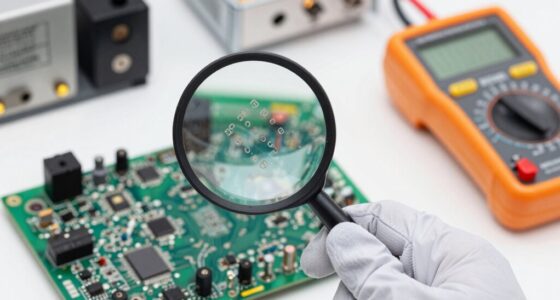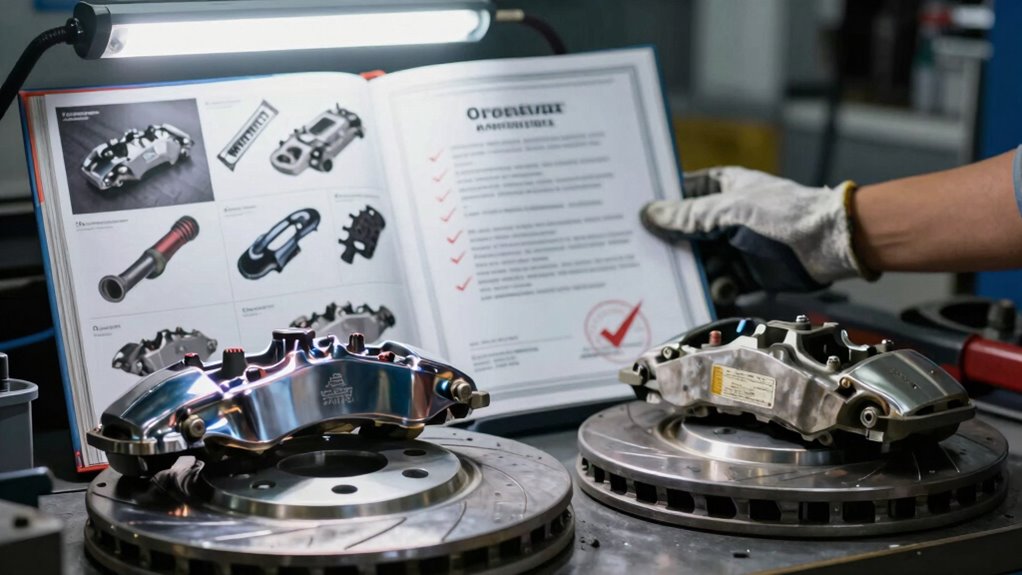
When you see aftermarket parts claiming approval, it’s crucial to check if those certifications are genuine. Many so-called “approvals” lack the rigorous testing and standards that OEM certifications require. These superficial approvals may not ensure safety, durability, or performance. It’s important to verify the credibility of certification organizations behind them. If you want to learn how to spot trustworthy approvals and what to avoid, keep exploring the details behind genuine certification processes.

Get business pricing on garage and car supplies
- Business-only prices and quantity discounts
- Tax-exempt purchasing
- Multiple users, one account, clear invoices
Key Takeaways
- Not all aftermarket approvals are verified; some lack rigorous testing or recognized standards.
- Genuine certifications involve independent testing to ensure safety, durability, and performance.
- Always verify the credibility of certifying organizations before trusting non-OEM approval claims.
- Superficial or unsubstantiated approvals may compromise vehicle safety and reliability.
- Properly certified aftermarket parts can match OEM standards, but check for recognized testing and certification bodies.
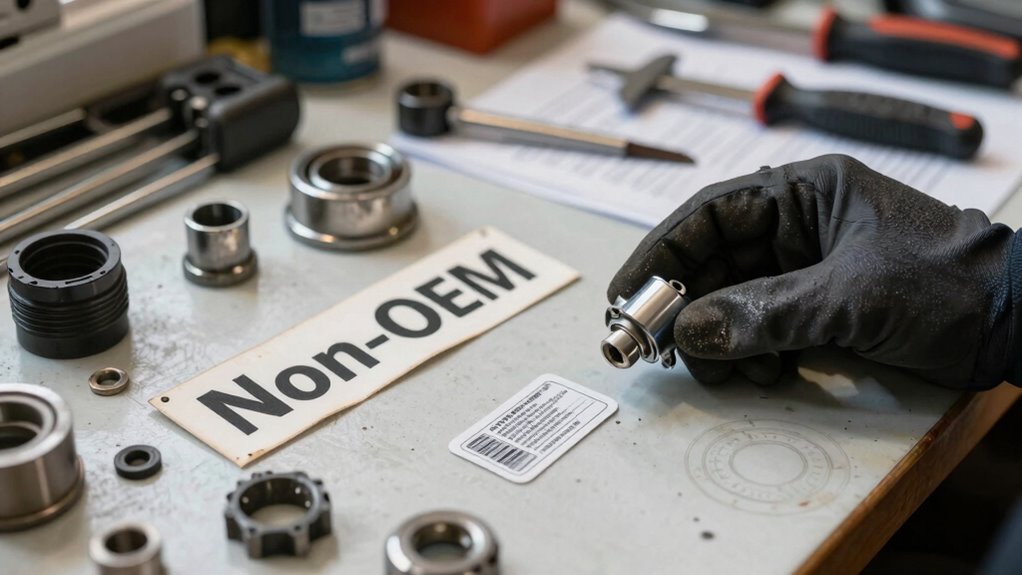
Non-OEM approvals are increasingly important in today’s automotive and manufacturing industries, as they allow aftermarket parts and components to meet safety and performance standards without relying on original equipment manufacturer certifications. When you’re choosing aftermarket parts, understanding these approvals helps you determine whether a product can truly stand up to OEM standards. Essentially, non-OEM approvals often stem from independent testing and certification processes that verify a part’s functionality, durability, and safety, even if they don’t carry the original manufacturer’s endorsement.
You need to recognize that manufacturer standards are the benchmarks set by automakers for parts used in their vehicles. These standards ensure compatibility, safety, and reliability. However, many aftermarket providers pursue their own certification processes, which are designed to demonstrate compliance with industry regulations and safety benchmarks. These processes can vary considerably from OEM approval procedures, which typically involve rigorous testing and quality assurance directly overseen by the vehicle manufacturer. Independent certification bodies may evaluate aftermarket parts through testing protocols that mimic OEM standards, but it’s vital to verify the credibility of these organizations.
When you encounter aftermarket parts claiming non-OEM approvals, ask yourself: what certification processes support these claims? Genuine certification involves thorough testing, inspection, and validation to ensure the part performs as intended. Some third-party organizations conduct rigorous assessments, including durability tests, safety evaluations, and compatibility checks. Look for standards such as ISO or SAE certifications, which are internationally recognized. These indicate that the product has undergone objective testing, even if it’s not officially approved by the vehicle’s original manufacturer.
While non-OEM approvals can be advantageous, they don’t always guarantee the same level of quality as OEM-certified parts. It’s vital to scrutinize the certification process behind these approvals. Manufacturers that invest in transparent, independent testing demonstrate a commitment to quality and safety, giving you confidence in their products. On the other hand, some aftermarket parts might carry superficial approvals or claims that aren’t backed by formal certification processes, risking performance issues or safety hazards.
Additionally, understanding that projector technology impacts the credibility of non-OEM approvals can help you assess whether a part or component is reliable, as modern standards emphasize rigorous testing and certification. In the end, understanding the distinction between manufacturer standards and independent certification processes helps you make informed decisions. Non-OEM approvals can be valuable, provided they’re supported by credible, standardized testing. Always verify the authenticity of these approvals, research the certifying body, and consider whether the part aligns with OEM standards for safety and performance. This way, you guarantee that the aftermarket components you choose will uphold the integrity and reliability of your vehicle, even without official OEM approval.
As an affiliate, we earn on qualifying purchases.
Frequently Asked Questions
How Can Consumers Verify the Legitimacy of Aftermarket Approvals?
To verify the legitimacy of aftermarket approvals, you should check certification standards from reputable organizations and confirm the product has authentic labels. Avoid counterfeit labels, which mimic genuine approvals. Research the manufacturer’s credentials and look for third-party testing or certification. When in doubt, contact the certifying agency directly to confirm the approval’s validity, ensuring you’re choosing safe, compliant aftermarket parts.
Are There Legal Risks Using Non-Oem Approved Parts?
Using non-OEM approved parts can pose legal risks if they don’t meet safety standards and legal compliance. Think of it like sailing without a navigator—you’re risking fines, warranty voids, or even safety hazards. Always verify that parts conform to industry regulations and standards to avoid legal trouble. Your best bet is choosing parts with proper approvals to ensure safety and stay within the law.
Do Aftermarket Approvals Impact Vehicle Warranties?
Aftermarket approvals can impact your vehicle warranty, especially if the manufacturer considers the parts non-compliant or poorly installed. Warranty implications depend on whether the aftermarket endorsements are recognized by your vehicle’s maker. Using approved parts might keep your warranty intact, but unapproved aftermarket parts could lead to disputes or voided coverage. Always check your warranty terms and choose reputable, approved aftermarket components to avoid potential issues.
What Are the Differences Between OEM and Aftermarket Approvals?
OEM approvals meet strict manufacturing standards and certification processes set by vehicle manufacturers, ensuring quality and safety. In contrast, aftermarket approvals often lack these rigorous standards, which means products might not be tested to the same level. When you choose OEM approvals, you get assurance of compatibility and safety. On the other hand, aftermarket approvals can vary widely, so it is crucial to verify their credibility before installation.
How Do Aftermarket Approvals Influence Insurance Claims?
You might think aftermarket approvals are straightforward, but they can complicate insurance claims. If your insurer questions the legitimacy of non-OEM parts, it could lead to claim disputes or reduced payouts. Insurance implications hinge on whether the parts meet industry standards, and using non-approved components might even void your coverage. Stay informed—your choice of parts could mean the difference between smooth claims processing and unexpected hurdles.
ISO SAE automotive certification
As an affiliate, we earn on qualifying purchases.
As an affiliate, we earn on qualifying purchases.
Conclusion
Think of non-OEM approvals like false flags in a grand parade—look convincing from a distance, but once you get closer, the truth reveals itself. Just as a mask can hide a face, these so-called approvals might seem trustworthy but often lack the substance you need. Stay vigilant and don’t be fooled by shiny appearances. Trust only genuine certifications to keep your vehicle sailing smoothly, avoiding the rocky waters of false assurances.
As an affiliate, we earn on qualifying purchases.
independent certified car components
As an affiliate, we earn on qualifying purchases.
As an affiliate, we earn on qualifying purchases.
Fall Picks
fall essentials
As an affiliate, we earn on qualifying purchases.