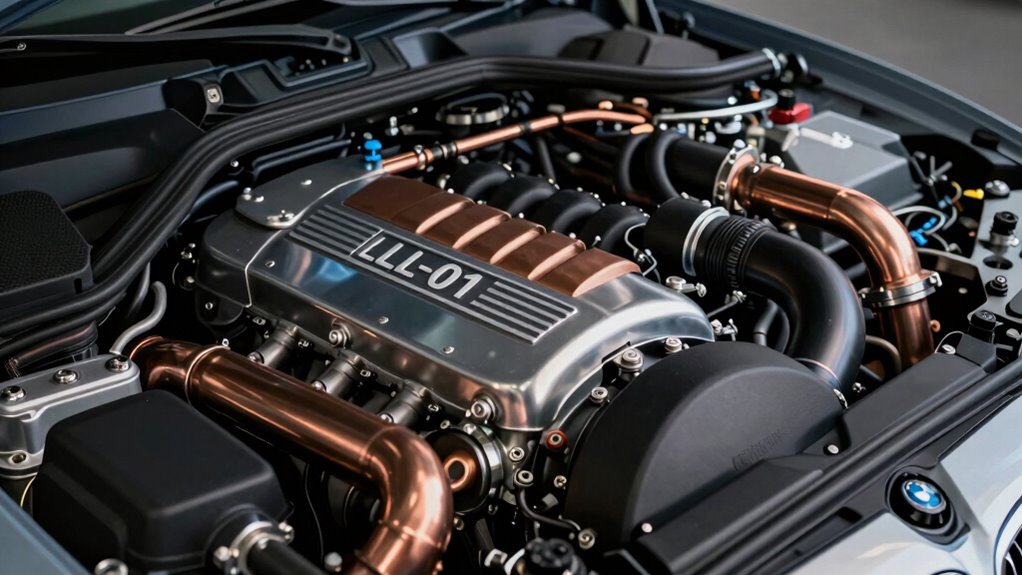

BMW’s Longlife designation, especially LL-01, signals that your vehicle is designed for extended oil change intervals using high-quality synthetic oils and advanced engine management. It emphasizes durability, efficiency, and fewer maintenance stops. However, it also means you need to pay attention to driving conditions and follow manufacturer recommendations closely. If you want to understand how this system truly impacts your engine’s health and maintenance routine, there’s more to uncover that can help you keep your BMW in top shape.
Key Takeaways
- “Longlife” indicates BMW’s focus on extended oil change intervals and engine durability.
- The LL-01 designation signifies a specific oil service standard compatible with long maintenance intervals.
- LL-01 oils are synthetic, formulated for high durability and thermal stability during extended use.
- Using LL-01 compliant oils allows for oil changes approximately every 15,000 to 20,000 miles under ideal conditions.
- The LL-01 label signals BMW’s designed capability for fewer maintenance stops while maintaining engine health.
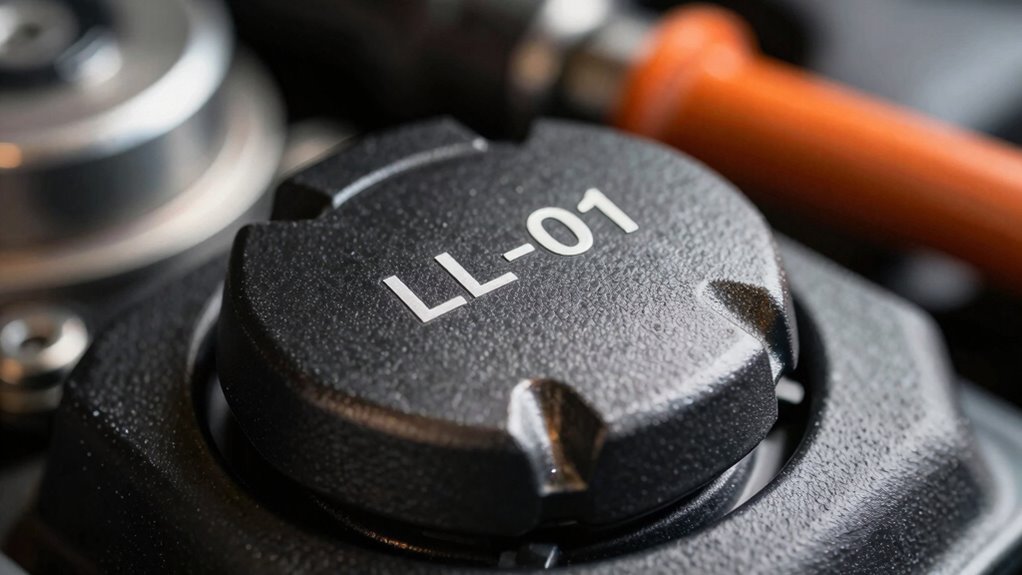
Have you ever wondered what “Longlife” means in BMW’s naming system? It’s more than just a marketing term; it signals a focus on extended maintenance intervals and optimized engine performance. When you see “Longlife” on a BMW part or service schedule, it indicates that the manufacturer has designed the vehicle to handle longer periods between oil changes and routine maintenance. This approach aims to keep your engine running smoothly while reducing the need for frequent visits to the shop. But it’s essential to understand what these extended intervals truly entail, especially when it comes to oil change intervals and the type of oil used—synthetic versus conventional.
BMW Longlife promotes extended maintenance intervals for better engine performance and fewer service visits.
In BMW’s Longlife systems, the oil change intervals are considerably longer than those in traditional vehicles. Depending on the specific Longlife version your car follows—such as LL-01—the recommended oil change interval can stretch to around 15,000 to 20,000 miles or even more under ideal driving conditions. This is made possible by advanced engine management and high-quality oils that can withstand prolonged use without degrading. However, these extended intervals aren’t suitable for every driving style or environment. If your typical driving involves short trips, stop-and-go traffic, or rough conditions, your engine might benefit from more frequent oil changes, regardless of the Longlife designation.
When it comes to synthetic versus conventional oils, BMW’s Longlife systems mainly recommend synthetic oils. Synthetic lubricants are engineered to provide superior thermal stability, better engine protection, and longer-lasting lubrication. They can handle the extended oil change intervals more effectively than conventional oils, which tend to break down faster under similar conditions. Using conventional oil in a Longlife system can compromise the engine’s performance and longevity, as it might not maintain proper lubrication over the extended intervals. BMW’s Longlife oils are specifically formulated to meet these demanding standards, ensuring that your engine stays protected during those longer stretches between oil changes.
Moreover, oil quality plays a crucial role in maintaining engine health during extended intervals. Ultimately, the “Longlife” label signals BMW’s emphasis on durability, efficiency, and fewer maintenance stops. But it’s essential to follow the manufacturer’s recommendations based on your driving habits and the type of oil used. While synthetic oils allow for longer intervals, regular checks and maintenance are still indispensable to ensure your engine remains in top condition. So, if you see “Longlife” on your BMW’s service schedule, it’s a sign that your vehicle is designed for extended oil change intervals—just make sure you’re using the right oil type and staying attentive to your driving environment.
Top picks for "longlife actually signal"
Open Amazon search results for this keyword.
As an affiliate, we earn on qualifying purchases.
Frequently Asked Questions
How Do I Identify the Correct BMW Longlife Oil for My Vehicle?
To identify the correct BMW Longlife oil for your vehicle, check your owner’s manual for specific BMW oil specifications and Longlife oil codes. Look for the recommended oil type, such as LL-01 or LL-04, which indicate compatibility with your engine. You can also verify the oil’s viscosity and certification marks. Always choose oils that meet the BMW standards to guarantee ideal engine performance and longevity.
Are BMW Longlife Oils Compatible With Non-Bmw Vehicles?
You might wonder if BMW Longlife oils work with non-BMW vehicles, but oil compatibility isn’t always guaranteed. While these oils meet high standards, they’re formulated specifically for BMW engines, so using them in other cars could affect your vehicle maintenance routine. To guarantee peak performance and protection, always check your owner’s manual and choose oils recommended for your vehicle, rather than relying solely on BMW Longlife options.
How Often Should I Change BMW Longlife Oil?
You should change BMW Longlife oil every 10,000 to 15,000 miles or once a year, whichever comes first. Check your vehicle’s maintenance schedules for specific recommendations, as driving conditions can affect oil change intervals. Regularly monitoring oil levels and quality helps guarantee ideal engine performance. Following these guidelines keeps your car running smoothly and maintains warranty coverage, so stick to the recommended maintenance schedules for the best results.
What Are the Benefits of Using BMW Longlife Oil?
Using BMW Longlife oil boosts lubrication efficiency, ensuring your engine runs smoothly and reduces wear over time. It helps maintain ideal engine temperature and prevents buildup, which can cause damage. By choosing Longlife oil, you extend engine longevity, saving you money on repairs and replacements. Plus, it supports better fuel economy and lowers emissions, making your driving experience more efficient and environmentally friendly.
Can I Mix Different BMW Longlife Oil Variants?
You should avoid mixing different BMW Longlife oil variants because oil mixing can compromise your engine’s performance and longevity. Mixing oils may also raise warranty concerns if issues arise, as the manufacturer recommends sticking to a specific oil type. To guarantee maximum protection and maintain warranty coverage, always use the same Longlife oil variant specified for your BMW. If unsure, consult your owner’s manual or a professional mechanic.
Conclusion
So, next time you see LL-01 on your BMW’s oil, remember it’s not just a secret code—it’s a badge of endurance, whispering tales of long-lasting performance. You might think you’re just topping off your oil, but really, you’re fueling a legend of longevity and reliability. Ironically, what seems like a simple label actually promises your engine’s longevity, all while secretly challenging you to keep up with BMW’s quest for perfection.