
ACEA C5 oils are designed for modern diesel engines that need low-viscosity, fuel-efficient oils. Lower HTHS doesn’t mean less protection, thanks to advanced additives that maintain film strength and reduce wear. These oils are suitable for turbocharged engines with emissions systems, offering benefits like better fuel economy and smoother operation. If you’re curious about how these oils work without compromising protection, there’s more to discover below.
Key Takeaways
- Lower HTHS in ACEA C5 oils doesn’t mean reduced protection; advanced additives maintain film strength.
- These oils are formulated for fuel efficiency, benefiting modern turbocharged engines without compromising wear protection.
- Compatibility with vehicle specifications is essential; proper matching ensures optimal performance and engine safety.
- Synthetic base oils and specialized additives enable low HTHS oils to perform reliably across temperature ranges.
- Reduced viscosity helps improve fuel economy and cold start performance without sacrificing engine durability.

The ACEA C5 classification is a key standard for engine oils designed for modern, fuel-efficient diesel engines. As you explore oils labeled with this standard, you’ll notice that they often have a lower HTHS (High Temperature High Shear) viscosity. Some might worry that a lower HTHS means the oil isn’t thick enough to protect their engine. However, that’s not always the case. Manufacturers develop ACEA C5 oils with advanced formulations, including specialized oil additives, that guarantee ideal protection even at reduced viscosities. These additives help maintain film strength, reduce wear, and keep engine parts properly lubricated, despite the lower HTHS.
Understanding engine compatibility is vital here. ACEA C5 oils are specifically designed for engines that require low-viscosity, fuel-efficient oils—often newer diesel engines with turbochargers and advanced emission systems. Using an oil that isn’t compatible with your engine can lead to increased wear or even damage over time. That’s why it’s necessary to verify that your engine is compatible with ACEA C5 standards before making a switch. Check your vehicle’s manual to see if ACEA C5 is recommended. If it is, you can confidently choose oils with this rating, knowing they meet stringent performance standards.
The idea that lower HTHS oils are inherently inferior is a misconception. In fact, modern engine designs benefit from thinner oils because they reduce friction, improve fuel economy, and help engines warm up faster. The key lies in the formulation—advanced oil additives work together to compensate for the reduced viscosity, ensuring the oil still provides the necessary protection against wear, deposits, and oxidation. These additives also help keep the oil stable over a wide temperature range, making sure your engine stays protected whether you’re starting up on a cold morning or running at high temperatures. Additionally, the development of synthetic base oils has further enhanced the performance capabilities of low HTHS oils, providing better stability and protection.
You should also consider the climate and driving conditions. ACEA C5 oils perform well in various environments, but if you regularly drive in extreme cold or heat, check whether the oil’s viscosity and additive package suit those conditions. Remember, choosing the right oil isn’t just about the label; it’s about matching your engine’s needs with the oil’s formulation. When used correctly and in compatible engines, ACEA C5 oils can deliver excellent performance, efficiency, and protection, proving that lower HTHS isn’t a sign of compromise but a step forward in modern engine technology.

Newparts SPECIFIC RBS0-2AE 0W20 100% Synthetic ACEA C5 For Volvo 10L Engine Motor Oil 2 x 5L
As an affiliate, we earn on qualifying purchases.
As an affiliate, we earn on qualifying purchases.
Frequently Asked Questions
How Does ACEA C5 Compare to Other Oil Categories?
You’ll find that ACEA C5 oils excel in synthetic advantages, offering better fuel economy and lower emissions compared to other categories. They’re designed for modern engines, especially hybrids, with low HTHS viscosity that reduces friction and improves efficiency. While other categories might prioritize high HTHS for protection, C5 oils balance performance and fuel savings, making them ideal if you want a lightweight, fuel-efficient oil without sacrificing engine protection.
Is ACEA C5 Suitable for All Vehicle Types?
You might find ACEA C5 suitable for many vehicles, especially newer diesel and petrol engines designed for low viscosity oils. Its oil type versatility allows it to meet strict emissions standards and fuel efficiency goals. However, you should check your vehicle’s specifications because not all engine types are compatible. If your manufacturer recommends ACEA C5, then it’s a good choice; otherwise, stick to the recommended oil type for peak performance.
What Are the Long-Term Benefits of Using ACEA C5 Oils?
Did you know that using ACEA C5 oils can extend your engine’s lifespan by up to 20%? These oils promote long-term durability and help maintain engine cleanliness over time. By reducing wear and controlling deposits, you guarantee your engine stays efficient and reliable longer. Switching to ACEA C5 offers ongoing benefits, so you can enjoy smoother driving and fewer costly repairs down the road.
Can ACEA C5 Oils Improve Fuel Efficiency?
Using ACEA C5 oils can improve your fuel efficiency by reducing friction within your engine, leading to better fuel savings. These oils promote smoother engine performance and lower energy consumption, especially in modern engines designed for lower viscosity lubricants. By maintaining efficient engine operation, ACEA C5 oils help you get the most out of each tank, enhancing overall performance while saving money on fuel costs.
Are There Any Downsides to Using ACEA C5 Oils?
You might worry ACEA C5 oils have downsides, but they’re generally compatible with most synthetic blends and designed for efficiency. However, some concerns include potential limits on engine protection under extreme conditions, and their environmental impact due to synthetic production processes. While they offer benefits, you should consider your vehicle’s specific needs and driving habits to determine if ACEA C5 oils are the right choice for you.

Shell Rotella T6 Full Synthetic 10W-30 Diesel Engine Oil, 1 Gallon (3 Pack)
Full synthetic 10W-30 diesel engine oil with Triple Protection Plus technology protects against wear, deposits, and oil breakdown
As an affiliate, we earn on qualifying purchases.
As an affiliate, we earn on qualifying purchases.
Conclusion
So, don’t jump to conclusions about lower HTHs in ACEA C5. It’s not always a sign of trouble; sometimes, it’s just a different way the formula works for your engine. Keep an open mind, and remember, appearances can be deceiving. Instead of rushing to judge, do your research and trust the facts. After all, sometimes you have to look beyond the surface to see the whole picture.
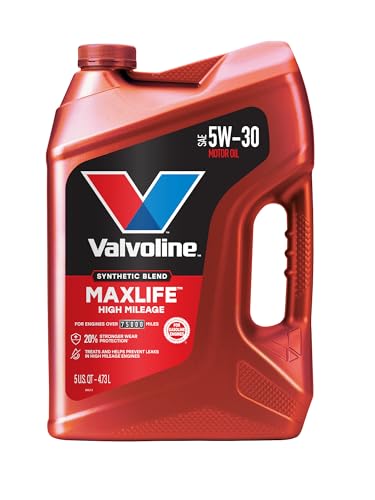
Valvoline MaxLife High Mileage 5W-30 Synthetic Blend Motor Oil 5 Quart
Formulated for engines with 75,000 miles or more, Valvoline MaxLife High Mileage synthetic blend is formulated with seal…
As an affiliate, we earn on qualifying purchases.
As an affiliate, we earn on qualifying purchases.

Lucas Oil 10003 Fuel Treatment – 1 Quart
The world’s #1 fuel additive for both gasoline and diesel engines
As an affiliate, we earn on qualifying purchases.
As an affiliate, we earn on qualifying purchases.