LSPI protection in modern standards means implementing technical measures, regulatory limits, and effective engine control strategies to prevent low-speed pre-ignition events. These standards aim to guarantee your engine runs reliably, safely, and efficiently by controlling knocking and pre-ignition risks. They involve rigorous testing, advanced control algorithms, and improved materials. If you want to learn how these standards help improve engine durability and safety, there’s more to explore.

Get business pricing on garage and car supplies
- Business-only prices and quantity discounts
- Tax-exempt purchasing
- Multiple users, one account, clear invoices
Key Takeaways
- LSPI protection refers to measures ensuring engines do not experience Low-Speed Pre-Ignition events.
- It involves adhering to regulatory standards that define acceptable knocking and pre-ignition limits.
- Modern standards require rigorous testing and monitoring to verify LSPI risk mitigation.
- Engine control strategies and advanced materials are mandated to prevent LSPI occurrences.
- Overall, LSPI protection in standards aims to enhance engine reliability, safety, and compliance.
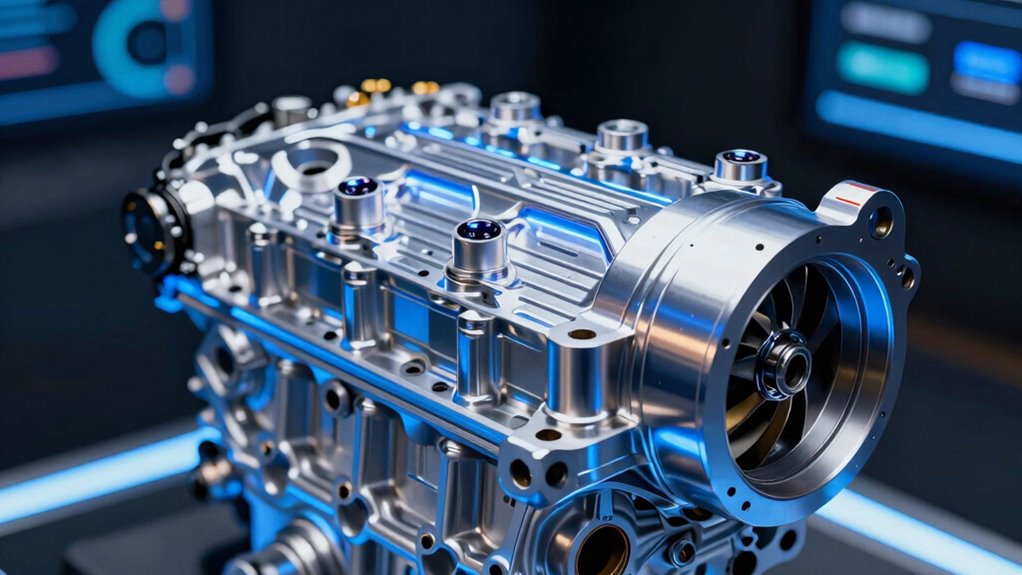
Low-Speed Pre-Ignition (LSPI) poses a significant challenge for modern engine standards, especially in direct-injection gasoline engines. It’s a phenomenon where the fuel-air mixture ignites prematurely at low engine speeds, leading to knocking, increased wear, and potential engine damage. As an engine manufacturer or vehicle developer, you need to understand what LSPI protection entails to meet evolving safety regulations and adhere to technical specifications designed to prevent these issues. LSPI protection isn’t just about improving engine reliability; it’s about guaranteeing safety and compliance with strict standards set by regulatory bodies worldwide.
Modern standards push automakers to incorporate advanced engine control strategies, high-quality lubricants, and refined fuel formulations to minimize LSPI occurrences. These safety regulations specify limits on knocking, pre-ignition, and related engine faults that could compromise vehicle safety. When you follow these regulations, you’re effectively reducing the risk of catastrophic engine failure, which could endanger drivers and passengers. Technical specifications, on the other hand, detail the permissible thresholds for LSPI-related events, including engine knocking intensity, frequency, and operating conditions under which the engine must remain stable. Meeting these specifications requires rigorous testing, data collection, and continuous monitoring during engine development.
Adhering to safety regulations limits LSPI, preventing engine failure and ensuring vehicle safety through rigorous testing and monitoring.
Implementing LSPI protection measures involves using specialized engine control units (ECUs) that can adapt fuel injection timing, boost pressure, and ignition settings in real time. These adjustments are vital to prevent the early ignition of the mixture, especially under low-speed, high-load conditions. As you develop or upgrade engines, you must guarantee that your systems can recognize early signs of LSPI and respond swiftly to mitigate risks. This proactive approach aligns with safety regulations designed to safeguard vehicle integrity and occupant safety, especially as engines become more compact and efficient.
Furthermore, the use of low-friction coatings, robust pistons, and high-quality lubricants forms part of the broader technical specifications for LSPI protection. These materials help reduce hotspots and abnormal combustion, lowering the likelihood of pre-ignition. You’ll also need to stay updated with the latest industry standards from organizations such as SAE or ISO, which provide guidelines and test procedures for evaluating LSPI risk. Incorporating these into your design process ensures your engines not only meet safety regulations but also perform reliably over time.
In addition, advanced engine control algorithms are increasingly vital for effectively managing LSPI risk in modern engines. In essence, LSPI protection in modern standards involves a thorough approach: optimizing engine design, adhering to technical specifications, and complying with safety regulations. It’s about preventing pre-ignition events before they happen, ensuring your engines operate safely, efficiently, and within legal bounds. When you prioritize LSPI protection, you’re not just meeting industry requirements—you’re building trust with consumers and setting a high standard for engine durability and safety.
engine control units for LSPI protection
As an affiliate, we earn on qualifying purchases.
As an affiliate, we earn on qualifying purchases.
Frequently Asked Questions
How Does LSPI Protection Differ Across Various Vehicle Manufacturers?
You’ll notice that LSPI protection varies among manufacturers due to regional standards and their specific safety approaches. Some automakers implement advanced, multi-layered systems, while others adopt basic safeguards. These manufacturer variations reflect regional regulations, technological capabilities, and brand priorities. By understanding these differences, you can better evaluate vehicle safety features and guarantee your car’s LSPI protection corresponds with your regional standards and personal safety expectations.
Are There Specific Driving Habits That Enhance LSPI Protection?
You can enhance LSPI protection by practicing driver awareness and adopting smooth driving habits. Avoid aggressive acceleration and sudden stops, as these can trigger LSPI events. Maintaining ideal engine temperature and ensuring proper fuel efficiency also help reduce risks. By staying attentive to your driving style and vehicle performance, you support the effectiveness of LSPI protection systems, ultimately prolonging engine life and improving overall vehicle reliability.
What Are the Costs Associated With Implementing LSPI Protection Measures?
Implementing LSPI protection measures involves some cost implications, primarily due to installation expenses of specialized components like low-friction piston rings or coatings. You might also face ongoing maintenance costs to guarantee these systems continue functioning effectively. While the initial investment can be significant, especially for newer engine designs, the long-term benefits—like reduced engine damage and repair costs—often justify the expense, making it a worthwhile consideration for your vehicle’s safety and durability.
Can LSPI Protection Be Retrofitted Into Older Engine Models?
Think of your engine as a vintage car needing a modern upgrade. While some older engines may be compatible with retrofit options for LSPI protection, it’s not always straightforward. You’ll want to check engine compatibility first, then explore specific retrofit solutions designed for your model. With the right approach, you can enhance your engine’s safety and performance, just like adding a modern touch to a classic masterpiece.
How Does LSPI Protection Impact Overall Engine Maintenance Routines?
LSPI protection simplifies your engine maintenance by requiring you to focus on oil quality and filter maintenance. It reduces the risk of LSPI-related damage, so you’ll need to regularly check and change your oil and filters to keep the system working efficiently. This proactive approach helps prevent engine knocking and other issues, ultimately extending your engine’s lifespan and ensuring smoother performance over time.
high-quality engine lubricants for engine safety
As an affiliate, we earn on qualifying purchases.
As an affiliate, we earn on qualifying purchases.
Conclusion
Understanding LSPI protection in modern standards helps you appreciate the subtle advancements that keep your engine running smoothly. While it might seem like a small detail, this feature gently guarantees your vehicle’s longevity and performance. Embracing these standards means you’re trusting in a system that quietly works in the background, safeguarding your driving experience. So, next time you start your engine, remember that behind the scenes, a thoughtful protection quietly looks out for you.
direct-injection gasoline engine parts
As an affiliate, we earn on qualifying purchases.
As an affiliate, we earn on qualifying purchases.
engine knock sensors and monitoring systems
As an affiliate, we earn on qualifying purchases.
As an affiliate, we earn on qualifying purchases.
Fall Picks
fall essentials
As an affiliate, we earn on qualifying purchases.