
Exceeding phosphorus limits in lubricants doesn’t provide extra engine protection and can cause environmental harm. Phosphorus-based additives like ZDDP form protective films on metal surfaces, but too much can harm catalytic converters and increase pollution. Regulatory standards set strict limits to balance engine safety with ecological concerns. Using more ZDDP beyond those limits offers no benefit and risks damaging the environment. To learn how these limits protect both your engine and the planet, keep exploring this topic.
Key Takeaways
- Excess phosphorus from ZDDP can harm catalytic converters, reducing emission control efficiency.
- Higher phosphorus levels do not necessarily improve engine wear protection beyond a certain point.
- Regulatory standards limit phosphorus content to balance engine protection and environmental impact.
- Reducing phosphorus in lubricants minimizes water pollution and algae blooms from runoff.
- Optimized phosphorus levels ensure engine safety while supporting environmental sustainability.

Have you ever wondered how phosphorus levels impact our environment? It’s a vital question because phosphorus, especially in the form of additives like zinc dialkyldithiophosphate (ZDDP), plays a significant role in lubricant chemistry. While adding more ZDDP might seem like a way to boost engine protection, it can have unintended environmental consequences. When lubricants containing high phosphorus levels are used, some of that phosphorus can end up in waterways through runoff or leaching. This excess phosphorus promotes algae blooms, which disturb aquatic ecosystems, reduce oxygen levels, and threaten fish and other wildlife. Understanding the delicate balance of phosphorus in lubricants is fundamental to minimize their environmental impact while maintaining engine performance.
Higher phosphorus in lubricants can harm waterways and aquatic life.
In lubricant chemistry, phosphorus acts as an anti-wear additive, forming protective films on metal surfaces to prevent friction and damage. However, increasing the amount of phosphorus beyond ideal levels doesn’t necessarily translate into better protection. Instead, it can lead to more phosphorus being released into the environment during oil changes, leaks, or disposal. This is why modern lubricant formulations aim for precise, limited phosphorus content—enough to guarantee engine safety but not so much that it harms the environment. Regulatory standards, such as those established by the EPA and international agencies, set strict limits on phosphorus levels in automotive oils for this reason. These limits balance the need for effective lubrication with the obligation to reduce environmental impact, particularly in sensitive water bodies.
Furthermore, high phosphorus levels can interfere with catalytic converters in vehicles, reducing their efficiency and lifespan. This, in turn, leads to increased emissions, which negatively affect air quality. So, more ZDDP isn’t always better; it’s about finding that ideal amount that provides adequate engine protection without contributing to pollution. Advances in lubricant technology focus on developing formulations that use phosphorus more efficiently, reducing overall content while maintaining performance. This shift helps lower the environmental footprint of motor oils and aligns with global efforts to promote sustainable practices.
Additionally, research has shown that employing natural or biodegradable additives can further reduce the environmental impact of lubricants containing phosphorus. Ultimately, understanding the relationship between lubricant chemistry and environmental impact guides manufacturers and consumers toward more responsible choices. By selecting oils with appropriate phosphorus levels, you help limit harmful runoff and pollution. It’s not just about protecting your engine but also about safeguarding our planet’s water and air quality. Recognizing that more isn’t always better when it comes to additives like ZDDP is key to making informed decisions that support both engine longevity and environmental health.

Castrol GTX High Mileage 5W-20 Synthetic Blend Motor Oil, 5 Quarts
Phosphorus Replacement Technology helps extend emission system life
As an affiliate, we earn on qualifying purchases.
As an affiliate, we earn on qualifying purchases.
Frequently Asked Questions
How Do Phosphorus Limits Vary Globally?
You should know that phosphorus limits vary globally based on regional regulations and manufacturing standards. In Europe, stricter rules aim to protect catalytic converters, limiting phosphorus content. Meanwhile, the US has more lenient standards, allowing higher levels. These differences influence lubricant formulations and vehicle maintenance practices worldwide. Staying informed about local regulations helps you choose the right products, ensuring maximum engine performance while complying with regional environmental and safety standards.
What Are Alternative Additives to Phosphorus-Based ZDDP?
You can consider eco-friendly lubricants that use alternative additive technologies like ashless anti-wear agents, organic molybdenum compounds, or boron-based additives. These options provide effective wear protection without relying on phosphorus. By switching to these innovative additives, you reduce environmental impact and stay compliant with regulations. Many manufacturers now develop eco-friendly lubricants that incorporate these alternatives, offering reliable engine protection while supporting sustainability goals.
How Do Phosphorus Levels Affect Engine Wear?
You might think more phosphorus means better wear prevention, but too much can cause rapid phosphorus degradation, weakening the protective film on engine parts. This leads to increased engine wear, like a sword rusting from the inside out. Maintaining ideal phosphorus levels balances wear prevention with longevity, ensuring your engine stays protected without accelerating degradation. Too high or low, and you risk compromising your engine’s health over time.
Are There Environmental Concerns With Phosphorus in Lubricants?
Yes, there are environmental concerns with phosphorus in lubricants. Excess phosphorus can lead to environmental impact, such as water pollution and harm to aquatic life. To address this, manufacturers focus on regulatory compliance by limiting phosphorus levels in lubricants. This guarantees that engine oils protect your engine while minimizing environmental harm, balancing performance with responsible environmental stewardship. Staying within these limits helps reduce ecological risks and meet regulations.
How Do Phosphorus Limits Impact Modern Engine Design?
You’ll find that stricter phosphorus limits, set at a maximum of 0.08% in many regions, substantially influence engine compatibility and additive formulation. Manufacturers must adapt by developing advanced additives to protect engine parts without exceeding environmental regulations. This often leads to innovative lubricant designs, balancing wear protection with the need to meet these limits, ensuring your engine performs well while complying with sustainability standards.

REV-X Zinc ZDDP Oil Additive – 2 fl. oz.
Creates an anti-wear layer at friction points to prevent metal-to-metal contact and eliminate wear.
As an affiliate, we earn on qualifying purchases.
As an affiliate, we earn on qualifying purchases.
Conclusion
So, next time you see a product boasting more ZDDP, remember that more isn’t always better. Sometimes, the very limits set to protect your engine reveal a deeper truth—that balance matters more than quantity. Coincidentally, these limits subtly remind us that what’s beneficial in excess can turn harmful, and understanding this nuance helps you make smarter choices. Ultimately, respecting phosphorus restrictions isn’t just about regulations; it’s about safeguarding your engine’s future, one careful decision at a time.

STP Premium Small Engine 4 Cycle Oil Formula, SAE10W-30 Small Engine Oil Engine Care Formula Reduces Wear for Lawnmower, Push Mower, Tractor, 32 Oz, STP
SAE 10W-30 MOTOR OIL FOR SMALL ENGINES: One 32 fl oz bottle of STP Premium Synthetic Blend 4…
As an affiliate, we earn on qualifying purchases.
As an affiliate, we earn on qualifying purchases.
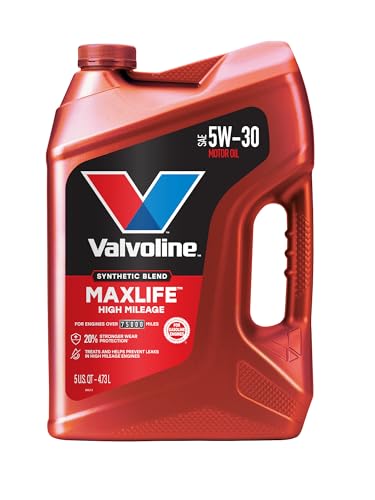
Valvoline MaxLife High Mileage 5W-30 Synthetic Blend Motor Oil 5 Quart
Formulated for engines with 75,000 miles or more, Valvoline MaxLife High Mileage synthetic blend is formulated with seal…
As an affiliate, we earn on qualifying purchases.
As an affiliate, we earn on qualifying purchases.