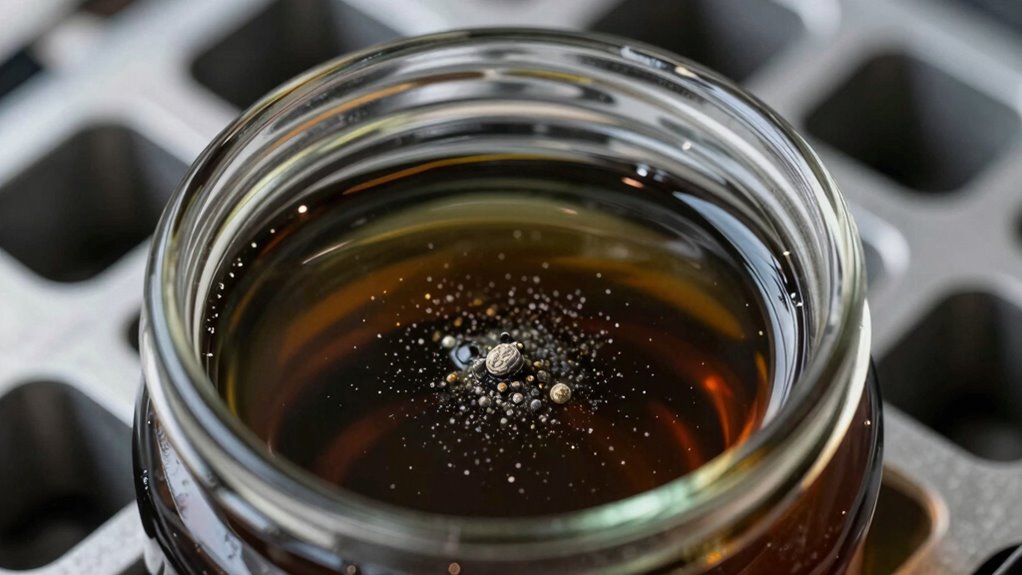

SAPS (Sulfated Ash, Phosphorus, and Sulfur) levels in motor oils indicate how much residue forms after combustion, which can cause deposits and clog filters. Low ash oils reduce ash buildup and improve emissions, but they may lack certain additives needed for some engines. Understanding your engine’s needs helps you decide if low ash oil is right for you. Keep exploring to learn which oils best support your engine’s performance and longevity.
Key Takeaways
- Sulfated ash (SAPS) in engine oils can lead to deposit buildup, affecting engine performance and emissions.
- Low ash oils reduce deposits but may lack essential additives for certain engine types, risking increased wear.
- Some engines require higher ash levels to maintain proper anti-wear protection and functionality.
- Excessively low ash content can impair engine components designed to operate with specific additive levels.
- Choosing the right ash level depends on engine design, emission standards, and maintenance needs.

Lucas Oil 10115 Semi-Synthetic 2-Cycle Motor Oil – 1 Gallon
Specially formulated for any oil injection systems or premix up to 50:1
As an affiliate, we earn on qualifying purchases.
As an affiliate, we earn on qualifying purchases.
What Are SAPS and Sulfated Ash in Motor Oils?
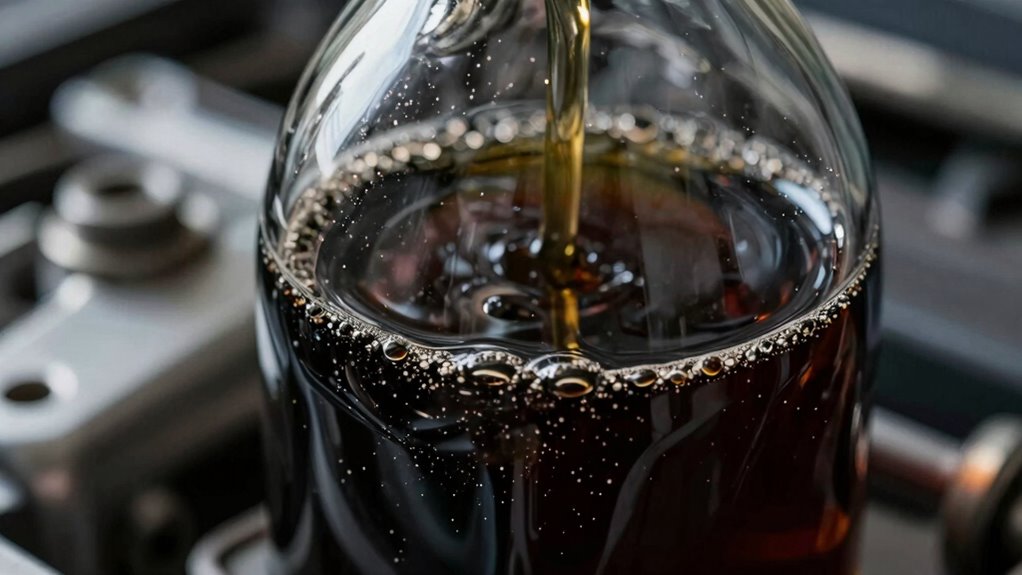
Have you ever wondered what SAPS and sulfated ash actually are in motor oils? SAPS stands for Sulfated Ash, Phosphorus, and Sulfur, which are additives in engine oil that help with performance, cleaning, and wear protection. Sulfated ash is a residue left behind when oil additives burn off during engine operation. It’s created when components like detergents and anti-wear agents break down. These deposits can accumulate in your engine over time, especially in diesel engines. While they serve essential functions, too much sulfated ash can cause problems like clogging filters or forming deposits that hinder engine efficiency. Understanding these components helps you choose the right oil for your vehicle’s needs and avoid potential issues caused by excess buildup. SAPS components can influence how additives interact with different engine types, impacting overall performance. Additionally, advancements in oil formulation aim to reduce sulfated ash content to promote cleaner engine operation. Proper oil selection based on sulfated ash levels can extend engine life and improve efficiency. Recognizing the impact of sulfated ash on long-term engine health can help consumers make more informed choices about motor oil options.

Shell Rotella T5 Synthetic Blend 15W-40 Diesel Engine Oil, 1 Gallon (3 Pack)
Synthetic blend 15W-40 diesel engine oil with Triple Protection Plus technology protects against wear, deposits, and oil breakdown
As an affiliate, we earn on qualifying purchases.
As an affiliate, we earn on qualifying purchases.
What Does Low Ash Oil Mean for Your Engine?
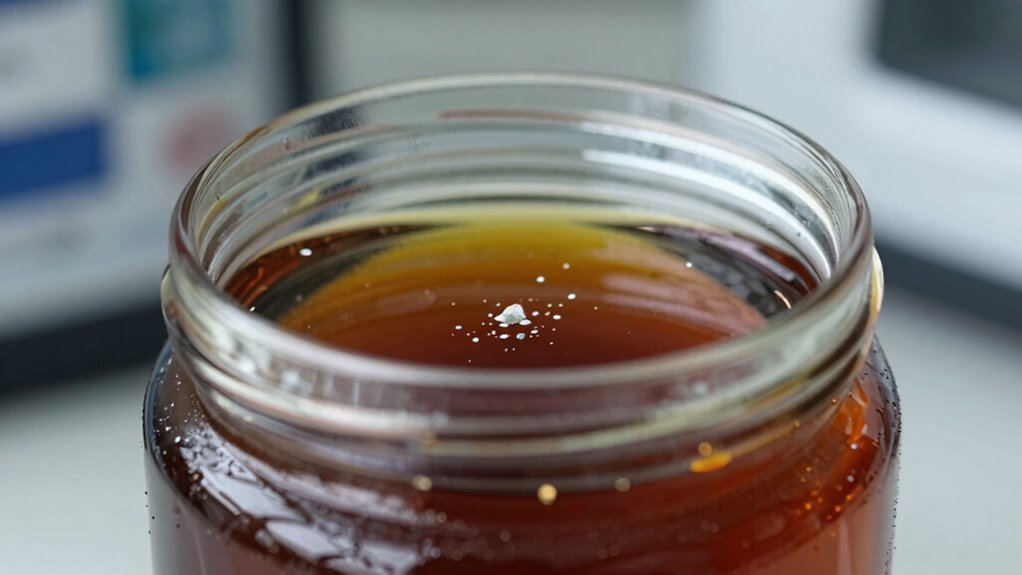
Using low ash oil can benefit your engine by reducing the buildup of deposits that can impair performance. Less deposit formation helps maintain cleaner engine parts, improves fuel efficiency, and prolongs engine life. Additionally, selecting the appropriate oil type can help prevent issues related to engine deposits. Proper oil formulation also plays a role in maintaining emissions system performance. However, low ash oils may lack certain additives suited for specific engines or conditions. It’s important to understand their implications:
| Benefit | Consideration | Suitable For |
|---|---|---|
| Reduced deposit buildup | May have fewer anti-wear additives | Modern engines with low ash requirements |
| Improved cleanliness | Not ideal for older engines | Vehicles using emissions systems |
| Longer oil change intervals | Possible reduced protection | Engines with standard maintenance schedules |
Choosing the right low ash oil guarantees your engine stays clean without sacrificing protection. Recognizing how engine modifications interact with oil properties can help you select the best option for your vehicle. Proper understanding of ash content can also assist in optimizing engine performance and longevity.
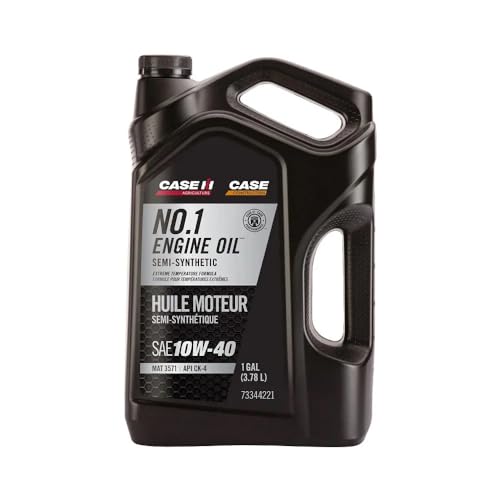
CNH 10W40 CK-4 Engine Oil 1 Gallon
Best-in-class "Oxidation and Deposit Control" (37% higher resistance to oxidation vs. competition) Extended drain intervals for longer engine…
As an affiliate, we earn on qualifying purchases.
As an affiliate, we earn on qualifying purchases.
How Does Ash Content Affect Engine Performance and Emissions?
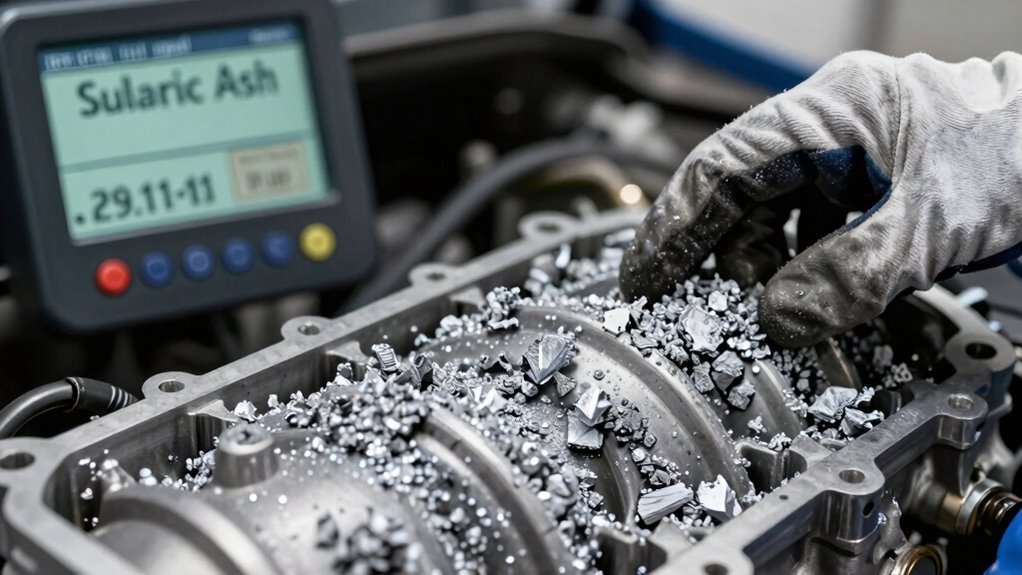
Ash content in engine oil directly influences both engine performance and emissions. Higher ash levels can lead to increased deposit buildup on valves, pistons, and other components, reducing efficiency and potentially causing knocking or rough operation. Elevated ash also contributes to soot formation, which can clog filters and sensors, raising emissions and harming catalytic converters. Conversely, low ash oils help keep emissions cleaner and reduce deposit formation, supporting smoother engine operation. However, reducing ash content too much may compromise additive protection, affecting wear resistance and oil longevity. Additionally, ash reduction techniques are important for maintaining optimal engine health. Proper formulation of low ash oils involves balancing additive chemistry to prevent excessive wear while minimizing deposits. Maintaining the right ash level is crucial because both excessive and insufficient ash can negatively impact engine durability and efficiency. Understanding ash content helps in selecting the appropriate oil for specific engine types and operating conditions, ensuring optimal performance and compliant emissions. Recognizing the importance of oil additive formulations can help prevent unforeseen engine issues. Thus, balancing ash levels is essential: too high can harm emissions and performance, while too low may weaken engine protection. Selecting the right oil depends on your engine type and driving conditions, ensuring optimal performance and compliant emissions.

Liqui Moly MoS2 Anti-Friction Engine Treatment | 300 ml | Oil additive | SKU: 2009
Motor oil additive – Liqui Moly MoS2 anti-friction (300 ml. Can).Fit Type: Universal
As an affiliate, we earn on qualifying purchases.
As an affiliate, we earn on qualifying purchases.
Are Low Ash Oils Suitable for Modern Engines?

Are low ash oils a good fit for modern engines? It depends on your vehicle’s design and emissions standards. Many newer engines, especially those with advanced after-treatment systems like catalytic converters and diesel particulate filters, benefit from low ash oils. These oils reduce the buildup of ash deposits that can clog filters and impair performance. Additionally, embracing diversity in industry standards ensures that consumers select the most appropriate oil for their specific engine needs. Using a suitable oil formulation can help extend engine life and optimize performance. Proper oil compatibility is essential to prevent issues such as sludge formation or additive conflicts. Moreover, understanding SAPS levels can guide you in choosing the right oil for your engine’s requirements. However, not all engines require low ash formulations; some older engines need higher ash levels for proper lubrication and wear protection. Using a low ash oil where it’s not recommended could lead to increased engine wear or reduced efficiency. Always check your vehicle manufacturer’s specifications before choosing an oil. While low ash oils are advantageous for modern emissions systems, they’re not universally suitable for every engine type. Understanding engine oil classifications helps in making informed decisions tailored to your vehicle.
How to Choose the Best Engine Oil for Your Vehicle
Choosing the right engine oil for your vehicle starts with understanding its specific needs and matching them to the oil’s properties. Check your owner’s manual for recommended viscosity grades, such as 5W-30 or 0W-20, which guarantee proper flow at various temperatures. Consider your driving conditions—heavy loads, short trips, or extreme temperatures may require different formulations. Look at the oil’s specifications for additives, like detergents or dispersants, that suit your engine’s requirements. If your vehicle is newer, synthetic oils might provide better protection and efficiency. Conversely, older engines may benefit from oils with specific additives to reduce wear. Always choose trusted brands that meet industry standards, such as API SN or SN Plus, to ensure excellent performance and longevity. Understanding oil specifications can help you make more informed choices for your vehicle’s engine health. Content formats like videos or articles can help you better understand the complex aspects of oil selection.
Frequently Asked Questions
How Do SAPS and Ash Levels Impact Engine Longevity?
Higher SAPS and ash levels can actually safeguard your engine by reducing wear and buildup, which helps extend its lifespan. Low ash oils may cause deposits and increased wear over time. You should choose oil based on your engine’s specifications and operating conditions, rather than solely aiming for low ash content. Proper oil selection ensures your engine stays cleaner, runs smoothly, and lasts longer.
Can Low Ash Oils Cause Engine Wear Over Time?
You might think low ash oils are always better, but they can cause engine wear over time. Without enough ash to protect your engine’s parts, especially during high-stress conditions, the metal surfaces may wear faster. Think of it like a knight without armor—your engine’s essential components need proper protection. Using the right oil for your engine’s needs ensures longevity, so don’t overlook the importance of balanced additives.
What Industries Benefit Most From Low Ash Oil Formulations?
You benefit most from low ash oil formulations if you’re in industries like automotive, marine, or heavy-duty machinery. These sectors require cleaner engines and emissions compliance, making low ash oils ideal for reducing deposits and soot buildup. By using these oils, you help maintain engine efficiency, extend service intervals, and meet strict environmental standards. So, if you want peak performance and longevity, low ash formulations are often the best choice for your equipment.
How Does Ash Content Influence Oil Recycling and Disposal?
You might not realize it, but ash content directly impacts your oil recycling and disposal efforts. Higher ash levels can lead to more residue, making recycling more challenging and increasing waste disposal costs. Conversely, low-ash oils produce cleaner burn residues, simplifying recycling processes. So, paying attention to ash content helps you manage environmental impact better, ensuring your oil disposal remains efficient and eco-friendly.
Are There Regulatory Standards for Sulfated Ash in Motor Oils?
Yes, there are regulatory standards for sulfated ash in motor oils. These standards set maximum limits to guarantee oils don’t produce excessive ash, which can harm emissions systems and engine components. You should check the specifications on oil labels or product datasheets to confirm compliance with these standards. Staying within regulated limits helps protect your engine and the environment, ensuring peak performance and longevity.
Conclusion
Understanding SAPS and sulfated ash helps you choose the right oil for your engine’s health. While low ash oils seem appealing, they aren’t always better, especially for modern engines requiring specific formulations. Did you know that the global engine oil market is projected to reach over $126 billion by 2027? Make an informed choice by considering your vehicle’s needs—your engine’s performance and longevity depend on it. Don’t just go for low ash; pick judiciously for ideal results.