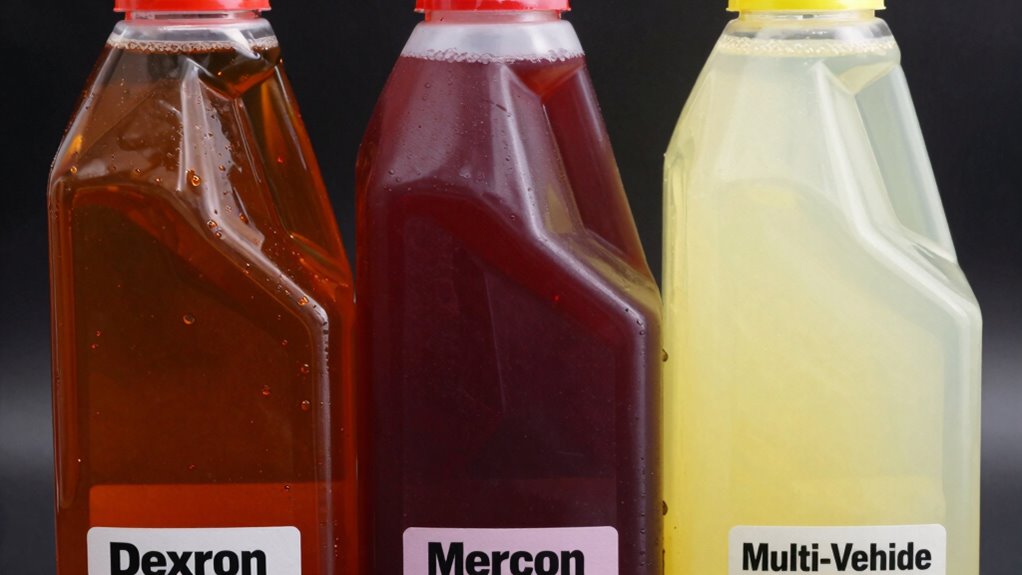

If you’re choosing between Dexron, Mercon, and multi-vehicle ATFs, you should know they differ mainly in their additive formulas and compatibility with specific transmissions. Dexron is commonly used in GM vehicles, Mercon in Ford models, and multi-vehicle fluids aim for broader compatibility. Using the wrong type can cause shifting issues or damage, so it’s best to follow your manufacturer’s recommendations. To guarantee peak performance, understanding these differences will help you make a smarter choice.
Key Takeaways
- Dexron and Mercon are proprietary ATF formulations developed by General Motors and Ford, respectively, with specific additive packages.
- Multi-vehicle ATFs are designed to meet multiple standards but may lack the tailored performance of brand-specific fluids.
- Dexron VI offers improved oxidation stability and wear protection over earlier Dexron III versions.
- Mercon V provides enhanced friction control suited for modern Ford transmissions, differing from older Mercon formulations.
- Using the correct ATF type as per manufacturer specifications ensures optimal transmission performance and longevity.

OBD2 Scanner, MUCAR 632 Elite AI-Assisted OBD2 Bidirectional Scan Tool, Oil/Throttle/SAS/TPMS/BMS/EPB Car Scanner Diagnostic Tool with 15+ Resets, CANFD Protocol, Autoauth for FCA SGW, Lifetime Update
【No Subscription Fees = Lifetime Free Updates Included】Many diagnostic tools provide only 2–3 years of free updates before...
As an affiliate, we earn on qualifying purchases.
What Are the Main Types of Automatic Transmission Fluids?

Automatic transmission fluids (ATFs) come in several main types, each formulated to meet specific vehicle requirements. The most common are Dexron, Mercon, and multi-vehicle fluids. Dexron, developed by General Motors, is designed for GM transmissions but is also compatible with other vehicles that specify Dexron standards. Mercon, created by Ford, caters to Ford transmissions but can sometimes be used in other compatible systems. Multi-vehicle ATFs are formulated to meet the needs of various automatic transmissions, offering broader compatibility. These fluids differ in additives, viscosity, and performance characteristics to match specific transmission designs and operating conditions. Understanding fluid specifications is crucial for selecting the proper ATF, as it can impact transmission health and performance. Additionally, compatibility considerations ensure that the chosen fluid does not adversely affect transmission components. Choosing the right type guarantees proper lubrication, shifting performance, and transmission longevity. Always check your vehicle’s manual for the recommended ATF type before making a selection.

3L Brake Bleeder Kit, Manual Brake Bleeder Vacuum Pump Kit, Brake Fluid Bleeder Kit With 1l Brake Bleeder Bottle And 4 Master Cylinder Adapters, Brake Bleeding Kit Suitable for Most Vehicles
ONE MAN BRAKE BLEEDER KIT - Achieve professional-grade brake maintenance with our 3L vacuum brake bleeder kit—your ultimate...
As an affiliate, we earn on qualifying purchases.
Which Vehicles Use Dexron and When Should You Use It?
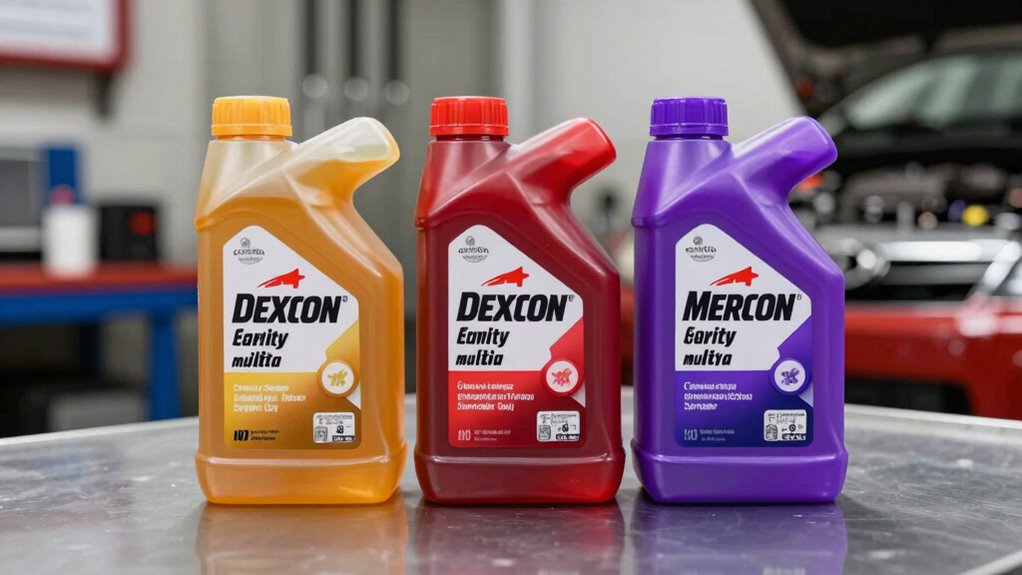
If your vehicle specifies Dexron transmission fluid, it’s vital to use it to guarantee peak performance and protection. Dexron is designed for specific transmissions, mainly GM models, but also some others. Using the correct fluid ensures smooth shifting, prevents wear, and maintains transmission longevity. Check your owner’s manual for the exact Dexron version required, such as Dexron III or Dexron VI. Many vehicles built before 2010 are compatible with Dexron III, while newer models often specify Dexron VI. Here’s a quick overview:
| Vehicle Type | Recommended Dexron Version | When to Use |
|---|---|---|
| GM Vehicles (pre-2010) | Dexron III | During transmission service |
| GM Vehicles (2010+) | Dexron VI | For best performance |
| Other Automakers | Check manual | Confirm compatibility |
| Used Transmissions | When replacing fluid | Guarantee proper lubrication |
| General Maintenance | At scheduled intervals | Maintain transmission health |
Additionally, using the correct transmission fluid can help prevent potential damage and costly repairs down the line. Choosing the right fluid is essential for ensuring your transmission operates smoothly and lasts longer. Maintaining proper fluid levels and quality is equally important for optimal transmission function.

Orion Motor Tech Coolant Pressure Tester Kit, 26pc Coolant Vacuum Refill Kit with 18 Radiator Adapters, Radiator Cooling System Pressure Tester & Filler Kit with Vacuum Pump Vacuum Purge & Refill Tool
Comprehensive Set: Easily handle pressure leak testing and coolant refilling with Orion Motor Tech's 26 pc. cooling system...
As an affiliate, we earn on qualifying purchases.
When Is Mercon-Grade ATF Recommended for Your Transmission?
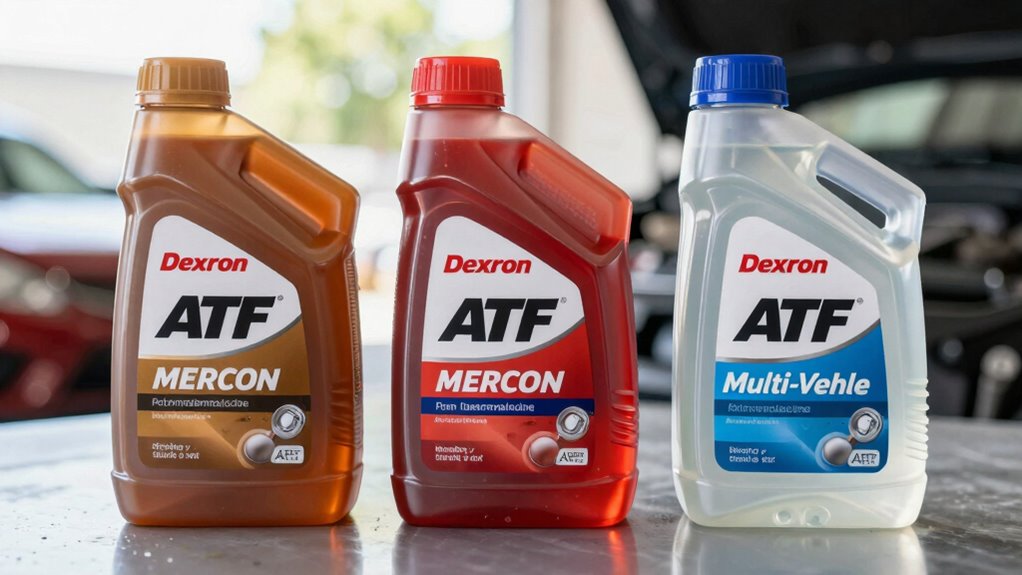
Mercon-grade ATF is recommended whenever your vehicle’s manufacturer specifies it for ideal transmission performance. If your owner’s manual calls for Mercon or Mercon V, stick with this type of fluid. It’s formulated to meet the specific requirements of transmissions designed for Mercon standards, ensuring excellent shifting, lubrication, and longevity. Using Mercon-grade ATF is especially important for older Ford transmissions, which often specify this fluid. Even if your vehicle is labeled as “multi-vehicle,” always verify the manufacturer’s recommendation before choosing Mercon. This ensures your transmission operates smoothly and prevents damage caused by incompatible fluids. Additionally, understanding different ATF families helps you make informed choices and maintain your vehicle’s performance. Recognizing the specific standards set by manufacturers can further assist in selecting the most suitable transmission fluid. When in doubt, consult your vehicle’s manual or a professional mechanic to confirm that Mercon-grade ATF is suitable for your transmission.
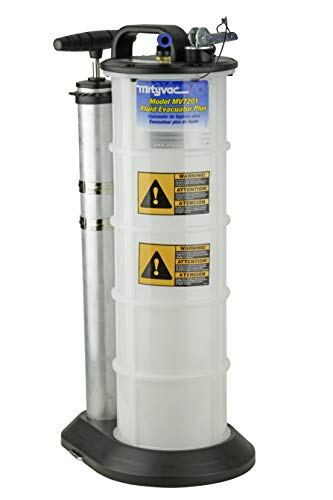
Mityvac 7201 2.3 Gallon Fluid Evacuator Extractor and Dispensing Pump, Push Button, Manual Operation, Chemical-Resistant Polyethylene, Automatic Overflow Prevention, Quick-Drain Spout, Large Base
DUAL-FUNCTION FLUID EVACUATOR AND DISPENSER: The Mityvac 7201 combines fluid extraction and dispensing in one convenient tool, making...
As an affiliate, we earn on qualifying purchases.
How Do Dexron, Mercon, and Multi-Vehicle ATFs Differ in Composition?
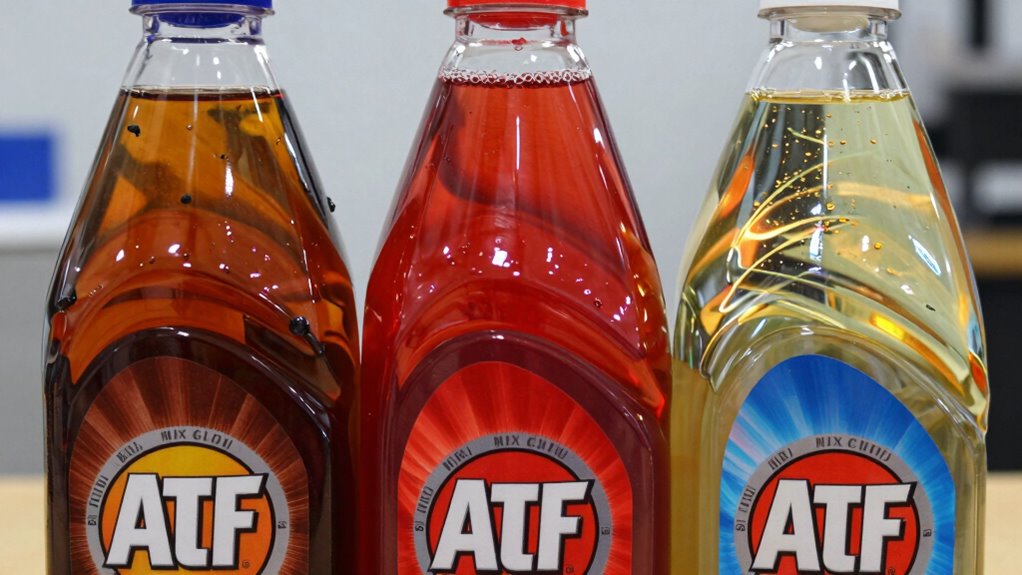
The composition of Dexron, Mercon, and Multi-Vehicle ATFs varies to meet different transmission requirements and performance standards. Dexron fluids typically contain specific additives that enhance oxidation stability and wear protection, tailored for General Motors transmissions. Mercon fluids include unique friction modifiers designed for Ford transmissions, emphasizing low-temperature performance and smooth shifting. Multi-Vehicle ATFs combine elements from both Dexron and Mercon, along with additional proprietary additives to verify compatibility across multiple brands and models. They often feature balanced viscosity, anti-oxidation agents, and anti-wear compounds to handle diverse transmission demands. These compositional differences verify each fluid provides optimal lubrication, friction control, and durability suited to the specific needs of the transmission systems they’re designed for. Additionally, piercing care and hygiene are important aspects of maintaining body health and preventing infections.
Is Multi-Vehicle ATF Suitable for All Transmission Types?
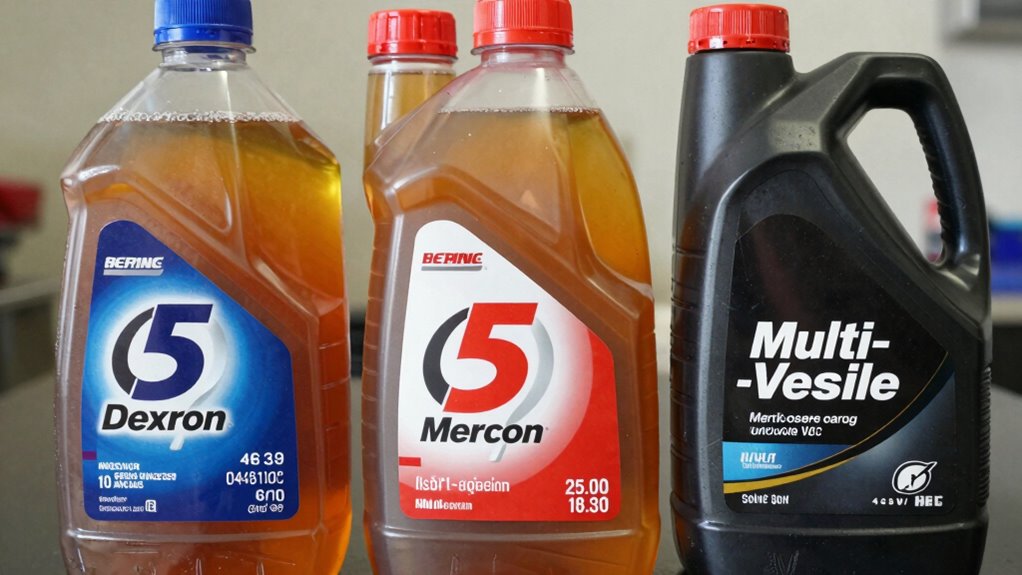
You might wonder if Multi-Vehicle ATF works with all transmission types, but compatibility isn’t universal. Performance can vary depending on your vehicle, and using the wrong fluid may cause issues. Always check manufacturer recommendations and warnings before switching to a Multi-Vehicle ATF. Additionally, understanding latest trends in Russian markets can help you stay informed about new automotive fluid developments and regulations. Staying updated on automotive fluid standards can also ensure you choose the right ATF for your specific needs, especially as regional industry regulations evolve. Being aware of SSD organization tips for audio production can help when sourcing compatibility information for different vehicle systems.
Compatibility With Transmission Types
Multi-vehicle ATF is designed to work with a wide range of transmission types, making it a convenient choice for many vehicles. It’s formulated to meet general specifications across different makes and models, including automatic transmissions, some CVTs, and even some manual gearboxes. However, not all transmissions are compatible with multi-vehicle ATF. Certain high-performance or specialized transmissions require specific fluid formulations to guarantee ideal operation and longevity. Using the wrong type of ATF can lead to shifting issues, increased wear, or damage. Always consult your vehicle’s owner’s manual before choosing a transmission fluid. Additionally, transmission compatibility involves understanding the unique requirements of your vehicle’s transmission system, ensuring the selected fluid supports optimal performance. While multi-vehicle ATF offers versatility, it’s essential to verify that it meets your transmission’s specific requirements for compatibility and performance. Understanding transmission compatibility is crucial to ensure optimal vehicle operation and prevent potential damage.
Performance Variability Concerns
While multi-vehicle ATF offers convenience and broad compatibility, its performance can vary markedly depending on the transmission type. Some transmissions may function smoothly with it, while others might experience shifting issues or reduced longevity. It’s vital to take into account your vehicle’s specific needs before opting for a multi-vehicle formula. The table below highlights how different transmission types respond to multi-vehicle ATF:
| Transmission Type | Performance Concerns |
|---|---|
| Older Automatic | May experience delayed shifts or slip |
| Modern Automatic | Generally compatible but check specs |
| CVT (Continuously Variable Transmission) | Not always suitable; may cause damage |
| Manual Transmissions | Usually unaffected but verify manufacturer advice |
| Heavy-Duty Transmissions | May require specialized fluids for ideal performance |
Always verify compatibility to avoid potential issues. Water-related factors like water contamination can also impact transmission fluid performance and longevity, especially in extreme weather conditions. Additionally, transmission fluid formulations are designed to meet specific standards, so choosing the appropriate type is essential for optimal performance.
Manufacturer Recommendations and Warnings
Manufacturers often specify particular ATF types to guarantee ideal transmission performance and longevity. It’s vital to follow these recommendations because using the wrong fluid can cause shifting issues, increased wear, or even transmission failure. While Multi-Vehicle ATFs claim broad compatibility, not all transmissions respond well to them. Some manufacturers warn against using multi-purpose fluids in their specific models, emphasizing that their designed ATF ensures maximum lubrication and protection. Always check your vehicle’s owner’s manual before choosing an ATF. If a manufacturer recommends Dexron or Mercon, using a Multi-Vehicle formula without confirmation might void warranties or lead to damage. Additionally, understanding spiritual guidance can help in making confident decisions regarding vehicle maintenance. In short, adhere to the manufacturer’s guidance to maintain transmission health and avoid costly repairs.
How Do You Choose the Right ATF for Your Vehicle?

Choosing the right automatic transmission fluid (ATF) starts with checking your vehicle’s owner’s manual. This manual provides essential specifications and recommendations specific to your car. Once you have that, consider these key steps:
- Identify the Original ATF Type: Find out whether your vehicle needs Dexron, Mercon, or a multi-vehicle formulation. Knowing the original ATF type helps prevent compatibility issues.
- Check Compatibility: Ensure the fluid you choose matches the manufacturer’s specifications to prevent transmission issues. Using incompatible fluids can lead to costly repairs.
- Consider Driving Conditions: If you drive in extreme temperatures or heavy-duty conditions, selecting a fluid suited for those circumstances can improve performance and longevity. Additionally, understanding your vehicle’s transmission needs can help you make informed choices that enhance safety and reliability. Being aware of ATF families and their unique properties can further assist in selecting the best fluid for your driving environment. For instance, some fluids are formulated to perform better under high-temperature conditions, extending transmission life.
Can You Mix Different Transmission Fluids, and What Are the Risks?

Mixing different types of transmission fluids is generally not recommended because it can cause chemical reactions that impair the transmission’s performance. When you combine fluids with different formulations, they may not blend properly, leading to reduced lubrication, increased wear, or even damage to transmission components. Some fluids contain additives that are incompatible with others, which can break down over time and compromise the fluid’s protective qualities. Even if the fluids look similar, their chemical properties might differ enough to cause issues. To avoid risking costly repairs or decreased transmission lifespan, always stick to the manufacturer’s recommended fluid type and avoid mixing brands or types unless explicitly stated as compatible. Understanding transmission fluid compatibility is crucial for maintaining optimal transmission health. Additionally, fluid formulation differences can significantly impact how well the transmission functions over time. Chemical incompatibility can lead to the formation of sludge or precipitates that hinder proper fluid flow. Proper maintenance ensures your transmission runs smoothly and lasts longer, emphasizing the importance of using the right transmission fluid type for your vehicle. Regularly checking your vehicle’s appliance maintenance plan can help you stay on top of fluid changes and prevent issues before they arise.
Frequently Asked Questions
Are There Any Compatibility Issues With Aftermarket ATF Brands?
You may encounter compatibility issues with aftermarket ATF brands if they don’t meet your vehicle manufacturer’s specifications. Using an incompatible fluid can cause shifting problems, transmission wear, or damage. Always check your owner’s manual and look for the correct standards, like Dexron or Mercon, before choosing an aftermarket fluid. When in doubt, stick with trusted brands that specify compatibility with your vehicle to guarantee maximum performance and longevity.
How Often Should Transmission Fluid Be Replaced in Different Vehicles?
You should change your transmission fluid roughly every 30,000 to 60,000 miles, but it varies by vehicle. Some newer models have sealed transmissions, so check your owner’s manual for specific guidance. Regular maintenance helps keep your transmission running smoothly and prevents costly repairs. If you notice slipping or shifting issues, it’s a good idea to have the fluid examined sooner. Staying proactive ensures your vehicle stays in top shape longer.
Can Using the Wrong ATF Cause Transmission Damage?
Using the wrong ATF can cause serious transmission damage. It might lead to improper shifting, increased wear, or even transmission failure. Always check your vehicle’s owner’s manual to guarantee you’re using the correct fluid type. If you accidentally use the wrong one, replace it with the proper ATF as soon as possible. Regularly maintaining and using the right fluid helps keep your transmission running smoothly and extends its lifespan.
Are Synthetic ATFS Compatible With All Transmission Types?
Sure, synthetic ATFs are the Swiss Army knives of transmission fluids, right? They’re generally compatible with many transmission types because they’re designed to outperform conventional fluids. However, don’t toss your manual out just yet; always check your vehicle’s specifications. Some older transmissions might not love synthetic formulas, leading to potential issues. So, while they’re versatile, it’s best to confirm compatibility before pouring.
What Are the Signs That Your Transmission Fluid Needs Changing?
You’ll know it’s time to change your transmission fluid if your car shifts roughly, slips gears, or makes grinding noises. You might also notice a burning smell or see dark, dirty fluid on the dipstick. If your transmission is slow to respond or the fluid level is low, it’s a sign that fresh fluid is needed. Regular checks help prevent costly repairs and keep your transmission running smoothly.
Conclusion
Choosing the right ATF is like finding the perfect key for a lock—you need the right match to keep everything running smoothly. Understanding the differences between Dexron, Mercon, and multi-vehicle fluids helps you avoid costly mistakes and keeps your transmission humming like a well-tuned orchestra. When in doubt, consult your vehicle’s manual or a trusted mechanic. After all, using the correct fluid is the secret sauce to a long-lasting, reliable transmission.