
Using “universal” ATF might seem convenient, but it’s risky because not all products meet your vehicle’s specific needs or industry standards. Labels can be misleading, and a fluid designed for multiple makes may not match your transmission’s required chemistry, viscosity, or additive package. Relying solely on the label can cause compatibility issues, wear, or even damage. To guarantee your transmission stays healthy, it’s important to understand what makes a fluid suitable—more details come next.
Key Takeaways
- Labels may claim broad compatibility but often do not specify the exact chemical formulation required for your vehicle.
- Different transmissions need specific additive packages and viscosity levels, which universal ATFs might not provide.
- Using an incompatible fluid can cause improper lubrication, increased wear, and potential transmission damage.
- “Universal” labels can be misleading; verifying chemical composition and manufacturer specifications is essential.
- Relying solely on labels without understanding vehicle requirements risks early failure or costly repairs.

Valvoline MaxLife Multi-Vehicle ATF Full Synthetic Automatic Transmission Fluid 1 Gallon
For use in 95% of vehicles including most CVTs in operation with US registered light duty applications
As an affiliate, we earn on qualifying purchases.
As an affiliate, we earn on qualifying purchases.
What Is Universal ATF, and Why Do Manufacturers Promote It?
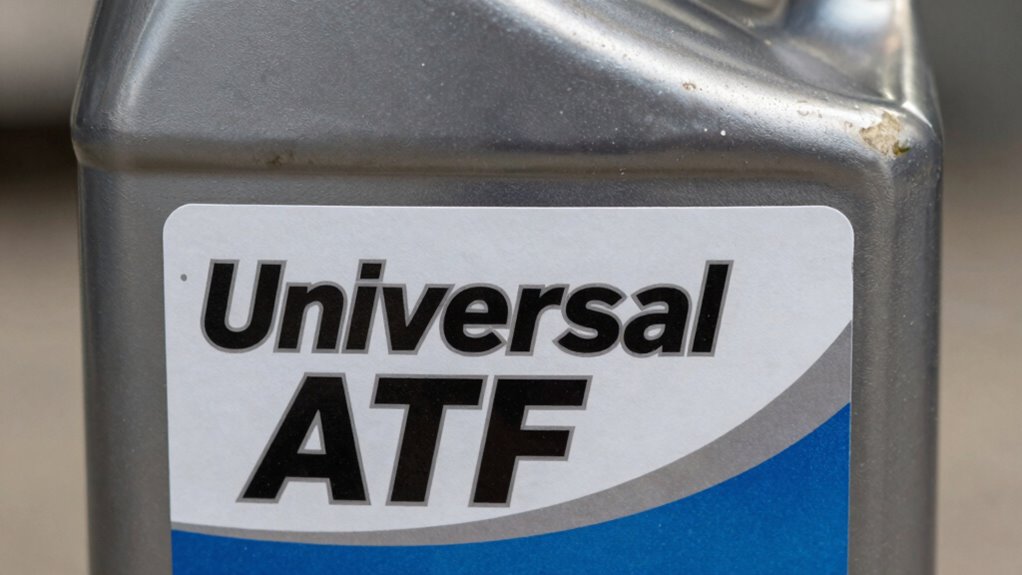
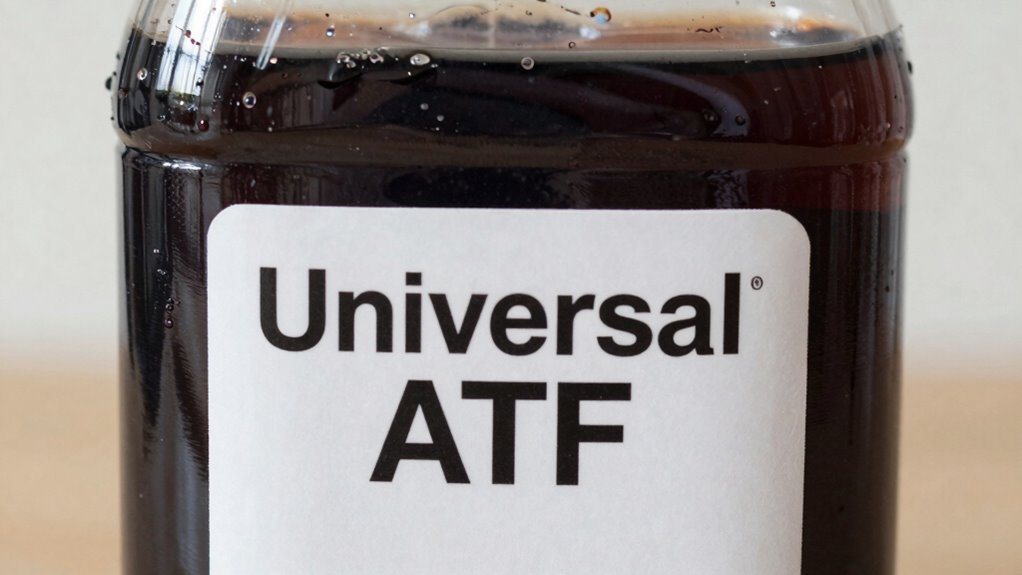
Universal ATF is a type of automatic transmission fluid designed to work across multiple vehicle makes and models. Manufacturers promote it because it simplifies inventory and maintenance, allowing drivers to use one fluid for various vehicles. You’ll notice manufacturer labels on these products claiming compatibility with many transmissions, but it’s vital to check the specific fluid chemistry. Different transmissions require particular additive packages and viscosity levels, which may not be reflected on generic labels. While universal ATF aims to provide convenience, understanding the underlying fluid chemistry helps you determine if it truly meets your vehicle’s needs. Relying solely on manufacturer labels can be misleading if the fluid chemistry isn’t compatible with your transmission’s requirements. Additionally, fluid chemistry compatibility plays a crucial role in ensuring optimal transmission performance and longevity. Recognizing manufacturer label claims without verifying chemical specifications can lead to transmission issues over time. Being aware of transmission specifications can help prevent costly repairs and ensure smooth operation. Furthermore, understanding transmission fluid chemistry can help you choose the right product for your specific vehicle, reducing the risk of damage caused by incompatible fluids. Knowing how fluid chemistry impacts transmission health emphasizes the importance of selecting the correct fluid for long-term reliability.

TRIAX ULV ATF Full Synthetic, Ultra Low Viscosity, Automatic Transmission Fluid | for Dexron ULV, Mercon ULV, Many 10 & 8 and 9 Speed, Nissan Matic P, JATCO 9 Speed (1 Gallon)
Widely compatible with a huge range of vehicles and specifications including: Dexron ULV, Mercon ULV, Nissan Matic P,…
As an affiliate, we earn on qualifying purchases.
As an affiliate, we earn on qualifying purchases.
What Are the Risks of Using Universal Transmission Fluid?
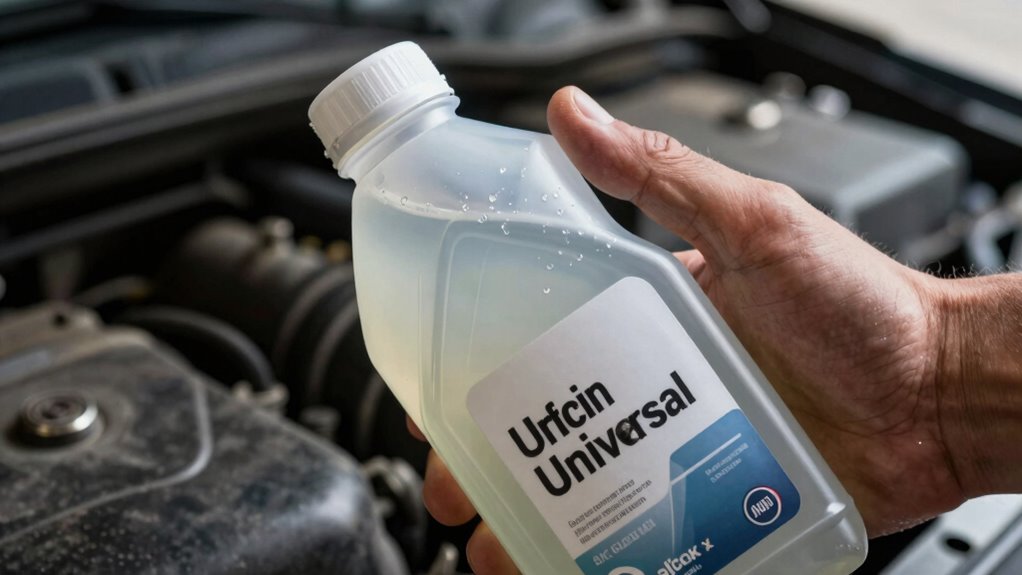
Using universal transmission fluid can lead to compatibility issues, increasing the risk of damage to your vehicle’s transmission. If the fluid isn’t designed specifically for your make and model, it might not lubricate or protect properly. In worst cases, this can even cause engine damage that’s costly to repair. Additionally, neglecting to consider compatibility issues can undermine your vehicle’s overall resilience and longevity. To ensure proper function, it’s important to use fluids that meet the specifications outlined by your vehicle manufacturer, including understanding airless paint spraying tips and appropriate gear choices. Moreover, choosing the right transmission fluid type tailored for your vehicle helps maintain optimal performance and prevents potential failures. Regularly inspecting your body jewelry measurements and materials can also help prevent issues caused by incompatible or low-quality products. Being aware of regulatory standards related to transmission fluids can further protect your vehicle from subpar products that could cause long-term damage.
Compatibility Concerns Increase Risks
While the idea of a single transmission fluid working across multiple vehicle makes and models sounds convenient, it can introduce significant risks. Universal ATFs often claim compatibility, but they may not match the specific requirements of your transmission. Synthetic blends with additive benefits are designed for particular systems, ensuring peak performance. Using a universal formula might cause improper lubrication or inadequate friction properties, leading to increased wear or early failure. Modern transmissions have unique fluid demands, and mixing incompatible additives can disrupt hydraulic function. Even if the label claims broad compatibility, differences in formulation can create issues over time. Compatibility issues can arise from using a generic fluid, which may not meet the precise standards of your vehicle’s transmission. Relying on a one-size-fits-all fluid increases the chances of misfit, ultimately risking costly repairs or damage to your transmission.
Potential Engine Damage
Applying a transmission fluid not specifically designed for your engine can lead to serious damage. Universal ATFs often contain synthetic blends and additive formulations that aren’t tailored to your vehicle’s requirements. These formulas may not provide the right lubrication or friction properties, causing increased wear on transmission components. Over time, this can lead to slipping, overheating, or even complete transmission failure. In some cases, incompatible additives can degrade seals or cause corrosion, risking engine damage that extends beyond the transmission. Even if the label looks correct, the chemical balance might be off for your engine’s specific needs. Using the wrong fluid compromises performance and can result in costly repairs, making it essential to stick with manufacturer-recommended transmission fluids.

Transmission Fluid Tester Kit Gasoline & Diesel Gearbox Oil Diagnostic Tool High-Precision Diagnostic Analysis Tool with 31.5in Probe Transmittance/Temperature Testing, 2.8in Display (4 Batteries)
【WHY NEED IT】Our transmission fluid tester features an advanced optical probe that measures light transmittance within the transmission…
As an affiliate, we earn on qualifying purchases.
As an affiliate, we earn on qualifying purchases.
Why Do Transmissions Need Their Own Specific Fluids?
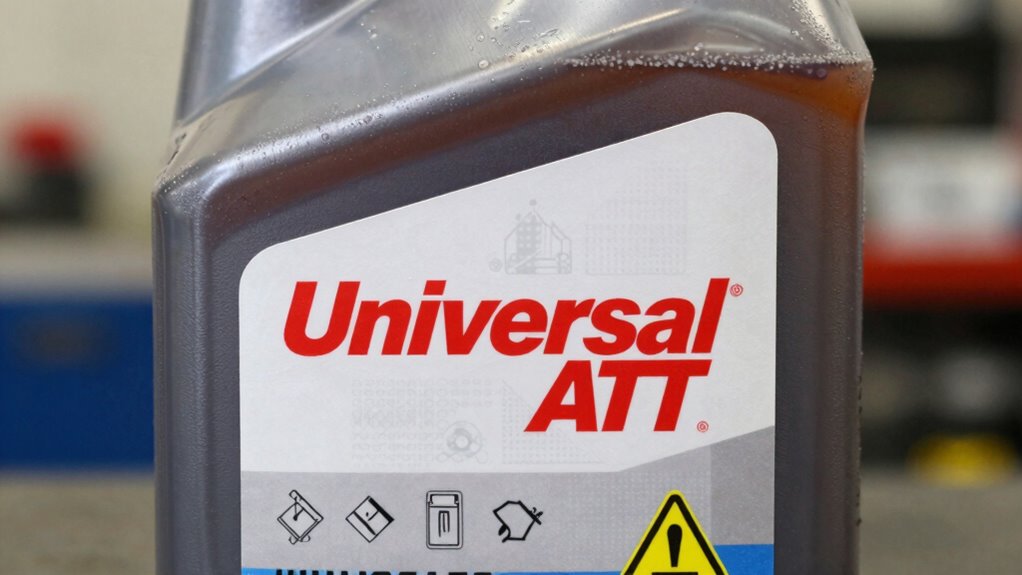
Transmissions require their own specific fluids because they operate under unique conditions that general-purpose fluids can’t handle effectively. These fluids need the right fluid viscosity to guarantee smooth operation and proper lubrication. If the viscosity is too high or too low, it can cause slipping, sluggish shifts, or overheating. Additionally, transmission seals depend on specialized fluids to prevent leaks and maintain pressure. A fluid formulated for a specific transmission type ensures that seals stay flexible and effective, reducing the risk of fluid leaks. Using the wrong fluid can compromise these seals and lead to costly repairs. Because each transmission has different requirements, selecting a fluid designed for your specific model is vital for peak performance and longevity.
manufacturer recommended ATF
As an affiliate, we earn on qualifying purchases.
As an affiliate, we earn on qualifying purchases.
How Can You Tell If Your Transmission Fluid Is Causing Problems?
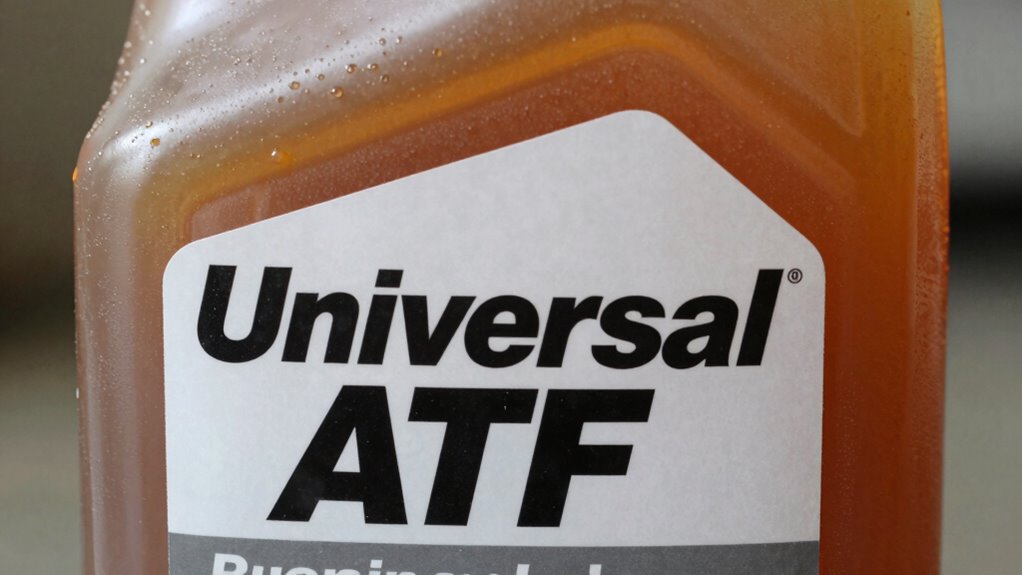
Your transmission may be sending warning signs if you notice slipping gears, delayed shifts, or unusual noises. These symptoms often indicate fluid degradation, which reduces lubrication and hydraulic pressure, impairing performance. Check for dark, burnt-smelling fluid or particles on the dipstick—it’s a sign your fluid may be breaking down. Additionally, look for signs of leak detection around the transmission pan or seals; leaks can cause fluid levels to drop, leading to problems. Low or contaminated fluid compromises the transmission’s ability to operate smoothly. Keep an eye on insulated jackets for winter that can help maintain optimal transmission temperature in cold conditions. Proper fluid maintenance is essential to prevent these issues from worsening, and understanding affiliate disclosures can help you make informed decisions about recommended products. Regular inspection of fluid condition and leak detection can help you catch issues early and keep your transmission running reliably. Being aware of fluid quality can help prevent unexpected failures and extend the lifespan of your transmission. Additionally, using the correct type of transmission fluid as specified by your vehicle manufacturer is crucial for optimal performance. If you notice these issues, it’s essential to address them promptly, as ignoring fluid problems can cause costly damage.
How Do You Choose the Right Transmission Fluid for Your Vehicle?
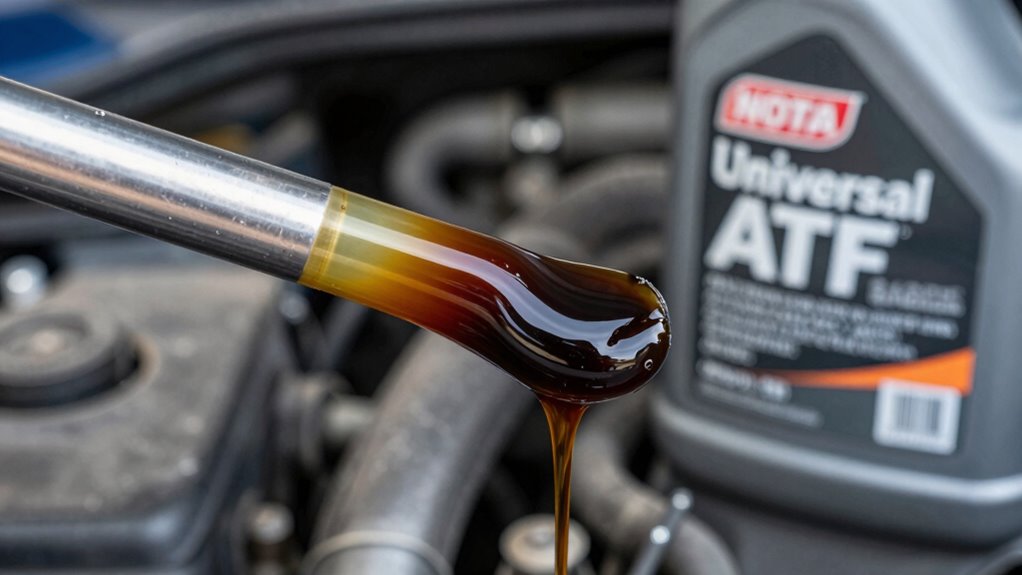
To choose the right transmission fluid, start by checking your vehicle manufacturer’s recommendations. Make sure the fluid you select is compatible with your transmission’s requirements and consider your vehicle’s age, as older models may need different types. Paying attention to these points helps guarantee ideal performance and reduces the risk of damage. Additionally, consulting waterpark safety tips can ensure proper maintenance and help prevent issues related to improper fluid selection. For instance, understanding the horsepower of electric dirt bikes can inform maintenance needs and fluid choices for optimal performance.
Manufacturer Recommendations Matter
Choosing the right transmission fluid starts with paying close attention to your vehicle manufacturer’s recommendations. Manufacturers specify exact fluid types, often including synthetic blends or particular additive formulations that optimize performance and longevity. Using the correct fluid ensures compatibility with your transmission’s materials and design, reducing wear and preventing damage. Even if a universal ATF seems convenient, it might lack the specific additives or properties your vehicle needs. Always check your owner’s manual or consult with your dealership to confirm the recommended fluid type. Following these guidelines helps maintain proper shifting, protects internal components, and preserves your transmission’s warranty. Remember, the right fluid isn’t just about labels—it’s about matching the specifications that your vehicle’s manufacturer has tested and approved.
Fluid Compatibility Checks
How can you guarantee the transmission fluid you select is compatible with your vehicle? Start by checking your owner’s manual for the recommended specifications. Look for compatible fluid types, such as synthetic blends, which can offer better performance and protection. When choosing a fluid, consider the additive effects—certain additives improve lubrication, prevent corrosion, and maintain transmission health. Avoid generic or “universal” labels without verifying compatibility, as mismatched fluids can cause shifting issues or damage. Always confirm that the fluid’s formulation matches your vehicle’s requirements, especially regarding viscosity and additive package. Doing thorough compatibility checks helps ensure your transmission operates smoothly and prolongs its lifespan, saving you money and frustration down the road.
Consider Vehicle Age
The age of your vehicle considerably influences the type of transmission fluid you should select. Older vehicles often require specific fluids designed to protect worn components and extend the transmission’s lifespan. Using the wrong fluid on a vehicle with high mileage can accelerate wear or cause shifting issues. Conversely, newer vehicles might need a synthetic or specialized formulation to optimize performance and durability. Always check your owner’s manual for recommended fluid types based on vehicle age, as manufacturers tailor their specifications to match transmission design and expected lifespan. Ignoring these guidelines risks damaging your transmission or reducing its longevity. Selecting the right fluid for your vehicle’s age ensures smoother operation and helps maximize transmission lifespan over time.
What Are Common Myths About Universal ATF?
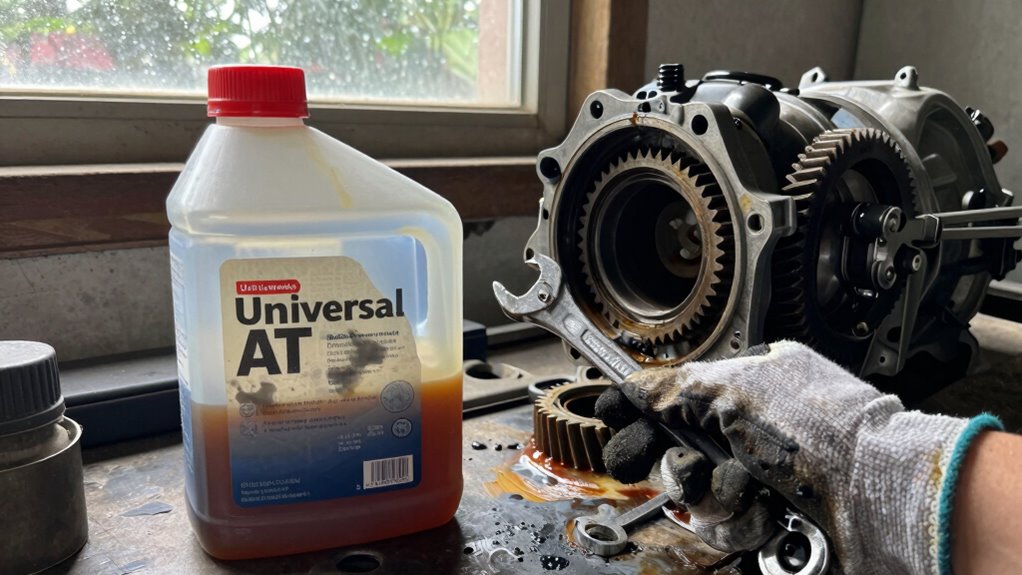
Many people believe that all universal ATFs are interchangeable and completely foolproof, but that’s a common misconception. This false belief stems from the idea that “universal” means one product fits all, which isn’t true. Common misconceptions include thinking any ATF will work for every vehicle or that they don’t need to follow manufacturer recommendations. These false beliefs can lead to transmission problems, costly repairs, or even damage. Not all ATFs meet the same standards or specifications, so using the wrong type—even if labeled “universal”—can cause issues. It’s essential to understand that transmission fluid formulas vary and that your vehicle’s specific requirements matter. Relying on these myths can put your transmission at risk and reduce its lifespan. Additionally, understanding the Free Floating nature of certain fluids and how they interact with your vehicle’s components is crucial for proper maintenance.
How Can You Maintain Your Transmission Fluid to Last Longer?

Maintaining your transmission fluid properly can considerably extend its lifespan and keep your vehicle running smoothly. One effective way is to choose high-quality fluids, like synthetic blends, which resist breakdown better than conventional options. Regularly check your fluid level and color; dark or gritty fluid signals it’s time for a change. Follow your vehicle manufacturer’s recommendations for fluid changes, typically every 30,000 to 60,000 miles, to prevent premature degradation. Using the correct type of transmission fluid guarantees ideal performance and minimizes wear. Keep an eye on fluid lifespan by monitoring signs of contamination or overheating. Proper maintenance, including timely fluid replacements, helps preserve your transmission’s health and can save you money on costly repairs down the line.
Frequently Asked Questions
Can Using the Wrong ATF Void My Vehicle’s Warranty?
Yes, using the wrong ATF can void your vehicle’s warranty. If the fluid isn’t compatible with your transmission, it can cause damage and lead to warranty concerns. Always check your owner’s manual to confirm fluid compatibility before changing or topping off your ATF. Using the correct fluid protects your transmission and keeps your warranty intact, so don’t take shortcuts with universal or generic options.
Are There Specific Signs That Indicate Fluid Incompatibility?
You can spot fluid incompatibility by checking its color and smell. If the fluid appears darker or cloudy compared to fresh ATF, that’s a red flag. Also, if it smells burnt or strange, it indicates contamination or degradation. These signs suggest the fluid isn’t suitable for your vehicle, and using it could cause damage. Always inspect your fluid regularly and replace it if you notice these warning signs.
How Often Should Transmission Fluid Be Replaced Under Normal Conditions?
You should replace your transmission fluid every 30,000 to 60,000 miles, depending on your vehicle’s maintenance schedule. Studies show that neglecting timely fluid changes can lead to costly repairs, as worn fluid compromises transmission performance. Regular fluid change intervals help prevent buildup and corrosion, ensuring smooth shifting and longevity. Stick to your maintenance schedule, check your owner’s manual, and don’t wait until you notice issues—proactive care saves money.
Do All Vehicles Truly Benefit From Universal ATF Options?
Not all vehicles truly benefit from universal ATF options because fluid compatibility varies. You should always follow manufacturer recommendations to guarantee ideal transmission performance. Universal ATF might seem convenient, but it can lack the specific additives your vehicle needs, risking damage or reduced lifespan. Check your owner’s manual first, and choose a fluid that matches your car’s specifications to maintain smooth shifting and avoid costly repairs.
What Are the Long-Term Effects of Using Generic Transmission Fluids?
Using generic transmission fluids is like pouring water into a finely tuned engine; over time, fluid degradation worsens, and additive stability declines. This can cause the transmission to wear out faster, slip, or overheat. Long-term, you risk costly repairs and reduced vehicle lifespan. Stick with quality fluids to guarantee your transmission stays smooth and reliable, rather than risking the silent deterioration that cheap fluids invite.
Conclusion
Choosing the right transmission fluid is like tuning a finely crafted instrument—every note matters. Don’t let the promise of “universal” lull you into a false sense of security; it’s a siren song that can lead to trouble. Trust your vehicle’s needs, read the labels carefully, and keep your transmission singing smoothly. After all, a well-maintained transmission is the heartbeat of your car’s performance—keep it in harmony, and enjoy the ride.