
“Lifetime” transmission fluid doesn’t mean it lasts forever. Instead, it refers to the fluid’s designed compatibility with your vehicle’s transmission system and its expected lifespan under normal conditions. Factors like driving habits, temperature, and maintenance can shorten this lifespan. Even if the label claims “lifetime,” regular checks and potential fluid changes are necessary to keep your transmission performing well. If you want to understand what truly affects these claims, keep exploring the details.
Key Takeaways
- “Lifetime” indicates compatibility and performance under normal conditions, not an indefinite lifespan.
- Manufacturers’ “lifetime” claims are based on testing and ideal driving conditions, not actual long-term use.
- Actual fluid durability depends on factors like driving habits, temperature, and maintenance rather than the label.
- Regular inspection and maintenance are essential, as “lifetime” fluids still require replacement over time.
- Relying solely on “lifetime” claims can be misleading; proactive monitoring ensures transmission health.

Transmission Fluid Tester Kit Gasoline & Diesel Gearbox Oil Diagnostic Tool High-Precision Diagnostic Analysis Tool with 31.5in Probe Transmittance/Temperature Testing, 2.8in Display (4 Batteries)
【WHY NEED IT】Our transmission fluid tester features an advanced optical probe that measures light transmittance within the transmission…
As an affiliate, we earn on qualifying purchases.
As an affiliate, we earn on qualifying purchases.
What Does ‘Lifetime’ Transmission Fluid Really Mean?
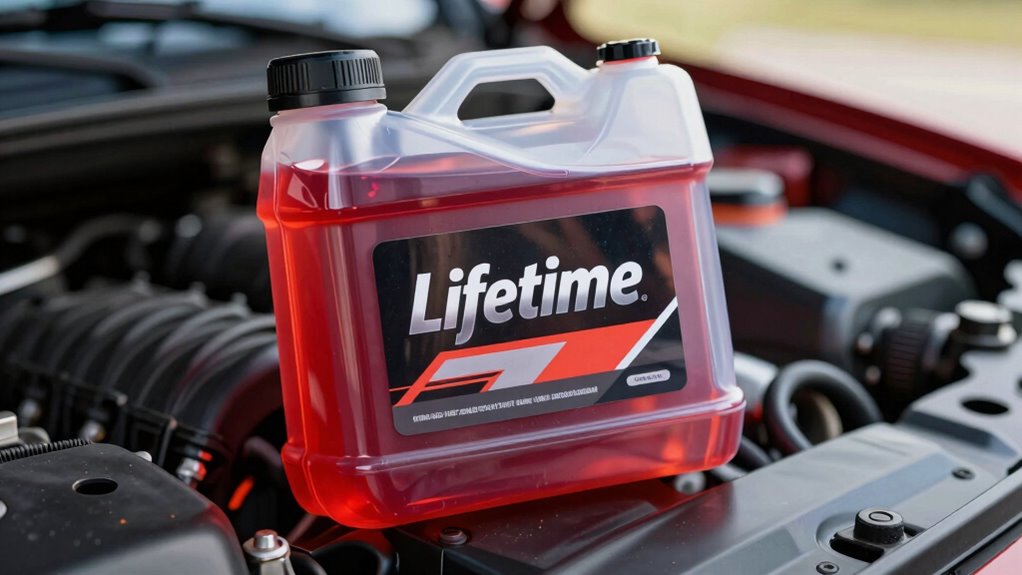
When you see transmission fluid labeled as “lifetime,” it can be misleading. This label often refers to the fluid’s compatibility with advanced transmission technology, designed to last longer than traditional fluids. However, “lifetime” doesn’t mean forever; it’s based on the fluid chemistry tailored to specific vehicle systems. Modern transmission technology utilizes synthetic or specially formulated fluids that resist breakdown and maintain performance over extended periods. But even with these innovations, the fluid’s longevity depends on driving conditions and maintenance. Manufacturers assume typical use, so extreme driving can shorten its effective lifespan. Ultimately, “lifetime” is a marketing term that reflects the fluid’s expected performance under ideal conditions, not an indefinite guarantee. Regular checks and maintenance remain essential for *maximum* transmission health.

Valvoline Multi-Vehicle ATF Full Synthetic Automatic Transmission Fluid 1 Quart
For use in 95% of vehicles including most CVTs in operation with US registered light duty applications
As an affiliate, we earn on qualifying purchases.
As an affiliate, we earn on qualifying purchases.
How Do Manufacturers Define ‘Lifetime’ for Transmission Fluids?

Manufacturers define “lifetime” for transmission fluids based on specific performance standards and expected usage conditions. This automotive terminology refers to the period during which the fluid is expected to maintain proper lubrication and protection under normal operating conditions. Typically, manufacturers base this definition on laboratory testing, which simulates driving patterns, temperatures, and loads. They often consider the fluid’s ability to resist degradation, oxidation, and wear. It’s important to note that “lifetime” doesn’t mean forever; instead, it aligns with warranty implications, meaning the manufacturer guarantees the fluid’s performance for the vehicle’s expected lifespan. This standardized approach helps set consumer expectations, but actual longevity can vary depending on driving habits and maintenance. Proper maintenance, including regular inspections, can help ensure transmission fluid performs as intended over its designated lifespan.
Transmission Fluid Tester Kit Gasoline & Diesel Gearbox Oil Diagnostic Tool High-Precision Diagnostic Analysis Tool with 31.5in Probe Transmittance/Temperature Testing, 2.8in Display (4 Batteries)
【WHY NEED IT】Our transmission fluid tester features an advanced optical probe that measures light transmittance within the transmission…
As an affiliate, we earn on qualifying purchases.
As an affiliate, we earn on qualifying purchases.
What Factors Can Shorten Transmission Fluid’s Lifespan?
Several factors can considerably shorten the lifespan of your transmission fluid, especially if you neglect regular maintenance or subject your vehicle to harsh conditions. Fluid degradation occurs faster with high temperatures, frequent towing, or aggressive driving. Contamination risks also rise from dirt, debris, or metal shavings, which can accelerate wear and impair performance.
| Factor | Effect | Common Causes |
|---|---|---|
| High Temperatures | Speeds up fluid breakdown | Overheating, heavy loads |
| Heavy Towing | Increases wear and contamination | Towing trailers or loads |
| Hard Driving | Accelerates fluid degradation | Stop-and-go traffic, aggressive driving |
| Dirt & Debris | Contaminates fluid, causes damage | Poor seals, dirty environments |
| Metal Shavings | Indicate internal wear, fluid contamination | Worn gears, inadequate filtration |

Auto Transmission Fluid Change Service Kit 6L ATF for Volkswagen Atlas (18-23) & for Arteon (19-21)
Auto Transmission Service Kit
As an affiliate, we earn on qualifying purchases.
As an affiliate, we earn on qualifying purchases.
How Can You Tell If Your ‘Lifetime’ Transmission Fluid Is Worn Out?
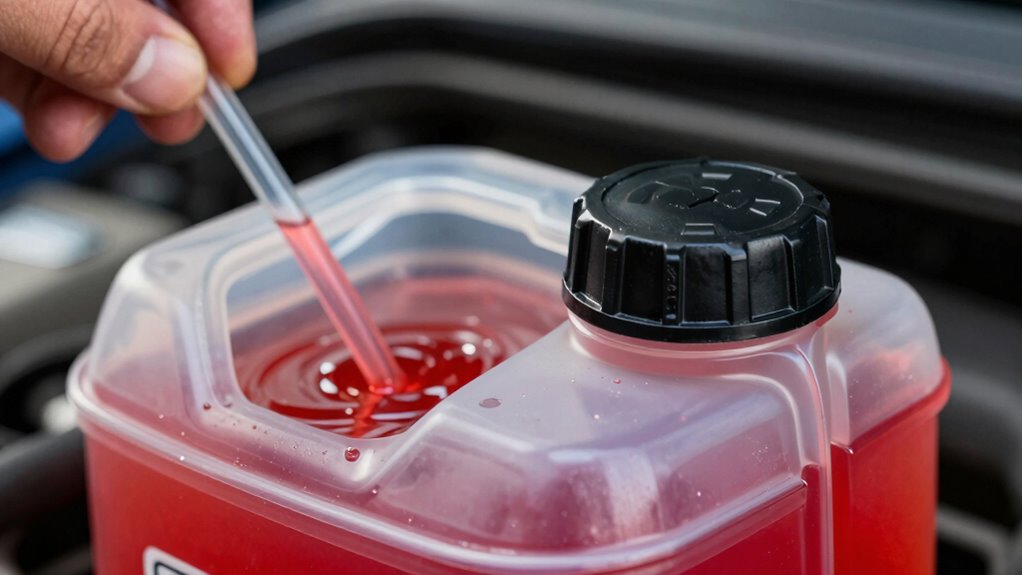
You’ll want to watch for signs of transmission wear, like slipping or rough shifting. Checking the fluid’s color and smell can also reveal if it’s deteriorating. Staying alert to these indicators helps you gauge whether your “lifetime” fluid is still doing its job. Additionally, understanding fluid maintenance and proper inspection procedures can extend the effective life of your transmission fluid. Recognizing fluid degradation signs early can prevent costly repairs and ensure your vehicle continues to operate smoothly. Monitoring projector image quality can also give clues about internal system health and fluid condition. Regularly reviewing hot roller performance and consistency may also help identify issues before they worsen. Incorporating fluid analysis techniques can provide detailed insights into the fluid’s current state and longevity.
Signs of Transmission Wear
Even if your vehicle’s transmission fluid is marketed as “lifetime,” signs of wear can still appear over time. You might notice symptoms like transmission overheating, which causes slipping or delayed shifts. Another clear sign is a fluid color change—fresh fluid is usually clear or pink, but worn fluid turns dark or cloudy. Additionally, you may feel rough or jerky shifts, indicating that the transmission isn’t functioning smoothly. Keep an eye out for burning smells, which can signal overheating or fluid breakdown. If you notice any of these signs, it’s a good idea to have your transmission checked, even if the fluid is labeled as “lifetime.” Regular fluid maintenance can help extend the lifespan of your transmission and prevent costly repairs down the road. Understanding transmission fluid degradation is essential for timely intervention and maintaining optimal vehicle performance. Recognizing early signs of transmission failure can save you from expensive repairs later. Addressing these issues early can prevent costly repairs down the road and is part of a comprehensive holistic SEO approach that emphasizes ongoing care and optimization. Staying informed about transmission fluid quality can help you recognize when service might be needed before problems escalate.
Checking Transmission Health
While your vehicle’s transmission fluid may be labeled as “lifetime,” it’s important to regularly check its condition to guarantee your transmission stays healthy. You can do this by inspecting fluid discoloration—if it turns dark or murky, it’s a sign it’s worn out. Also, watch for transmission overheating, which often results from old or contaminated fluid. Use the following table to help identify issues:
| Indicator | What to Look For | Possible Cause |
|---|---|---|
| Fluid discoloration | Dark, burnt, or cloudy fluid | Worn-out fluid |
| Transmission overheating | Excessively hot transmission temps | Old fluid or low fluid levels |
| Unusual noises | Slipping, grinding, or clunking | Fluid degradation or damage |
| Slow shifting | Hesitation or rough shifts | Contaminated or insufficient fluid |
| Fluid smell | Burnt odor | Fluid breakdown or overheating |
Regular checks help catch problems early. Monitoring fluid quality can also extend the lifespan of your transmission. Being aware of transmission fluid and its proper maintenance is crucial, especially since many vehicles rely on lifetime fluid labels that may not reflect real-world wear. Additionally, understanding cabling solutions and how they relate to transmission health can provide further insights into overall vehicle performance. For example, fluid contamination can occur from debris or moisture ingress, emphasizing the need for thorough inspections.
Do ‘Lifetime’ Transmission Fluids Really Require No Maintenance?
Many manufacturers label their transmission fluids as “lifetime,” but that doesn’t mean no maintenance is needed. The term “lifetime” can be confusing, often referring to the product’s expected duration under specific conditions, not your transmission’s health. Even with these fluids, adhering to recommended maintenance schedules helps guarantee your transmission stays in top shape. Regular inspections and fluid changes are crucial to prevent costly repairs down the line transmission health. Additionally, understanding proper DIY tools and safety tips can make maintenance tasks safer and more effective. Recognizing the importance of cryptid mysteries and their impact can also help vehicle owners appreciate the significance of ongoing care for their systems. Regularly checking and adjusting body jewelry measurements and materials can prevent discomfort and complications during maintenance routines, emphasizing the importance of proper care. Considering reliable appliance maintenance plans can also ensure ongoing care for your vehicle’s systems.
Clarifying ‘Lifetime’ Definition
Although the term “lifetime” suggests that transmission fluid never needs replacement, this isn’t always the case. Manufacturers often set specific expectations for fluid longevity, but their claims can vary widely. To clarify, “lifetime” typically means the duration expected under ideal conditions, not forever. Factors like driving habits, climate, and vehicle age can impact fluid performance. Home automation systems can even help monitor fluid health by alerting you to potential issues before they become serious. Additionally, understanding vehicle maintenance** schedules can help ensure optimal transmission function over time. Proper fluid analysis can detect degradation early, preventing costly repairs and ensuring the longevity of your transmission. Regularly consulting manufacturer guidelines can provide more precise information tailored to your vehicle. Consider these points: – “Lifetime” may refer to the vehicle’s warranty period, not the fluid itself. – Manufacturer claims often assume normal driving conditions. – Regular inspections** help guarantee the fluid’s effectiveness over time. Understanding this helps you avoid misconceptions about maintenance needs and keeps your transmission running smoothly longer. Remember, “lifetime” isn’t a guarantee against future fluid changes.
Maintenance Recommendations Remain Necessary
Just because transmission fluids are labeled as “lifetime,” it doesn’t mean you can skip regular maintenance. Even if you use synthetic blends, which last longer than conventional fluids, periodic checks are still essential. Over time, transmission fluid can degrade or become contaminated, impacting performance. You should also replace transmission filters as recommended by your vehicle’s manufacturer to prevent debris buildup that can cause damage. “Lifetime” fluids aren’t immune to wear; they’re designed to last under ideal conditions, but dirt, heat, and mileage can compromise their effectiveness. Regular maintenance, including fluid level checks and filter replacements, helps guarantee your transmission stays smooth and reliable, ultimately extending its lifespan and avoiding costly repairs down the line.
How Often Should You Check or Replace Your Transmission Fluid?
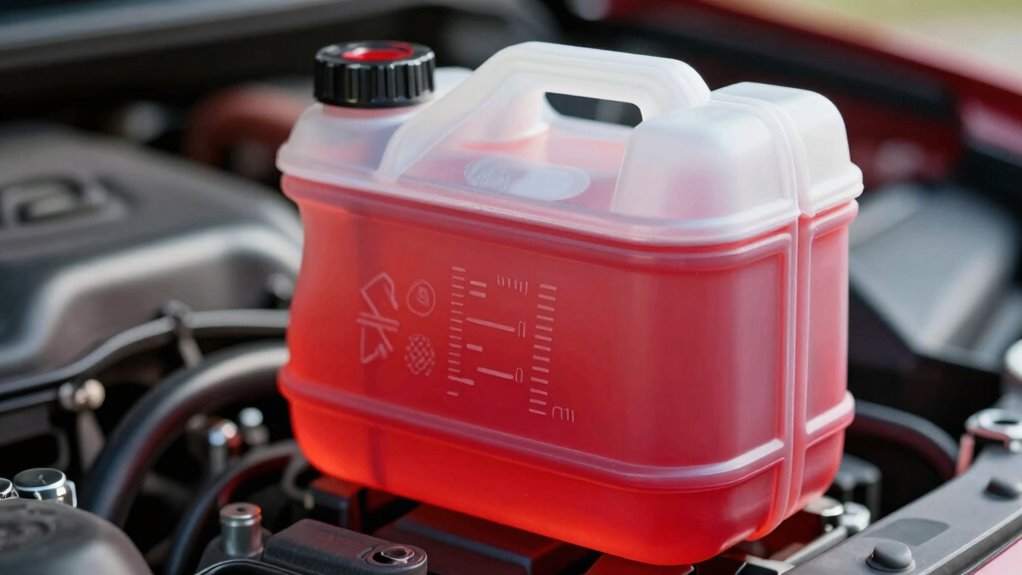
Your vehicle’s transmission fluid isn’t a set-it-and-forget-it component; it requires regular checks to guarantee peak performance. Monitoring your transmission fluid helps maintain transmission durability and fluid longevity, preventing costly repairs down the line. How often you should check or replace it depends on your driving habits and vehicle type. Consider checking your fluid every 30,000 to 60,000 miles, or sooner if you notice slipping, rough shifts, or unusual smells. Keep an eye on these signs:
Regularly check your transmission fluid every 30,000 to 60,000 miles to prevent costly repairs.
- Dark or gritty fluid
- Foul odor
- Transmission slipping or delayed engagement
Regular inspections ensure you catch issues early, extending the life of your transmission. While some vehicles have “lifetime” fluid claims, staying proactive with checks is the best way to preserve fluid quality and transmission health. Vehicle maintenance schedules can help you better manage your vehicle’s longevity and avoid unexpected repairs.
Should You Trust ‘Lifetime’ Transmission Fluid or Opt for Regular Changes?

Many manufacturers claim their transmission fluid is “lifetime,” but that can be misleading. While synthetic additives can enhance fluid longevity and resist breakdown, they don’t make the fluid invincible. Relying solely on “lifetime” labels might lead you to neglect regular maintenance, especially if your driving habits or conditions are hard on the transmission. Regular fluid changes can help remove contaminants and restore ideal performance, regardless of what the label claims. Trusting in synthetic additives alone isn’t enough; proactive maintenance is key. If you want your transmission to last, consider scheduled fluid changes based on manufacturer recommendations or your driving conditions. This approach helps ensure your transmission remains protected, regardless of the “lifetime” claim.
What Influences the Actual Durability of Transmission Fluid?
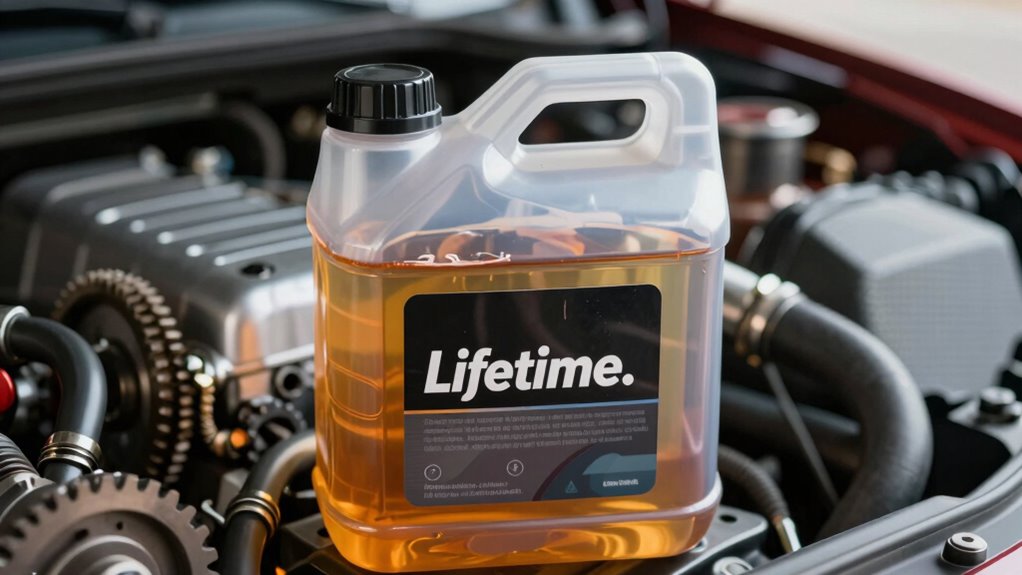
Several factors influence how long transmission fluid actually lasts, regardless of labeling. Your vehicle’s transmission longevity depends on conditions that affect fluid degradation. For example, high temperatures accelerate fluid breakdown, reducing its effectiveness faster. Heavy towing or aggressive driving also speeds up fluid deterioration. Additionally, the quality of the fluid and how often it’s used impact its lifespan.
Transmission fluid lifespan varies based on temperature, driving habits, and fluid quality.
Consider these key influences:
- Operating temperature: Higher temps cause quicker fluid degradation.
- Driving habits: Frequent stop-and-go or aggressive driving wear out fluid faster.
- Fluid quality: Premium fluids often last longer and resist breakdown better.
Understanding these factors helps you gauge when to replace or service your transmission fluid, rather than relying solely on “lifetime” claims.
Tips to Keep Your Transmission Running Smoothly Beyond Fluid Labels

To keep your transmission running smoothly beyond relying solely on fluid labels, regular maintenance and attentive driving habits are essential. Using synthetic formulas can enhance fluid stability and resistance to breakdown, extending its effective life. Additionally, prioritize contamination prevention by ensuring the transmission is clean during fluid changes and avoiding dirt or debris entry. Regularly check the transmission fluid level and quality, and replace it at recommended intervals, even if labels claim “lifetime.” Gentle driving, avoiding harsh acceleration or heavy loads, also reduces stress on the system. These practices help prevent wear and maintain smooth operation over time. Staying proactive with maintenance and choosing high-quality fluids safeguards your transmission’s performance well beyond the labels’ claims.
Frequently Asked Questions
Can ‘Lifetime’ Transmission Fluid Last the Vehicle’s Entire Lifespan?
Yes, ‘lifetime’ transmission fluid can last your vehicle’s entire lifespan, but it relies on driving conditions. Synthetic additives help maintain fluid stability and resist fluid degradation over time. However, extreme driving or harsh environments can accelerate fluid breakdown. Regular inspections and following manufacturer recommendations ensure your transmission stays protected. Don’t assume “lifetime” means forever—periodic checks and possibly fluid changes keep your transmission functioning smoothly.
Are There Specific Driving Conditions That Affect ‘Lifetime’ Fluid’s Durability?
Think of your transmission fluid as a marathon runner; it can’t keep pace forever under tough conditions. Your driving habits and road conditions play a big role in its longevity. Frequent stop-and-go driving, towing, or rough roads accelerate wear. In such cases, ‘lifetime’ fluid may not last, and you might need to change it sooner. Regular maintenance extends your transmission’s health, especially when facing demanding driving environments.
What Signs Indicate the Need for Transmission Fluid Replacement?
If your transmission fluid shows discoloration or you notice slipping gears, it’s time to replace the fluid. Discolored fluid signals contamination or breakdown, while slipping indicates the transmission isn’t engaging properly. Don’t ignore these signs; addressing them promptly can prevent costly repairs. Regularly check your fluid’s condition, and follow your vehicle’s maintenance schedule to keep your transmission running smoothly and extend its lifespan.
How Does Climate Impact the Longevity of ‘Lifetime’ Transmission Fluid?
Climate variation and temperature effects markedly impact the longevity of ‘lifetime’ transmission fluid. In hot climates, high temperatures can cause the fluid to break down faster, reducing its effectiveness over time. Conversely, cold temperatures may thicken the fluid, impairing transmission performance. You should regularly monitor your transmission fluid and consider more frequent changes if you live in extreme climate conditions, ensuring your transmission stays properly lubricated and functional.
Is It Necessary to Flush Transmission Fluid Even if Labeled ‘Lifetime’?
Imagine a mechanic’s hand wiping away old, dark fluid—revealing signs of fluid degradation. You don’t always need a flush, even if the manufacturer claims your transmission fluid is ‘lifetime.’ Over time, debris and wear can accumulate, impacting performance. Regular inspections and fluid changes help maintain your transmission’s health. Trust your vehicle’s condition rather than solely relying on manufacturer claims, especially if you notice shifting issues or increased heat.
Conclusion
So, while those flashy “lifetime” labels might make you think you can forget about your transmission, don’t be fooled. Your vehicle’s health depends on regular checks and maintenance—not on vague promises. Ironically, what’s sold as “lifetime” might just mean “until the warranty runs out.” Keep an eye on fluid condition and don’t rely solely on marketing hype. After all, even lifetime promises can run dry.