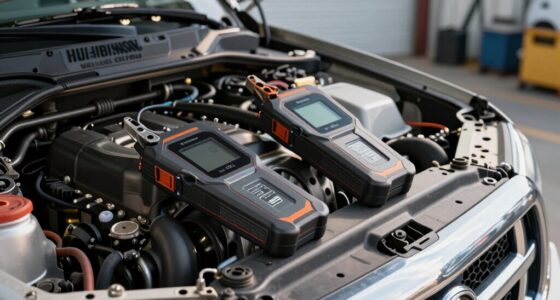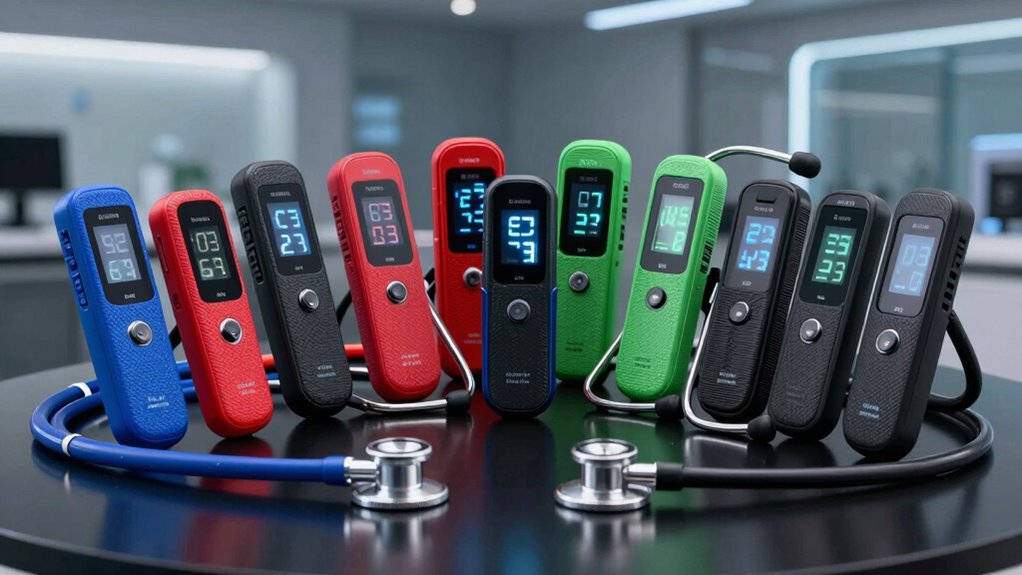
When searching for a stethoscope electronic for engine noise, the key factors are sensitivity, ease of use, and durability. The Steelman EngineEAR II stands out as the best overall for its balanced performance and reliable build. Other strong contenders, like the Allsun EM410 and the ZKTOOL EM410, offer excellent probe options and sound clarity for specific needs. Buyers often face tradeoffs between advanced features and affordability, or between portability and range. Keep reading to find the full breakdown of the top options and what makes each unique.

Get business pricing on garage and car supplies
- Business-only prices and quantity discounts
- Tax-exempt purchasing
- Multiple users, one account, clear invoices
Complete the kit


Key Takeaways
- The most sensitive models excel at detecting faint engine noises but may come at a higher cost.
- Probe versatility, including short and long options, is crucial for accessing hard-to-reach engine areas.
- Build quality and durability are vital for tools used in rugged automotive environments.
- Ease of use, such as intuitive controls and comfortable headphones, significantly impacts diagnostics efficiency.
- Price often reflects feature complexity; premium options tend to offer better sound clarity and durability.
| Steelman EngineEAR II Electronic Stethoscope Automotive Diagnostics Tool |  | Best Overall for Versatile Automotive Noise Diagnostics | Decibel Range: 60-120 dB | Sound Level Control: 7 settings | Headphone Type: Mono, professional | VIEW ON AMAZON | See Our Full Breakdown |
| Allsun Automotive Electronic Mechanics Stethoscope EM410 with Short and Long Probes |  | Best Value for Versatile Automotive Troubleshooting | Brand: Allsun | Model: EM410 | Power Supply: 9V 6F22 battery (not included) | VIEW ON AMAZON | See Our Full Breakdown |
| Car Mechanic Stethoscope, Automotive Electronic Noise Finder |  | Best for Precise Visual and Audio Diagnosis | Probes: 10.6-inch and 1.97-inch stainless steel | Frequency Response: 20Hz – 20KHz | Power: 9V battery (included) | VIEW ON AMAZON | See Our Full Breakdown |
| EM410 Automotive Stethoscope Mechanic Engine Noise Detector Kit |  | Best for High Sensitivity in Professional Environments | Frequency Response: 100Hz–10kHz | Probes: Short and long stainless steel | Power Source: 9V battery | VIEW ON AMAZON | See Our Full Breakdown |
| ZKTOOL Automotive Electronic Mechanics Stethoscope EM410 with Probes and Headphones |  | Best for Standard Engine Noise Detection on a Budget | Frequency Range: 20Hz-20kHz | Input Impedance: >15MΩ | Ambient Noise Tolerance: 100dB | VIEW ON AMAZON | See Our Full Breakdown |
| Mechanic Stethoscope Automotive Engine Noise Diagnostic Tool with Extension Probe |  | Best Overall for Precision Diagnosis in Automotive Settings | Brand: Meidier | Model: MEDR0051 | Unit Count: 1 | VIEW ON AMAZON | See Our Full Breakdown |
| Steelman ChassisEAR/EngineEAR Auto Diagnostics Combination Kit |  | Best for Multi-Location Diagnostics and Versatility | Number of Sensors: 6 | Sensor Color Coding: Color-coded | Wire Length: 16 ft. | VIEW ON AMAZON | See Our Full Breakdown |
| allsun EM410 Automotive Electronic Stethoscope, Engine Noise Diagnostic Kit |  | Best for Versatile Industrial and Automotive Use | Model Name: 515fe10c-3b9f-4721-af92-293e2294f396 | Recommended Uses: Industrial machinery, automotive, marine, aviation | Unit Count: 1 | VIEW ON AMAZON | See Our Full Breakdown |
More Details on Our Top Picks
Steelman EngineEAR II Electronic Stethoscope Automotive Diagnostics Tool
The Steelman EngineEAR II stands out for its adjustable decibel range and flexible gooseneck, making it ideal for pinpointing engine noises in a variety of machinery. Compared with the Allsun EM410, it offers more precise sound level control, though it may require some experience to interpret the sounds correctly. Its durable, non-conductive probe ensures safety during inspections, but the probe can be fragile if mishandled. The professional headphones enhance comfort and noise isolation, which is crucial in loud environments. While it excels in versatility, it might be less intuitive for beginners unfamiliar with interpreting audio cues.
Pros:- Effective in locating a wide range of engine noises
- Adjustable sound levels for precise listening
- Flexible gooseneck for easy access to hard-to-reach components
- Comfortable, noise-blocking headphones
Cons:- Requires some knowledge to interpret sounds accurately
- Fragile probe if mishandled during use
Best for: Experienced automotive technicians seeking a reliable, adjustable diagnostic tool.
Not ideal for: Casual DIYers or hobbyists who need a simple, plug-and-play solution without much setup or interpretation.
- Decibel Range:60-120 dB
- Sound Level Control:7 settings
- Headphone Type:Mono, professional
- Probe Material:Solid aluminum with non-conductive rubber boot
- Microphone:Non-conductive
Our verdict“This pick suits professional users who need adjustable, precise noise detection across various automotive applications.”
Allsun Automotive Electronic Mechanics Stethoscope EM410 with Short and Long Probes
The Allsun EM410 offers a practical solution with both long and short probes, enabling it to reach tight engine spaces more easily than some single-probe models like the Car Mechanic Stethoscope. Its ultra-sensitive microphone and LED signal indicator enhance diagnostic precision, especially when identifying subtle issues like bearing wear or valve noise. However, the need for a separate battery purchase and its limited effectiveness in very noisy environments can be drawbacks for busy workshops. Compared to higher-end models, it provides solid functionality at a more accessible price point, though it may not match the sensitivity or durability of premium options.
Pros:- Includes both long and short probes for versatile access
- Highly sensitive microphone for detecting faint sounds
- LED indicator for quick fault identification
- Affordable and practical for regular use
Cons:- Battery not included, requiring extra purchase
- Less effective in high-noise environments
Best for: Automotive professionals or advanced DIYers needing versatile probes and reliable performance at a reasonable price.
Not ideal for: Beginners or casual users who might find its features and limited noise filtering challenging to operate effectively.
- Brand:Allsun
- Model:EM410
- Power Supply:9V 6F22 battery (not included)
- Recommended Uses:Engine, machine diagnostics
- Item Type:Auto Mechanics Electronic Ear Diagnostic Device Kit
- Warranty:One year workshop warranty, lifetime support
Our verdict“This model is ideal for experienced users who need multiple probe lengths and reliable sensitivity without the cost of premium tools.”
Car Mechanic Stethoscope, Automotive Electronic Noise Finder
The Car Mechanic Stethoscope combines dual visual and audio signals, making it well-suited for detailed diagnostics of engine and system faults. Its two stainless-steel probes, including a deep 10.6-inch option, provide access to both deep and tight spaces, surpassing simpler models like the ZKTOOL EM410. The inclusion of LED indicators and noise-isolating headphones enhances accuracy, though its complexity and need for battery replacements might challenge casual users. Designed with durability and hands-free operation in mind, it offers a comprehensive kit for professional diagnostics, though beginners might find it overwhelming without proper training.
Pros:- Dual visual and audio confirmation for precise diagnosis
- Includes two interchangeable probes for various inspection depths
- Durable design with drop-proof sensor
- Complete kit with carrying case and accessories
Cons:- Requires battery replacement for optimal performance
- Complex setup may be daunting for novices
Best for: Professional mechanics or advanced DIYers familiar with noise diagnostics seeking a complete, visual-audio solution.
Not ideal for: Casual users or those new to engine troubleshooting who require straightforward, easy-to-use tools.
- Probes:10.6-inch and 1.97-inch stainless steel
- Frequency Response:20Hz – 20KHz
- Power:9V battery (included)
Our verdict“This tool is best suited for experienced users who need detailed, multi-sensory diagnostics of engine faults in a professional setting.”
EM410 Automotive Stethoscope Mechanic Engine Noise Detector Kit
The EM410 Automotive Stethoscope Kit excels in detecting subtle mechanical vibrations thanks to its high-sensitivity microphone and versatile probes. Its noise-isolating headset allows clear listening even in loud workshop environments, surpassing simpler models like the ZKTOOL EM410 in clarity. The kit’s comprehensive design, including multiple probes and a carrying case, makes it ideal for precise fault detection, though it requires a 9V battery replacement and may be complex for casual users. Its frequency response from 100Hz to 10kHz favors detailed diagnostics but could be less suitable for quick checks in noisy surroundings.
Pros:- High sensitivity for detecting faint vibrations
- Noise-isolating headset for clarity in loud environments
- Includes versatile probes for deep and tight spaces
- Complete set with accessories and case
Cons:- Requires frequent battery replacements
- May be overly complex for casual diagnostics
Best for: Professional mechanics needing high sensitivity and detailed inspections in industrial or automotive contexts.
Not ideal for: DIY enthusiasts or casual users who prefer straightforward, less sophisticated tools with minimal setup.
- Frequency Response:100Hz–10kHz
- Probes:Short and long stainless steel
- Power Source:9V battery
- Included:Main unit, probes, headset, case
Our verdict“This kit is designed for skilled professionals who require high sensitivity and comprehensive diagnostics in demanding settings.”
ZKTOOL Automotive Electronic Mechanics Stethoscope EM410 with Probes and Headphones
The ZKTOOL EM410 offers a straightforward approach with a good range of probes and a sensitive microphone for detecting engine noises. Its wide frequency range (20Hz-20kHz) makes it versatile for various fault types, and the inclusion of LED indicators speeds up fault localization. However, it relies on a 9V battery not included, and some users with limited technical experience might find operation less intuitive. Compared to more advanced models like the Steelman EngineEAR II, it lacks adjustable sound levels and advanced noise filtering but delivers reliable performance for basic diagnostics.
Pros:- High sensitivity microphone for accurate sound detection
- Multiple probes for different access points
- Built-in LED indicators for quick fault detection
- Compatible with standard headphones
Cons:- Batteries not included, requiring additional purchase
- Requires some technical knowledge for best results
Best for: Car owners or hobbyist mechanics looking for a simple, effective tool for routine engine noise checks without complex features.
Not ideal for: Professional technicians or users who need detailed, adjustable sound control and advanced diagnostics.
- Frequency Range:20Hz-20kHz
- Input Impedance:>15MΩ
- Ambient Noise Tolerance:100dB
- Temperature Range:-10°C to 55°C
- Power Source:9V battery (not included)
Our verdict“This model offers a balanced mix of features for casual engine diagnostics at an accessible price point, suitable for non-professional users.”
Mechanic Stethoscope Automotive Engine Noise Diagnostic Tool with Extension Probe
This professional-grade stethoscope stands out for its high sensitivity and durable build, making it ideal for pinpointing engine noise sources with clarity. Unlike the allSun EM410, which offers high sensitivity but can be less forgiving in noisy environments, this model provides effective noise isolation while amplifying subtle sounds. Its 12-inch extension probe allows access to hard-to-reach areas, a feature the Steelman ChassisEAR/EngineEAR Kit lacks, making it more versatile for detailed diagnostics. The tradeoff is that its sensitivity may be overwhelming in extremely noisy garages, and it requires some familiarity to interpret correctly. This is best suited for professionals or experienced DIYers who need accurate, detailed sound analysis.
Pros:- Highly sensitive sound amplification for accurate diagnosis
- Durable stainless steel construction with oil-resistant tubing
- Includes a 12-inch extension probe for hard-to-reach areas
Cons:- May be too sensitive for extremely noisy environments
- Requires some familiarity to interpret sounds accurately
Best for: Professional auto technicians or experienced DIY enthusiasts needing precise engine diagnostics
Not ideal for: Casual users or those in very noisy environments who might struggle to interpret subtle sounds
- Brand:Meidier
- Model:MEDR0051
- Unit Count:1
- Included Components:Mechanic Stethoscope, Automotive Engine Noise Diagnostic Tool
Our verdict“This pick makes the most sense for professionals or serious DIYers aiming for detailed engine noise analysis.”
Steelman ChassisEAR/EngineEAR Auto Diagnostics Combination Kit
The Steelman ChassisEAR/EngineEAR Kit offers a comprehensive approach with six color-coded sensors and professional noise-canceling headphones, enabling simultaneous listening at multiple vehicle points. Compared with the allSun EM410, which is lightweight and simple to operate, this kit provides greater versatility for complex diagnostics, especially in larger vehicles or multiple engine components. However, its setup and operation demand more technical knowledge, and the long, 16-foot wire leads can be cumbersome in tight spaces. This makes it less suitable for casual users or those who prefer quick, straightforward checks. This kit is best suited for professional mechanics or technicians working on complex or multiple engine components.
Pros:- Allows listening to multiple vehicle locations simultaneously
- High sensitivity sensors for accurate detection
- Professional noise-canceling headphones improve focus
Cons:- Requires some technical knowledge to operate effectively
- Long wire leads may be cumbersome in tight spaces
Best for: Automotive professionals or experienced technicians needing multi-point diagnostics
Not ideal for: Casual hobbyists or users with limited technical skills who prefer simple tools
- Number of Sensors:6
- Sensor Color Coding:Color-coded
- Wire Length:16 ft.
- Includes:Electronic stethoscope, vibration sensors, noise-canceling headphones, decibel meter
Our verdict“This versatile kit makes the most sense for professionals who need comprehensive, multi-point engine diagnostics.”
allsun EM410 Automotive Electronic Stethoscope, Engine Noise Diagnostic Kit
The allsun EM410 offers high sensitivity for subtle engine and machinery noises, making it ideal for industrial, marine, and aviation maintenance. Unlike the Steelman Kit which excels in multi-point diagnostics, the EM410 focuses on detecting fine vibrations and subtle sounds, especially in noisy environments up to 100dB. Its lightweight, rugged design supports prolonged use in demanding settings, but reliance on a 9V battery introduces ongoing maintenance, and its limited specifications on probe size and frequency range can restrict precise tuning. This device makes the most sense for industrial or marine technicians who need high sensitivity in challenging environments.
Pros:- High sensitivity for detecting subtle engine and machinery noises
- Effective in environments with ambient noise up to 100dB
- Lightweight and industrially durable design
Cons:- Requires a 9V battery which needs replacement over time
- Limited detailed specifications on probe sizes and frequency range
Best for: Industrial, marine, or aviation maintenance professionals requiring sensitive noise detection
Not ideal for: Casual automotive hobbyists or users seeking detailed, multi-point diagnostics in tight spaces
- Model Name:515fe10c-3b9f-4721-af92-293e2294f396
- Recommended Uses:Industrial machinery, automotive, marine, aviation
- Unit Count:1
- Weight:240g
Our verdict“This pick is ideal for industrial or marine environments where high sensitivity and durability are essential.”

How We Picked
This lineup was curated based on a combination of performance, usability, build quality, and value. We focused on electronic stethoscopes that are specifically designed for engine noise detection, prioritizing models with clear sound transmission, reliable probes, and ergonomic design. Each product was evaluated for ease of operation, durability under automotive conditions, and the range of probe options. Rankings reflect how well each tool balances these factors, helping mechanics and DIY enthusiasts find the best fit for their diagnostic needs.Factors to Consider When Choosing Stethoscope Electronic For Engine Noise
Choosing the right electronic stethoscope for engine noise involves more than just sound quality. Consider probe flexibility and length to access different engine parts, as well as build quality for durability in tough environments. Ease of use, including headphone comfort and control interface, impacts how effectively you can diagnose issues. Balancing price with features is crucial—more expensive models often provide better sensitivity but may not be necessary for occasional use. Finally, compatibility with your existing tools and accessories can enhance your diagnostic setup.Sensitivity and Sound Clarity
The primary reason for choosing an electronic stethoscope for engine noise is its ability to detect faint sounds. Higher sensitivity models offer clearer sound transmission, allowing you to identify subtle issues. However, increased sensitivity can sometimes pick up background noise, so consider models with noise filtering. Think about your typical use case—if you frequently work on complex engines, investing in a highly sensitive model makes sense. For occasional diagnostics, a mid-range option might provide sufficient clarity without the extra cost.Probe Options and Access
Probes come in various lengths and shapes, directly affecting accessibility. Short probes are great for close-up inspections, while longer ones help reach tight or hard-to-access engine compartments. Some models offer interchangeable probes, increasing versatility. Be aware that probes with more complex features or longer lengths can add to the overall cost and may be more fragile. Choose a model with the right probe configuration for your typical diagnostic environment to avoid frustration or limited reach.Build Quality and Durability
Engine diagnostics often take place in demanding environments, so durability matters. Look for models with rugged housings, reinforced cables, and high-quality materials. Cheaper plastic components may break or degrade quickly, leading to recurring replacement costs. Consider whether the device is designed for frequent use or occasional troubleshooting—more rugged options tend to cost more but save money long-term. Additionally, check if the headphones or probes are replaceable, which can extend the tool’s lifespan.Ease of Use and Comfort
A user-friendly interface with straightforward controls makes diagnosing engine noise more efficient. Comfortable headphones with adjustable fit reduce fatigue during long sessions. Some models feature digital displays or LED indicators that simplify sound interpretation. Ease of handling and quick setup are especially important for professional mechanics who need to move rapidly between tasks. Avoid overly complex controls if you prefer a simple, reliable tool that doesn’t require extensive training.Price and Value
While higher-priced models often deliver superior sensitivity and durability, they aren’t always necessary for every user. Consider your frequency of use and the complexity of diagnostics you perform. For hobbyists or occasional users, mid-range options may be sufficient. Conversely, professionals requiring reliable, long-lasting tools should evaluate premium models that justify the investment with enhanced features. Always weigh the added benefits against your budget, and look for warranties or customer support that add value.Frequently Asked Questions
Can I use a standard stethoscope for engine noise detection?
Traditional stethoscopes are generally not suitable for engine noise detection because they lack the electronic amplification and sensitivity needed for such applications. Electronic models are designed to pick up faint sounds amid engine noise, providing clearer audio feedback. Using a standard stethoscope may result in muffled or indistinct sounds, making diagnostics difficult. For effective engine noise detection, an electronic stethoscope tailored for automotive use is highly recommended.
What features should I prioritize if I only occasionally diagnose engine noise?
If your use is infrequent, focus on models that offer reliable performance without overly complex features. Look for a device with decent sensitivity, straightforward controls, and a durable probe. Portability and ease of connection are also important, so choose a lightweight, user-friendly model. Spending excessively on advanced features like noise filtering or multiple probes may not be necessary, but ensure the basic sound clarity is sufficient for your needs.
How important are probe length and flexibility?
Probe length and flexibility significantly impact your ability to access different engine parts comfortably. Longer probes help reach tight spaces or deep engine compartments, reducing the need to dismantle components. Flexible probes can adapt to complex engine layouts, improving diagnostic accuracy. However, longer or more flexible probes tend to be more fragile and may increase the overall cost. Select a probe configuration that matches your typical diagnostic environments to maximize efficiency and reduce frustration.
Are more expensive models worth the investment for DIY users?
For DIY enthusiasts who diagnose engines occasionally, investing in the most expensive models may not be necessary. Mid-range electronic stethoscopes often provide sufficient sensitivity and durability for home use. More costly options tend to include advanced features like better noise filtering and rugged construction, which are more beneficial for professional use. Assess your diagnostic frequency and complexity before spending more—if you only perform occasional checks, a budget-friendly, reliable model could be more practical.
What maintenance is required for an electronic engine stethoscope?
Regular maintenance involves keeping probes and headphones clean and free from debris to ensure clear sound transmission. Store the device in a protective case when not in use to prevent damage. Check cables and connections periodically for wear or fraying, replacing parts as needed. Batteries should be replaced or recharged as specified by the manufacturer to maintain optimal performance. Proper care extends the lifespan of the tool and ensures consistent diagnostic accuracy.
Conclusion
The best overall pick, the Steelman EngineEAR II, offers a balanced combination of sensitivity, durability, and ease of use, making it suitable for professional mechanics and serious DIYers. The Allsun EM410 provides excellent value for those needing a versatile probe setup without breaking the bank. For users seeking premium features and maximum reliability, higher-end models with enhanced noise filtering and rugged construction are recommended. Beginners or casual users should prioritize simpler, more affordable options that still deliver clear sound. Ultimately, your choice should align with your diagnostic frequency, environment, and budget—consider these factors carefully to select the most fitting tool.