

On cold mornings, the main difference between 0W-20 and 5W-20 is how quickly they flow when starting the engine. 0W-20 has a lower cold-start viscosity, meaning it flows faster in freezing temperatures, helping your engine start more smoothly and reducing wear. 5W-20 is slightly thicker at low temps but still performs well. If you want to understand how these oils behave in winter conditions, there’s more to uncover.
Key Takeaways
- 0W-20 flows more easily at cold temperatures, enabling quicker engine startup in freezing conditions.
- 5W-20 has higher cold-temperature viscosity, which may delay lubrication during very cold mornings.
- 0W-20 reduces engine wear and strain during startup in harsh winter climates.
- Both oils perform similarly once the engine reaches operating temperature, offering comparable protection.
- Choosing 0W-20 is preferable in extremely cold regions for better cold-weather engine performance.

Are you unsure about whether to choose 0W-20 or 5W-20 motor oil for your vehicle? When it comes to oil viscosity and winter performance, those choices can seem confusing. Both oils are designed to protect your engine, but their differences become most noticeable in cold weather. The numbers in these oil grades indicate how the oil flows at different temperatures. The “W” stands for winter, and the number before it reflects the oil’s viscosity at low temperatures, while the second number shows its viscosity at operating temperature.
In colder temperatures, oil viscosity matters because thinner oils flow more easily, lubricating engine parts faster and reducing wear during startup. 0W-20 oil, with its lower cold-temperature viscosity, flows more quickly in freezing conditions. This means your engine will start faster, and the oil will circulate more efficiently in winter, providing better winter performance. If you live in a particularly cold climate, this can make a noticeable difference in engine startup and overall protection on chilly mornings. Conversely, 5W-20 oil, while still suitable for cold weather, has a slightly higher viscosity at low temperatures. It still performs well in winter, but it may take a bit longer to reach ideal lubrication after engine start, especially in extremely cold conditions.
The key difference between these oils lies in their oil viscosity at low temperatures. Since 0W-20 is thinner at cold start, it’s often recommended for winter driving in regions with harsh winters. It helps your engine start more smoothly and reduces the strain on your battery and starter. On the other hand, 5W-20 might be better suited for milder winters where temperatures don’t dip as low, providing good protection without the need for the ultra-thin consistency that 0W-20 offers. Additionally, cold-weather performance is a critical factor to consider for optimal engine health during winter months.
It’s important to remember that both oils meet the same standards for high-temperature viscosity and engine protection when warmed up. The choice between them really hinges on your climate and the winter performance you need. If your area regularly experiences freezing temperatures, opting for 0W-20 can give you peace of mind, ensuring your engine gets ideal lubrication from the moment you turn the key. In milder winter climates, 5W-20 still offers reliable protection, though it might not deliver quite the same quick flow at sub-zero temperatures. Ultimately, understanding these differences helps you make an informed decision that keeps your engine running smoothly, no matter how cold it gets outside.

Valvoline Advanced Full Synthetic SAE 0W-20 Motor Oil 5 QT
Advanced protection against the four main causes of engine breakdown: wear friction heat and deposits
As an affiliate, we earn on qualifying purchases.
As an affiliate, we earn on qualifying purchases.
Frequently Asked Questions
Can 0W-20 and 5W-20 Be Mixed Safely?
You can generally mix 0W-20 and 5W-20 oils safely because they have compatible oil base types, which make the mixture effective without harming your engine. However, mixing oils can affect additive effects, potentially reducing some benefits like wear protection or cleaning. Always check your vehicle’s manufacturer guidelines and avoid mixing different brands or types unless necessary, and consider doing an oil change soon for ideal engine health.
Which Oil Performs Better in Extremely Cold Temperatures?
If you’re braving a polar bear plunge every morning, 0W-20 outperforms 5W-20 in cold start performance. Its lower viscosity guarantees smoother engine startup in freezing temps, reducing wear and tear. So, if your car’s temperature gauge reads “frozen tundra,” opt for 0W-20 for superior viscosity performance and a less dramatic engine awakening. Trust me, your engine will thank you when the mercury drops.
Are There Vehicle Models That Prefer One Oil Type Over the Other?
You should check your vehicle’s manufacturer recommendations and engine compatibility to determine whether it prefers 0W-20 or 5W-20 oil. Some models, especially those with high-performance or specific engine designs, are tailored for one type over the other. Using the recommended oil guarantees peak engine performance, longevity, and fuel efficiency. Always follow your owner’s manual to select the best oil for your vehicle’s make and model.
How Often Should 0W-20 or 5W-20 Be Changed?
Imagine it’s the age of dial-up internet—oil changes are still essential. You should typically change 0W-20 or 5W-20 every 5,000 to 7,500 miles, depending on your vehicle and driving habits. Follow your owner’s manual for specific oil change intervals, and adhere to regular maintenance tips. This guarantees your engine stays smooth and efficient, especially during cold mornings or hot summer drives.
Do These Oils Impact Fuel Efficiency Differently?
Yes, these oils can impact your fuel economy and engine efficiency slightly. 0W-20 tends to flow more easily at cold starts due to its lower cold viscosity, helping your engine run smoother and potentially improving efficiency. 5W-20 also offers good performance, but in colder weather, 0W-20’s thinner consistency might give you a slight edge in fuel economy and overall engine efficiency during cold mornings.
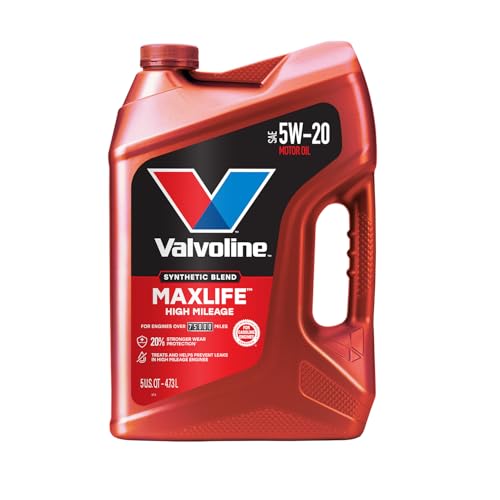
Valvoline High Mileage with MaxLife Technology SAE 5W-20 Synthetic Blend Motor Oil 5 QT
MaxLife Technology prevents engine breakdown with 40% better wear protection than the industry standard
As an affiliate, we earn on qualifying purchases.
As an affiliate, we earn on qualifying purchases.
Conclusion
So, next time you’re freezing your tail off on a cold morning, remember—your choice of oil isn’t just about numbers. It’s about bravely confronting the icy realities of winter with a tiny bottle of 0W-20 or 5W-20. Because nothing says “I’m prepared” quite like obsessing over oil viscosity while your engine shivers in the cold. Choose wisely, and maybe, just maybe, your car won’t give you the silent treatment.

Ariens 000676 SAE 5W-30 Sno-Thro Engine Oil Quart (2-Pack) and Fuel Treatment
2-Quart Package
As an affiliate, we earn on qualifying purchases.
As an affiliate, we earn on qualifying purchases.

Mobil 1 Advanced Full Synthetic Motor Oil 5W-30, 5 Quart
Mobil 1 advanced full-synthetic motor oil 5W-30 utilizes Mobil 1’s signature Triple Action Formula to deliver outstanding engine…
As an affiliate, we earn on qualifying purchases.
As an affiliate, we earn on qualifying purchases.