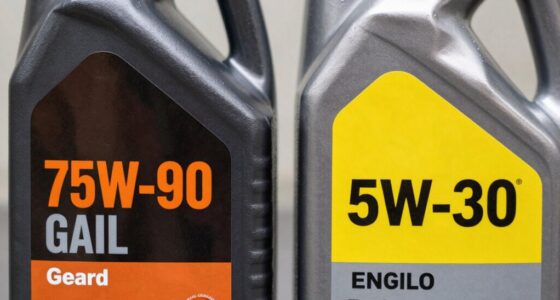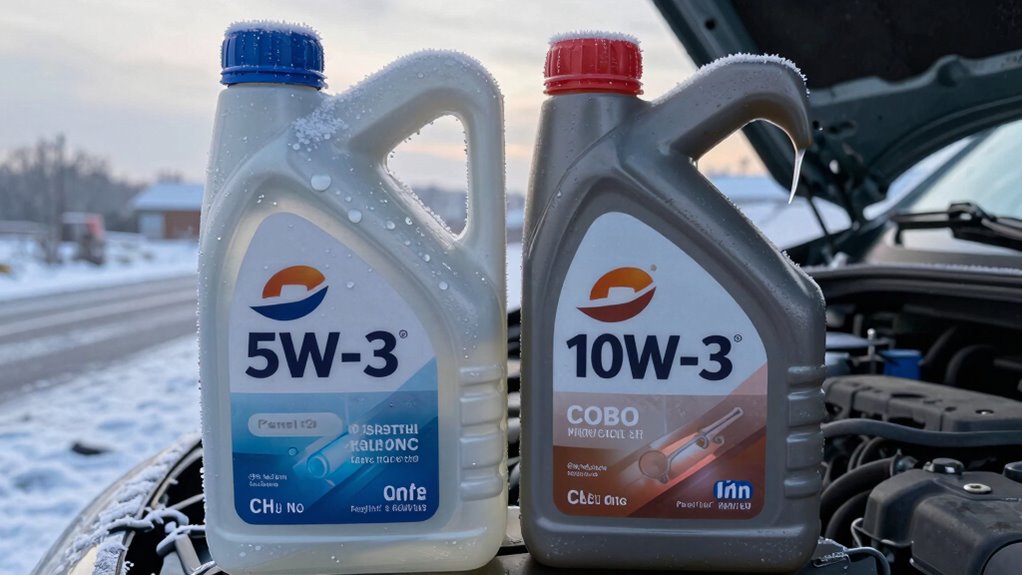

Using 10W-30 instead of 5W-30 in winter can cause issues because the oil’s higher viscosity at low temperatures makes it thicker and harder to flow. This sluggish flow can slow down engine startup, increase strain, and lead to insufficient lubrication during cold starts. In colder climates, 5W-30 offers better protection and smoother performance. To find out how this choice impacts your engine in different conditions, keep exploring the details.
Key Takeaways
- The ’10W’ indicates thicker oil at low temperatures, slowing engine oil flow during cold starts.
- Thicker 10W-30 can cause sluggish engine startup and increased wear in winter conditions.
- 10W-30’s higher viscosity impedes quick lubrication, risking engine damage in cold weather.
- 5W-30 flows more easily in cold temperatures, ensuring better engine protection during winter.
- Using 10W-30 in cold climates compromises engine performance and longevity during winter months.
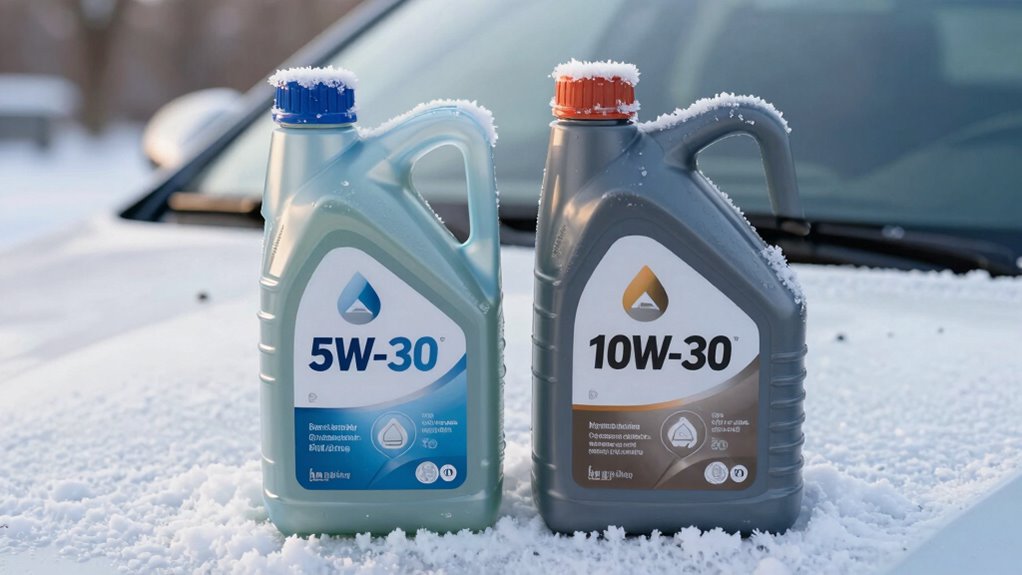
Are you unsure whether to choose 5W-30 or 10W-30 motor oil for your vehicle? Understanding the difference in oil viscosity is key to making the right choice, especially when it comes to maintaining ideal engine performance. Oil viscosity refers to how thick or thin the oil is at different temperatures, influencing how easily it flows through your engine. This flow rate directly impacts how well your engine components are lubricated, particularly during cold starts and in varying weather conditions. Picking the wrong oil can lead to increased wear and reduced efficiency, so it’s important to consider the climate you drive in.
The main distinction between 5W-30 and 10W-30 lies in their cold-weather performance. The “W” stands for winter, indicating how the oil behaves at low temperatures. The number before the “W” reflects the oil’s thickness when cold; a lower number means the oil is thinner and flows more easily in cold conditions. Thus, 5W-30 oil is designed to remain more fluid in low temperatures than 10W-30. During winter, this difference becomes significant because oil needs to circulate quickly to protect engine parts during cold starts. If you live in a region with harsh winters, 5W-30 offers better cold-weather protection, ensuring your engine starts smoothly and that the oil reaches critical components faster.
Choosing 10W-30 in winter can pose problems because it’s thicker at low temperatures. This increased viscosity in cold weather means the oil doesn’t flow as freely, which can lead to sluggish engine start-up and higher strain on the engine during those vital first moments. When oil is too thick, it takes longer to circulate, delaying the lubrication process. This increased resistance can cause additional wear over time, especially if you frequently start your engine in freezing conditions. Over time, the reduced oil flow can negatively impact engine performance, making it less efficient and potentially shortening its lifespan.
In warmer months or milder climates, the difference between 5W-30 and 10W-30 becomes less significant. Both oils perform well at operating temperatures, and the thicker viscosity of 10W-30 doesn’t usually cause issues. However, in winter, the thinner 5W-30 provides a clear advantage by ensuring smoother engine performance right from the start. It helps your engine run more efficiently, reduces wear, and can even improve fuel economy because the engine doesn’t have to work as hard to circulate thick oil. Ultimately, selecting the right oil viscosity based on your climate and driving conditions will support your engine’s longevity and guarantee consistent performance. Additionally, using the correct viscosity can prevent potential damage caused by incorrect oil choices and maintain optimal engine health over time.
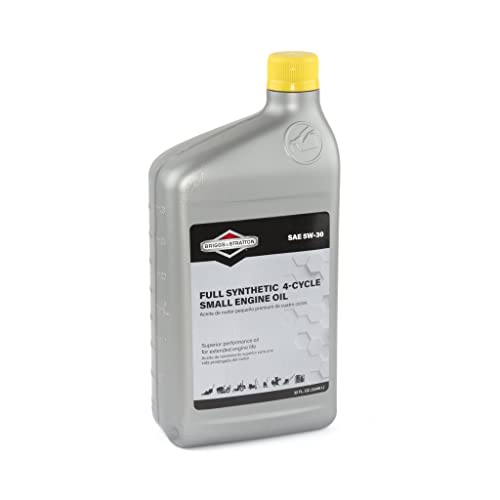
Briggs & Stratton SAE 5W-30 Synthetic Small Engine Motor Oil – 32 Oz. 100074
100% Synthetic SAE 5W-30
As an affiliate, we earn on qualifying purchases.
As an affiliate, we earn on qualifying purchases.
Frequently Asked Questions
Can I Switch Between 5W-30 and 10W-30 Seasonally?
You can switch between 5W-30 and 10W-30 seasonally, but you should check your vehicle’s oil compatibility first. Seasonal switching is common, but mixing oils or using the wrong viscosity can cause engine issues. In colder months, 5W-30 offers better cold-start performance, while 10W-30 is suitable for warmer weather. Always follow your manufacturer’s recommendations for ideal engine protection and performance.
How Does Temperature Affect Oil Viscosity in Real-World Driving?
Temperature can turn your engine oil into a sluggish mess or a thin, runny liquid. During cold starts, viscosity fluctuations become extreme, making your engine work harder and risking damage. When it’s icy, thicker oil resists flow, hurting cold start performance. Conversely, in hot weather, thinner oil risks breaking down faster. You feel this as rough starts, sluggish acceleration, and increased wear—so choose oil suited for your climate!
Are There Long-Term Engine Risks Using the Wrong Oil?
Using the wrong oil can lead to long-term engine risks like increased engine wear and oil degradation. If you choose an oil with too high a cold viscosity, your engine may struggle to start and lubricate properly, causing wear over time. Conversely, using oil that’s too thin at operating temperature can result in inadequate protection, accelerating engine damage and reducing its lifespan. Always pick the right oil for your climate and driving conditions.
Does Oil Type Impact Fuel Efficiency Significantly?
You’re on the right track thinking oil type impacts fuel efficiency. While it’s not a game-changer, using the right oil improves engine performance and fuel economy. Thinner oils, like 5W-30, flow more easily at cold temperatures, reducing engine strain. If you choose the wrong oil, it might lead to increased friction and slightly higher fuel consumption. So, sticking with recommended oil guarantees peak oil performance and keeps your engine running smoothly.
What Are the Signs of Oil Viscosity Issues in My Engine?
You might notice engine sluggishness or difficulty starting if you have oil viscosity issues. Oil thinning due to viscosity fluctuation causes poor lubrication, leading to increased engine wear. Listen for knocking sounds or rough idling, which are signs your oil isn’t maintaining proper thickness. Regularly check your oil level and consistency—if it appears unusually thin or thick, it’s time for an oil change to prevent potential damage.
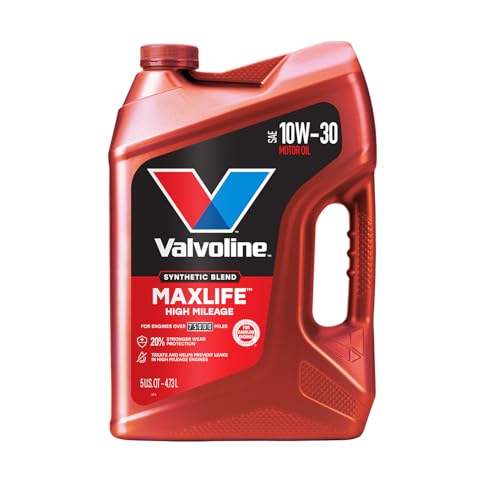
Valvoline High Mileage with MaxLife Technology 10W-30 Synthetic Blend Motor Oil 5 Quart
MaxLife Technology prevents engine breakdown with 40% better wear protection than the industry standard
As an affiliate, we earn on qualifying purchases.
As an affiliate, we earn on qualifying purchases.
Conclusion
Choosing between 5W-30 and 10W-30 is like picking the right gear for a challenging hike. The 5W-30 flows more easily in cold weather, helping your engine start smoothly, while the 10W-30 can thicken and cause problems, much like a trail becoming muddy and difficult to traverse. To keep your engine running smoothly all winter, it’s best to opt for the lower number in cold conditions. Think of it as having the right shoes for the weather—crucial for a safe and comfortable ride.
Briggs & Stratton SAE 5W-30 Synthetic Small Engine Motor Oil – 32 Oz. 100074
100% Synthetic SAE 5W-30
As an affiliate, we earn on qualifying purchases.
As an affiliate, we earn on qualifying purchases.

Husqvarna 32-oz 4-Cycle 5W-30 Synthetic Blend Engine Oil 593153504
Semi-Synthetic 5W-30 4-Stroke Oil
As an affiliate, we earn on qualifying purchases.
As an affiliate, we earn on qualifying purchases.