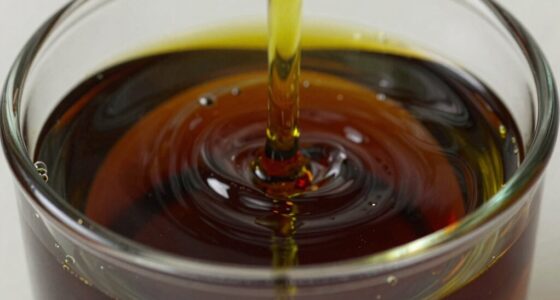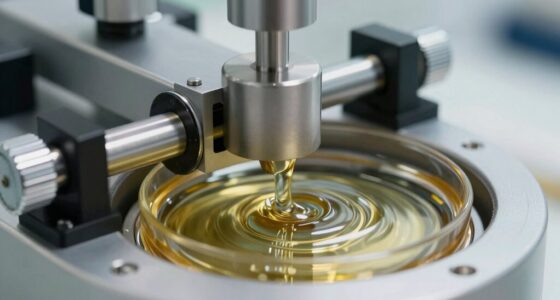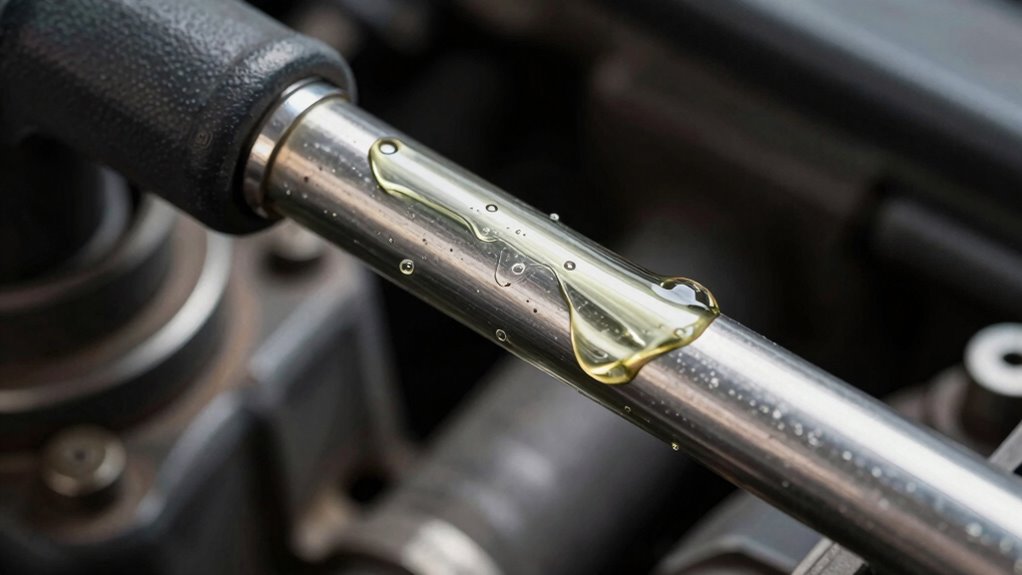

If your oil appears thin, it’s often a sign of underlying issues like fuel dilution or oil breakdown, not just a simple need for an oil change. Fuel mixing with oil reduces its viscosity, weakening its protective layer and increasing engine wear. Over time, degraded oil can lead to poor lubrication, overheating, and engine damage. Recognizing these signs early helps you prevent costly repairs—learn more about what causes oil thinning and how to fix it.
Key Takeaways
- Thin oil often indicates underlying engine issues like fuel dilution or oil breakdown, not a deliberate choice.
- Fuel mixing with oil reduces viscosity, making it thinner and decreasing lubrication effectiveness.
- Engine problems such as faulty injectors or incomplete combustion can cause fuel to contaminate oil.
- Degraded or contaminated oil loses its protective properties, leading to increased engine wear and potential failure.
- Regular monitoring of oil condition helps identify symptoms early and prevent serious engine damage caused by thinning oil.
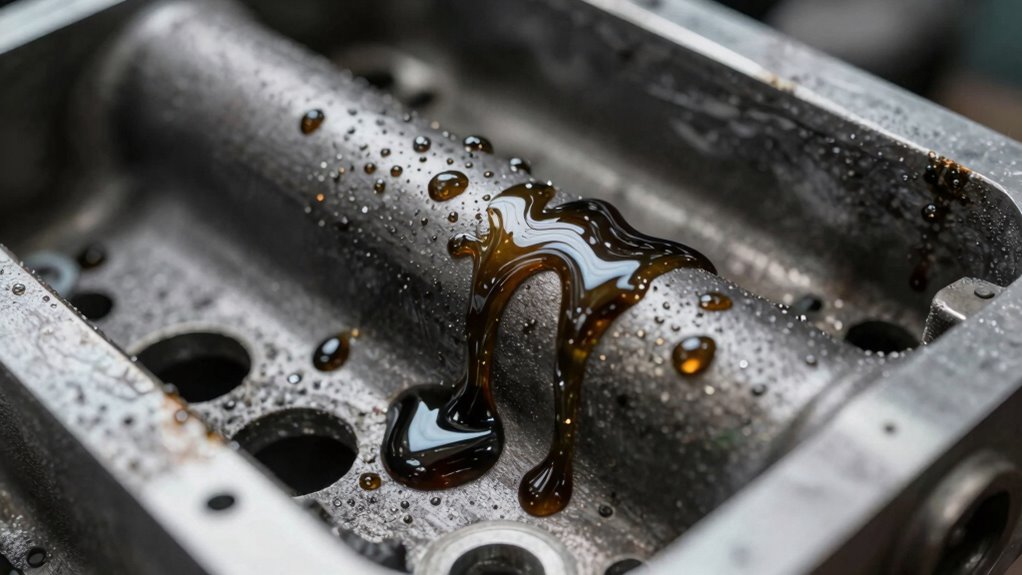
Understanding viscosity and fuel dilution is essential for maintaining ideal engine performance. When your engine oil becomes too thin, it isn’t just a matter of needing a change; it signals underlying issues that could lead to increased engine wear and accelerated oil breakdown. Thin oil fails to provide the necessary lubrication, making engine components more susceptible to friction and wear. Over time, this can cause significant damage, reducing your engine’s lifespan and efficiency. Recognizing the signs of oil thinning helps you avoid costly repairs and keeps your engine running smoothly.
Thin oil signals underlying issues that can damage your engine and reduce its lifespan.
Fuel dilution is one of the main culprits behind unexpected oil thinning. When fuel mixes with the oil, it reduces the oil’s viscosity, transforming a properly formulated lubricant into a thinner, less protective film. This process often results from incomplete combustion, a faulty fuel injector, or overly rich fuel mixtures. As fuel continues to contaminate the oil, its lubrication properties diminish, leading to increased engine wear. You might notice that your oil level rises without adding extra, or that the oil appears unusually thin and milky. These are red flags indicating fuel dilution is compromising your oil’s integrity.
The breakdown of oil is another critical factor contributing to viscosity loss. As oil ages, it naturally degrades due to high operating temperatures and exposure to contaminants. When oil breaks down, it loses its ability to coat engine parts effectively, leading to increased metal-to-metal contact. This process accelerates engine wear and can cause overheating and other performance issues. Thin oil, whether caused by fuel dilution or oil degradation, cannot maintain the protective film needed to prevent component wear. If you notice increased engine noise, rough idling, or higher oil consumption, it could be your oil’s breakdown or thinning at fault.
To prevent these problems, it’s vital to monitor your oil’s condition regularly. Using dipsticks or oil analysis tests, you can check viscosity levels and detect early signs of fuel dilution. If your oil appears unusually thin or milky, or if you notice a higher fuel odor, it’s time for an oil change and a diagnostic check of your engine’s fuel system. Addressing the root causes—such as fixing fuel injectors or managing engine temperatures—will help maintain proper oil viscosity and prevent excessive engine wear. Remember, thin oil isn’t just inconvenient; it’s a symptom of deeper issues that, if left unchecked, can cause serious damage to your engine’s health.

MOLUCKFU Engine Oil Comparator Tool and Transmission Oil Viscosity Tester Acrylic Stand for Accurate Car Maintenance and Quality Testing
Versatile functionality: not only compares engine oil but also tests the viscosity of transmission oil, providing comprehensive oil…
As an affiliate, we earn on qualifying purchases.
As an affiliate, we earn on qualifying purchases.
Frequently Asked Questions
Can Fuel Dilution Cause Long-Term Engine Damage?
Yes, fuel dilution can cause long-term engine damage. When your engine oil becomes diluted, it diminishes lubrication, leading to increased engine wear over time. Additionally, fuel dilution can impact emissions, raising environmental concerns. If you notice thinning oil or rough engine performance, address it promptly to prevent costly repairs and guarantee your engine stays healthy and efficient in the long run.
How Can I Prevent Oil Thinning in My Vehicle?
To prevent oil thinning in your vehicle, stick to regular oil changes and proper engine maintenance. Use the recommended oil viscosity for your engine, and check oil levels frequently. Address any fuel system issues promptly, as fuel dilution can cause oil thinning. Regular inspections help catch early signs of problems, ensuring your engine stays protected and runs smoothly, reducing the risk of long-term damage.
Is Thin Oil Always a Sign of Fuel Contamination?
Thin oil isn’t always a sign of fuel contamination, but it can be a symptom. If you notice your oil is unusually thin, fuel contamination might be the cause, especially if your vehicle’s fuel system has issues. However, other factors like high temperatures or using low-viscosity oil can also cause thinning. Regular oil checks help identify the cause early, so you can address potential problems before they worsen.
What Are the Best Tests to Detect Fuel Dilution?
You should perform a fuel test and oil analysis to detect fuel dilution effectively. Fuel tests measure the presence of gasoline or diesel in the oil, while oil analysis assesses viscosity changes and contamination levels. Regular testing helps you catch fuel dilution early, preventing engine damage. Use these diagnostics to monitor your engine’s health, especially if you notice thinning oil or unusual engine performance.
Does Oil Viscosity Affect Fuel Efficiency?
Imagine your car’s oil has lower viscosity than recommended; this can reduce fuel efficiency because thin oil doesn’t maintain proper engine lubrication. When oil viscosity drops, your engine works harder, consuming more fuel. To optimize fuel efficiency, always make certain your oil matches the manufacturer’s specifications. Proper oil viscosity helps reduce friction, improves engine performance, and ultimately saves you money at the pump.
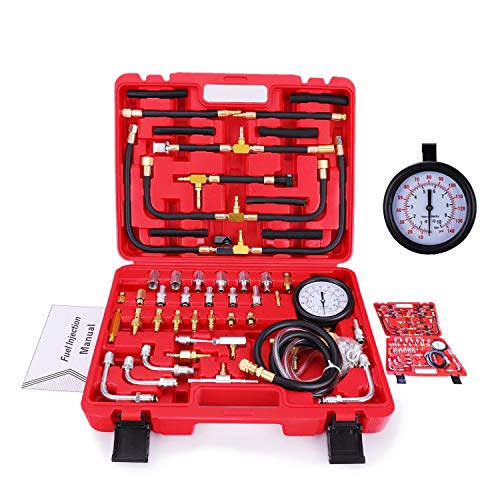
BETOOLL Pro Fuel Injection Pressure Tester Kit Gauge 0-140 PSI
Dual Dial For Accurate Reading, With A 140 PSI /10 Bar Scale
As an affiliate, we earn on qualifying purchases.
As an affiliate, we earn on qualifying purchases.
Conclusion
So, next time your oil feels strangely thin, ask yourself—are you really choosing the right viscosity, or is fuel dilution sneaking in? Thin oil isn’t just a minor inconvenience; it’s a symptom of deeper issues that could harm your engine down the line. Think of your engine as a beating heart—keeping it healthy means paying attention to those subtle signs. Will you catch the warning before it’s too late?
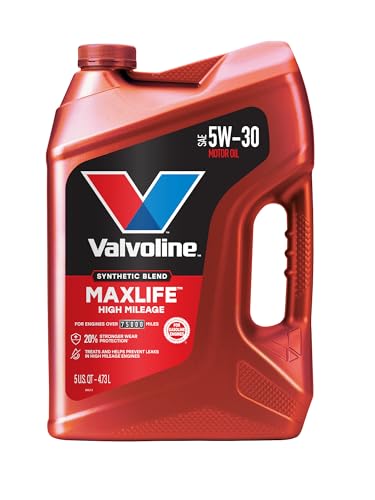
Valvoline MaxLife High Mileage 5W-30 Synthetic Blend Motor Oil 5 Quart
Formulated for engines with 75,000 miles or more, Valvoline MaxLife High Mileage synthetic blend is formulated with seal…
As an affiliate, we earn on qualifying purchases.
As an affiliate, we earn on qualifying purchases.

Oil Quality Test Strips, 40 Strips/Bottle
Easy to use and read, eliminating guesswork
As an affiliate, we earn on qualifying purchases.
As an affiliate, we earn on qualifying purchases.