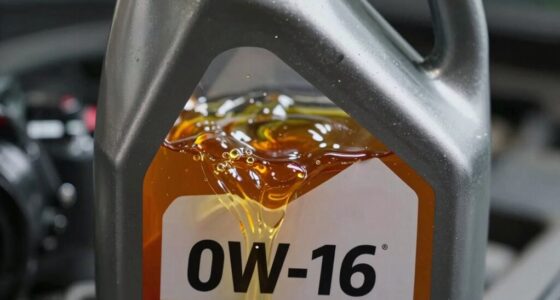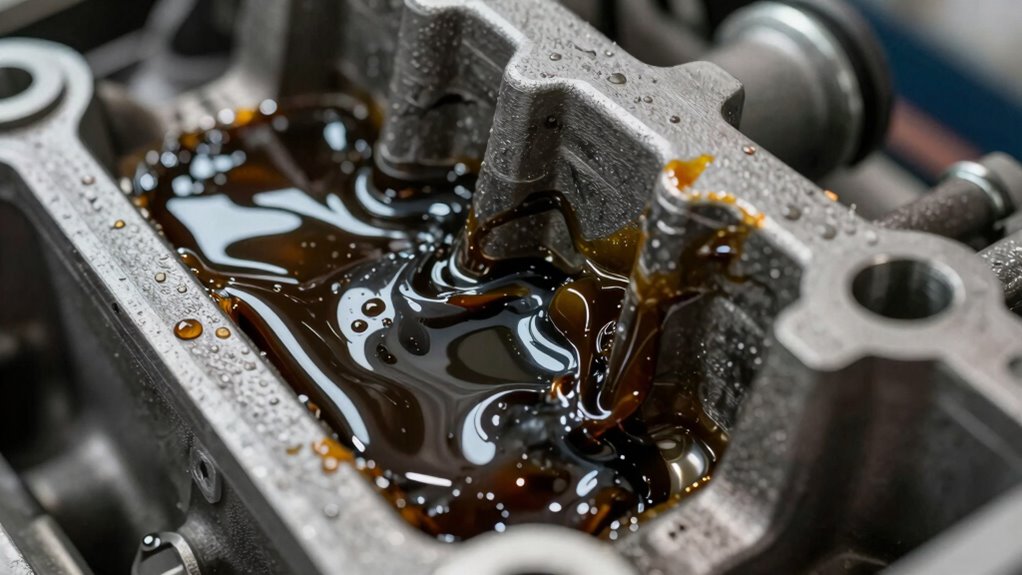
Oils shear down when mechanical forces from gears, bearings, and pistons break down their molecular structure, causing viscosity to drop. This thinning reduces the oil’s film strength, risking metal contact and equipment wear. Shear can happen silently over time, especially under heavy loads or high temperatures. Recognizing subtle signs and understanding how shear affects viscosity are essential, so if you want to protect your machinery better, you’ll discover more about preventing and managing oil shear here.
Key Takeaways
- Mechanical shear forces from machinery components break down oil’s internal structure, reducing viscosity unnoticed during regular operation.
- Shear thinning causes oil to become thinner under stress, impairing its ability to form effective lubrication films.
- Elevated temperatures and high shear conditions accelerate viscosity loss, often without immediate visible signs.
- Standard visual inspections rarely detect viscosity reduction; regular oil analysis is necessary to identify shear-induced changes.
- Without early detection, reduced viscosity leads to increased wear, overheating, and potential machinery failure.
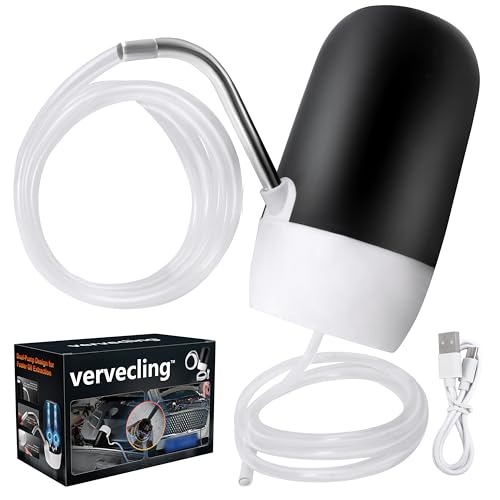
vervecling Oil Pump Extractor, Upgraded Self-Powered Electric Oil Change Pump, No Need Powered by Car, Engine Oil Transfer Pump, Fluid Transfer Pump for Marine, Boat, Car, ATV, RV, Truck, Motorbike
Zero Car Supply Power Drain:our self-powered electric oil extractor pump don't need to be powered by your car...
As an affiliate, we earn on qualifying purchases.
Why Does Oil Shear Matter for Machinery Performance?
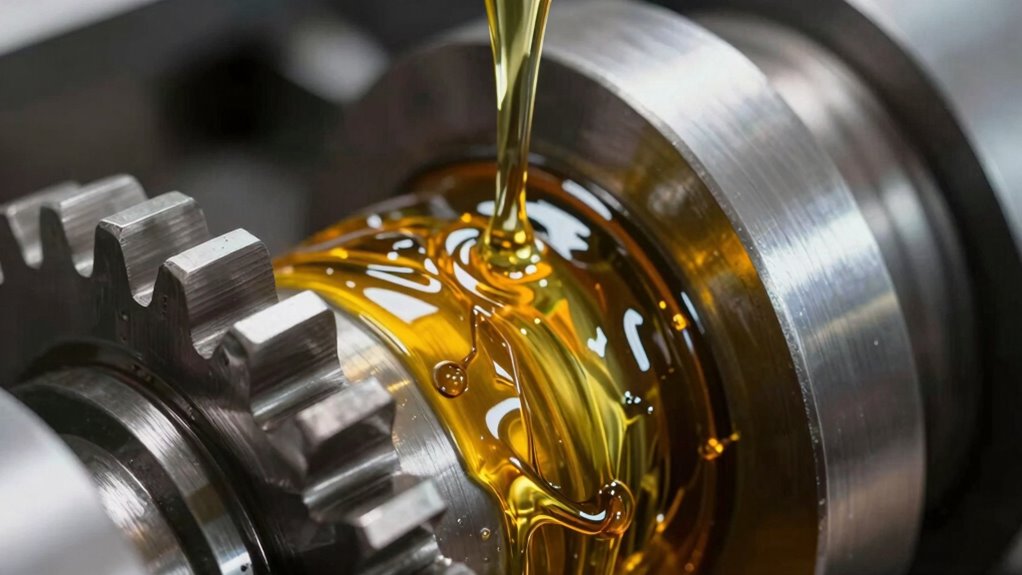
Have you ever wondered how the viscosity of oil influences machinery performance? Viscosity determines how easily oil flows within your equipment, impacting lubrication and heat transfer. When oil is too thick, it creates resistance, making machinery work harder and increasing wear. Conversely, if the oil becomes too thin, it may fail to form a proper protective film, leading to metal-on-metal contact and damage. Maintaining ideal viscosity ensures machinery runs smoothly, efficiently, and with less risk of breakdown. Shear forces can reduce viscosity over time, even if the oil initially met specifications. Recognizing how viscosity influences performance helps you choose the right oil and monitor it regularly, preventing costly repairs and downtime. Proper oil management is essential for reliable, long-lasting machinery operation. Understanding viscosity ratings aids in selecting suitable oils and extends equipment lifespan, especially when considering Free Floating effects on oil behavior. Additionally, awareness of shear stability helps prevent unexpected viscosity changes that can compromise machinery performance, emphasizing the importance of oil formulation in maintaining optimal viscosity. Furthermore, staying informed about viscosity index can assist in predicting how oils will behave under various operating conditions, ensuring consistent protection and performance.
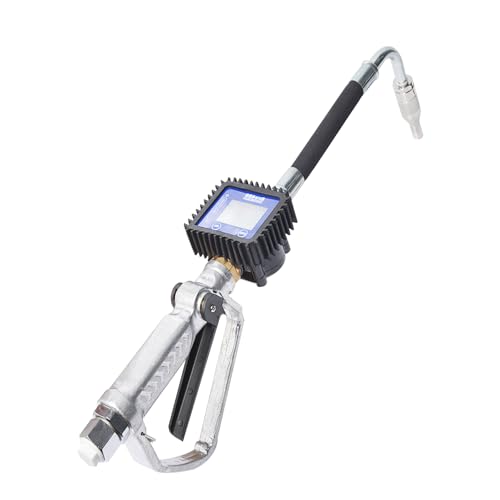
JAHEZYAN Digital Oil Control Valve Meter Dispenser, with 1/2" NPT Inlet, Digital Oil Control Valve Meter Nozzle Gun, with LCD Display, Air Operated Oil Control Valve Gun, for engine oil etc
【LCD Display】The Digital Oil Control Valve Meter Nozzle features a 5-digit LCD display that shows both the single...
As an affiliate, we earn on qualifying purchases.
What Is Oil Shear, and How Does It Reduce Viscosity?

Oil shear occurs when mechanical forces within equipment cause the oil’s internal structure to break down, leading to a reduction in its viscosity. When components move against each other, they create shear stresses that distort the oil’s molecules and align them differently. This process disrupts the thick, cohesive network that gives oil its high viscosity. As a result, the oil becomes thinner and flows more easily. You might not notice this change immediately, but it can considerably impact lubrication performance. Proper oil maintenance is essential to detect and mitigate the effects of shear on viscosity. When oil shear happens, the oil’s ability to maintain a protective film diminishes, increasing metal contact and wear. Recognizing the signs of viscosity change can help prevent equipment damage and ensure optimal operation. Understanding how shear reduces viscosity helps you recognize why maintaining proper oil conditions is crucial for equipment longevity, especially since oil degradation can accelerate without proper monitoring. Additionally, implementing regular oil analysis can help detect early signs of shear-induced viscosity reduction before significant damage occurs. Being aware of shear effects allows operators to take preventative measures and extend the lifespan of machinery components.
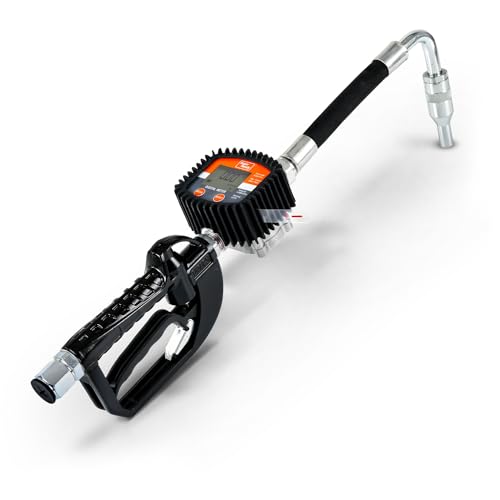
SuperHandy Digital Oil Control Valve Flow Meter Dispenser Nozzle 10 GPM / 35 LPM Heavy Duty Air Operated Pneumatic 1/2" Inch NPT Inlet Pressure Range 70-725 Psi Flexible Spout
DIGITAL OIL CONTROL VALVE - This Commercial capable Digital Oil Control Valve is designed for all DIY or...
As an affiliate, we earn on qualifying purchases.
What Causes Oil Shear During Operation?
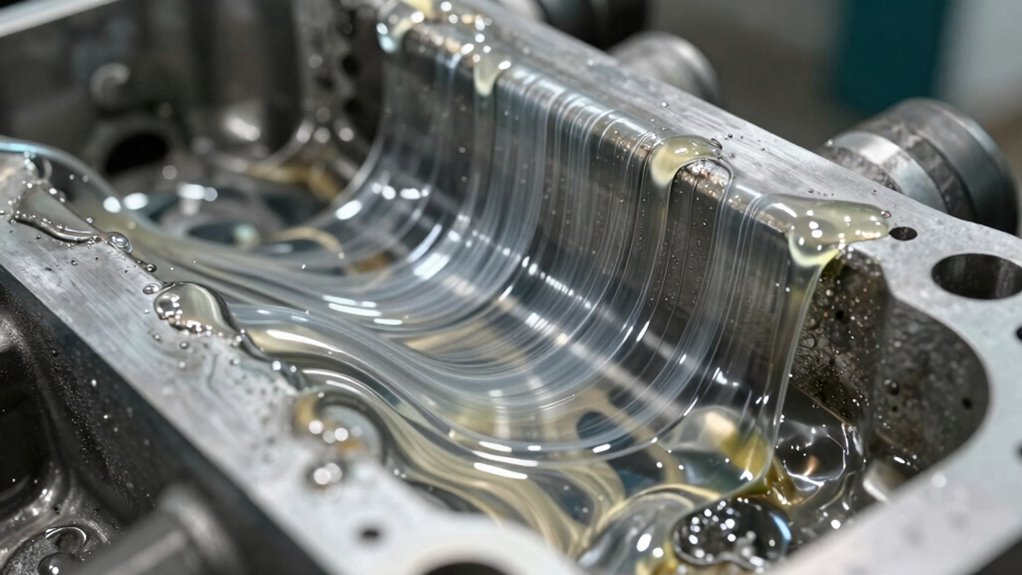
During operation, oil shear occurs primarily due to the intense mechanical forces generated within machinery components. As gears, bearings, and pistons move, they create high shear stresses that stretch and distort the oil molecules. This constant agitation causes the oil’s structure to break down, reducing its viscosity. Rapid movements and heavy loads increase shear forces, making the oil more prone to shear thinning. Additionally, high temperatures from friction lower the oil’s resistance to shear, accelerating viscosity loss. Pumping actions and turbulence within the lubrication system also contribute by continuously disturbing the oil’s molecular arrangement. Basically, the combination of mechanical stress, thermal effects, and fluid dynamics during operation causes the oil to shear down, impacting its protective and lubricating properties over time. The measurement accuracy of viscosity is crucial to properly monitor and address these changes before they lead to equipment failure. Understanding viscosity reduction helps in selecting the right oils and maintenance strategies to mitigate shear-related issues. Recognizing the role of thermal effects in viscosity change can guide better cooling practices to preserve oil integrity. Moreover, molecular structure plays a significant role in how well the oil can withstand shear forces without breaking down. The composition of the oil also influences its ability to resist shear forces, as additives can improve shear stability.

Digital Oil Control Valve Meter Nozzle - 1/2" NPT Inlet, 1500 Psi 100 Bar Pressure - Lubricant Fueling With Flow Meter
【Feature】--- Digital Oil Control Valve Meter Nozzle, This Simlug Digital Control Valve has a Max Flow rate of...
As an affiliate, we earn on qualifying purchases.
How Can You Detect Signs of Oil Shear in Equipment?
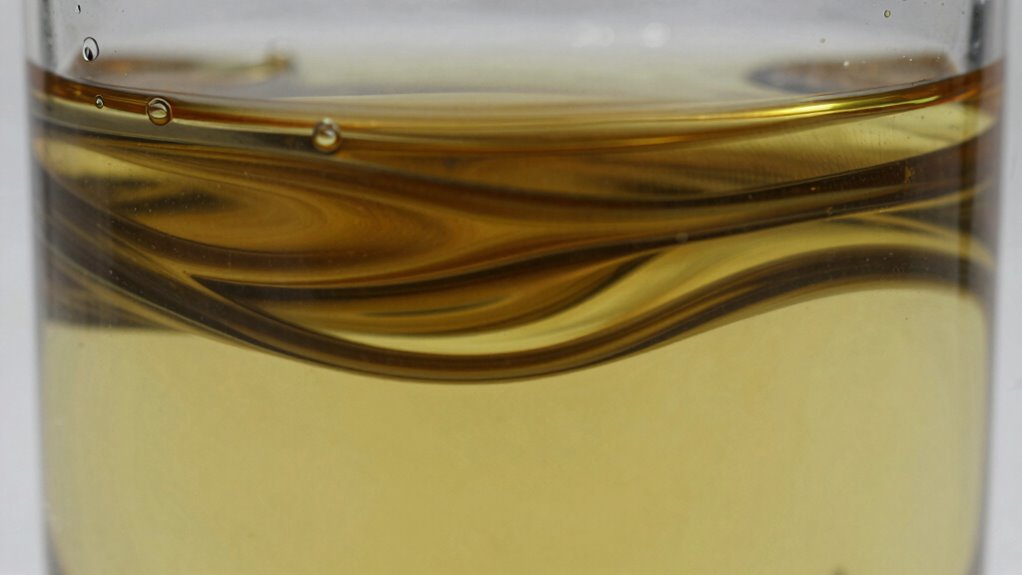
Detecting signs of oil shear in equipment involves paying close attention to changes in performance and oil condition. If you notice equipment running hotter, experiencing increased vibrations, or showing reduced efficiency, it could indicate oil shear. Regularly inspect oil samples for visual signs like cloudiness, frothing, or a noticeable decrease in viscosity. Monitoring oil pressure and flow rates can also reveal issues—sudden drops may signal thinning oil. Keep an eye on oil analysis reports for lowered viscosity readings or elevated metal wear particles. Listening for unusual sounds or observing slower startup times can further hint at degraded oil performance. Being vigilant about these indicators helps you catch shear-related problems early, preventing costly damage and ensuring your machinery runs smoothly. Recognizing early viscosity changes can be crucial in avoiding equipment failure caused by unnoticed shear. Additionally, understanding how shear stability impacts oil longevity can help in selecting the right lubricants for your equipment. Regular maintenance and oil testing are essential practices to detect and address shear before it causes significant issues. Implementing comprehensive monitoring techniques can further enhance early detection efforts, safeguarding your equipment and extending its operational life. Performing routine oil analysis can reveal subtle signs of degradation that might otherwise go unnoticed.
How Do You Test and Measure Oil Shear Effectively?

To effectively measure oil shear, you need to understand viscosity testing methods and what shear stability indicators reveal about oil performance. You’ll also want to compare laboratory tests with field evaluations to get a complete picture. This approach helps you accurately assess how your oil responds under real-world conditions. Additionally, considering the decoding fan culture can provide insights into how industry professionals interpret and value different testing results.
Viscosity Testing Methods
How can you accurately assess an oil’s shear stability? You start with viscosity testing methods like the Rotational Viscometer or the Capillary Viscometer, which measure the oil’s resistance to flow at different temperatures. To test shear stability specifically, you’ll perform a shear test, often using a shear stability tester that applies controlled shear stress. This simulates operating conditions, revealing how viscosity changes under load. You record viscosity before and after shear application to determine the oil’s shear stability index. Regular testing ensures you catch viscosity drops early, preventing equipment issues. Incorporating standardized procedures and proper calibration is essential for consistent and reliable results. Precise measurements depend on calibrated equipment and standardized procedures, helping you identify oils prone to shear down before costly failures occur. Emphasizing consistent testing practices can also improve the detection of subtle viscosity changes over time, supporting better maintenance decisions. Adopting a growth mindset can foster continuous improvement in testing accuracy and maintenance practices, supporting better understanding and prevention of shear-related issues.
Shear Stability Indicators
Shear stability indicators provide valuable insights into how an oil performs under operational stresses that cause shear. To evaluate these indicators, you typically use specialized testing equipment that measures viscosity before and after applying shear forces. One common method involves using a shear stability tester, which subjects oil samples to controlled shear conditions at specific temperatures. You then compare the initial viscosity to the post-shear viscosity to assess the oil’s resistance to viscosity loss. Consistent results across multiple tests signal good shear stability. These measurements help you predict how the oil will behave in real-world conditions, ensuring it maintains its protective qualities over time. Proper testing methods are essential to obtaining accurate shear stability data, and understanding these results can help you select oils that are less prone to breakdown, extending equipment life and reducing maintenance costs. Additionally, viscosity changes over time can indicate impending oil failure, emphasizing the importance of regular testing to maintain optimal performance.
Laboratory vs. Field Tests
Have you ever wondered whether laboratory tests accurately reflect how oils perform in real-world conditions? While labs use standardized shear stability tests, these results often don’t capture actual operating environments. In the lab, tests are controlled, consistent, and faster, but they can oversimplify complex factors like temperature fluctuations, load variations, and contamination. Field tests, on the other hand, measure how oils behave in actual machinery over time. They provide real-world data on viscosity loss and shear stability, but are more costly and time-consuming. To effectively assess an oil’s shear performance, you need a combination of both: laboratory tests for initial screening and field tests for confirmation. This dual approach guarantees you understand how your oil will perform under real working conditions, preventing costly failures.
What Are Practical Ways to Prevent or Reduce Oil Shear?
To prevent or reduce oil shear, you should choose shear-resistant oils that maintain stability under stress. Keeping your oil’s viscosity at the right levels is also essential for minimizing shear effects. Additionally, regular oil monitoring helps catch shear issues early and guarantees ideal performance.
Use Shear-Resistant Oils
Using shear-resistant oils is an effective way to minimize oil degradation caused by mechanical stresses. These oils are specially formulated with stable thickening agents that resist breakdown under high shear conditions. When you choose shear-resistant oils, you reduce the likelihood of viscosity loss and maintain ideal lubrication performance over time. Look for oils labeled as shear-stable or shear-resistant, which often contain additives designed to reinforce their structure. Implementing these oils ensures your equipment experiences less wear and tear, especially during high-stress operations. By investing in shear-resistant formulations, you proactively prevent viscosity decline. This approach helps extend oil life, improve efficiency, and reduce maintenance costs, making it a practical solution for safeguarding your machinery against shear-induced oil degradation.
Maintain Proper Viscosity Levels
Maintaining proper viscosity levels is essential for ensuring your equipment runs smoothly and efficiently. To prevent oil shear, choose oils formulated with shear-resistant additives that help maintain viscosity under stress. Follow the manufacturer’s recommended oil change intervals; using fresh oil reduces shear degradation over time. Avoid overloading your equipment or operating at extreme temperatures, which can accelerate shear effects. Keep your equipment clean and well-maintained, as dirt and debris can compromise oil performance. Additionally, select oils with appropriate viscosity ratings for your specific application, avoiding excessive thinness or thickening. By adhering to these practices, you help preserve oil stability, reduce shear-related viscosity loss, and extend the lifespan of your equipment.
Regular Oil Monitoring
How can you effectively prevent or reduce oil shear through regular monitoring? The key is to track viscosity levels consistently. Use portable viscometers or send oil samples to a lab at scheduled intervals, especially during high-stress operation or after extended use. Keep detailed records to identify trends over time. Sudden drops in viscosity can signal shear damage, allowing you to act before equipment performance declines. Incorporate oil condition sensors that provide real-time data, alerting you to changes immediately. Regular monitoring helps you catch shear effects early, ensuring timely oil changes or adjustments. This proactive approach minimizes equipment wear, maintains ideal lubrication, and prolongs oil life, ultimately saving you money and avoiding costly breakdowns.
How to Choose the Best Oil to Resist Shear and Protect Your Machinery
Choosing the right oil to resist shear and protect your machinery starts with understanding its viscosity and film strength. You want an oil that maintains its viscosity under stress, forming a durable film that prevents metal-to-metal contact. To pick the best oil:
- Look for high shear stability ratings—these oils resist thinning under pressure.
- Choose oils with additives like viscosity index improvers, which help maintain consistent viscosity.
- Consider synthetic oils—they generally offer better shear resistance and stability over a wide temperature range.
Frequently Asked Questions
How Does Oil Shear Impact Long-Term Machinery Reliability?
Oil shear can considerably impact your machinery’s long-term reliability by reducing its viscosity, which weakens the oil’s ability to lubricate properly. When the oil shear downs, it increases metal-to-metal contact, accelerates wear, and can cause overheating. Over time, these effects lead to costly repairs and potential downtime. Regularly monitoring oil viscosity and choosing shear-stable oils helps maintain peak lubrication, ensuring your equipment stays reliable and efficient.
Are Certain Oil Additives More Effective Against Shear Degradation?
Think of additives like armor for your oil. Some, like viscosity index improvers, are more effective against shear degradation because they form a protective barrier that resists breakdown. For example, anti-shear agents can boost viscosity retention by up to 30%, ensuring your machinery runs smoothly longer. Choosing the right additive depends on your operating conditions, but investing in shear-resistant formulas can save costly repairs down the line.
Can Oil Shear Occur in Non-Lubrication Applications?
Yes, oil shear can occur in non-lubrication applications. When oils are used in hydraulic systems, compressors, or other machinery, they experience stress and shear forces that can break down their structure. This reduces viscosity, impacting performance and protection. You should monitor oil condition regularly, regardless of the application, to prevent unexpected failures. Proper maintenance and selecting shear-stable oils help ensure reliable operation across all uses.
What Are Industry Standards for Acceptable Oil Shear Levels?
Industry standards typically accept up to a 10-20% reduction in viscosity due to shear. You should regularly check your oil’s viscosity against manufacturer specifications and use test methods like CCS or MRV. Staying within these limits helps guarantee your equipment’s protection and efficiency. If the shear exceeds standards, consider using shear-stable oils or additives to maintain proper viscosity and prevent potential damage.
How Does Temperature Influence Oil Shear and Viscosity Change?
Temperature directly affects oil shear and viscosity by causing it to become less viscous as it heats up and thicker when it cools down. When the temperature rises, your oil shear stability can decrease, leading to a drop in viscosity that may harm engine performance. Conversely, colder temperatures increase viscosity, making the oil thicker and potentially reducing lubrication efficiency. Monitoring temperature helps you maintain ideal oil viscosity and shear stability.
Conclusion
Understanding oil shear might seem like a minor detail, but it’s the silent factor that can compromise your machinery’s performance. Just as a seemingly small crack can undermine a sturdy wall, unnoticed viscosity loss can lead to costly failures. By paying attention to oil shear, you’re not just protecting equipment—you’re ensuring reliability. In this subtle balance between performance and wear, awareness is your best safeguard against the hidden damage that shear can cause.