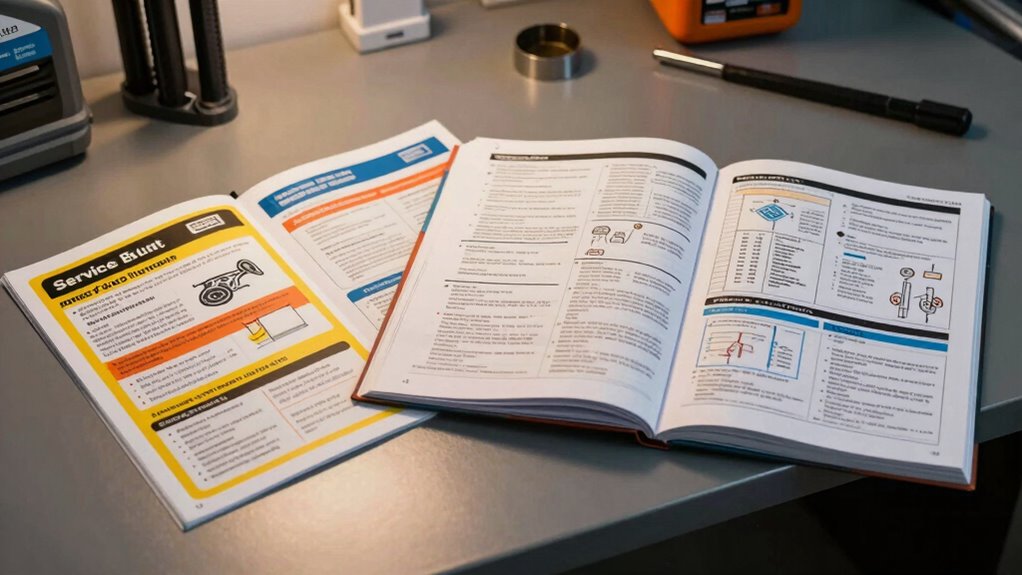

When it comes to oil specifications, service bulletins take precedence over manuals because they include the latest safety updates, industry standards, and manufacturer recommendations. Bulletins are reactive documents, quickly updating your maintenance protocols, especially for critical components like oils. Manuals set the baseline, but if a bulletin recommends a different oil grade or additive, you should follow it. Stick with the current guidance, and you’ll guarantee safety, compliance, and peak performance—learn more to stay ahead.

Get business pricing on garage and car supplies
- Business-only prices and quantity discounts
- Tax-exempt purchasing
- Multiple users, one account, clear invoices
Key Takeaways
- Service bulletins override manual guidelines when they specify updated or model-specific oil requirements.
- Manuals provide the baseline specifications, but bulletins reflect the latest safety and performance updates.
- Following recent service bulletins is essential to ensure compliance and maintain warranty coverage.
- Manuals are general references; bulletins offer scenario-specific, often more current, oil recommendations.
- For critical oil specifications, the most recent service bulletin generally takes precedence over manual instructions.
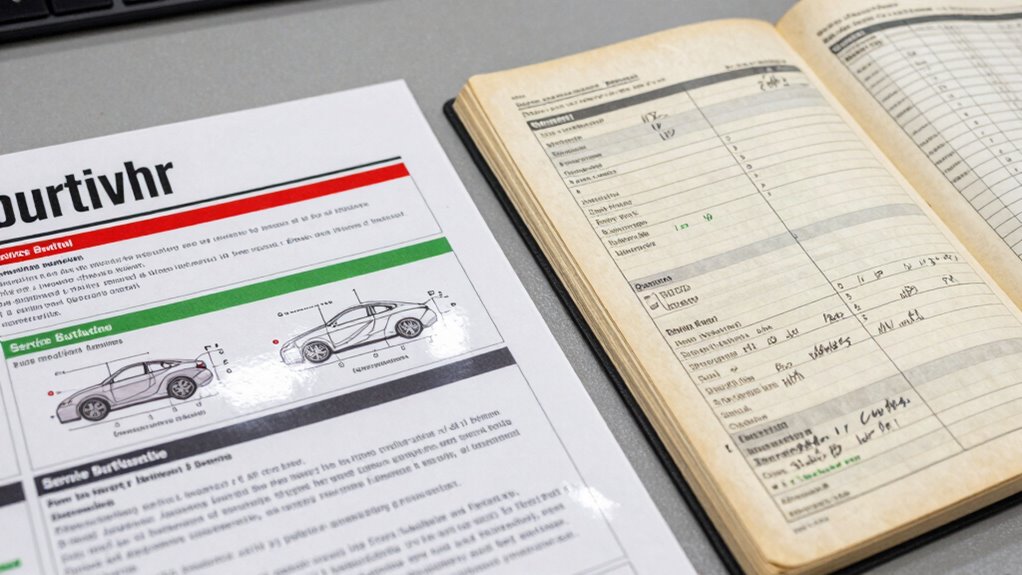
When maintaining or repairing aircraft, understanding the difference between service bulletins and manuals is essential. These documents serve distinct roles in guiding maintenance procedures, especially when it comes to critical specifications like oil types. Service bulletins are issued by manufacturers to alert operators about necessary updates, modifications, or safety concerns. They often include specific instructions that are crucial for compliance and optimal aircraft performance. Manuals, on the other hand, are comprehensive resources that outline standard maintenance protocols, operational procedures, and technical details. Knowing when to rely on each can prevent costly mistakes and ensure adherence to warranty guidelines.
Understand the key differences between service bulletins and manuals to ensure proper aircraft maintenance and warranty compliance.
Service bulletins are typically issued in response to identified issues, safety recommendations, or upgrades. They are more dynamic and can be updated frequently, reflecting the latest industry standards or manufacturer insights. When it comes to oil specifications, a service bulletin might specify a particular grade or additive for certain aircraft models, especially if recent findings suggest improved performance or safety. Following these bulletins isn’t just about compliance; it’s about maintaining the aircraft’s warranty coverage. Manufacturers often tie warranty guidelines to adherence to service bulletins, meaning neglecting them could void warranties or lead to disputes if problems arise later.
Manuals, in contrast, provide the baseline for all maintenance activities. They detail approved procedures, including the correct type of oil to use under normal conditions. These documents are designed to ensure consistency and safety across all maintenance tasks, serving as the authoritative source for aircraft operation. While manuals contain the general specifications, service bulletins update or refine these details, often highlighting specific scenarios where standard practices must be adjusted. For example, a manual might specify a general oil type, but a service bulletin could recommend a specialized oil for high-altitude or extreme temperature operations. It’s also important to recognize that up-to-date information from service bulletins can supersede older manual guidelines for safety and performance reasons.
In practice, you should always cross-reference manuals with recent service bulletins before performing maintenance, especially when it involves fluid specifications. This approach ensures you’re following the latest standards, maintaining the aircraft’s integrity, and staying within warranty guidelines. Ignoring updates from service bulletins can lead to using outdated or incorrect oils, which could compromise safety and lead to costly repairs or warranty denials. Ultimately, both documents are vital: manuals for standard procedures and service bulletins for updates and safety enhancements. By understanding their roles and adhering to both, you ensure the aircraft remains safe, compliant, and performing optimally.
As an affiliate, we earn on qualifying purchases.
Frequently Asked Questions
Do Service Bulletins Override Manual Oil Specifications?
Service bulletins don’t override manual oil specifications because manufacturer flexibility varies, but industry standards prioritize the manual’s guidelines. You should always follow the official manual for oil specs to guarantee safety and performance. While service bulletins can suggest updates or improvements, they’re not legally binding and won’t supersede the manufacturer’s original instructions. Trust the manual as your primary source, with service bulletins as supplementary information.
How Often Are Service Bulletins Updated Compared to Manuals?
Service bulletins are typically updated more frequently than manuals because they address urgent issues or recent findings, affecting maintenance schedules and certification standards. You should check the latest service bulletins regularly to stay current with recommended practices. Manuals tend to be more static, serving as complete references, but for the most up-to-date oil specs, rely on the latest service bulletins to guarantee your aircraft remains compliant and safe.
Can Service Bulletins Recommend Different Oil Types Than Manuals?
Yes, service bulletins can recommend different oil types than manuals. Industry standards and manufacturer guidelines sometimes lead to updates in service bulletins to address new conditions or improve performance. You should always follow the latest manufacturer guidelines, but also consider service bulletins as they may contain important, timely recommendations that reflect current best practices. Always verify with official sources to confirm you’re using the correct oil type for your vehicle.
Are Service Bulletins Considered Official Documentation for Oil Specs?
Service bulletins are not considered official documentation for oil specs, as industry standards and manufacturer documentation hold that status. You should always rely on the manufacturer’s official manuals for accurate oil specifications. Service bulletins provide helpful updates or recommendations, but they don’t replace or override the official documentation. To guarantee proper maintenance, always follow the specifications outlined in the manufacturer’s official manuals, not just the advice found in service bulletins.
Have you ever wondered who truly determines the final oil specs? The answer is the manuals, as they provide the official, technically accurate guidelines you must follow. Service bulletins offer updates and recommendations but don’t override the manual’s authority. For regulatory compliance and technical accuracy, always prioritize the manual. It’s your definitive source, ensuring you meet safety standards and manufacturer requirements without question.
As an affiliate, we earn on qualifying purchases.
Conclusion
Ultimately, choosing between service bulletins and manuals is like selecting a trusted map or a guiding star. Both serve as your compass in steering oil specs, but the manual offers the steady ground, while the bulletin provides timely updates—like a lighthouse guiding you through fog. Trust that your decision, whether rooted in tradition or current insight, will lead you safely forward. Remember, your vehicle’s health depends on the path you choose to follow.
As an affiliate, we earn on qualifying purchases.
As an affiliate, we earn on qualifying purchases.
Fall Picks
fall essentials
As an affiliate, we earn on qualifying purchases.