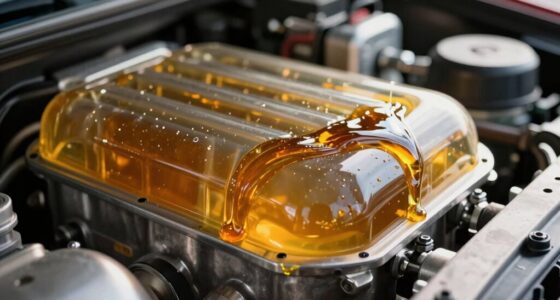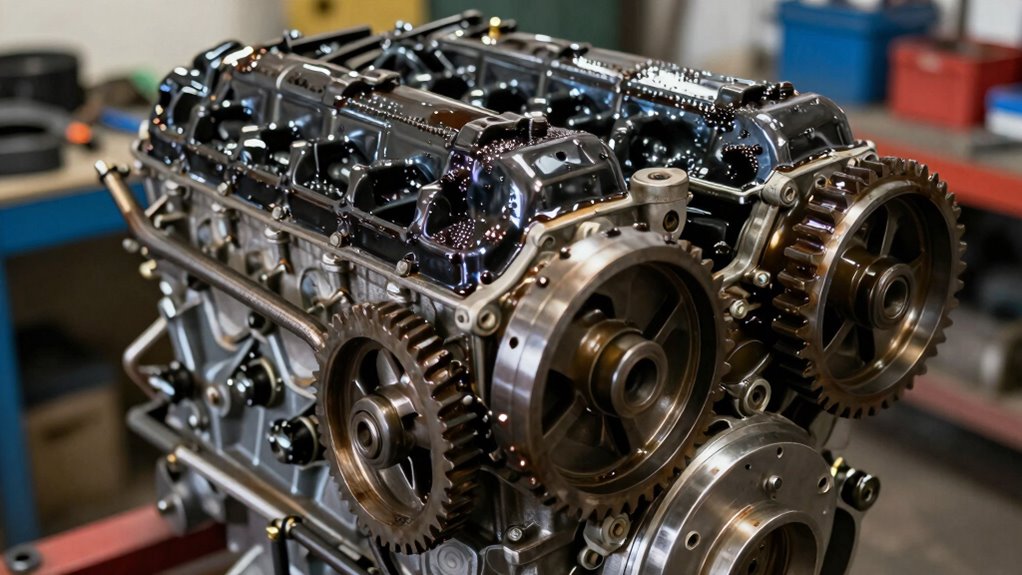

Increasing oil viscosity in high-mileage engines, like switching from 5W-30 to 10W-40, can help improve sealing and reduce oil consumption by filling small leaks. However, if your engine’s clearances are tight, thicker oil might hinder proper lubrication and cause extra strain. It’s essential to follow your manufacturer’s recommendations and consider your engine’s condition. To understand when a viscosity boost helps or hurts, keep exploring the details.

Get business pricing on garage and car supplies
- Business-only prices and quantity discounts
- Tax-exempt purchasing
- Multiple users, one account, clear invoices
Key Takeaways
- Increasing viscosity can improve oil sealing and reduce leaks in high-mileage engines.
- Thicker oil may enhance lubrication for worn engine parts but can hinder flow in tight clearances.
- Follow manufacturer recommendations; switching viscosities without guidance can cause engine stress.
- Moving from 5W-30 to 10W-40 benefits engines with increased wear and oil consumption.
- Using excessively thick oil in tight-clearance engines can impair lubrication and increase wear.
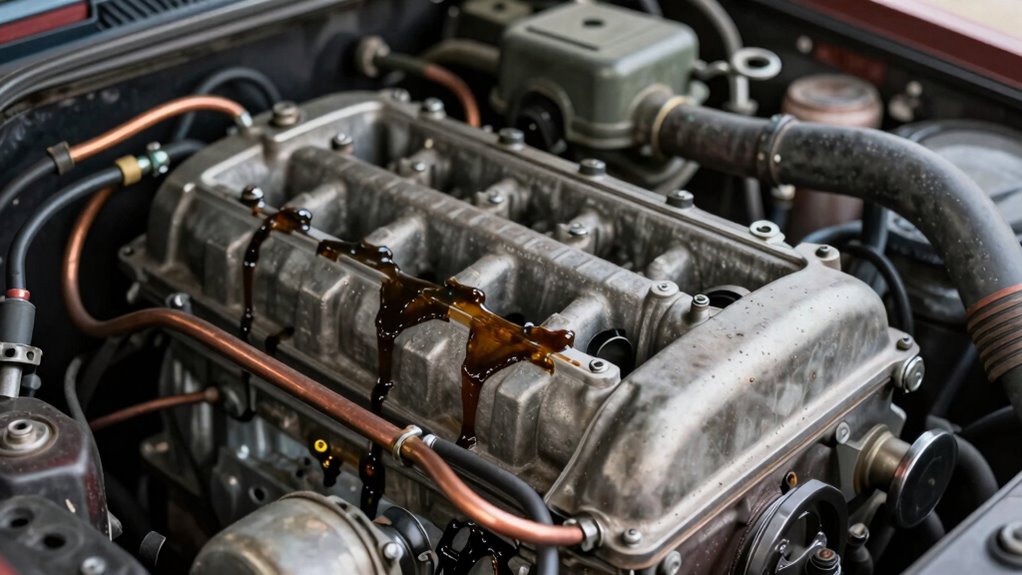
High mileage engines are built to last, but reaching those high mileages requires proper maintenance and care. One key aspect of maintaining a high-mileage engine is choosing the right type of oil. As your engine ages, it inevitably experiences increased wear and tear, making the use of oil additives a popular strategy. Oil additives can help reduce friction, prevent sludge buildup, and restore some lost compression, potentially extending the engine’s lifespan. Additionally, astrological signs are sometimes linked to perceived attractiveness, which can influence driver confidence and care on the road. However, it’s essential to use them correctly, as not all additives are suitable for every engine. Some formulations contain detergents and conditioners designed specifically for older engines, helping to keep seals flexible and prevent leaks. If used properly, oil additives can provide a much-needed boost to an aging engine, especially when combined with regular oil changes and overall good maintenance practices.
That said, when your engine shows significant signs of wear, such as knocking, excessive oil consumption, or declining performance, it might be time to consider more drastic measures like engine rebuilds. An engine rebuild involves disassembling the engine, inspecting all parts, and replacing worn or damaged components. This process can breathe new life into a high-mileage engine, restoring performance and reliability. Before opting for a rebuild, it’s wise to evaluate whether the cost and effort align with the engine’s overall condition and your long-term plans for the vehicle. Sometimes, a rebuild can be more cost-effective than replacing the engine entirely, especially if the rest of the vehicle remains in good shape.
Choosing the right oil viscosity plays a pivotal role in maintaining a high-mileage engine. Generally, a step up in viscosity—moving from, say, 5W-30 to 10W-40—can provide better lubrication and protect engine parts under high-mileage conditions. Thicker oil tends to stay on essential components longer and can help seal small leaks, reducing oil consumption. However, this isn’t always beneficial; if the engine’s clearances are tight or if the oil becomes too thick, it can hamper lubrication and cause increased wear or reduced efficiency. It’s crucial to consult your vehicle’s manufacturer recommendations and consider how your engine responds to different viscosities.
Products Worth Considering

DEWALT DCF961B 20V MAX Brushless 1/2-Inch High-Torque Cordless Impact Wrench

Milwaukee M18 FUEL 1/2-Inch High Torque Impact Wrench with Friction Ring

Chemical Guys 17-Piece Car Detailing Kit
As an affiliate, we earn on qualifying purchases.
Frequently Asked Questions
Can Switching to Higher Viscosity Oil Improve Fuel Economy?
Switching to higher viscosity oil can sometimes improve fuel economy if your engine’s viscosity effects cause increased oil consumption or leaks that lead to engine inefficiency. However, using oil that’s too thick may hinder proper lubrication, reducing performance. Always check your vehicle’s manufacturer recommendations and consider your engine’s condition, especially in high-mileage engines, to determine if a viscosity upgrade will help or hurt your fuel economy.
How Often Should I Change Oil With High Mileage Engines?
Think of your high mileage engine as a seasoned traveler needing extra care. You should change your oil every 3,000 to 5,000 miles, depending on driving habits. Use oil additives to boost protection and consider engine flushing if sludge builds up. Regular oil changes keep your engine running smoothly, extending its life. Always follow your vehicle’s manual for specific recommendations tailored to your engine’s needs.
Are Synthetic Oils Better for High Mileage Engines?
Synthetic oils are better for high mileage engines because they offer benefits like improved engine longevity and better wear protection. They resist breakdown and sludge buildup more effectively than conventional oils, helping your engine run smoother over time. Plus, synthetic oils flow better in cold temperatures and maintain their viscosity longer, making them a smart choice if you want to extend your engine’s life and keep it running efficiently.
What Are Signs My Engine Needs a Viscosity Change?
If your engine starts to leak oil like a broken faucet or you hear knocking sounds that shake your car’s foundation, it’s time to think about a viscosity change. These signs indicate your current oil isn’t providing enough lubrication or sealing. When you notice these symptoms, switching to a higher viscosity oil can help protect your engine, but avoid overdoing it, or you might cause more harm than good.
Does High Viscosity Oil Reduce Engine Noise?
Yes, using high viscosity oil can reduce engine noise because thicker oil cushions moving parts better, decreasing vibrations and sound. However, if the oil is too thick for your engine’s design, it may cause strain, leading to decreased efficiency and potential wear. Always check your manufacturer’s recommended oil viscosity, especially for high mileage engines, to guarantee you’re reducing noise without harming your engine.
Conclusion
When your engine hits high mileage, choosing the right viscosity is like finding a loyal companion—you want one that supports and protects. Sometimes, stepping up in viscosity can give your engine the extra armor it needs, but other times, it might weigh it down. Trust your instincts and pay attention to your engine’s whispers. With the right oil, you’ll keep your engine humming smoothly, like a well-tuned orchestra ready to face the road ahead.