
Some high-quality oils don’t list OEM approvals because manufacturers often find the approval process costly and lengthy. They might focus on innovation and formulation flexibility instead of certification, which can be restrictive. These oils often meet broader standards or are designed for specific performance needs. If you’re curious about how these oils compare and why they can be just as good, there’s more to uncover about their benefits and qualities.
Key Takeaways
- OEM approval processes are costly and time-consuming, so some high-quality oils opt out of certification.
- Manufacturers may prioritize innovative formulations over meeting strict OEM approval standards.
- Oils designed to meet broader industry standards can be high quality without OEM listing.
- Approval criteria can restrict formulation flexibility, limiting some premium oils from seeking OEM approval.
- Many high-performance oils focus on performance benefits rather than OEM certification for broader compatibility.
Are all oils created equal when it comes to vehicle maintenance? Not necessarily. Many high-quality oils, including synthetic blends, don’t list OEM approvals, but that doesn’t mean they’re not suitable or even superior in some cases. Manufacturers of oils often choose not to pursue OEM approval for various reasons, which can relate to cost, formulation flexibility, or a focus on certain performance attributes. Synthetic blends, for example, combine synthetic base oils with conventional oils, offering a balance of protection and affordability, and they often come with robust additive packages that enhance engine performance. These additive packages include detergents, anti-wear agents, and viscosity stabilizers, all designed to keep your engine clean and running smoothly. Despite their quality, these oils may not carry OEM approval because the approval process can be costly and time-consuming, and some manufacturers prefer to market their products based on their proven performance rather than formal certifications.
High-quality oils like synthetic blends often lack OEM approval but still deliver excellent engine protection and performance.
OEM approvals are important because they verify that an oil meets specific standards set by the vehicle manufacturer. However, having OEM approval isn’t the only marker of a good oil. Some oils, especially those formulated with advanced additive packages, outperform their OEM-approved counterparts in certain conditions. These formulations are often tested extensively for durability, oxidative stability, and compatibility with various engine components. Just because an oil lacks OEM approval doesn’t mean it’s inferior; it might be designed to meet broader industry standards or to excel in specific performance metrics that OEM approvals don’t directly address.
It’s also worth noting that some high-quality oils choose not to seek OEM approval to maintain flexibility in their formulation. This allows them to innovate and incorporate cutting-edge additive packages without being constrained by approval requirements. Additionally, some vehicle manufacturers have specific, sometimes restrictive, approval criteria that many reputable oil brands might not find cost-effective to pursue. This creates a market where you can find excellent oils without OEM approvals, provided you do your research and select products with strong additive packages and a good reputation.
In the end, the key isn’t just whether an oil has OEM approval but whether it’s formulated with quality base oils and advanced additive packages tailored to your engine’s needs. While OEM approvals can serve as a helpful benchmark, they shouldn’t be the sole factor in your decision-making process. Instead, focus on the oil’s performance specifications, compatibility with your vehicle, and the reputation of the brand. With that approach, you can confidently choose a high-quality oil that keeps your engine running efficiently, even if it doesn’t carry OEM approval.

K&N Motor Oil: 0W-20 Synthetic Engine Oil: Premium Protection, High Mileage, 5 Quarts
- Type: Full Synthetic Engine Oil
- Technology: Synthamax Additive Technology
- Protection: Superior Engine Protection
As an affiliate, we earn on qualifying purchases.
As an affiliate, we earn on qualifying purchases.
Frequently Asked Questions
Do OEM Approvals Guarantee Oil Quality?
OEM approvals don’t guarantee oil quality, but they do guarantee the oil meets specific manufacturer standards. When choosing synthetic blends, look for oils that support your engine’s warranty and performance needs. While OEM approval is helpful, it’s also wise to check the oil’s specifications, reviews, and compatibility with your vehicle. High-quality oils can still be excellent options even without OEM approval, especially if they support engine warranties and offer ideal performance.
Can Non-Oem Approved Oils Damage Engines?
Non-OEM approved oils can damage your engine if they lack proper synthetic blends and additive packages. Without OEM approval, these oils might not meet specific standards for wear protection, deposit control, or compatibility with your engine’s components. Always check the oil’s formulation and make sure it contains quality synthetic blends and effective additive packages, as these are vital for engine longevity and performance, even if it isn’t OEM approved.
Are OEM Approvals Necessary for High-Mileage Vehicles?
OEM approvals aren’t strictly necessary for high-mileage vehicles, but they can offer added reassurance. Did you know that synthetic blends with premium additive packages often meet or surpass OEM standards? These oils are designed to safeguard engine components, especially as they age. While approved oils can enhance performance, choosing high-quality synthetic blends tailored for high-mileage engines ensures your vehicle stays reliable, even without official OEM approval.
How Do OEM Approvals Affect Oil Pricing?
OEM approvals can influence oil pricing because oils with these certifications often contain specialized additive packages and meet strict standards, which can raise costs. Synthetic blends with OEM approval tend to be priced higher due to the rigorous testing involved. If an oil lacks OEM approval, it might be cheaper, but you should still check its additive package and quality. Ultimately, OEM approvals can add value but aren’t the only factor in pricing.
Are There Certifications That Matter More Than OEM Approvals?
Back in the day, certifications like API SN or ILSAC matter more than OEM approvals. You should look for oils with strong additive packages and quality synthetic blends, as these certifications guarantee the oil meets industry standards. While OEM approvals focus on specific vehicle requirements, certifications like API or ILSAC validate overall quality and performance, which can be more reliable indicators when choosing high-quality motor oil.
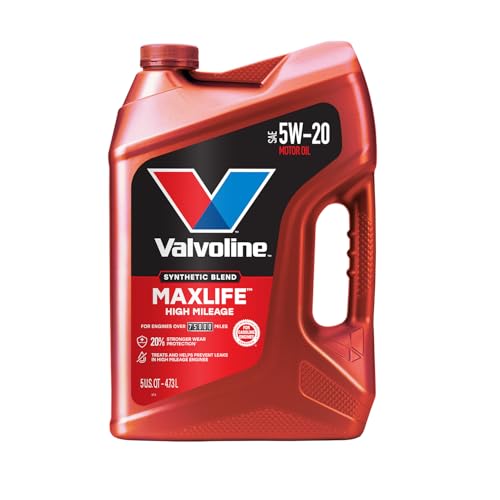
Valvoline High Mileage with MaxLife Technology SAE 5W-20 Synthetic Blend Motor Oil 5 QT
- Enhanced Wear Protection: 40% better wear protection with MaxLife Technology
- Seal Conditioners: Reduces oil consumption and leaks
- Advanced Detergents: Fights sludge, rust, and deposits
As an affiliate, we earn on qualifying purchases.
As an affiliate, we earn on qualifying purchases.
Conclusion
So, next time you see an oil without OEM approvals, remember—it’s like a book without a title; it may still hold value, but it leaves questions lingering. Don’t let the absence of official stamps fool you, but stay cautious. Trust your instincts and do your research, because in the world of engine oils, reputation isn’t always stamped on the bottle—it’s earned through quality and performance. Keep asking questions; your engine deserves it.

LIQUI MOLY Motor Oil Saver | 300 ml | Oil additive | SKU: 2020
- Reduces oil consumption: Improves piston ring and valve guide efficiency
- Prevents exhaust smoke: Reduces blue, smoky emissions
- Seals leaks: Prevents leaks at elastomeric seals
As an affiliate, we earn on qualifying purchases.
As an affiliate, we earn on qualifying purchases.

Lucas Oil 10278 Engine Oil Stop Leak – 1 Quart
- Product Type: Auto Oil Stop Leak
- Package Dimensions: 8.89 x 10.16 x 30.48 cm
- Package Weight: 0.953 kg
As an affiliate, we earn on qualifying purchases.
As an affiliate, we earn on qualifying purchases.