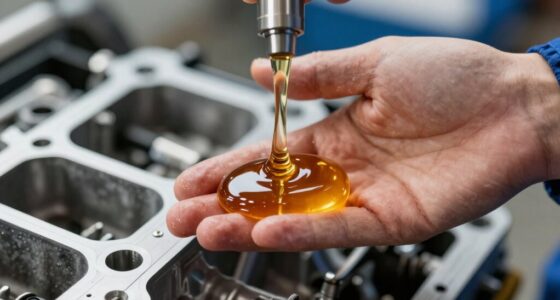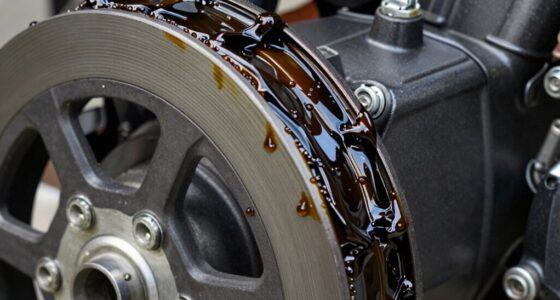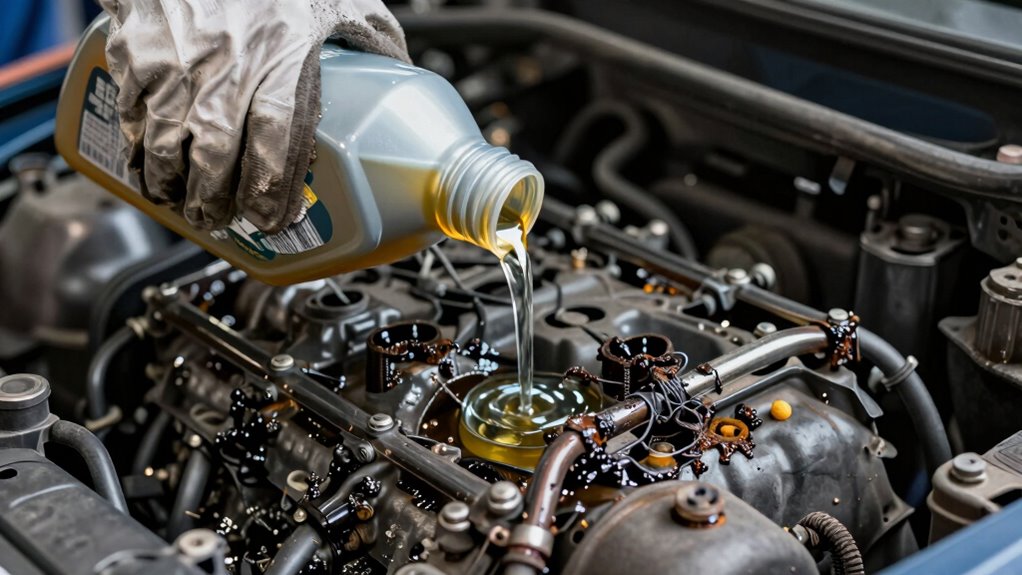

Switching to high-detergent oils to clean sludge might seem helpful, but it’s not a guaranteed fix. If your engine has a lot of buildup, these oils can loosen deposits quickly, risking clogging passages or causing damage. Also, without proper assessment, you could do more harm than good. It’s better to evaluate your engine’s condition first and follow a careful cleaning plan. Keep exploring how to do it safely and effectively.

Get business pricing on garage and car supplies
- Business-only prices and quantity discounts
- Tax-exempt purchasing
- Multiple users, one account, clear invoices
Key Takeaways
- High detergent oils can loosen sludge deposits rapidly, risking clogging filters and passageways.
- Relying solely on detergents may not fully remove existing sludge and can cause engine damage.
- Proper sludge removal requires gradual cleaning and engine flushing, not just switching to high detergent oils.
- Oil analysis helps determine sludge severity and guides safe cleaning strategies before switching oils.
- Preventative maintenance with regular oil changes is more effective than relying on detergents alone to prevent sludge buildup.
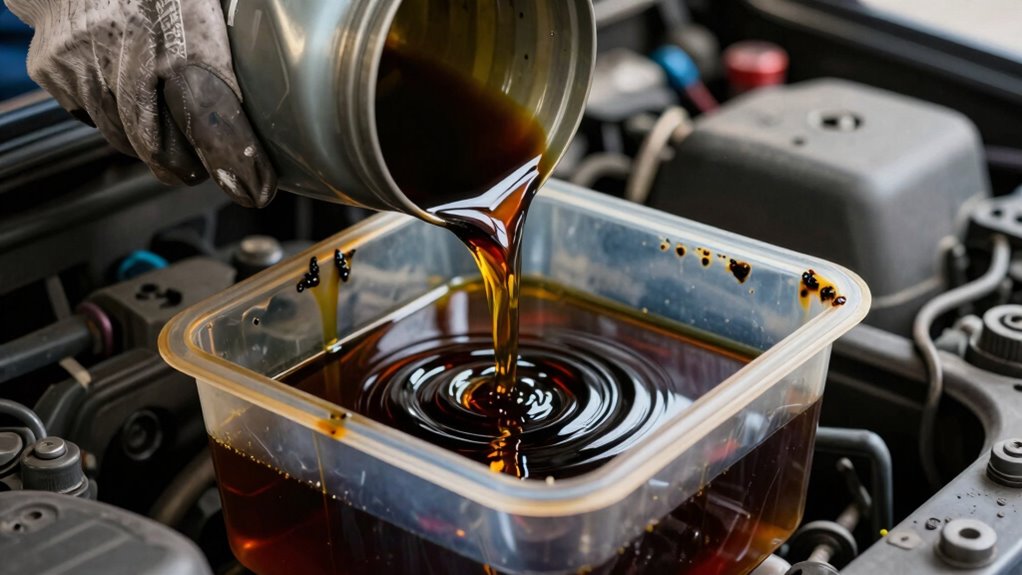
If your engine has accumulated sludge, switching to fresh oil is essential for maintaining performance and preventing further damage. But simply draining old oil and filling up with high-detergent, “cleaning” oil isn’t always the best move. While high-detergent oils claim to clean out sludge, relying solely on them can sometimes do more harm than good, especially if the sludge buildup is severe. Before making the switch, consider performing an oil analysis, which helps you understand the extent of sludge contamination and whether your engine can handle aggressive cleaning agents. An oil analysis provides insights into wear metals, contaminants, and the overall condition of your engine’s oil, guiding you to choose the appropriate oil type and treatment.
Perform an oil analysis before switching to high-detergent oils to assess sludge severity and engine health.
Switching to a high-detergent oil might seem like a quick fix, but it’s not a guarantee that all the sludge will be removed safely or effectively. If the sludge is extensive, aggressive detergents can loosen deposits quickly, causing chunks of sludge to break loose and clog oil passages or filters. This can lead to reduced lubrication, increased wear, or even engine damage. Instead, a more cautious approach involves gradually shifting to a more detergent-rich oil, allowing the engine to slowly clean itself without overwhelming the system. Regular oil changes and maintenance routines, including using quality oils suited for your engine, help prevent sludge formation from occurring in the first place, emphasizing the importance of preventive maintenance in engine health.
Preventing sludge formation from the start is the best strategy. Regular oil changes, using quality oils suited for your engine, and performing oil analysis periodically help you catch early signs of sludge buildup. When you know the condition of your oil, you can tailor your maintenance routine to prevent sludge from forming in the first place. Remember, sludge prevention is about consistent maintenance, not just reactive measures after buildup occurs.
If you’re dealing with significant sludge, consider flushing your engine with a dedicated cleaning product designed for this purpose. These products are formulated to dissolve and loosen sludge safely, making it easier for fresh oil to circulate cleanly. However, always follow the manufacturer’s instructions carefully. After flushing, replace the oil filter and switch to a high-quality, low-detergent oil for a few oil changes to allow your engine to recover gradually.
As an affiliate, we earn on qualifying purchases.
Frequently Asked Questions
How Long Should I Run My Engine After Switching Oils?
You should run your engine for about 10 to 15 minutes after switching oils to allow proper engine flushing and guarantee oil compatibility. This process helps circulate the new oil thoroughly, removing any remaining sludge or contaminants. Avoid excessive idling, as it can cause unnecessary wear. Once done, turn off the engine and check for leaks or unusual noises, ensuring your engine stays clean and well-lubricated.
Can Using High Detergent Oil Damage My Engine?
Think of high detergent oil as a powerful engine flush, clearing out debris with a strong oil additive. While it might seem risky, using it properly won’t damage your engine if you follow the manufacturer’s recommendations. The key is to avoid overuse. High detergent oils can actually protect your engine by preventing sludge buildup, making them a wise choice when combined with appropriate maintenance. Trust the process, and your engine will run cleaner and longer.
What Are Signs of Residual Sludge in My Engine?
You might notice signs of residual sludge in your engine if it runs rough, stalls, or exhibits reduced power. During an engine flush, stubborn sludge buildup can sometimes remain, causing these issues. Dark, gritty oil or unusual noises also indicate leftover sludge. Regular maintenance and using high-quality, detergent-rich oil help break down and remove sludge, but if buildup persists, a professional cleaning might be necessary to restore peak engine performance.
Is Synthetic Oil Better for Cleaning Sludge Than Conventional Oil?
If you’ve got sludge buildup, switching to synthetic oil can help because of its superior formulation. Synthetic advantages include better cleaning properties, thanks to advanced detergents that break down sludge. For example, a car with engine sludge showed improvement after switching to synthetic, revealing cleaner components. Synthetic oils are designed to combat deposits more effectively than conventional oils, making them a smarter choice for cleaning and protecting your engine.
How Often Should I Change Oil After Sludge Removal?
You should change your oil every 3,000 to 5,000 miles after sludge removal to prevent further sludge buildup. Regular oil changes help maintain engine cleanliness and guarantee your oil’s detergent properties work effectively. Keep an eye on your vehicle’s oil life indicator or follow your manufacturer’s recommended oil change interval. Consistent changes are key to avoiding future sludge problems, especially if your engine has previously accumulated significant buildup.
As an affiliate, we earn on qualifying purchases.
Conclusion
Switching oil after sludge isn’t a free win. It’s about understanding the limits, recognizing the risks, and taking the right steps. It’s about cleaning the engine, choosing the right oil, and maintaining regularly. It’s about not just changing the oil but changing your approach. Because a clean engine runs better, lasts longer, and performs stronger. So, don’t just switch oil—switch your mindset, switch your habits, and switch to better engine health.
As an affiliate, we earn on qualifying purchases.
As an affiliate, we earn on qualifying purchases.
Halloween Picks
halloween
As an affiliate, we earn on qualifying purchases.