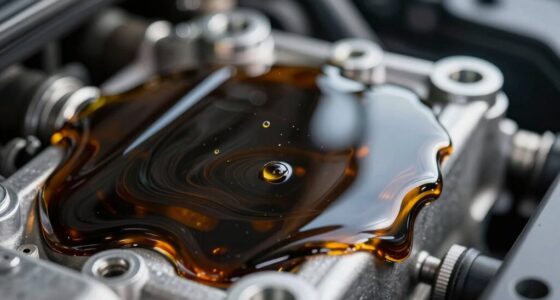

Molybdenum in oil mainly helps protect your equipment by reducing friction and preventing wear, especially under extreme pressure and high temperatures. It forms a durable barrier on metal surfaces and acts as a solid lubricant, which keeps machinery running smoothly longer. While it enhances durability and resists corrosion, molybdenum doesn’t eliminate all forms of wear or replace proper maintenance. To learn more about its full capabilities and limits, keep exploring this essential additive.

Get business pricing on garage and car supplies
- Business-only prices and quantity discounts
- Tax-exempt purchasing
- Multiple users, one account, clear invoices
Key Takeaways
- Molybdenum acts as a solid lubricant, reducing friction and wear in drilling equipment and refining processes.
- It enhances the durability and performance of drilling fluids and lubricants under extreme pressure and high temperatures.
- Molybdenum provides a protective barrier on metal surfaces, preventing corrosion, oxidation, and abrasive damage.
- It does not function as a fuel additive or directly impact oil production but supports equipment longevity.
- Molybdenum does not eliminate the need for other wear protection techniques but complements them for improved equipment reliability.

Molybdenum plays a crucial role in the oil industry because it enhances the durability and performance of equipment used in drilling and refining processes. When integrated into lubricants and drilling fluids, molybdenum compounds, especially molybdenum disulfide, serve as effective oil additive properties that improve operational efficiency. These additives form a thin, protective film on metal surfaces, reducing friction and minimizing metal-to-metal contact. As a result, equipment experiences less wear and tear, which translates into longer service life and reduced maintenance costs. If you’re involved in oil exploration or refining, understanding how molybdenum contributes to wear protection techniques can help you maximize equipment longevity and performance.
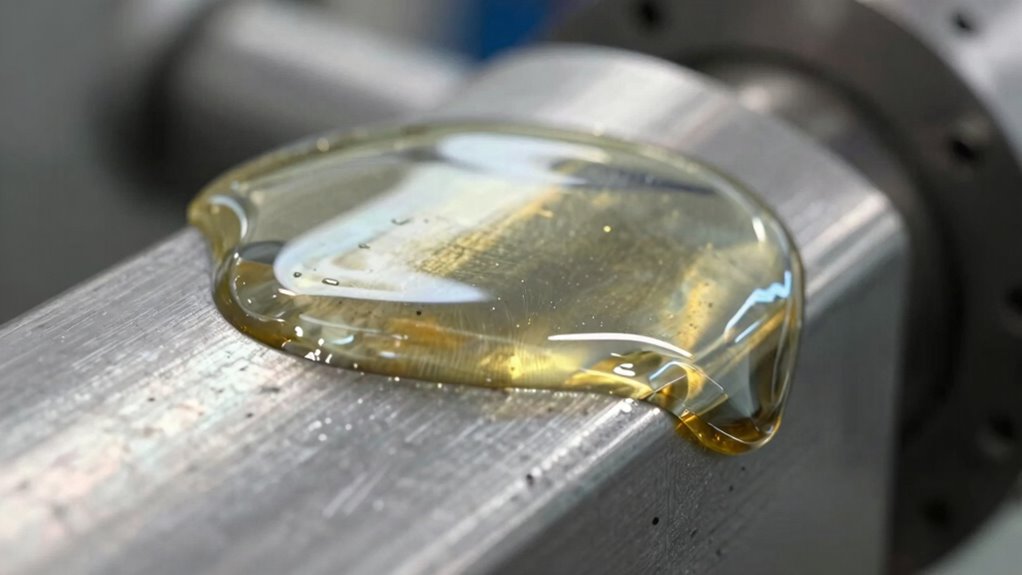
In the context of wear protection techniques, molybdenum acts as a solid lubricant, especially under extreme pressure and high-temperature conditions common in drilling operations. Unlike liquid lubricants that can evaporate or degrade over time, molybdenum disulfide particles maintain their lubricating properties even in harsh environments. This stability allows equipment to operate smoothly, preventing damage caused by excessive heat or friction. When you apply molybdenum-based additives, you’re effectively creating a barrier that shields metal surfaces from abrasive wear, reducing the likelihood of costly failures or downtime.
You’ll also find that molybdenum’s role extends beyond just lubrication. In drilling muds and cutting fluids, it enhances the overall resilience of the fluids, helping them withstand high pressures and temperatures without breaking down. This stability ensures consistent lubrication and wear protection throughout the drilling process. By incorporating molybdenum into your operational protocols, you employ a proven wear protection technique that boosts equipment reliability, especially in challenging environments.
Furthermore, molybdenum’s contribution goes beyond just protecting against wear. It also helps in controlling oxidation and corrosion in equipment exposed to aggressive chemicals or extreme conditions. This added layer of protection maintains the integrity of machinery and prolongs its effective lifespan. When you choose molybdenum-based products, you’re investing in a technology that combines chemical stability with physical barrier properties, ensuring your equipment remains in ideal condition longer. Additionally, understanding the importance of sustainable practices in the oil industry can help mitigate environmental impact while maintaining equipment efficiency.
molybdenum disulfide lubricant additive
As an affiliate, we earn on qualifying purchases.
As an affiliate, we earn on qualifying purchases.
Frequently Asked Questions
Does Molybdenum in Oil Improve Fuel Efficiency?
Yes, molybdenum in oil can improve your vehicle’s fuel economy. As an additive, it reduces friction between engine parts, helping your engine run more smoothly and efficiently. This friction reduction translates to less energy needed to operate, enhancing additive benefits like better performance and potentially saving you money on fuel. Keep in mind, though, that the actual impact may vary depending on your engine and driving habits.
How Long Does Molybdenum Additive Last in Engine Oil?
Your molybdenum additive typically lasts around 5,000 to 7,500 miles, depending on driving habits and oil change intervals. Its additive stability guarantees consistent wear protection, but over time, its effectiveness diminishes, making regular oil changes essential. Keep an eye on your vehicle’s maintenance schedule to maintain ideal protection—molybdenum’s benefits fade as the additive wears, so timely replacements help preserve engine health.
Can Molybdenum Prevent Engine Corrosion?
Yes, molybdenum can help prevent engine corrosion by enhancing wear resistance and providing catalytic properties. These qualities allow it to form a protective film on engine parts, reducing metal-to-metal contact and resisting rust. By lowering friction and shielding components from corrosive elements, molybdenum extends engine life and maintains peak performance. Incorporating molybdenum in your engine oil is a smart way to combat corrosion and improve durability.
Is Molybdenum Safe for All Engine Types?
Molybdenum is generally safe for most engine types, but you should always check your vehicle’s engine compatibility and safety considerations. Some engines may react differently, especially if they have specific material compositions or operating conditions. To avoid issues, consult your owner’s manual or a mechanic before using molybdenum-based oils. This ensures you’re making an informed choice tailored to your engine’s needs and safety standards.
Does Molybdenum Affect Oil Change Intervals?
You might think molybdenum complicates your oil change, but it actually helps extend maintenance scheduling. By reducing friction and wear, molybdenum-enhanced oils keep your engine smoother longer. This means you can often go a bit further between oil changes without risking damage. So, instead of shortening your oil change intervals, molybdenum can support more efficient, less frequent maintenance, saving you time and money while keeping your engine healthier.
As an affiliate, we earn on qualifying purchases.
Conclusion
So, while molybdenum in oil helps reduce wear and keeps your engine running smoothly, it’s not a miracle cure. Don’t think it’ll fix every issue or last forever—regular maintenance still matters. But when used correctly, molybdenum can definitely give your engine that extra boost it needs. Just remember, it’s a supplement, not a substitute for good oil habits. Keep up with your maintenance, and your engine will thank you.
high temperature metal protective coating
As an affiliate, we earn on qualifying purchases.
As an affiliate, we earn on qualifying purchases.
drilling equipment wear protection
As an affiliate, we earn on qualifying purchases.
As an affiliate, we earn on qualifying purchases.
Fall Picks
fall essentials
As an affiliate, we earn on qualifying purchases.