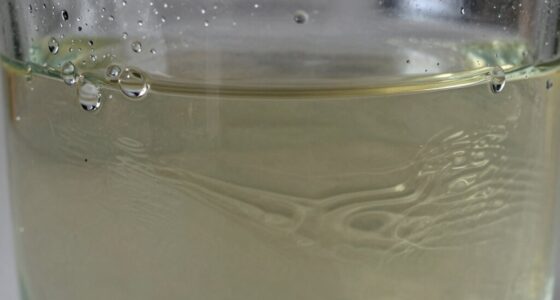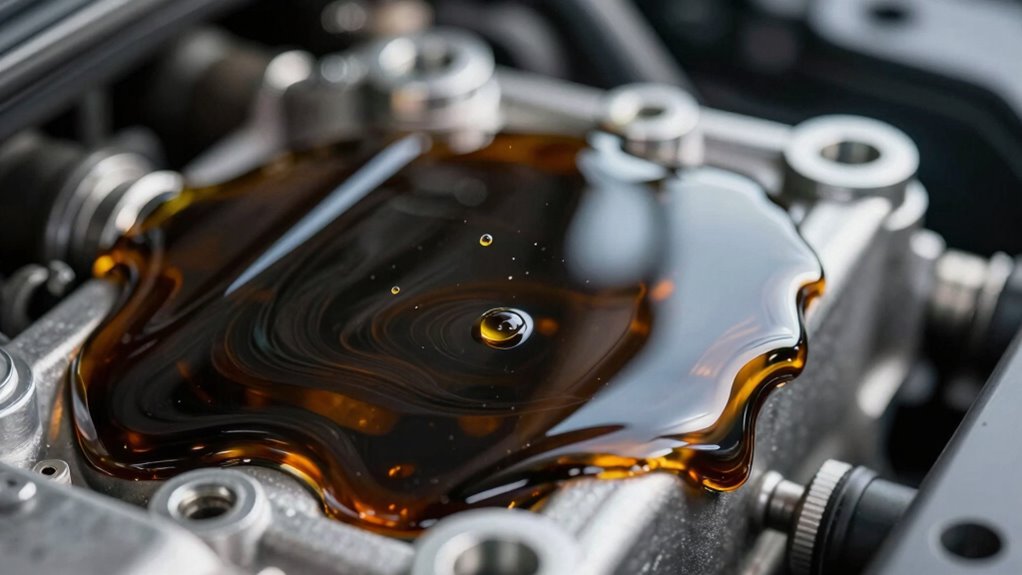

Modern engines often produce fuel dilution that thins the oil beyond its intended viscosity. This happens because incomplete combustion or short trips leave unburned fuel in the crankcase, mixing with the oil. Advanced engine designs and emissions systems can exacerbate this problem, making it more likely for the oil to lose its protective properties over time. If you want to understand how these factors affect your engine’s health and what to do about it, there’s more to uncover.

Get business pricing on garage and car supplies
- Business-only prices and quantity discounts
- Tax-exempt purchasing
- Multiple users, one account, clear invoices
Key Takeaways
- Modern engines often run richer or incomplete combustion, increasing unburned fuel entering the oil system.
- Advanced turbocharged engines operate at higher pressures, promoting fuel leakage into the oil.
- Emissions control systems like EGR and catalytic converters can cause fuel condensation, diluting engine oil.
- Short trips and frequent idling prevent engine from reaching optimal temperature, leading to fuel mixing with oil.
- Use of direct injection technology can cause piston ring wear, allowing more fuel to seep into the oil.
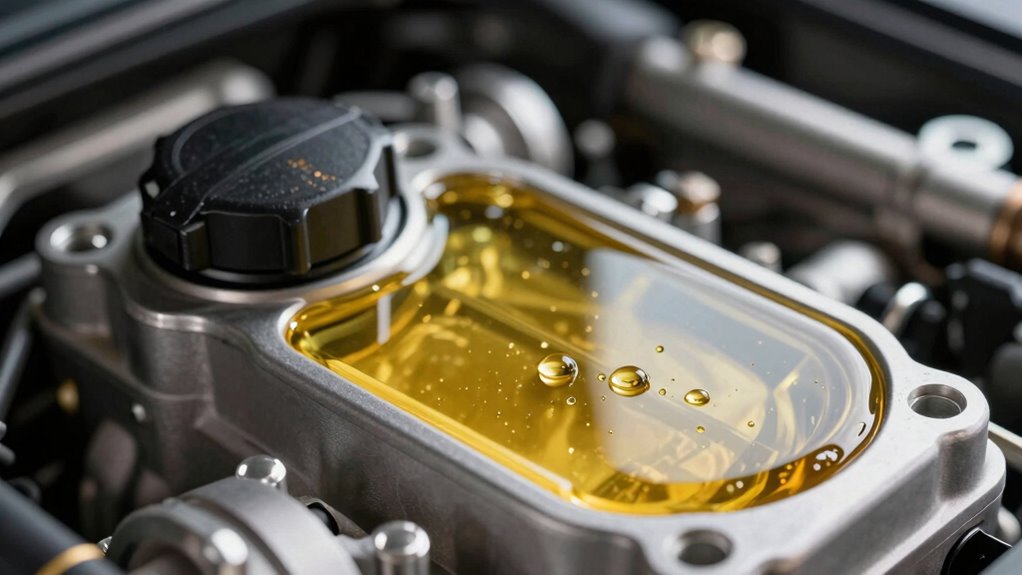
Fuel dilution doesn’t just harm your engine internally; it also hampers the effectiveness of your oil’s protective qualities. When oil becomes diluted, it loses its ability to resist oxidation and sludge formation, which can clog oil passages and reduce overall engine efficiency. Additionally, the presence of fuel in the oil can interfere with the oil’s additive package, further diminishing its capacity to fight against engine wear. This creates a vicious cycle where increased engine wear leads to more emissions issues, prompting manufacturers to push harder on emissions controls, inadvertently exacerbating fuel dilution problems. As engine technologies evolve, understanding emissions control systems becomes essential for diagnosing and preventing fuel dilution issues effectively. You can mitigate these effects by paying close attention to your vehicle’s maintenance schedule. Regular oil changes are vital, especially if you notice your oil appearing milky or your engine running rough. Using high-quality oils designed to resist fuel dilution can also help, as they maintain better viscosity and protective properties even when contaminated. Ensuring your engine reaches ideal operating temperature during each drive minimizes unburned fuel buildup. Ultimately, understanding how emissions control advancements impact fuel dilution helps you take proactive steps to keep your engine healthier longer, preventing excessive wear and maintaining smooth operation.
high quality engine oil resistant to fuel dilution
As an affiliate, we earn on qualifying purchases.
As an affiliate, we earn on qualifying purchases.
Frequently Asked Questions
How Can Fuel Dilution Affect Engine Longevity?
Fuel dilution can markedly reduce your engine’s longevity by increasing oil contamination, which accelerates engine wear. When fuel mixes with your oil, it thins the lubricant, making it less effective at protecting engine parts. This added strain causes faster wear and potential damage over time. To prevent this, regularly check your oil and address any signs of fuel dilution promptly, ensuring your engine stays protected and lasts longer.
What Are the Signs of Excessive Fuel Dilution?
Imagine your engine whispering warnings—if you notice darker, watery-looking oil or a persistent smell of fuel, that’s a sign of excessive fuel dilution. During fuel testing and engine diagnostics, you might see increased oil consumption, rough idling, or difficulty starting. These clues indicate your engine’s oil is becoming too thin, compromising lubrication. Address these signs promptly to prevent long-term damage and keep your engine running smoothly.
Is Fuel Dilution More Common in Specific Engine Types?
Yes, fuel dilution is more common in diesel engines, especially those with turbocharged systems. Turbocharged diesel engines tend to experience higher fuel dilution because of their design, which can cause incomplete combustion or injector issues. You might notice it more if you do frequent short trips, as the engine doesn’t reach ideal temperature. Regular maintenance and checking oil samples can help you catch fuel dilution early.
Can Fuel Dilution Be Completely Eliminated?
Think of your engine as a delicate balance scale. Fuel dilution can’t be completely eliminated because of inherent design limits and ongoing use. However, you can minimize it through proper maintenance practices, like regular oil changes and using quality fuel. While you can’t entirely prevent it, understanding your engine’s design and staying proactive helps keep oil healthier longer, reducing the impact of fuel dilution on performance.
How Does Fuel Quality Influence Oil Thinning?
Fuel quality directly impacts oil thinning because poor-quality fuel often contains contaminants and improper additives. When you use high-quality fuel with proper fuel additives, it helps prevent fuel dilution and keeps your engine cleaner. Regular engine cleaning also reduces the risk of fuel-related thinning. By choosing better fuel and maintaining your engine, you can minimize oil thinning and prolong the life of your engine.
oil test kits for fuel contamination
As an affiliate, we earn on qualifying purchases.
As an affiliate, we earn on qualifying purchases.
Conclusion
Think of your engine like a sturdy ship sailing through calm waters. When fuel dilutes the oil, it’s as if water starts seeping in, weakening the vessel’s structure. Modern engines, with their advanced tech, risk this silent erosion, making your oil thinner and less protective. Stay vigilant, just like a careful captain checking the hull, to guarantee your engine remains strong and seaworthy for the long journey ahead.
engine oil with anti-fuel dilution properties
As an affiliate, we earn on qualifying purchases.
As an affiliate, we earn on qualifying purchases.
oil analysis service for engine health
As an affiliate, we earn on qualifying purchases.
As an affiliate, we earn on qualifying purchases.
Fall Picks
fall essentials
As an affiliate, we earn on qualifying purchases.